 Preview
 Send
Send Share
Share
 Details

 Download
 Similars
 X-Ray
X-Ray Diaporama
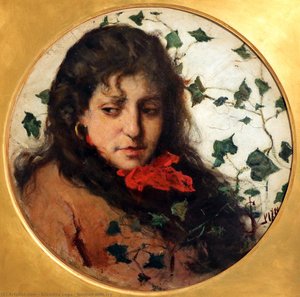
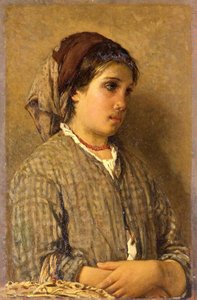
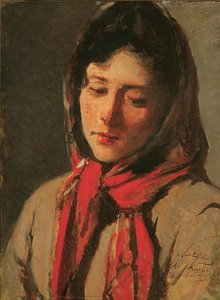
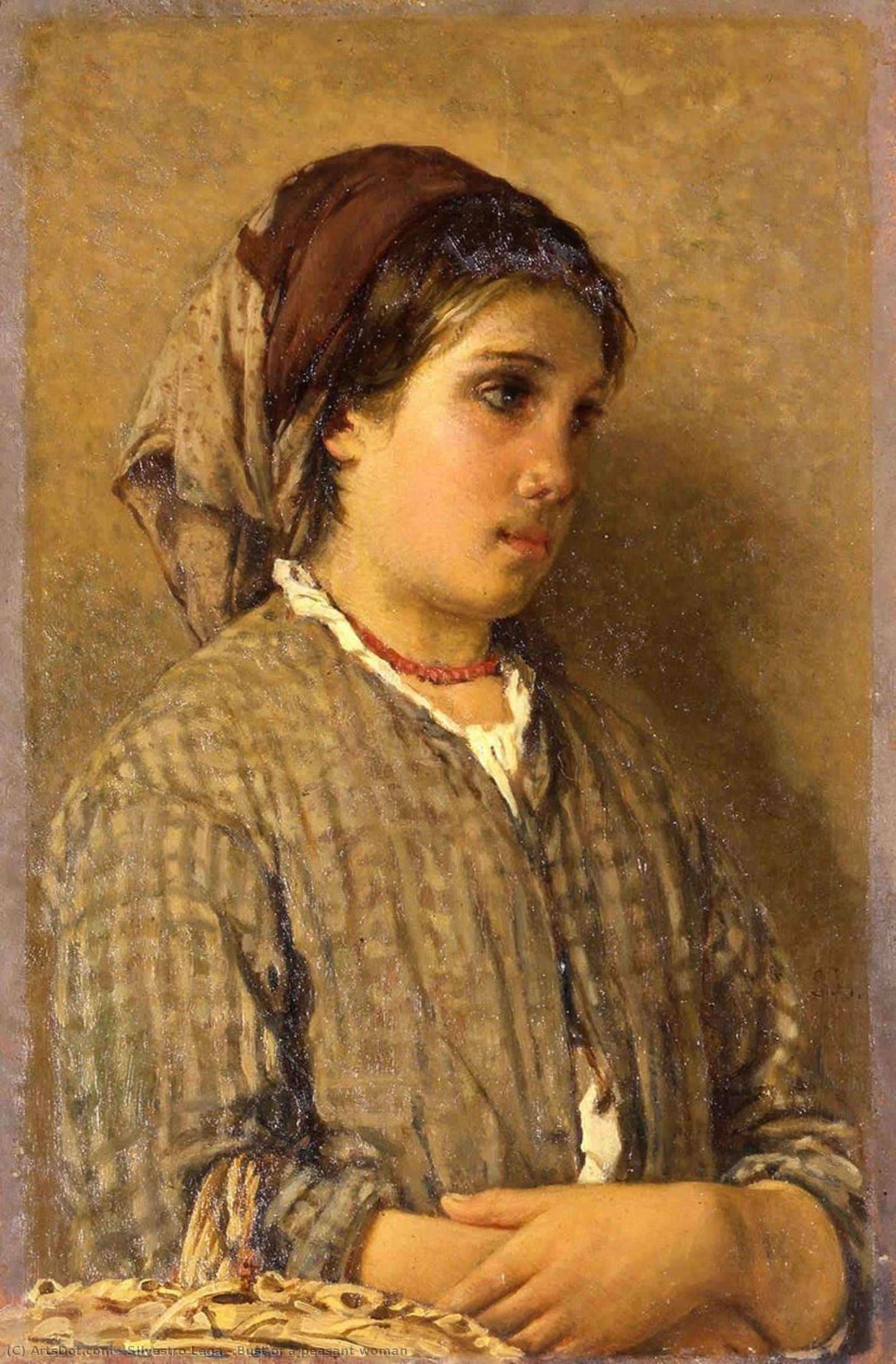
Bust of a peasant woman
 Oil On Canvas
- WallArt
- Contemporary Realism
 1873
1873 40.0 x 26.0 cm
 Palazzo Pitti
 Read More
Hand Made Oil Reproduction
Hand-painted oil on canvas in your size and frame, made to order by our artists. ( Buy Print Buy Image)




P118B $10

P118H $10

P118W $10

P438Z $10

P508JH $12

P508YH $12

P805H $10

P805Z $10

P919BZ $10

P919G $10

P919XJ $10

P959ZH $10

P968JZ $12

W106C $8

W218G $10

W218JH $8

W218Y $10

W307PJ $10

W316G $10

W316PJ $8

W316Y $10

W398PJ $8

W4111J $10

W500HY $15

W500JH $15

W692G $12

W849H $8

W940BG $15

W953PJ $8




Pick from our preset sizes that match the artwork's original proportions.

You may enter your own dimensions to fit a specific frame or space. If your selected size does not match the original image's proportions, we will either crop the artwork or extend the painting with additional hand-painted elements. A digital mockup will be sent for your approval before production begins.
Please note that the on-screen preview does not reflect the actual cropping or extension. Only the mockup will accurately show the final composition.
While custom sizes are available, we recommend selecting a dimension from the predefined list to preserve the original proportions.
After order, ArtsDot.com team will email client for instructions and provide a mockup preview
Worldwide Delivery () in 3/4 weeks instead of standard 5 weeks. (23 August). No compromise on quality.

Free Worldwide Express Shipping

High-Quality Linen Canvas

Full Shipping Insurance

Customs Tax Refund Guarantee

True Color Matching Guarantee

60-Day Return Policy (Defects Only)

100% Money-Back Guarantee

Bulk Discount Offer
 Glass option is only available in size under 110 CM

Bust of a peasant woman
Reproduction Medium
Reproduction Size
-


Total Price
$ 263
Artwork Description
Silvestro Lega’s ‘Bust of a Peasant Woman’: A Window into Italian Realism
This exquisite hand-painted reproduction captures the essence of Silvestro Lega's masterful approach to portraying the lives and faces of ordinary people. Measuring 40 x 26 cm, this intimate portrait, created in 1873, offers a poignant glimpse into the heart of Italian Realism during the late 19th century. The subject, a peasant woman with long, flowing hair, embodies a quiet dignity and contemplative spirit that resonates deeply with viewers.
The Macchiaioli Movement and Lega’s Vision
- Macchialismo: Lega was a key figure in the Macchiaioli movement – a group of Florentine artists who challenged academic conventions by employing “macchia,” or ‘spotting,’ a technique characterized by bold, expressive brushstrokes and areas of unmixed color.
- Realism’s Embrace: The Macchiaioli sought to depict reality as it was, without idealization or romantic embellishment. Lega's work reflects this commitment, focusing on the textures of fabric, the nuances of light, and the genuine expressions of his subjects.
- Social Commentary: Lega’s art wasn't merely a stylistic choice; it engaged with social issues prevalent in Italy at the time, particularly the lives of rural communities and the challenges faced by the working class.
Technical Details and Artistic Process
The painting showcases Lega’s meticulous attention to detail and his innovative use of color. The application of ‘macchia’ creates a dynamic surface, with vibrant patches of red, brown, and ochre contrasting against the muted tones of the woman's clothing and the wall backdrop. Notice the subtle modeling of the face – achieved through careful layering of paint – that gives the subject a remarkable sense of volume and presence. The artist skillfully utilizes light to highlight her features, drawing attention to her expressive eyes and the downward gaze that suggests introspection.
Symbolism and Emotional Impact
The woman’s posture, with her head bowed slightly, immediately evokes a sense of quiet contemplation. Her simple attire – a flowing dress and shawl – speaks to her humble status, while the scarf around her head adds an element of mystery and perhaps even sorrow. The backdrop of a plain wall serves not as mere decoration but as a framing device, isolating the subject and intensifying the feeling of intimacy and solitude. This piece is more than just a portrait; it’s a meditation on human experience, inviting viewers to consider themes of vulnerability, resilience, and the beauty found in everyday life.
Historical Context: Silvestro Lega and the 1873 Portrait
Created in 1873, this portrait reflects a period of significant social and political change in Italy. The unification of Italy was relatively recent, and rural communities were still grappling with poverty and hardship. Lega’s decision to focus on a peasant woman speaks to his desire to document the realities of Italian life and to give voice to those often overlooked by mainstream art. His work stands as a testament to the power of realism to capture not just appearances but also the spirit and soul of a nation.
Related Artworks
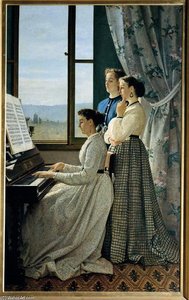
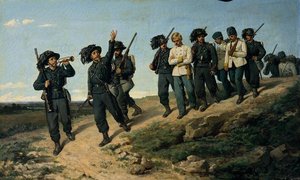
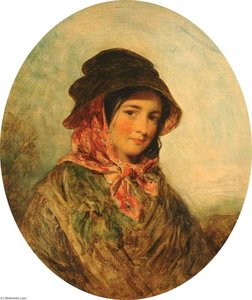
Artist Biography
Silvestro Lega: A Life in Italian Realism
- Born: Modignan, Italy (1826)
- Died: 1895
Silvestro Lega was a significant figure in 19th-century Italian art, recognized as a leading artist within the Macchiaioli movement. His work embodies a commitment to realism and observation of everyday life, intertwined with his involvement in the political currents of his time.
Early Life and Artistic Training
- Family Background: Lega was born into an affluent family in Modigliana, near Forlì.
- Education: From 1838, he attended the Piarist College where his drawing skills became apparent. He then studied at the Accademia di Belle Arti in Florence (1843-1847), initially under Benedetto Servolini and Tommaso Gazzarini for drawing, briefly studying painting with Giuseppe Bezzuoli.
- Influence of Luigi Mussini: Lega’s training continued under Luigi Mussini, emphasizing 15th-century Florentine principles of drawing and construction. This foundation shaped his early artistic approach.
- Military Service & Risorgimento: As a Garibaldian volunteer, Lega participated in the military campaigns for Italian independence (1848–49), demonstrating his engagement with the Risorgimento.
- Further Studies: He later studied under Antonio Ciseri.
The Macchiaioli Movement and Artistic Development
- Initial Academic Style: Initially, Lega’s style remained largely academic, as noted by contemporary Diego Martelli who observed his infrequent participation in the vibrant artistic discussions at the Caffè Michelangelo, a hub for young painters.
- Transition to Realism: By 1859, Lega's work began shifting towards realism, moving away from Mussini’s purist approach. This evolution is evident in the lunettes he painted for the Oratory of the Madonna del Cantone in Modigliana (1858-1863).
- En Plein Air Painting: Lega joined his Macchiaioli colleagues – Odoardo Borrani, Giuseppe Abbati, Telemaco Signorini, and Raffaello Sernesi – in embracing en plein air painting, directly observing and capturing the nuances of landscapes.
- The Batelli Family Period (1861-1870): A significant period in Lega’s life was spent with the Batelli family near the Affrico River. This time profoundly influenced his art, as he depicted their children and women in numerous paintings, reflecting a sense of domestic tranquility.
Key Works and Artistic Style
- Notable Paintings: Some of Lega’s most celebrated works include “A Walk in the Garden” (1870), "Il Pergolato" (also known as "Il dopopranzo") (1864), “The House of Don Giovanni Veritá” (1885), “In the Garden” (1883), and “Garden in Bellariva” (1884).
- Style Characteristics: Lega’s style is characterized by a careful balance between traditional composition and contemporary use of color, derived from direct observation. He employed carefully defined forms and rendered atmosphere with transparency of colors. His later works show an Impressionistic influence.
- Thematic Focus: His paintings often depict scenes of rural life, family gatherings, and portraits, reflecting a focus on the everyday experiences of ordinary people.
Later Years and Legacy
- Personal Tragedy: The loss of Virginia Batelli (his companion), along with three brothers, plunged Lega into deep grief and depression in 1870. This period led to a four-year hiatus from painting (1874-1878).
- Artistic Exploration & Impressionism: Despite his personal struggles, Lega remained engaged with the art world. He admired the works of Camille Pissarro and established an art gallery in Florence with Odoardo Borrani, though it was short-lived.
- Final Years: In his later years, he became a tutor for the sons of the Tommasi family, finding renewed stability and artistic inspiration. His final works, such as “The Gabbarigiane,” demonstrate a continued commitment to realism despite failing eyesight.
- Historical Significance: Silvestro Lega’s contribution lies in his ability to synthesize traditional compositional techniques with the emerging realist aesthetic of the Macchiaioli movement. He captured the essence of Italian life with sensitivity and skill, leaving behind a body of work that continues to resonate with audiences today. His focus on everyday subjects elevated them to artistic significance, contributing to the broader shift towards realism in 19th-century European art.
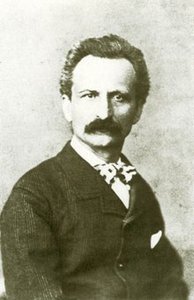
Silvestro Lega
1826 - 1895 , Italy
Quick Facts
- Artistic Movement Or Style: Realism, Macchiaioli
- Artists Or Movements Influenced By This Artist: ['Impressionism']
- Artists Who Influenced This Artist:
- Luigi Mussini
- Antonio Ciseri
- Date Of Birth: 1826
- Date Of Death: 1895
- Full Name: Silvestro Lega
- Nationality: Italian
- Notable Artworks:
- Doubting Thomas
- David placating Saul
- A Walk in the Garden
- Il pergolato
- The pergola
- Head of a boy
- Place Of Birth: Modigliana, Italy
Related Articles
Giovanni Fattori: Realism, Identity & the Tuscan Landscape – A Macchiaioli Master
Explore the life & art of Giovanni Fattori, a leading figure of the Macchiaioli movement. Discover his revolutionary realism, captivating Tuscan landscapes, and lasting impact on Italian painting. Learn more at ArtsDot.

Romantic Realism's Finest: 10 Masterpieces for Your Home | ArtsDot
Explore 10 defining masterpieces of Romantic Realism! Discover Courbet, Millet & Daumier's powerful paintings—capturing emotion and social realities. Find museum-quality reproductions for your home at ArtsDot.com.

19th Century Masterpieces: 10 Paintings That Defined an Era | ArtsDot
Journey through 19th century art with ArtsDot! Explore 10 iconic paintings – from Monet & Renoir to Courbet – and discover the stories behind Romanticism, Realism & Impressionism. Find museum-quality reproductions for your home decor. Explore the full collection online!
The Poetic Truth of Observation: Exploring 19th-Century Realism in Painting
Explore the captivating world of 19th-century Realism! Discover key artists like Courbet & Millet, masterpieces, and the powerful social commentary behind this influential art movement. Expert insights at ArtsDot.
The Evocative Embrace of Reality: Exploring Romantic Realism in 19th-Century Painting
Explore the captivating world of Romantic Realism! Discover key artists like Courbet & Millet, masterpieces, and the social context behind this influential art movement. Expert insights for collectors at ArtsDot.