Menu
FREE ART CONSULTATION

period

movement

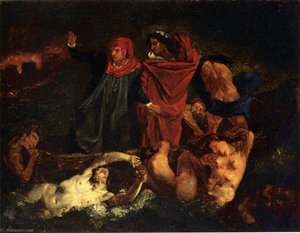
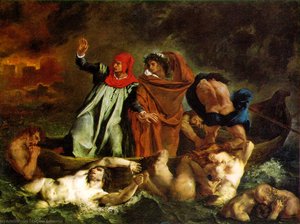
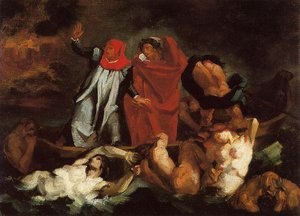
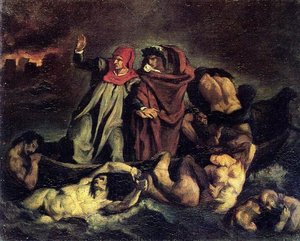
  1. La barca di Dante. . — Eugène Delacroix, 1822
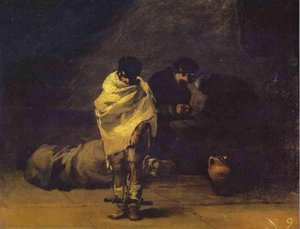
  2. Prison Scene — Francisco José de Goya y Lucientes
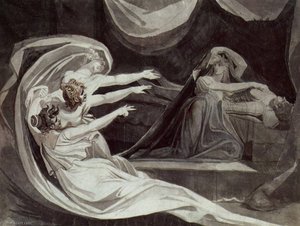
  3. Kriemhild is haunted by her remorse — johann heinrich füssli, 1805
  4. The Barque of Dante — Eugène Delacroix
  5. The Barque of Dante (after Delacroix) — Paul Cézanne, 1870
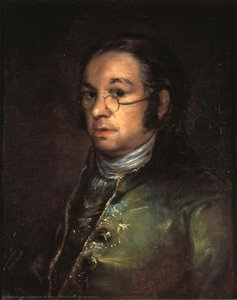
  6. Self portrait with spectacles — Francisco José de Goya y Lucientes, 1801
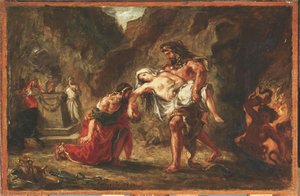
  7. Hercules and Alcestis — Eugène Delacroix, 1862
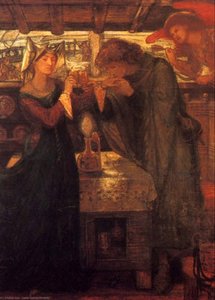
  8. Tristram and Isolde Drinking the Love Potion — Dante Gabriel Rossetti, 1867
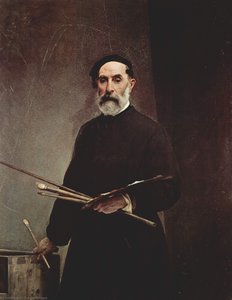
  9. Self Portrait — Francesco Hayez, 1861
  10. The barque of Dante (Copy after Delacroix) — Édouard Manet, 1854

vibe

topics

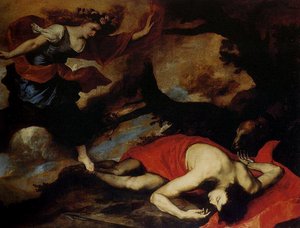
  1. Venus and Adonis — Jusepe de Ribera

keywords

tone

main color

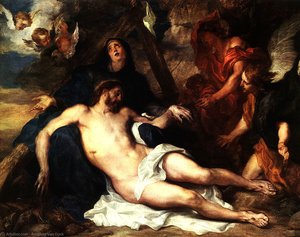
  1. Deposition — Sir Anthony van Dyck, 1634
  2. San Sebastian edited by St. Irene — Luca Giordano
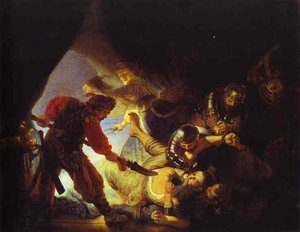
  3. The Blinding of Samson — Rembrandt van Rijn
  4. Self portrait with spectacles — Francisco José de Goya y Lucientes, 1801
  5. The barque of Dante (Copy after Delacroix) — Édouard Manet, 1854
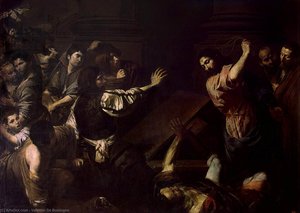
  6. Expulsion of the Money-Changers from the Temple — Valentin de Boulogne, 1620
  7. The Barque of Dante — Eugène Delacroix
  8. Venus and Adonis — Jusepe de Ribera
  9. Self Portrait — Francesco Hayez, 1861
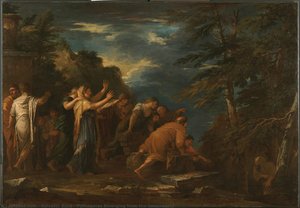
  10. Pythagoras Emerging from the Underworld — Salvator Rosa, 1662
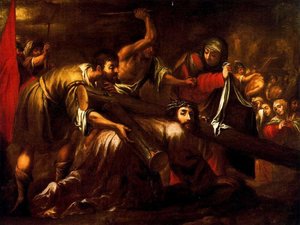
  11. Jesucristo camino del Calvario y la Verónica — Juan de Valdés Leal
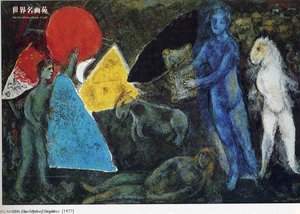
  12. The Myth of Orpheus — Marc Chagall, 1977
  13. Untitled (AQR3P4) — Anselm Feuerbach, 1851
  14. Tristram and Isolde Drinking the Love Potion — Dante Gabriel Rossetti, 1867
  15. Prison Scene — Francisco José de Goya y Lucientes
  16. Hercules and Alcestis — Eugène Delacroix, 1862
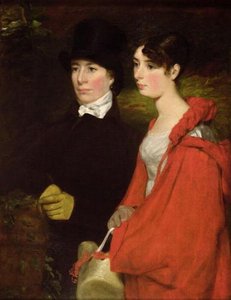
  17. Ann and Mary Constable — John Constable
  18. The Barque of Dante (after Delacroix) — Paul Cézanne, 1870
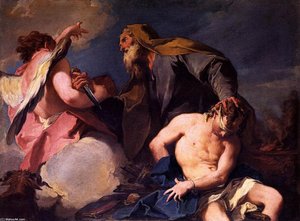
  19. Sacrifice of Isaac — giambattista pittoni, 1720
  20. Kriemhild is haunted by her remorse — johann heinrich füssli, 1805
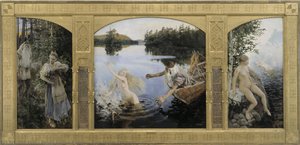
  21. Aino Myth, Triptych — Akseli Gallen-Kallela, 1891

other

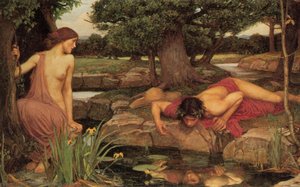
  1. Echo and Narcissus — John William Waterhouse, 1903
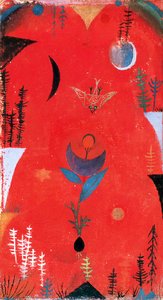
  2. Flower myth — Paul Klee, 1918