period
vibe
topics
keywords
tone
main color
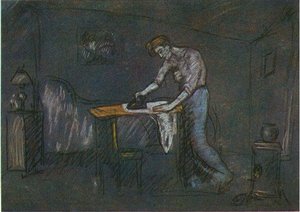
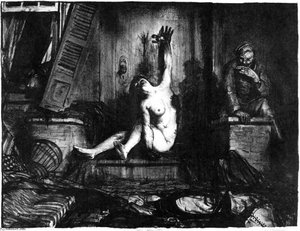
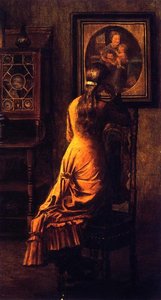
- The room of the ironer
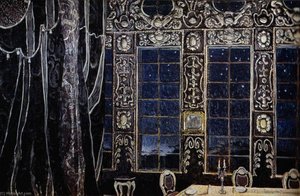
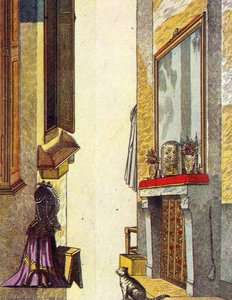
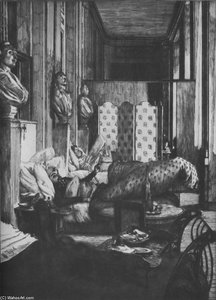
- Dom Juan's Dining Room (also known as Set design for Act IV of Moliére's comedy Dom Juan )
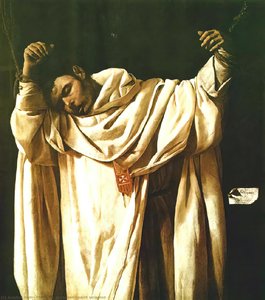
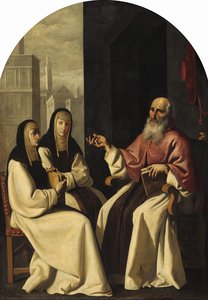
- Saint Serapion
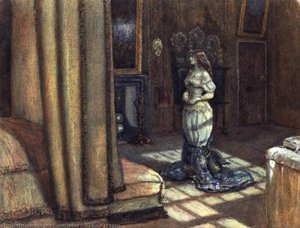
- The Eve of St Agnes
- LA SAINTE FAMILLE AVEC SAINTE ELISABETH ET LE PETIT SAINT JEAN
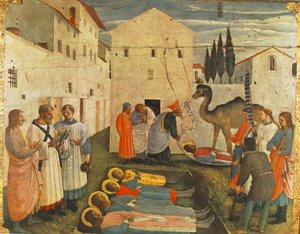
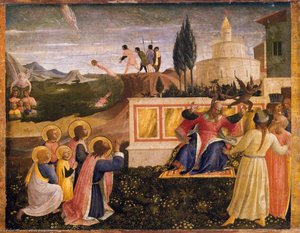
- Sepulchring of Saint Cosmas and Saint Damian (San Marco Altarpiece)
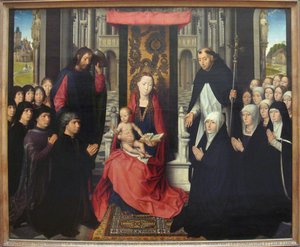
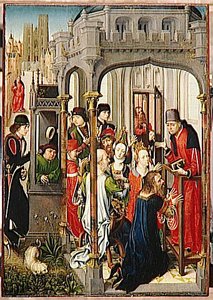
- LA VIERGE ET L'ENFANT ENTRE SAINT JACQUES ET SAINT DOMINIQUE PRESENTANT LES DONATEURS ET LEUR FAMILLE DIT LA VIERGE DE JACQUES FLOREINS
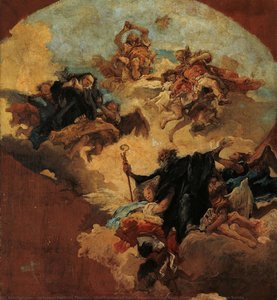
- Glorification of Saint Faustinus and Saint Jovita and Two Unknown Saints
- The Cigarette
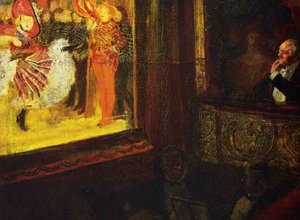
- At The Theatre
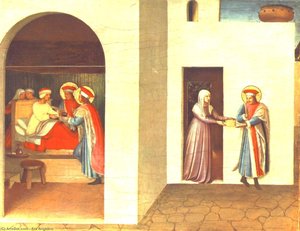
- The Healing of Palladia by Saint Cosmas and Saint Damian (San Marco Altarpiece)
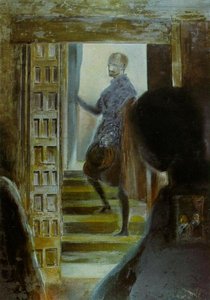
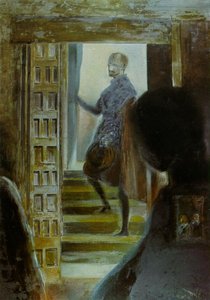
- Don Jose Nieto Velazquez from 'Las Meninas' by Velazquez
- Don Jose Nieto Velazquez from 'Las Meninas' by Velazquez, Musec, Del Prado, Madrid, 1982
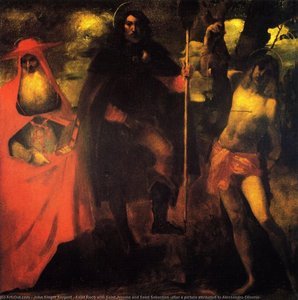
- Saint Roch with Saint Jerome and Saint Sebastian (after a picture attributed to Alessandro Oliverio)
- Pious Reflections
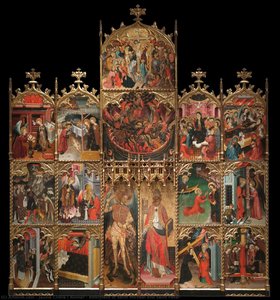
- Altarpiece of Saint Michael and Saint Peter
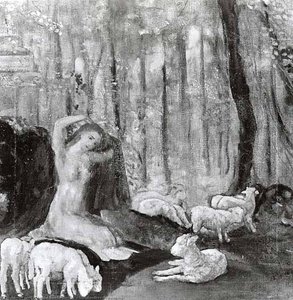
- Shepherdess, (painting)
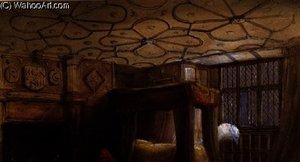
- Jacobean interior
- The focus of the Com die Fra
- Saint Cosmas and Saint Damian Salvaged