 Preview
 Send
Send Share
Share
 Details

 Download
 Similars
 X-Ray
X-Ray Diaporama
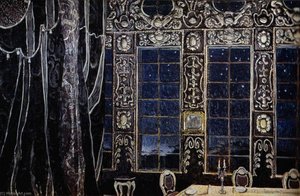
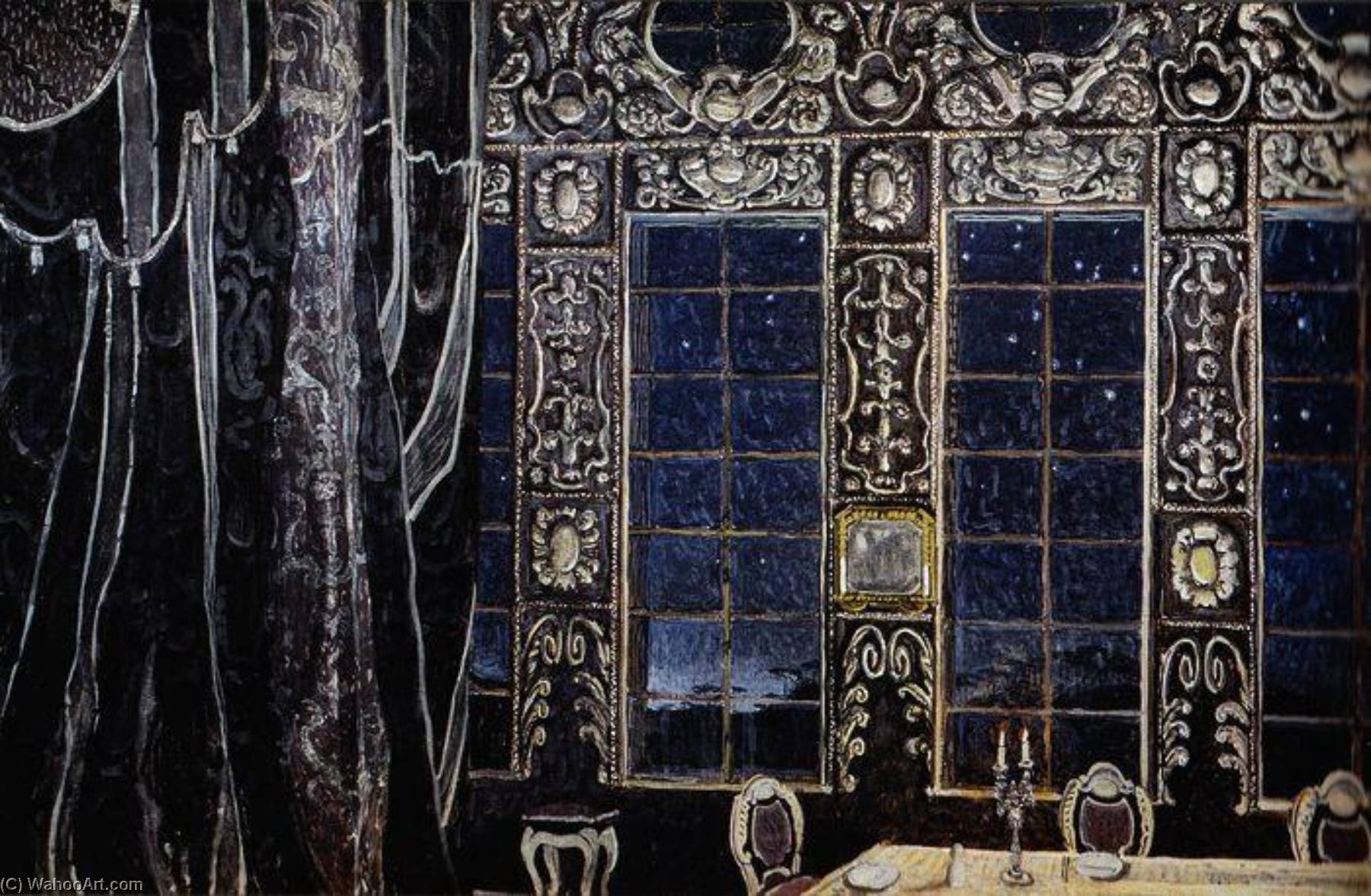
Dom Juan's Dining Room (also known as Set design for Act IV of Moliére's comedy Dom Juan )
 Read More
Hand Made Oil Reproduction
Hand-painted oil on canvas in your size and frame, made to order by our artists. ( Buy Print Buy Image)




P118B $10

P118H $10

P118W $10

P438Z $10

P508JH $12

P508YH $12

P805H $10

P805Z $10

P919BZ $10

P919G $10

P919XJ $10

P959ZH $10

P968JZ $12

W106C $8

W218G $10

W218JH $8

W218Y $10

W307PJ $10

W316G $10

W316PJ $8

W316Y $10

W398PJ $8

W4111J $10

W500HY $15

W500JH $15

W692G $12

W849H $8

W940BG $15

W953PJ $8




Pick from our preset sizes that match the artwork's original proportions.

You may enter your own dimensions to fit a specific frame or space. If your selected size does not match the original image's proportions, we will either crop the artwork or extend the painting with additional hand-painted elements. A digital mockup will be sent for your approval before production begins.
Please note that the on-screen preview does not reflect the actual cropping or extension. Only the mockup will accurately show the final composition.
While custom sizes are available, we recommend selecting a dimension from the predefined list to preserve the original proportions.
After order, ArtsDot.com team will email client for instructions and provide a mockup preview
Worldwide Delivery () in 3/4 weeks instead of standard 5 weeks. (16 August). No compromise on quality.

Free Worldwide Express Shipping

High-Quality Linen Canvas

Full Shipping Insurance

Customs Tax Refund Guarantee

True Color Matching Guarantee

60-Day Return Policy (Defects Only)

100% Money-Back Guarantee

Bulk Discount Offer
 Glass option is only available in size under 110 CM

Dom Juan's Dining Room (also known as Set design for Act IV of Moliére's comedy Dom Juan )
Reproduction Medium
Reproduction Size
-


Total Price
$ 263
Artwork Description
A Glimpse into Decadence: "Dom Juan's Dining Room" by Alexander Golovin
This captivating painting, “Dom Juan’s Dining Room (also known as Set design for Act IV of Molière’s comedy Dom Juan),” offers a fascinating window into the world of late 19th/early 20th-century theatrical design and Russian artistic sensibilities. Alexander Golovin, a pivotal figure in bridging Symbolism and Modernism within the Russian art scene, created this work as a set design for Molière’s iconic play *Dom Juan*. More than just a backdrop, it's a carefully constructed environment that speaks volumes about the characters and themes of the drama. The painting itself is a testament to Golovin’s skill in translating literary concepts into visual form, demonstrating his mastery of composition, color, and detail.Style & Technique: A Synthesis of Symbolism and Modernity
Golovin's style here isn't easily categorized; it represents a unique synthesis of artistic movements. While rooted in the Symbolist interest in atmosphere and suggestion, there’s also a nascent Modernist sensibility evident in the simplified forms and deliberate arrangement of objects. The painting utilizes a muted color palette – predominantly browns, creams, and deep reds – creating an air of opulence tinged with melancholy. The technique appears to be oil on canvas, allowing for rich layering and subtle gradations of tone that enhance the sense of depth and realism within this theatrical setting. Notice how Golovin uses light and shadow to highlight specific elements—the gleaming silverware, the ornate clock—drawing the viewer's eye to key details that contribute to the overall narrative.Historical Context & Theatrical Significance
The late 19th and early 20th centuries were a period of significant artistic experimentation in Russia. Golovin was at the forefront of this movement, working extensively with Diaghilev’s Ballets Russes and other prominent theatrical companies. *Dom Juan*, Molière's controversial play about a libertine nobleman, provided fertile ground for Golovin’s creative vision. This particular scene, Act IV, is crucial to the play's unfolding drama, often depicting a moment of uneasy truce or impending doom. Golovin’s set design wasn’t merely decorative; it actively participated in conveying the psychological tension and moral ambiguity inherent in Molière’s work. The dining room itself becomes a character—a stage for the characters' actions and reflections on morality.Symbolism & Emotional Impact
Beyond its aesthetic appeal, "Dom Juan's Dining Room" is rich with symbolic meaning. The lavishly set table, laden with food and drink, can be interpreted as a symbol of worldly indulgence and fleeting pleasure – hallmarks of Dom Juan’s lifestyle. The clock hanging prominently on the wall serves as a constant reminder of mortality and the consequences of one's actions. The carefully arranged chairs suggest a formal setting, yet their emptiness hints at isolation and the superficiality of social connections. The overall emotional impact is one of restrained elegance masking an underlying sense of unease and impending judgment. It evokes a feeling of decadent beauty tinged with melancholy, inviting viewers to contemplate the complexities of human nature and the consequences of unchecked desire.Acquire Your Own Reproduction
Bring the captivating atmosphere of Golovin’s “Dom Juan's Dining Room” into your space with a meticulously hand-painted reproduction. Our skilled artisans recreate every detail, capturing the original artwork’s nuance and emotional depth. Whether you are an art enthusiast, collector, or interior designer seeking to add a touch of theatrical sophistication to your home, this piece is sure to inspire conversation and admiration. Explore our collection and discover the timeless beauty of Golovin's masterpiece today!Related Artworks
Artist Biography
Aleksandr Golovin: Weaver of Dreams and Shadows
Aleksandr Yakovlevich Golovin (1863-1930) wasn’t merely a painter or stage designer; he was, as many contemporaries described him, a magician. A conjurer of atmosphere, a shaper of emotion through color and form, he possessed an almost preternatural ability to translate the intangible – myth, poetry, and the very essence of human experience – into visual spectacle. His legacy rests not just on a body of work, but on his profound impact on Russian theatre and art at the turn of the 20th century, a period marked by fervent experimentation and a yearning for a new, distinctly Russian aesthetic.
Born in Moscow to a priest, Golovin’s early life was steeped in intellectual and artistic ferment. He initially enrolled in architecture but quickly gravitated towards painting, finding his true calling in capturing the nuances of light and shadow, color and texture. This fascination with visual language would prove crucial as he transitioned into the demanding world of theatrical design. His formative years were spent studying under masters like Illarion Pryanishnikov and Vladimir Makovsky at the Moscow School of Painting, Sculpture and Architecture, absorbing their techniques while simultaneously forging his own unique style – one characterized by a rich palette, evocative symbolism, and an almost dreamlike quality.
The Theatre as Canvas
Golovin’s career truly blossomed within the vibrant theatrical circles of late 19th and early 20th century Russia. He quickly established himself as a sought-after designer for leading companies like the Imperial Theatres Company, collaborating with luminaries such as Constantin Stanislavski and Vsevolod Meyerhold. It was through these partnerships that he honed his craft, pushing the boundaries of what was possible on stage. His designs weren’t simply decorative; they were integral to the storytelling process, shaping the audience's perception of the play and enhancing its emotional impact.
His most celebrated work undoubtedly lies in his collaborations with Sergei Diaghilev and the Ballets Russes. Diaghilev, a revolutionary impresario who sought to elevate Russian ballet to international prominence, recognized Golovin’s extraordinary talent and brought him into his inner circle. The productions for the “Russian Seasons” in Paris – including *The Firebird*, *Scheherazade*, and *Les Sylphides* – were not just spectacles of dazzling choreography; they were immersive experiences crafted by Golovin's masterful designs. He created settings that felt both fantastical and deeply rooted in Russian folklore, employing a rich tapestry of color, texture, and symbolic imagery to transport the audience to another world.
Symbolism and Modernism
Golovin’s artistic vision was profoundly influenced by Symbolism, a late 19th-century movement that sought to express ideas through evocative imagery rather than literal representation. However, he skillfully blended this symbolic approach with elements of Modernism, embracing new techniques and materials to create designs that were both visually arresting and conceptually innovative. His use of color, in particular, was remarkable – he employed a vibrant palette of hues, often layering them to create complex visual effects. He frequently incorporated geometric shapes and stylized forms into his sets, reflecting the growing influence of Cubism and other avant-garde movements.
Consider, for example, his set design for Molière’s *Dom Juan*. The dining room isn't merely a backdrop; it’s a carefully constructed illusion, brimming with symbolic details that hint at the play’s themes of seduction, morality, and deception. The opulent furnishings, the flickering candlelight, and the strategically placed objects all contribute to an atmosphere of decadent pleasure and impending doom. Similarly, his work on Stanislavski's *Marriage of Figaro* demonstrated a masterful understanding of theatrical space and character development, utilizing a revolve to create dynamic transitions between scenes and highlighting key moments in the drama.
Legacy and Influence
Aleksandr Golovin’s impact on Russian theatre and art is undeniable. He helped to establish a new aesthetic standard for stage design, demonstrating that sets could be more than just functional props; they could be integral components of the theatrical experience. His work influenced generations of designers who followed in his footsteps, shaping the visual language of Russian theatre for decades to come. His legacy extends beyond specific productions; he embodied a spirit of artistic innovation and a deep commitment to exploring the expressive potential of visual art.
Despite facing challenges during the turbulent years following the Bolshevik Revolution, Golovin continued to work as a painter and graphic artist, leaving behind a rich body of work that continues to captivate audiences today. His paintings – often characterized by their luminous colors and evocative symbolism – offer a glimpse into the inner world of this extraordinary artist, revealing his enduring fascination with beauty, myth, and the human condition.
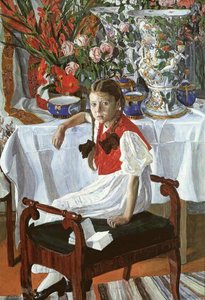
alexander golovin
1863 - 1930
Quick Facts
- Artistic Movement Or Style: Symbolism, Modernism
- Artists Or Movements Influenced By This Artist:
- Stanislavski designs
- Meyerhold collaborations
- Artists Who Influenced This Artist:
- Konstantin Korovin
- Vasily Polenov
- Date Of Birth: 1 March 1863
- Date Of Death: 17 April 1930
- Full Name: Aleksandr Yakovlevich Golovin
- Nationality: Russian
- Notable Artworks:
- Dom Juan's Dining Room
- Flowers
- Portrait of Golovin
- Place Of Birth: Moscow, Russia
Related Articles
Cultivating Ambiance: Selecting Art Reproductions for the Dining Room – A Historical & Aesthetic Guide
Elevate your dining room with expertly curated art reproductions! Explore historical context, aesthetic considerations & modern applications for a captivating space. Discover the perfect artwork to inspire conversation and enhance every meal.
Visual Gastronomy: Curating Art Experiences Across Dining Zones – A Tasting Menu Approach to Bar, Lounge & Restaurant Design
Elevate your dining space with art! Discover how strategic curation & bespoke commissions transform bars, lounges & restaurants into immersive experiences. Expert insights for hotel designers & commercial projects.
The Palate and the Palette: Exploring the Psychological Impact of Visual Design on Dining Perception and Appetite
Explore the science of dining! Discover how visual design impacts appetite & perception. Expert insights for hotel designers & restaurateurs to elevate the customer experience.
Aesthetic Gastronomy: The Role of Curated Art Collections in Shaping Perceptions of Michelin-Starred Dining Experiences
Discover how curated art collections elevate Michelin-starred dining experiences. Expert insights on sensory branding, emotional intelligence & ROI for luxury restaurants and hotels. Transform your space with ArtsDot.
Atmospheric Resonance: Art as Narrative Catalyst in Contemporary Restaurant Design
Elevate your restaurant's atmosphere & brand with strategic art integration. Discover how curated artwork transforms dining experiences, enhances guest perception, and drives revenue. Expert insights for luxury hospitality.