 Preview
 Send
Send Share
Share
 Details

 Download
 Similars
 X-Ray
X-Ray Diaporama
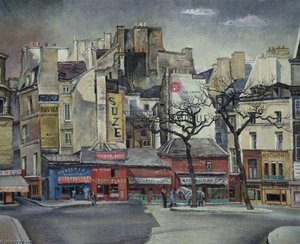
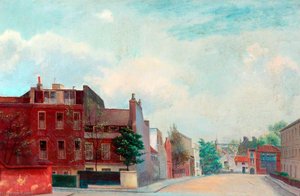
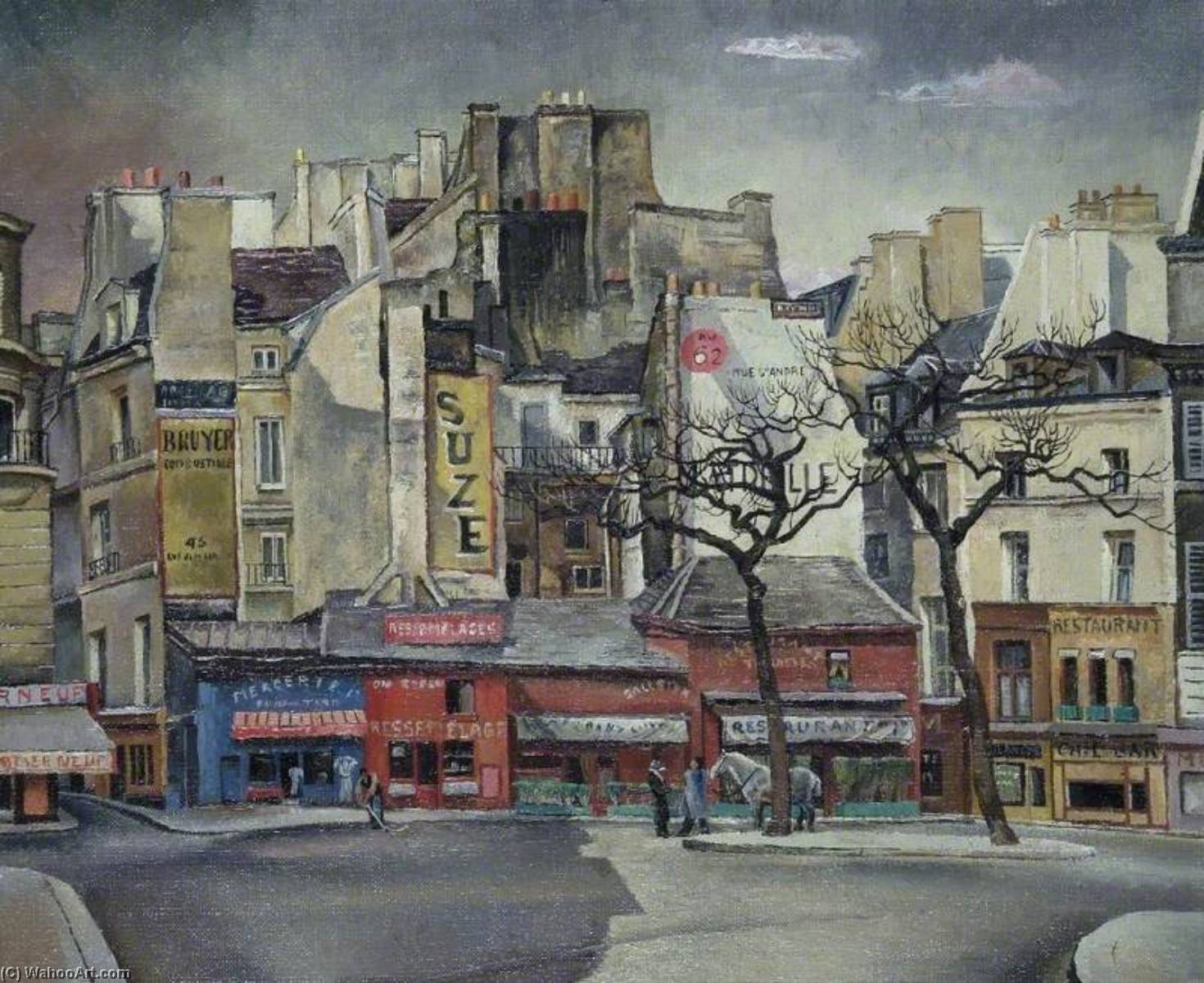
Street Scene, Paris, France


 Read More
Hand Made Oil Reproduction
Hand-painted oil on canvas in your size and frame, made to order by our artists. ( Buy Print Buy Image)




P118B $10

P118H $10

P118W $10

P438Z $10

P508JH $12

P508YH $12

P805H $10

P805Z $10

P919BZ $10

P919G $10

P919XJ $10

P959ZH $10

P968JZ $12

W106C $8

W218G $10

W218JH $8

W218Y $10

W307PJ $10

W316G $10

W316PJ $8

W316Y $10

W398PJ $8

W4111J $10

W500HY $15

W500JH $15

W692G $12

W849H $8

W940BG $15

W953PJ $8




Pick from our preset sizes that match the artwork's original proportions.

You may enter your own dimensions to fit a specific frame or space. If your selected size does not match the original image's proportions, we will either crop the artwork or extend the painting with additional hand-painted elements. A digital mockup will be sent for your approval before production begins.
Please note that the on-screen preview does not reflect the actual cropping or extension. Only the mockup will accurately show the final composition.
While custom sizes are available, we recommend selecting a dimension from the predefined list to preserve the original proportions.
After order, ArtsDot.com team will email client for instructions and provide a mockup preview
Worldwide Delivery () in 3/4 weeks instead of standard 5 weeks. (26 August). No compromise on quality.

Free Worldwide Express Shipping

High-Quality Linen Canvas

Full Shipping Insurance

Customs Tax Refund Guarantee

True Color Matching Guarantee

60-Day Return Policy (Defects Only)

100% Money-Back Guarantee

Bulk Discount Offer
 Glass option is only available in size under 110 CM

Street Scene, Paris, France
Reproduction Medium
Reproduction Size
-


Total Price
$ 263
Artwork Description
A Glimpse into Urban Life
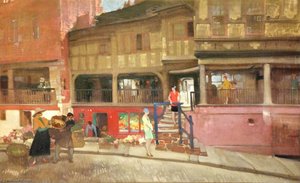
The painting showcases a bustling city street scene, with tall buildings surrounding the area. A group of people are seen walking down the sidewalk, some carrying handbags, while various shops line the street, including a grocery store and a restaurant. A clock on one of the buildings indicates the time for passersby, adding to the sense of daily life. Key elements of the painting include the use of warm colors, which evoke a sense of comfort and familiarity, and the attention to detail in the depiction of the street scene. The artist's ability to capture the essence of urban life is reminiscent of other notable works, such as Edvard Munch's Military Music on Karl Johan Gate, which can be found on ArtsDot.com.Artistic Style and Influences
Sine Mackinnon's style is characterized by a mix of realism and impressionism, which is evident in the Street Scene, Paris, France. The use of bold brushstrokes and vivid colors creates a dynamic atmosphere, drawing the viewer into the scene. For more information on Sine Mackinnon's work, visit ArtsDot.com.- Other notable artists, such as Salomon Van Ruysdael and Alfred Stevens, have also explored urban landscapes in their work.
- For a deeper understanding of the art world, explore the collections at Schloss Sanssouci on ArtsDot.com.
The Street Scene, Paris, France by Sine Mackinnon is a remarkable piece that offers a glimpse into the past, showcasing the beauty of urban life in a bygone era. As a handmade oil painting reproduction, it can be appreciated and enjoyed in any setting, serving as a reminder of the power of art to capture and convey the essence of human experience.
Related Artworks
Artist Biography
The Ethereal Landscapes of Sine MacKinnon
Sine MacKinnon (1901–1996) remains a luminous figure in the tapestry of twentieth-century British and Irish art, a painter whose brush bridged the gap between the tangible beauty of the natural world and the enigmatic depths of the subconscious. Born Selina Mairi MacKinnon in Newcastle, County Down, her origins were rooted in a lineage of legal distinction, yet her spirit was irrevocably drawn to the interplay of light and shadow. Her early years provided a foundation of meticulous observation, a trait that would later allow her to capture the delicate textures of the Irish countryside with unparalleled sensitivity. As she matured, her work evolved from mere representation into a profound dialogue between Impressionistic warmth and the haunting, dreamlike qualities of Surrealism.
The trajectory of MacKinnon’s artistry was fundamentally shaped by her time at the prestigious Slade School of Fine Art between 1918 and 1924. Under the rigorous mentorship of Henry Tonks, she mastered a humanist approach to painting that prioritized emotional resonance alongside technical precision. This period of formal training instilled in her a disciplined command over medium and composition, yet it was her subsequent exposure to the vibrant, avant-garde atmosphere of Paris in the late 1920s that truly unlocked her creative potential. Immersed in a milieu where luminaries like Matisse and Dufy were redefining the boundaries of modernism, MacKinnon began to infuse her landscapes with a new, symbolic vocabulary. The bustling energy of urban life, as seen in works such as Street Scene, Paris, France, showcased her ability to capture the rhythmic pulse of the city through bold brushstrokes and vivid, emotive colors.
A Fusion of Impressionism and Surrealist Vision
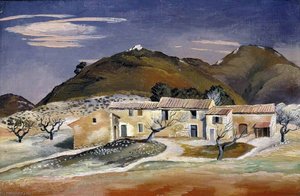
What distinguishes MacKinnon’s oeuvre is the seamless way she integrated the light-drenched palettes of Impressionism with the unsettling, dreamlike juxtapositions characteristic of the Surrealist movement. This stylistic duality allowed her to explore landscapes that felt simultaneously familiar and otherworldly. Her celebrated masterpiece, Farm Buildings in Provence (1934), serves as a definitive testament to this fusion; it captures the sun-soaked essence of the French countryside while subtly probing the subconscious through its conceptual depth. The acquisition of such works by institutions like the Tate Gallery cemented her reputation as a significant voice in British watercolor and oil painting, marking her as an artist capable of distilling the very soul of a place.
Throughout her long and prolific career, MacKinnon’s heart remained tethered to the landscapes of Ireland, particularly the evocative vistas of Galway. She possessed a rare ability to return to familiar subjects—a quiet meadow, a weathered stone wall, or a distant hill—and reveal them through fresh, transformative perspectives. Her technique often involved:
- Meticulous Observation: A dedication to capturing the precise botanical and geological details of the Irish terrain.
- Luminous Color Palettes: The use of warm, inviting tones to evoke a sense of nostalgia and tranquility.
- Symbolic Depth: The subtle introduction of dreamlike elements that invite viewers to look beyond the surface of the landscape.
Legacy and Historical Significance
The historical significance of Sine MacKinnon lies in her refusal to be confined by a single movement. While many of her contemporaries chose between the realism of tradition and the abstraction of the new, MacKinnon found a middle ground where memory and reality could coexist. Her work serves as a visual bridge between eras, reflecting the shifting cultural consciousness of the early to mid-twentieth century. Even as she navigated the complexities of a world transformed by war and social change, her commitment to capturing the enduring beauty of the earth remained steadfast.
Today, MacKinnon’s paintings are cherished not only for their aesthetic grace but for their ability to transport the viewer into a realm where the landscape becomes a mirror for the human spirit. Her legacy continues to inspire those who seek to find the extraordinary within the ordinary, proving that even the most tranquil scene can hold the keys to a much deeper, more mysterious world.
sine mackinnon
1901 - 1996
Quick Facts
- Artistic Movement Or Style: Landscape Painting
- Artists Or Movements Influenced By This Artist: ['British Watercolorist']
- Artists Who Influenced This Artist: ['Henry Tonks']
- Date Of Birth: February 11, 1901
- Date Of Death: 1996
- Full Name: Sine MacKinnon
- Nationality: Irish
- Notable Artworks:
- Farm Buildings in Provence
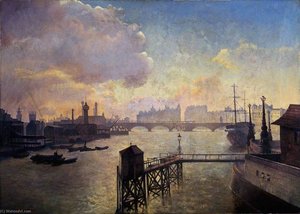
- Waterloo Bridge
- Place Of Birth: Newcastle, County Down, Ireland
Related Articles

The Enduring Legacy of Oil on Canvas: Technique, History & Aesthetic Impact
Explore the rich history & techniques of oil painting – from Renaissance masters to Impressionism. Discover pigments, layering methods, and why this timeless medium endures. Expert insights for artists & art enthusiasts.

Oil on Canvas: A Historical & Technical Exploration of a Timeless Artistic Medium
Explore the rich history & enduring techniques of oil painting on canvas. Discover the science behind its longevity, conservation practices, and contemporary relevance. Expert insights for art enthusiasts.

The Enduring Power of Painting: A Historical & Contemporary Exploration of Form and Emotion
Explore the rich history & enduring techniques of oil painting with ArtsDot. Discover masterpieces, learn about art collecting, and find authentic handmade reproductions crafted by skilled artists.

The Enduring Legacy of Oil on Canvas: Technique, History & Contemporary Practice
Explore the rich history & enduring techniques of oil painting on canvas. Discover the science behind its longevity, conservation practices, and contemporary relevance. Expert insights for art enthusiasts.

Turn Your Digital Art Into Hand‑Painted Oil Masterpieces—Earn Big on Every Sale and Build an Enduring Legacy
Transform your NFT collection into hand‑painted oil masterpieces with ArtsDot’s expert artisans. Enjoy museum‑grade quality, free worldwide shipping, and a 100% satisfaction guarantee—turn digital art into a lasting legacy that earns you real value.