 Preview
 Send
Send Share
Share
 Details

 Download
 Similars
 X-Ray
X-Ray Diaporama
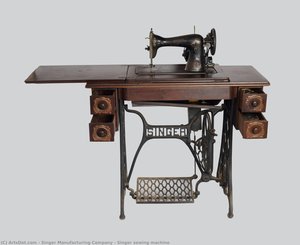
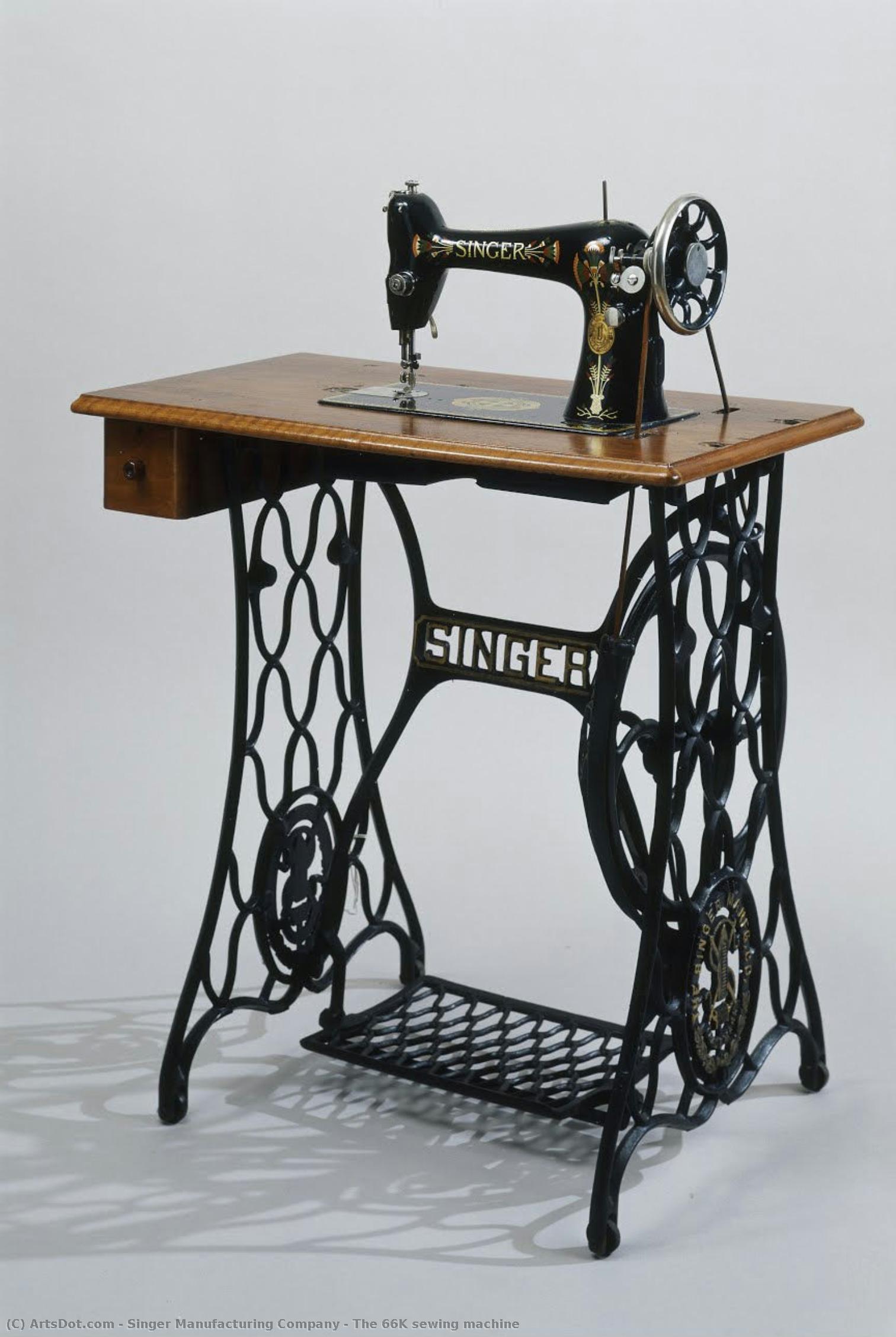
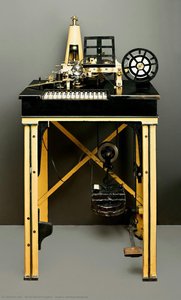
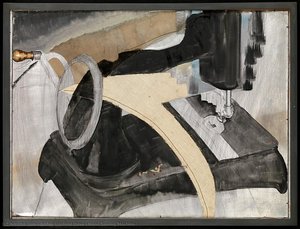
The 66K sewing machine


 Read More
Purchase a high-resolution, enhanced digital image, far superior to the online preview.
Each file is meticulously prepared by our in-house specialists using advanced tools and expert manual retouching. We ensure every image has exceptional clarity, precise color accuracy, and fine detail.
The final file is delivered via email within 72 hours, optimized for immediate use in professional, editorial, and print environments. This is the same quality trusted by top-tier design studios, publishers, and galleries.
Digital Image
Download a high-resolution file for personal display, printing, and creative projects. ( Buy Print Buy Hand Made Painting)
Included in Every Digital Image Order
Expert Digital Delivery, Guaranteed
When you choose ArtsDot.com, you're not just getting an image - you're receiving a professionally enhanced digital artwork, crafted with precision and backed by a satisfaction guarantee. Here's everything that comes with your order, automatically:

Fast Email Delivery
Your high-resolution digital image file will be emailed to you within 72 hours of ordering - ready for immediate use.

AI-Enhanced Digital File
Your artwork is professionally optimized using advanced AI tools and manual editing, ensuring maximum detail, clarity, and color accuracy.

Free Lifetime Re-Delivery
Accidentally deleted or lost your file? No worries - we'll resend it to you anytime, free of charge.

No Import Fees - Ever
Enjoy your artwork instantly with zero customs, duties, or delivery fees - digital downloads are always tax-free.

Color Accuracy Guarantee
We ensure your digital image reflects the original colors as closely as possible using professional tools and color management.

60-Day Satisfaction Guarantee
If you're not satisfied with your digital image, we'll revise it or refund 100% within 60 days - no questions asked.

100% Money-Back Guarantee
Not satisfied? Get a full refund within 60 days of receiving your digital file - no questions asked.

Bulk Order Discounts
Buy 3 images, save 10% - Buy 5, save 15% - Buy 10+, save 20%. Great for creative projects, galleries, and agencies.
Collectible Description
Related Artworks

Artist Biography
The Unexpected Canvas: The Singer Manufacturing Company and the Rise of Industrial Art
It seems paradoxical to consider a sewing machine manufacturer as an artist, yet the Singer Manufacturing Company, born in 1851 from Isaac Merritt Singer’s inventive mind, transcended its purely mechanical origins to become a surprising force in Victorian decorative arts. The story isn't one of individual artistic expression, but rather of corporate branding and the deliberate elevation of a utilitarian object into a symbol of domesticity, progress, and even beauty. Initially facing fierce competition, Singer understood that simply producing a superior machine wasn’t enough; they needed to cultivate an image, a desirability that extended beyond functionality. This realization led them down a path of lavish ornamentation, innovative marketing, and ultimately, the commissioning of art that celebrated their product and the lives it touched.From Practical Invention to Ornamental Icon
The early Singer sewing machines were far from aesthetically refined. They were robust, reliable tools designed for efficiency. However, as the company gained prominence, a shift occurred. Recognizing the importance of appealing to the burgeoning middle class – particularly women who were becoming the primary purchasers and users of these machines – Singer began adorning their products with intricate designs. The cast iron frames became canvases for floral motifs, geometric patterns, and even gilded embellishments. This wasn’t merely superficial decoration; it was a strategic move to transform the sewing machine from an industrial necessity into a desirable household object, a status symbol reflecting a family's prosperity and refinement. The company didn’t limit itself to the machines themselves. They produced elaborate cabinets, often crafted from exotic woods like rosewood and walnut, further enhancing the sense of luxury. This marked a turning point: Singer wasn’t just selling sewing machines; they were selling an aspirational lifestyle.Marketing Masterpieces: The Power of Visual Culture
Singer's commitment to art extended beyond the product itself and into their advertising campaigns. They pioneered innovative marketing techniques, utilizing a vast network of showrooms and catalogs filled with stunning imagery. The company commissioned paintings and illustrations depicting idyllic scenes of domestic life centered around the Singer sewing machine. These weren’t simply advertisements; they were carefully constructed narratives that associated the machine with happiness, family harmony, and female empowerment. Artists were employed to portray women not as burdened laborers, but as creative individuals empowered by technology. The iconic “Singer Girl” – a beautiful woman confidently operating a Singer machine – became a ubiquitous image in Victorian advertising, solidifying the brand’s association with modern femininity. They also utilized trade cards featuring artwork and poetry, distributed widely to promote their products and build brand recognition.Influences and Legacy: A Reflection of the Victorian Era
The artistic style employed by Singer was deeply rooted in the aesthetic sensibilities of the Victorian era. The ornate designs drew heavily from Rococo Revival and Aesthetic Movement influences, characterized by flowing lines, naturalistic motifs, and a penchant for decorative excess. The company’s marketing materials also reflected the prevailing social values of the time – emphasizing domesticity, family, and the idealized role of women. While not directly employing renowned artists in the same way as patrons of the Renaissance, Singer fostered a network of commercial artists who contributed significantly to the visual culture of the period.- The emphasis on ornamentation reflected the Victorian desire for beauty and refinement.
- The portrayal of women aligned with contemporary ideals of femininity and domesticity.
- The use of mass-produced imagery democratized access to art, bringing decorative aesthetics into middle-class homes.