 Preview
 Send
Send Share
Share
 Details

 Download
 Similars
 X-Ray
X-Ray Diaporama
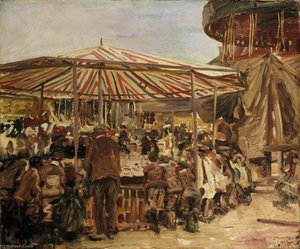
The Last of the Fair
 Oil On Canvas
- WallArt
- Impressionistic Landscape
 1903
1903 94.0 x 115.0 cm
 Harris Museum - Art Gallery
 Read More
Giclée / Art Print
Museum-quality giclée or canvas print with fast production and flexible finish options. ( Buy Hand Made Painting Buy Image)




P118B $10

P118H $10

P118W $10

P438Z $10

P508JH $12

P508YH $12

P805H $10

P805Z $10

P919BZ $10

P919G $10

P919XJ $10

P959ZH $10

P968JZ $12

W106C $8

W218G $10

W218JH $8

W218Y $10

W307PJ $10

W316G $10

W316PJ $8

W316Y $10

W398PJ $8

W4111J $10

W500HY $15

W500JH $15

W692G $12

W849H $8

W940BG $15

W953PJ $8




Pick from our preset sizes that match the artwork's original proportions.

You may enter your own dimensions to fit a specific frame or space. If your selected size does not match the original image's proportions, we will either crop the artwork or extend the image with a mirrored or solid-fill edge. A digital mockup will be sent for your approval before production begins.
Please note that the on-screen preview does not reflect the actual cropping or extension. Only the mockup will accurately show the final composition.
While custom sizes are available, we recommend selecting a dimension from the predefined list to preserve the original proportions.
Worldwide Delivery () in 2 weeks instead of standard 4/5 weeks. (24 August)

Free Worldwide Express Shipping

High-Quality Linen Canvas

Full Shipping Insurance

Customs Tax Refund Guarantee

True Color Matching Guarantee

60-Day Return Policy (Defects Only)

100% Money-Back Guarantee

Bulk Discount Offer
 Glass option is only available in size under 110 CM

The Last of the Fair
Giclée / Art Print
Reproduction Size
-


Total Price
$ 63
Collectible Description
The Last of the Fair: A Winter’s Embrace by Alfred Munnings
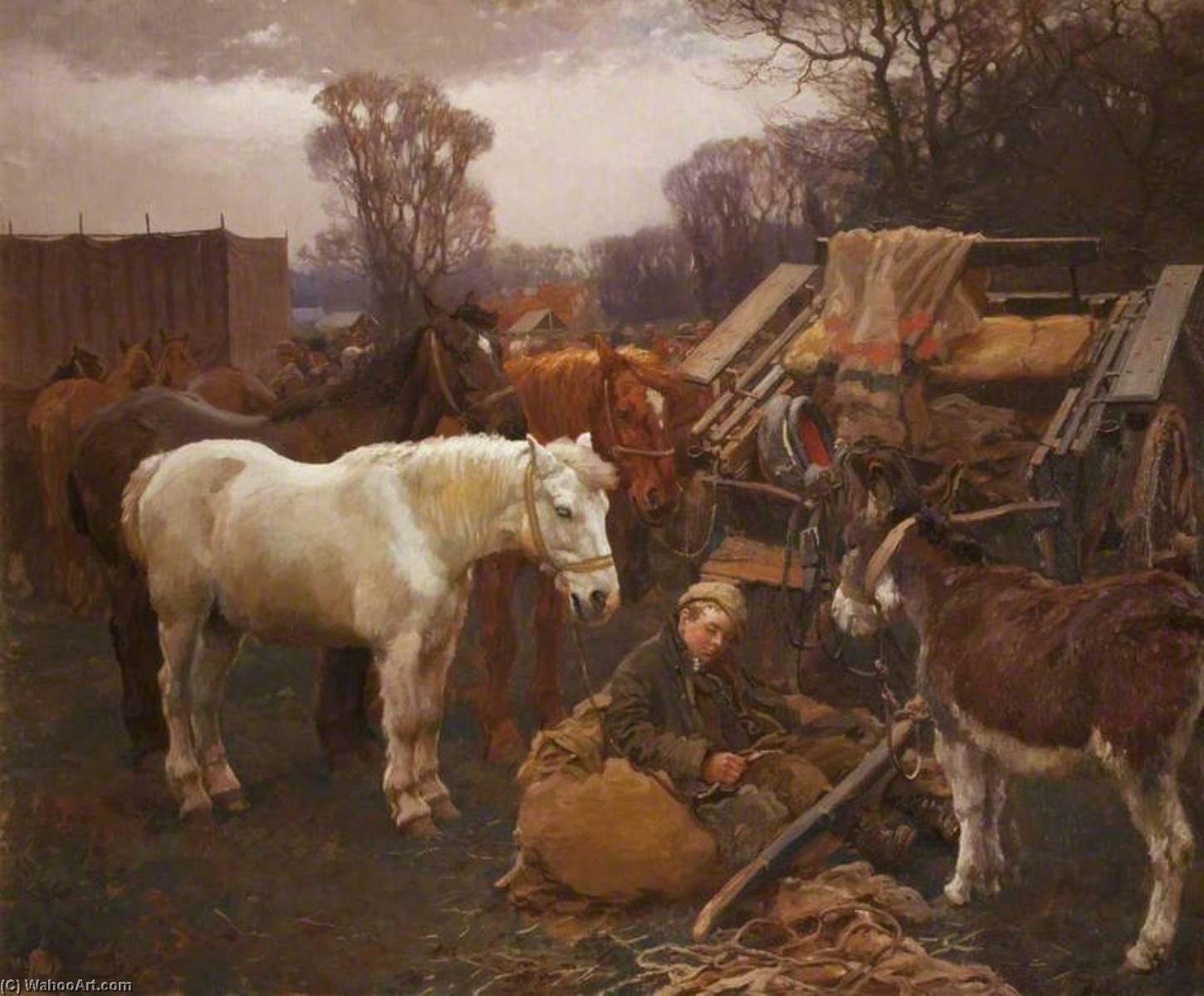
Alfred James Munnings' "The Last of the Fair," painted in 1903, isn’t merely a depiction of a rural winter scene; it’s a poignant distillation of a vanishing way of life – a fleeting moment captured before the relentless march of modernity irrevocably altered the landscape of England. The painting immediately draws the eye to its central figure: a young boy, likely Jimmy Betts as identified by Munnings himself, slumped against a horse-drawn carriage, his face etched with exhaustion and contentment. He’s not actively participating in the bustling fair; instead, he embodies the quiet dignity of observation, a silent witness to the vibrant activity swirling around him. The scene unfolds within a meticulously rendered winter landscape – a snow-dusted field dotted with the remnants of a horse fair, its tents and stalls now deserted, suggesting the day’s energetic conclusion.
Munnings' signature style is powerfully evident here: an intensely realistic yet deeply impressionistic approach. He masterfully employs short, broken brushstrokes to convey the texture of the snow, the rough wool of the boy’s clothing, and the weathered surfaces of the horse-drawn carriages. The color palette is restrained – muted blues, greys, and browns dominate, punctuated by flashes of warm ochre and crimson from the remaining fair paraphernalia. This deliberate use of color contributes to a sense of quiet melancholy, emphasizing the transient nature of the event and the boy’s solitary state. Munnings wasn't interested in grand spectacle; he sought instead to capture the essence of a specific moment, imbued with atmosphere and emotion.
A Window into Rural England
To fully appreciate "The Last of the Fair," it’s crucial to understand its historical context. At the turn of the 20th century, rural life in England was undergoing profound transformation. The rise of industrialization, urbanization, and agricultural advancements were steadily eroding traditional farming practices and displacing countless families. Munnings, deeply rooted in the Suffolk countryside, felt a strong sense of urgency to document this disappearing world before it vanished entirely. His paintings became powerful testaments to a bygone era – a romanticized yet undeniably authentic portrayal of rural life, hunting traditions, and the close relationship between people and their horses.
The horse fair itself was a significant social event in East Anglia, offering farmers an opportunity to sell livestock, trade goods, and socialize. Munnings frequently depicted these fairs, capturing not just the visual spectacle but also the underlying sense of community and shared experience. The inclusion of the cows – one grazing peacefully near the right side of the canvas, another further back – adds a layer of domesticity to the scene, grounding it in the everyday rhythms of rural life. The presence of these animals underscores the central role they played in the lives of those who lived and worked on the land.
Symbolism and Emotional Resonance
Beyond its straightforward depiction of a winter fair, "The Last of the Fair" is rich with symbolic meaning. The boy’s posture – slumped against the carriage, seemingly lost in thought – suggests a sense of loneliness and isolation amidst the bustling activity. He represents the younger generation, perhaps already disconnected from the traditions of his elders. His quiet contemplation invites us to consider the loss of innocence and the inevitable passage of time. The painting's title itself reinforces this theme—"the last," implying that this particular moment is a final glimpse into a fading world.
Furthermore, the painting’s muted color palette and somber mood evoke a feeling of nostalgia – a wistful longing for a simpler past. Munnings wasn’t simply recording a scene; he was conveying an emotional response to it. The overall effect is profoundly moving, prompting viewers to reflect on the beauty and fragility of rural England and the enduring power of memory.
Technical Details & Reproduction
“The Last of the Fair” measures 94 x 115 cm (37 x 45 inches) and was executed in oil on canvas. Munnings’s masterful use of impasto – applying paint thickly to create texture and depth – is particularly evident in the depiction of the snow and the horse-drawn carriages. The painting's rich, layered surface invites close examination, revealing the artist’s meticulous attention to detail and his expressive brushwork. High-quality reproductions capture much of this tactile quality, allowing viewers to appreciate Munnings’s remarkable technique.
Reproductions of “The Last of the Fair” are available in a variety of sizes and formats, making it accessible for both private collectors and interior designers seeking to infuse their spaces with a touch of timeless British charm. Whether displayed as a statement piece or incorporated into a more subtle composition, this painting’s evocative imagery and emotional resonance will undoubtedly captivate viewers for generations to come.
Related Artworks
Artist Biography
A Life Immersed in Equine Grace
Sir Alfred James Munnings, a name inextricably linked to the vibrant depiction of horses and the romantic allure of rural England, occupies a pivotal position within 20th-century British art. Born in 1878 amidst the rolling landscapes of Suffolk, his life was profoundly shaped by an enduring connection with the equine world – a bond that would define his artistic vision and propel him to prominence. Munnings wasn’t simply recording what he saw; he was preserving a feeling, an atmosphere, a world poised on the brink of irreversible change. He captured a vanishing way of life, a keenly observed portrait of Britain steeped in tradition, hunting, and the rhythms of the countryside.
From Rural Beginnings to Artistic Development
Munnings’s artistic journey began not within the formal confines of an academy, but in the practical world of a Norwich printing house. This apprenticeship honed his skills in design and observation while simultaneously allowing him to pursue studies at the Norwich School of Art. It was a formative period, instilling a discipline that would serve him well as he navigated the challenges of establishing himself as an artist. Early influences included the plein air painters of the Newlyn School in Cornwall, where he embraced their commitment to capturing light and atmosphere directly from nature. This immersion in Impressionistic techniques laid the groundwork for his signature style – loose brushwork, a vibrant palette, and a palpable sense of movement. His early works often depicted rural scenes, particularly those featuring gypsies and horses roaming the Suffolk countryside, imbued with a romantic sensibility that showcased his growing mastery of color and light. These paintings weren’t merely representations; they were expressions of a deep affection for the land and its inhabitants.
War, Recognition, and a Champion of Tradition
The First World War profoundly shaped both Munnings's artistic perspective and his public profile. Though initially deemed unfit for combat, he served as an official war artist with the Canadian Cavalry Brigade, documenting the vital role horses played in the conflict. This experience brought him face-to-face with the harsh realities of war – the suffering, the loss, and the enduring bond between humans and animals. His paintings from this period are not glorifications of battle, but poignant reflections on sacrifice and resilience, capturing a somber beauty amidst devastation. The post-war years witnessed a surge in Munnings’s popularity and financial security. Prestigious commissions poured in, allowing him to acquire Castle House in Dedham, Essex – a property that would become both his home and studio for the remainder of his life. He became a sought-after portraitist, capturing the likenesses of prominent figures from the aristocracy and racing world. His ability to convey not only physical resemblance but also character and spirit cemented his reputation as one of Britain’s leading artists. However, Munnings was also a staunch defender of traditional artistic values.
A Controversial Voice and Enduring Legacy
Munnings's artistic philosophy was deeply rooted in tradition, and he became a vocal critic of the burgeoning modernist movements that were challenging conventional notions of art. His famous – and often controversial – 1949 BBC radio broadcast saw him launch a scathing attack on Cubism and Surrealism, delivered with characteristic candor (and reportedly fueled by alcohol). While his remarks sparked outrage among proponents of modern art, they also resonated with those who valued representational painting and the enduring power of artistic skill. He wasn’t simply resisting change for its own sake; he believed in the importance of preserving artistic standards and celebrating beauty in its traditional forms. This conviction culminated in his election as President of the Royal Academy in 1944, a position he held until 1949, solidifying his status within the British art establishment. He was knighted Bachelor in 1944 and appointed a Knight Commander of the Royal Victorian Order in 1947, further acknowledging his contributions to the nation’s cultural life. Sir Alfred James Munnings left behind a vast and compelling body of work that continues to captivate audiences today. His paintings offer a window into a bygone era – a world of horses, hunting, and rural landscapes that has largely disappeared. The Munnings Art Museum, established by his wife Violet at Castle House, serves as a testament to his enduring legacy, preserving his art and providing a space for future generations to appreciate his unique vision. Beyond the technical brilliance of his paintings, it is Munnings’s ability to evoke emotion that truly sets him apart. He captured not just the physical beauty of horses, but also their spirit, their power, and their connection to the human heart. His work remains a powerful reminder of the enduring appeal of representational painting and the importance of preserving artistic traditions in an ever-changing world.
Major Achievements
- Royal Academy President: Elected President of the Royal Academy in 1944, serving until 1949.
- Knighthood: Knighted Bachelor in 1944 and appointed a Knight Commander of the Royal Victorian Order in 1947.
- War Artist Commissions: Recognized for his work documenting the Canadian Cavalry during WWI.
- Sculptural Work: Created sculptures, including an equestrian statue of Edward Horner.
His legacy endures not only through his masterful paintings but also as a passionate advocate for artistic tradition in a rapidly modernizing world.
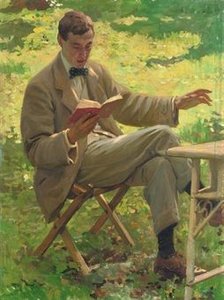
Sir Alfred James Munnings
1878 - 1959 , United Kingdom
Quick Facts
- Artistic Movement Or Style: Impressionism
- Artists Who Influenced This Artist: ['Newlyn School painters']
- Date Of Birth: 1878
- Date Of Death: 1959
- Full Name: Sir Alfred James Munnings
- Nationality: British
- Notable Artworks:
- The Fancy Dress Ball
- A Piper
- Sky Study -
- Place Of Birth: Mendham, UK
Related Articles

Sir Alfred Munnings' Masterpieces: 25 Paintings That Define Equine Art | ArtsDot
Explore 25 iconic Sir Alfred Munnings paintings! Discover the beauty of British Impressionism, equine art & rural England. Find museum-quality reproductions and elevate your home decor with ArtsDot. Explore the full collection online.
Whistler's Masterpieces: Explore 25 Iconic Paintings & Aesthetic Art for Your Home
Journey through 25 iconic James Abbott McNeill Whistler paintings! Explore his masterpieces of Aestheticism, from 'Nocturne in Black and Gold' to captivating portraits. Find museum-quality art reproductions & elevate your home decor with ArtsDot.com. Discover the full collection online.
The Noble Steed on Canvas: A Historical & Artistic Exploration of Horse Painting Across Cultures
Explore the rich history of horse painting! Discover masterpieces from Stubbs to Munnings & learn about symbolism, techniques & artists. Find museum-quality reproductions at ArtsDot.
Alfred I. Glendening: Capturing Rural England's Poetic Essence
Explore the captivating rural landscapes of Alfred I. Glendening, a master of British sporting paintings. Discover his life, artistic style, and place within the American Regionalist movement. Expert insights & high-quality reproductions at ArtsDot.
The Noble Steed: A Historical and Artistic Exploration of Horses in Fine Art
Explore the rich history of horses in fine art! From ancient depictions to Renaissance masterpieces & beyond, discover iconic artworks and artists. Learn about symbolism, techniques, and find museum-quality reproductions at ArtsDot.