 Preview
 Send
Send Share
Share
 Details

 Download
 Similars
 X-Ray
X-Ray Diaporama
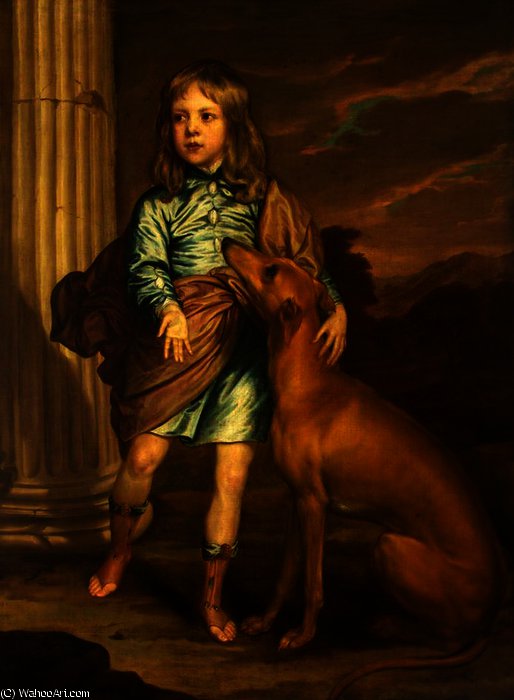
A Noble Child with a Greyhound

 Read More
Hand Made Oil Reproduction
Hand-painted oil on canvas in your size and frame, made to order by our artists. ( Buy Print Buy Image)




































Pick from our preset sizes that match the artwork's original proportions.

You may enter your own dimensions to fit a specific frame or space. If your selected size does not match the original image's proportions, we will either crop the artwork or extend the painting with additional hand-painted elements. A digital mockup will be sent for your approval before production begins.
Please note that the on-screen preview does not reflect the actual cropping or extension. Only the mockup will accurately show the final composition.
While custom sizes are available, we recommend selecting a dimension from the predefined list to preserve the original proportions.
After order, ArtsDot.com team will email client for instructions and provide a mockup preview
Worldwide Delivery () in 3/4 weeks instead of standard 5 weeks. (17 August). No compromise on quality.

Free Worldwide Express Shipping

High-Quality Linen Canvas

Full Shipping Insurance

Customs Tax Refund Guarantee

True Color Matching Guarantee

60-Day Return Policy (Defects Only)

100% Money-Back Guarantee

Bulk Discount Offer
 Glass option is only available in size under 110 CM

A Noble Child with a Greyhound
Reproduction Medium
Reproduction Size
-


Total Price
$ 263
Artwork Description
A Glimpse into Nobility: "A Noble Child with a Greyhound" by Anthony van Dyck
This captivating oil painting, “A Noble Child with a Greyhound,” offers an intimate portrait of youthful privilege and companionship during the height of the Baroque era. Created by the renowned Flemish artist Anthony van Dyck, the artwork presents a young boy standing alongside a loyal greyhound against a dramatically shadowed backdrop. The composition is meticulously balanced, drawing the viewer’s eye to the central figures while utilizing atmospheric perspective to create depth and a sense of quiet grandeur. This piece exemplifies Van Dyck's mastery of portraiture and his ability to convey both social status and emotional connection.Baroque Realism and Dramatic Lighting
Van Dyck’s style is firmly rooted in the Baroque tradition, characterized by its dynamic energy, rich colors, and a keen attention to detail. The painting showcases his exceptional skill in *chiaroscuro*, the dramatic use of light and shadow that defines much of Baroque art. Notice how the soft glow illuminating the boy's face and the dog’s fur contrasts sharply with the enveloping darkness, creating a sense of mystery and highlighting their presence. The artist employs visible but skillfully blended brushstrokes to build texture – observe the intricate rendering of the boy’s clothing, the delicate details of his hair, and the realistic depiction of the greyhound's coat. The layering of oil paints contributes to a palpable sense of volume and realism, hallmarks of Van Dyck’s technique.Symbolism and Social Context
Beyond its aesthetic beauty, "A Noble Child with a Greyhound" carries symbolic weight reflective of 17th-century societal values. The presence of the greyhound is particularly significant; these dogs were often associated with nobility due to their speed, grace, and association with hunting – activities reserved for the upper classes. The dog symbolizes loyalty, companionship, and perhaps even status within the boy’s social circle. Portraits like this served a crucial purpose in that era: they documented family lineage, commemorated important individuals, and reinforced social standing. Commissioned portraits were essential tools for projecting power and prestige, and Van Dyck's skill ensured these representations were both accurate and aesthetically compelling.Emotional Resonance and Artistic Legacy
The painting evokes a sense of quiet dignity and understated emotion. The boy’s gaze is direct yet contemplative, suggesting an intelligence beyond his years. The overall mood is somber but not melancholic; rather, it conveys a feeling of serene confidence and youthful promise. Van Dyck's ability to capture such subtle nuances in character contributed significantly to his reputation as the leading portraitist of his time, eventually serving as court painter to King Charles I of England. "A Noble Child with a Greyhound" stands as a testament to his enduring legacy – a masterful blend of technical skill, symbolic depth, and emotional resonance that continues to captivate audiences today.Related Artworks
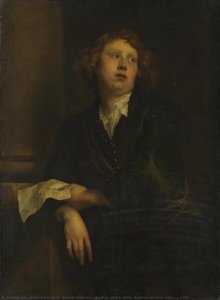
Artist Biography
A Flemish Master at the Courts of Europe
Sir Anthony van Dyck, born in Antwerp in 1599, emerged as one of the most celebrated and influential portraitists of the Baroque era. His life, though tragically cut short at just forty-two years old, was a whirlwind of artistic exploration and prestigious commissions that took him from his native Flanders to Italy and ultimately to the heart of the English court. From an early age, van Dyck displayed remarkable talent, entering Hendrick van Balen’s workshop as a young apprentice and quickly absorbing the prevailing styles of the time. However, it was his association with Peter Paul Rubens – not merely as a student but as a collaborator – that truly shaped his artistic foundation. He learned from Rubens' dynamic compositions, rich color palettes, and masterful handling of light and shadow, yet van Dyck soon began to forge his own distinct path, one characterized by an elegance and refinement that would become his signature.Italian Sojourns and the Birth of a Style
The years van Dyck spent in Italy, beginning around 1621, proved pivotal in his artistic development. He resided primarily in Genoa, where he found favor among the city’s aristocratic families. It was here that he began to cultivate the sophisticated style for which he would become renowned – a style marked by graceful poses, luxurious fabrics, and an almost palpable sense of nobility. Unlike the robust energy often found in Rubens' work, van Dyck’s Italian portraits exude a refined composure, capturing not just physical likeness but also the inner character and social standing of his sitters. During this period, he also embarked on his *Iconography*, a series of meticulously rendered portrait etchings featuring prominent figures of his time – artists, scholars, and rulers alike. This project showcased his exceptional technical skill and established him as a leading printmaker. These etchings weren’t simply records; they were carefully constructed images designed to immortalize the subjects and convey their status and intellect.The King's Painter: Van Dyck in England
In 1632, van Dyck received an invitation that would forever alter his career trajectory – a summons from Charles I of England to become the court painter. This appointment marked a turning point, not only for van Dyck but also for English portraiture. He arrived in London with a considerable reputation and quickly became indispensable to the king, tasked with creating images that projected an aura of power, majesty, and divine right. Van Dyck’s portraits of Charles I are particularly noteworthy; he moved away from the stiff, formal representations favored by earlier artists, instead portraying the king as a dynamic, charismatic leader. He employed innovative techniques – dramatic lighting, sweeping gestures, and carefully chosen backgrounds – to create images that were both visually stunning and politically charged. His influence extended beyond the royal family, shaping the visual culture of the English aristocracy for generations to come. He didn’t just paint portraits; he crafted an image of kingship, influencing how royalty was perceived for over a century.Legacy and Enduring Influence
Van Dyck's untimely death in 1641 robbed the art world of a prodigious talent, but his legacy endures to this day. His impact on English portraiture is immeasurable; he established a standard of elegance and sophistication that subsequent artists would strive to emulate.- Technical Innovation: He was a master of both oil painting and etching, constantly experimenting with new techniques.
- Stylistic Refinement: His portraits are characterized by their graceful poses, luxurious fabrics, and subtle psychological insights.
- Courtly Influence: He transformed the image of the English monarchy, creating a visual language of power and prestige.
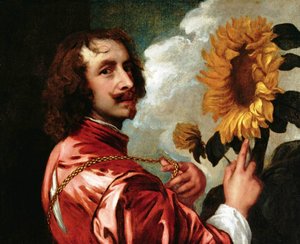
Sir Anthony van Dyck
1599 - 1641 , Belgium
Quick Facts
- Artistic Movement Or Style: Baroque
- Artists Or Movements Influenced By This Artist: ['English portrait painting']
- Artists Who Influenced This Artist: ['Peter Paul Rubens']
- Date Of Birth: March 22, 1599
- Date Of Death: December 9, 1641
- Full Name: Sir Anthony van Dyck
- Nationality: Flemish
- Notable Artworks:
- Portrait of a woman and child
- Equestrian portrait of Charles I
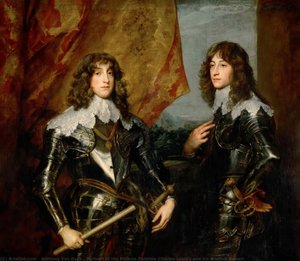
- Lord John Stuart & brother
- Charity
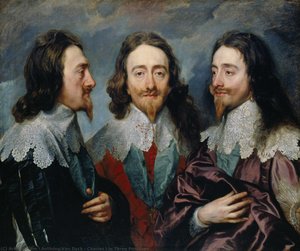
- Charles I in Three Positions
- Rinaldo and Armida
- Portrait of Nicolaes van der Borght
- Place Of Birth: Antwerp, Belgium
Related Articles
Van Gogh's Masterpieces: Explore 25 Iconic Paintings & Art for Your Home
Journey through Vincent van Gogh's 25 most iconic paintings! Explore 'Starry Night', 'Sunflowers,' and more—discover the stories, techniques & emotions behind these Post-Impressionist masterpieces. Find museum-quality art reproductions for your home at ArtsDot.com.
Sir Anthony van Dyck: Courtly Portraiture & the Shaping of Baroque Identity
Explore the life & legacy of Sir Anthony van Dyck, the leading court painter of his era. Discover his innovative portraiture, Baroque masterpieces, and investment potential for discerning collectors. Learn more at ArtsDot.

Rembrandt's Masterpieces: Explore 25 Iconic Paintings & Prints | ArtsDot
Journey through Rembrandt van Rijn's 25 most iconic paintings & etchings. Explore Dutch Golden Age masterpieces, dramatic chiaroscuro, and timeless portraits. Find museum-quality art reproductions to elevate your home decor on ArtsDot.com.
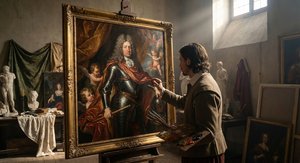
The Grandeur of Baroque Portraiture: Power, Emotion & Artistic Innovation
Explore the grandeur of Baroque portraiture! Discover Rubens, Van Dyck & the masters of 17th-century art. Uncover symbolism, techniques & lasting influence. Expert insights for collectors and enthusiasts.

Baroque Masterpieces: 10 Paintings That Defined an Era |
Journey through the drama & grandeur of Baroque art! Explore 10 masterpieces by Caravaggio, Rembrandt, Rubens & more. Discover stunning oil paintings, rich colors & timeless stories. Find museum-quality reproductions at .