 Preview
 Send
Send Share
Share
 Details

 Download
 Similars
 X-Ray
X-Ray Diaporama
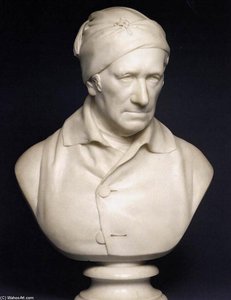
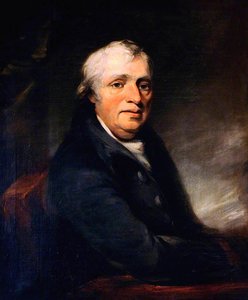
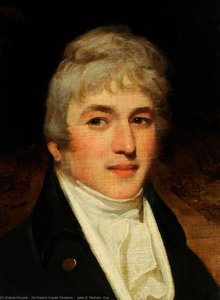
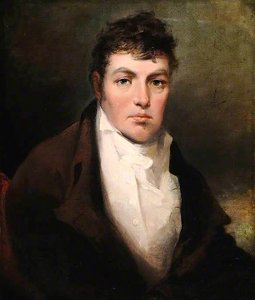
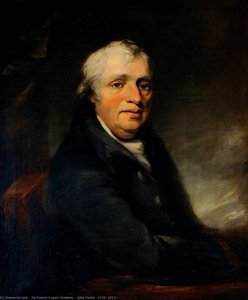
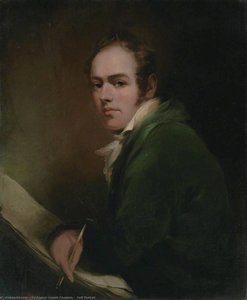
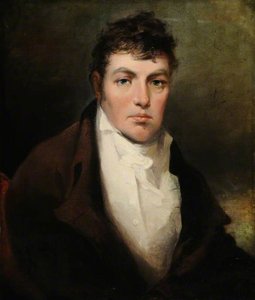
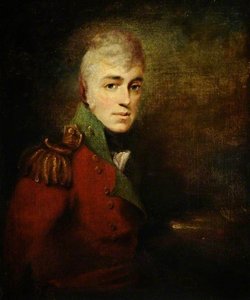
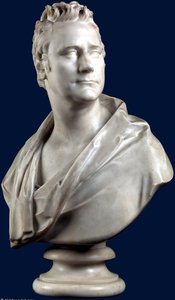
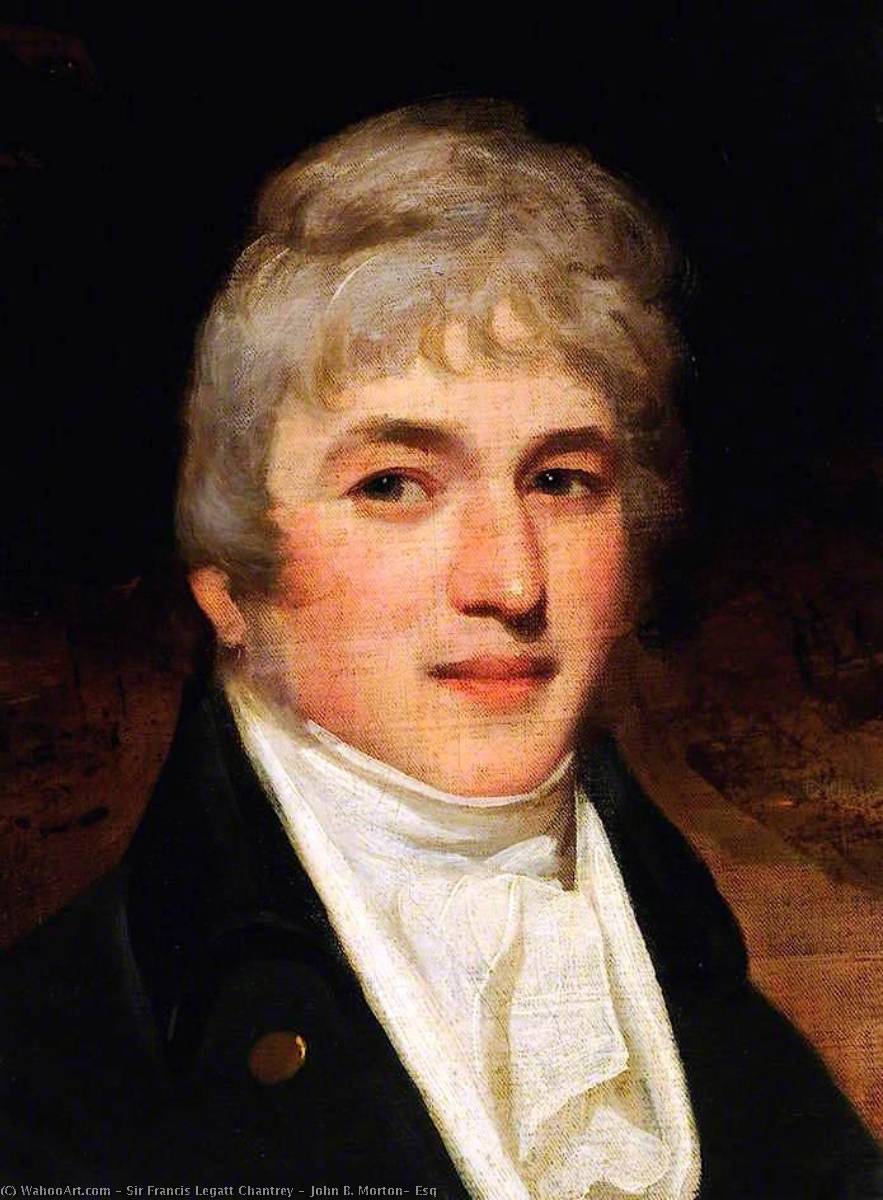
John B. Morton, Esq

 Read More
Hand Made Oil Reproduction
Hand-painted oil on canvas in your size and frame, made to order by our artists. ( Buy Print Buy Image)




































Pick from our preset sizes that match the artwork's original proportions.

You may enter your own dimensions to fit a specific frame or space. If your selected size does not match the original image's proportions, we will either crop the artwork or extend the painting with additional hand-painted elements. A digital mockup will be sent for your approval before production begins.
Please note that the on-screen preview does not reflect the actual cropping or extension. Only the mockup will accurately show the final composition.
While custom sizes are available, we recommend selecting a dimension from the predefined list to preserve the original proportions.
After order, ArtsDot.com team will email client for instructions and provide a mockup preview
Worldwide Delivery () in 3/4 weeks instead of standard 5 weeks. (17 August). No compromise on quality.

Free Worldwide Express Shipping

High-Quality Linen Canvas

Full Shipping Insurance

Customs Tax Refund Guarantee

True Color Matching Guarantee

60-Day Return Policy (Defects Only)

100% Money-Back Guarantee

Bulk Discount Offer
 Glass option is only available in size under 110 CM

John B. Morton, Esq
Reproduction Medium
Reproduction Size
-


Total Price
$ 263
Related Artworks

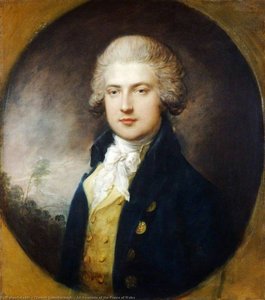
Artist Biography
Sir Francis Legatt Chantrey: The Regency’s Portrait Master
Sir Francis Legatt Chantrey (7 April 1781 – 25 November 1841) stands as a towering figure in 19th-century British sculpture, particularly renowned for his exquisite portrait busts and monumental statues that captured the spirit of the Regency era. More than simply a craftsman, Chantrey was a keen observer of human character, imbuing his subjects with an astonishing degree of realism and psychological depth – qualities that cemented his position as Britain’s leading portrait sculptor during his time. His career, marked by both artistic triumph and personal tragedy, ultimately culminated in the establishment of the Chantrey Bequest, a legacy designed to ensure the nation's access to exceptional works of art. Born in Jordanthorpe, near Sheffield, into a modest farming family, Chantrey’s early life was shaped by his father’s carpentry skills and a nascent artistic inclination. At fifteen, he abandoned farm work for an apprenticeship with the woodcarver Ramsay in Sheffield, a move that ignited a passion for sculpting. Crucially, he encountered John Raphael Smith, a draughtsman and engraver who recognized Chantrey's talent and provided invaluable instruction in painting and design – a foundation that would prove essential to his future success. Despite initially working as a portrait artist in Sheffield, Chantrey’s ambition led him to London in 1802, where he established a studio and began to attract commissions from prominent patrons. This relocation marked the beginning of a period of intense artistic development and recognition. Chantrey's early career was characterized by a dedication to mastering the technical aspects of sculpture while simultaneously developing his unique style. He honed his skills through diligent study at the Royal Academy Schools, absorbing classical influences while also embracing the burgeoning Romantic sensibility that emphasized emotion and individualism. His initial successes included busts of notable figures like John Horne Tooke and Sir Francis Burdett, demonstrating a remarkable ability to capture personality and nuance. The placement of Tooke’s bust between two of Nollekens' works is said to have significantly influenced Chantrey’s career trajectory, highlighting the impact of his peers and the competitive nature of the artistic landscape. His travels to Dublin, Paris, and Italy further broadened his artistic horizons, exposing him to diverse styles and techniques – particularly the work of Raphael and Titian in Rome, which profoundly shaped his approach to composition and color.Monumental Achievements: Kings, Generals, and Washington
Chantrey’s reputation soared with a series of ambitious commissions that showcased his technical prowess and artistic vision. Perhaps his most iconic achievement is the statue of King George IV in Trafalgar Square, a colossal bronze figure that remains a beloved symbol of London. This monumental work, completed in 1827, exemplifies Chantrey's ability to capture regal dignity and commanding presence. Equally impressive is the statue of King George III at Guildhall, another significant public monument reflecting the power and authority of the monarchy. Furthermore, he executed four magnificent monuments to military heroes for St Paul’s Cathedral, a testament to his skill in depicting heroic figures amidst grand architectural settings. Notably, Chantrey also undertook the challenging commission of creating a statue of George Washington for Massachusetts State House, a project that demonstrated his ability to adapt his style to different cultural contexts and historical subjects. These works solidified his position as the foremost portrait sculptor of his era, attracting international acclaim.The Chantrey Bequest: A Gift to the Nation
Following the death of Chantrey’s wife, Mary Ann, in 1841, he bequeathed a substantial fortune – estimated at over £30,000 – to establish the Chantrey Bequest. This extraordinary gift was designed to create a fund for the purchase of works of art for the nation's benefit, ensuring that future generations would have access to exceptional artistic treasures. The Bequest, formally established in 1878, became a vital resource for museums and public collections across Britain, contributing significantly to the growth of national art heritage. Chantrey’s foresight ensured that his legacy extended far beyond his own lifetime, leaving an enduring impact on the cultural landscape of England.Legacy and Influence
Sir Francis Legatt Chantrey's influence on British sculpture is undeniable. His meticulous attention to detail, coupled with his remarkable ability to capture psychological realism, set a new standard for portraiture in the Regency era. His work served as an inspiration for subsequent generations of sculptors, shaping the development of neoclassical and Romantic styles. While he eschewed formal training, relying instead on observation and self-directed study, Chantrey’s dedication to his craft and his profound understanding of human character resulted in a body of work that continues to be admired for its beauty, power, and enduring relevance. The Chantrey Bequest stands as a lasting testament to his generosity and commitment to the preservation of art for the benefit of all.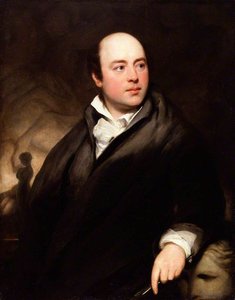
sir francis leggatt chantrey
1781 - 1841 , United Kingdom
Quick Facts
- Artistic Movement Or Style: Neoclassical sculptor
- Artists Or Movements Influenced By This Artist: ['Regency Sculpture']
- Artists Who Influenced This Artist: ['John Porter']
- Date Of Birth: 7 April 1781
- Date Of Death: 25 November 1841
- Full Name: Sir Francis Legatt Chantrey
- Nationality: British
- Notable Artworks:
- King George IV Statue
- George Washington Bust
- King George III Statue
- St Paul's Monuments
- Place Of Birth: Northampton, UK