 Preview
 Send
Send Share
Share
 Details

 Download
 Similars
 X-Ray
X-Ray Diaporama
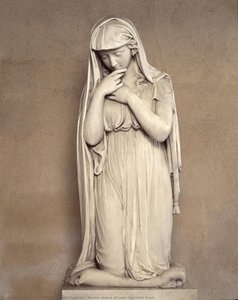
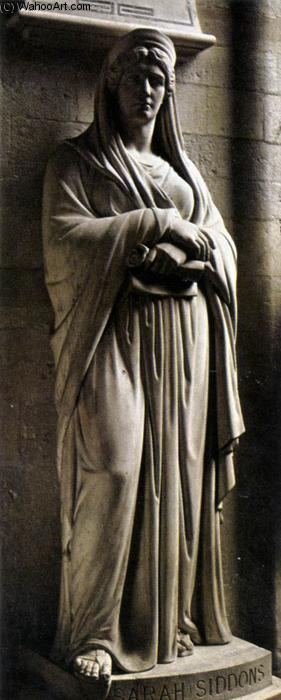
Mrs. Siddons


 Read More
Hand Made Oil Reproduction
Hand-painted oil on canvas in your size and frame, made to order by our artists. ( Buy Print Buy Image)




P118B $10

P118H $10

P118W $10

P438Z $10

P508JH $12

P508YH $12

P805H $10

P805Z $10

P919BZ $10

P919G $10

P919XJ $10

P959ZH $10

P968JZ $12

W106C $8

W218G $10

W218JH $8

W218Y $10

W307PJ $10

W316G $10

W316PJ $8

W316Y $10

W398PJ $8

W4111J $10

W500HY $15

W500JH $15

W692G $12

W849H $8

W940BG $15

W953PJ $8




Pick from our preset sizes that match the artwork's original proportions.

You may enter your own dimensions to fit a specific frame or space. If your selected size does not match the original image's proportions, we will either crop the artwork or extend the painting with additional hand-painted elements. A digital mockup will be sent for your approval before production begins.
Please note that the on-screen preview does not reflect the actual cropping or extension. Only the mockup will accurately show the final composition.
While custom sizes are available, we recommend selecting a dimension from the predefined list to preserve the original proportions.
After order, ArtsDot.com team will email client for instructions and provide a mockup preview
Worldwide Delivery () in 3/4 weeks instead of standard 5 weeks. (16 August). No compromise on quality.

Free Worldwide Express Shipping

High-Quality Linen Canvas

Full Shipping Insurance

Customs Tax Refund Guarantee

True Color Matching Guarantee

60-Day Return Policy (Defects Only)

100% Money-Back Guarantee

Bulk Discount Offer
 Glass option is only available in size under 110 CM

Mrs. Siddons
Reproduction Medium
Reproduction Size
-


Total Price
$ 263
Artwork Description
A Portrait of Regal Grace: Mrs. Siddons by Sir Francis Legatt Chantrey
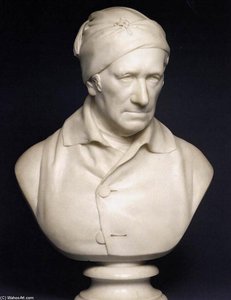
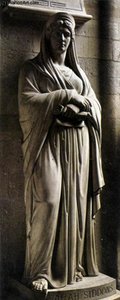
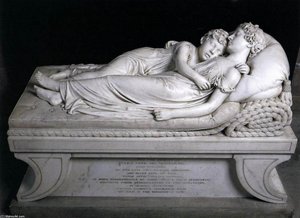
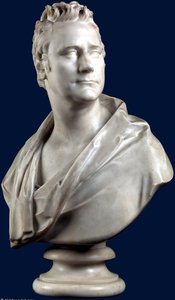
The marble statue of “Mrs. Siddons,” sculpted by the masterful Sir Francis Legatt Chantrey in 1831, transcends a mere likeness; it’s an embodiment of theatrical brilliance and Victorian sensibility. This captivating piece, currently housed within the collections of ArtsDot.com, offers a profound glimpse into the life and legacy of Sarah Siddons, one of England's most celebrated actresses during the Regency era. Chantrey, renowned for his ability to capture psychological depth in portraiture, has here created an image that speaks volumes beyond the surface beauty of the subject.
The statue depicts Siddons in profile, facing left, a pose that immediately conveys both dignity and a subtle vulnerability. She is draped in flowing robes of deep crimson, a color historically associated with royalty and dramatic intensity – fitting for a woman who commanded attention on stage as Lady Macbeth and countless other iconic roles. The folds of her garment cascade gracefully around her form, suggesting movement and the dynamism of performance, while simultaneously hinting at the quiet contemplation inherent in a celebrated artist’s life. Her hair is meticulously styled in an elaborate updo, adorned with jewels that further emphasize her status and the grandeur of her profession. The careful attention to detail – from the delicate rendering of her hands resting elegantly on her lap to the subtle curve of her lips – reveals Chantrey's unparalleled skill as a sculptor.
A Window into Victorian Society
To fully appreciate “Mrs. Siddons,” it’s crucial to understand the social context in which it was created. The early 19th century witnessed a burgeoning fascination with celebrity, particularly within the world of theatre. Actresses like Siddons were increasingly recognized as public figures, their lives and performances scrutinized by newspapers and audiences alike. Chantrey's statue reflects this shift, elevating Siddons to the status of a timeless icon – a representation of feminine beauty, artistic talent, and social prominence. The choice of marble itself is significant; it was considered a material of enduring quality, symbolizing permanence and respectability—qualities highly valued in Victorian society.
Furthermore, the statue’s placement within a museum or church setting underscores the reverence accorded to both art and theatrical performance during this period. The backdrop – a textured stone wall reminiscent of an ancient Roman temple – subtly connects Siddons with classical ideals of beauty and drama, reinforcing her image as a timeless figure of artistic excellence. The lighting, casting shadows that accentuate the contours of her form, adds depth and dimension to the sculpture, inviting viewers to contemplate its every detail.
Symbolism and Artistic Technique
Chantrey’s technique is characterized by a remarkable realism combined with an expressive use of light and shadow. He masterfully captures the texture of the marble, revealing the subtle variations in tone that give the statue its three-dimensionality. The pose itself – slightly turned away from the viewer – creates a sense of intimacy and invites us to engage with Siddons on a personal level. Her expression is enigmatic, suggesting both strength and vulnerability, reflecting the complexities of her life as an actress and a woman navigating a male-dominated society.
The statue’s composition is carefully balanced, creating a harmonious whole that celebrates Siddons' beauty and talent. The use of classical elements – such as the draped robes and the profile pose – aligns with the prevailing Neoclassical style of the time, which sought to emulate the ideals of ancient Greece and Rome. However, Chantrey infuses this classicism with his own distinctive artistic vision, imbuing Siddons with a palpable sense of humanity and psychological depth.
A Legacy in Stone
“Mrs. Siddons” stands as a testament to Sir Francis Legatt Chantrey’s genius and the enduring appeal of portraiture. It is more than just a sculpture; it's a window into a bygone era, offering insights into Victorian society, theatrical culture, and the life of a remarkable woman. Reproductions by ArtsDot.com provide an accessible way to experience this masterpiece, allowing art lovers and collectors alike to bring its beauty and historical significance into their homes or offices. The statue’s timeless quality ensures that “Mrs. Siddons” will continue to captivate audiences for generations to come.
Related Artworks





Artist Biography
Sir Francis Legatt Chantrey: The Regency’s Portrait Master
Sir Francis Legatt Chantrey (7 April 1781 – 25 November 1841) stands as a towering figure in 19th-century British sculpture, particularly renowned for his exquisite portrait busts and monumental statues that captured the spirit of the Regency era. More than simply a craftsman, Chantrey was a keen observer of human character, imbuing his subjects with an astonishing degree of realism and psychological depth – qualities that cemented his position as Britain’s leading portrait sculptor during his time. His career, marked by both artistic triumph and personal tragedy, ultimately culminated in the establishment of the Chantrey Bequest, a legacy designed to ensure the nation's access to exceptional works of art. Born in Jordanthorpe, near Sheffield, into a modest farming family, Chantrey’s early life was shaped by his father’s carpentry skills and a nascent artistic inclination. At fifteen, he abandoned farm work for an apprenticeship with the woodcarver Ramsay in Sheffield, a move that ignited a passion for sculpting. Crucially, he encountered John Raphael Smith, a draughtsman and engraver who recognized Chantrey's talent and provided invaluable instruction in painting and design – a foundation that would prove essential to his future success. Despite initially working as a portrait artist in Sheffield, Chantrey’s ambition led him to London in 1802, where he established a studio and began to attract commissions from prominent patrons. This relocation marked the beginning of a period of intense artistic development and recognition. Chantrey's early career was characterized by a dedication to mastering the technical aspects of sculpture while simultaneously developing his unique style. He honed his skills through diligent study at the Royal Academy Schools, absorbing classical influences while also embracing the burgeoning Romantic sensibility that emphasized emotion and individualism. His initial successes included busts of notable figures like John Horne Tooke and Sir Francis Burdett, demonstrating a remarkable ability to capture personality and nuance. The placement of Tooke’s bust between two of Nollekens' works is said to have significantly influenced Chantrey’s career trajectory, highlighting the impact of his peers and the competitive nature of the artistic landscape. His travels to Dublin, Paris, and Italy further broadened his artistic horizons, exposing him to diverse styles and techniques – particularly the work of Raphael and Titian in Rome, which profoundly shaped his approach to composition and color.Monumental Achievements: Kings, Generals, and Washington
Chantrey’s reputation soared with a series of ambitious commissions that showcased his technical prowess and artistic vision. Perhaps his most iconic achievement is the statue of King George IV in Trafalgar Square, a colossal bronze figure that remains a beloved symbol of London. This monumental work, completed in 1827, exemplifies Chantrey's ability to capture regal dignity and commanding presence. Equally impressive is the statue of King George III at Guildhall, another significant public monument reflecting the power and authority of the monarchy. Furthermore, he executed four magnificent monuments to military heroes for St Paul’s Cathedral, a testament to his skill in depicting heroic figures amidst grand architectural settings. Notably, Chantrey also undertook the challenging commission of creating a statue of George Washington for Massachusetts State House, a project that demonstrated his ability to adapt his style to different cultural contexts and historical subjects. These works solidified his position as the foremost portrait sculptor of his era, attracting international acclaim.The Chantrey Bequest: A Gift to the Nation
Following the death of Chantrey’s wife, Mary Ann, in 1841, he bequeathed a substantial fortune – estimated at over £30,000 – to establish the Chantrey Bequest. This extraordinary gift was designed to create a fund for the purchase of works of art for the nation's benefit, ensuring that future generations would have access to exceptional artistic treasures. The Bequest, formally established in 1878, became a vital resource for museums and public collections across Britain, contributing significantly to the growth of national art heritage. Chantrey’s foresight ensured that his legacy extended far beyond his own lifetime, leaving an enduring impact on the cultural landscape of England.Legacy and Influence
Sir Francis Legatt Chantrey's influence on British sculpture is undeniable. His meticulous attention to detail, coupled with his remarkable ability to capture psychological realism, set a new standard for portraiture in the Regency era. His work served as an inspiration for subsequent generations of sculptors, shaping the development of neoclassical and Romantic styles. While he eschewed formal training, relying instead on observation and self-directed study, Chantrey’s dedication to his craft and his profound understanding of human character resulted in a body of work that continues to be admired for its beauty, power, and enduring relevance. The Chantrey Bequest stands as a lasting testament to his generosity and commitment to the preservation of art for the benefit of all.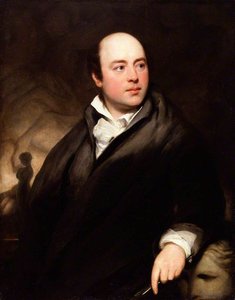
sir francis leggatt chantrey
1781 - 1841 , United Kingdom
Quick Facts
- Artistic Movement Or Style: Neoclassical sculptor
- Artists Or Movements Influenced By This Artist: ['Regency Sculpture']
- Artists Who Influenced This Artist: ['John Porter']
- Date Of Birth: 7 April 1781
- Date Of Death: 25 November 1841
- Full Name: Sir Francis Legatt Chantrey
- Nationality: British
- Notable Artworks:
- King George IV Statue
- George Washington Bust
- King George III Statue
- St Paul's Monuments
- Place Of Birth: Northampton, UK
Related Articles

Bronze Sculptures That Defined Art History | ArtsDot
Journey through art history with our Top 10 bronze sculptures! Explore masterpieces by Rodin, Michelangelo & more. Discover stories behind iconic statues and find museum-quality reproductions for your home decor at ArtsDot.com.
The Enduring Allure of Marble in Art History: From Classical Sculpture to Modern Abstraction
Explore the captivating history of marble sculpture from ancient Greece to modern art. Discover renowned artists like Canova & Michelangelo, carving techniques, and investment insights at ArtsDot.

The Enduring Form: Exploring Themes & Techniques in Sculpture Across Historical Periods
Explore the rich history of sculpture from ancient masterpieces to contemporary innovations. Discover key techniques, influential artists & investment potential for discerning art collectors.

Bronze Age to Modern Masters: 10 Sculptures That Redefined Art | ArtsDot
Journey through art history with 10 legendary bronze sculptures – from Michelangelo's David to Rodin’s Thinker. Explore the stories, techniques & timeless beauty of these masterpieces. Find museum-quality reproductions & elevate your home decor on ArtsDot.com.
The Enduring Form: Sculpture Across History, Technique & Emotional Resonance
Explore the rich history of sculpture with ArtsDot. Discover key techniques, influential artists & investment potential for discerning collectors. Expert insights into valuing and collecting timeless masterpieces.