 Preview
 Send
Send Share
Share
 Details

 Download
 Similars
 X-Ray
X-Ray Diaporama
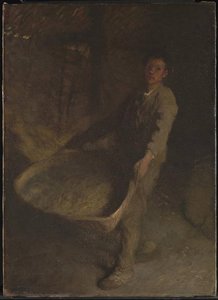
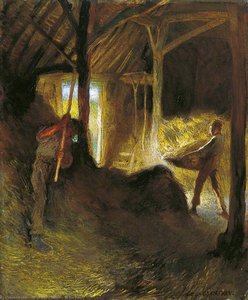
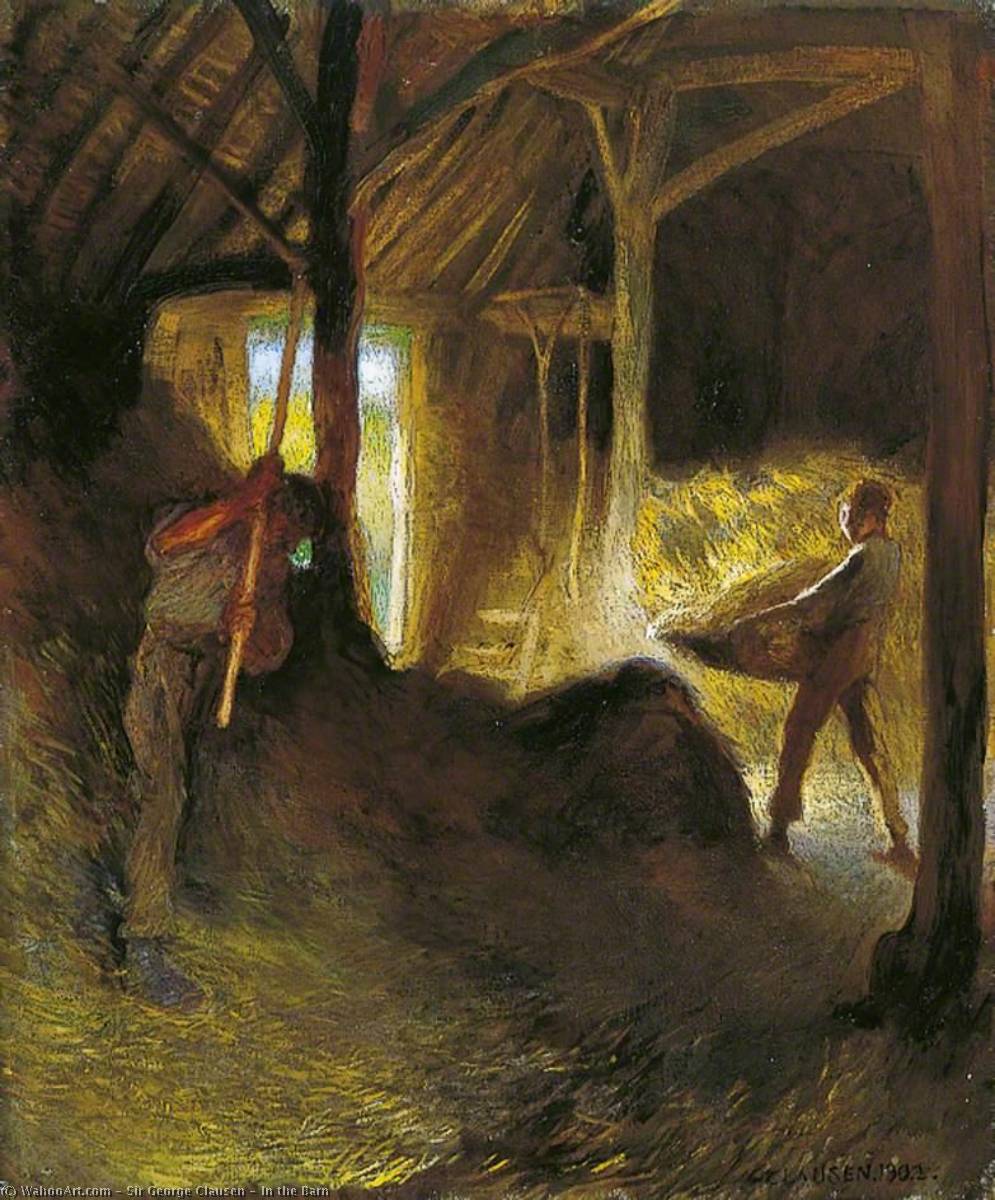
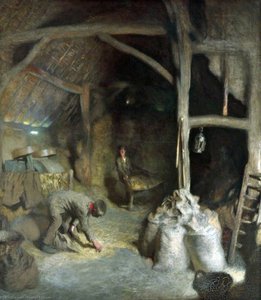
In the Barn


 Read More
Hand Made Oil Reproduction
Hand-painted oil on canvas in your size and frame, made to order by our artists. ( Buy Print Buy Image)




P118B $10

P118H $10

P118W $10

P438Z $10

P508JH $12

P508YH $12

P805H $10

P805Z $10

P919BZ $10

P919G $10

P919XJ $10

P959ZH $10

P968JZ $12

W106C $8

W218G $10

W218JH $8

W218Y $10

W307PJ $10

W316G $10

W316PJ $8

W316Y $10

W398PJ $8

W4111J $10

W500HY $15

W500JH $15

W692G $12

W849H $8

W940BG $15

W953PJ $8




Pick from our preset sizes that match the artwork's original proportions.

You may enter your own dimensions to fit a specific frame or space. If your selected size does not match the original image's proportions, we will either crop the artwork or extend the painting with additional hand-painted elements. A digital mockup will be sent for your approval before production begins.
Please note that the on-screen preview does not reflect the actual cropping or extension. Only the mockup will accurately show the final composition.
While custom sizes are available, we recommend selecting a dimension from the predefined list to preserve the original proportions.
After order, ArtsDot.com team will email client for instructions and provide a mockup preview
Worldwide Delivery () in 3/4 weeks instead of standard 5 weeks. (16 August). No compromise on quality.

Free Worldwide Express Shipping

High-Quality Linen Canvas

Full Shipping Insurance

Customs Tax Refund Guarantee

True Color Matching Guarantee

60-Day Return Policy (Defects Only)

100% Money-Back Guarantee

Bulk Discount Offer
 Glass option is only available in size under 110 CM

In the Barn
Reproduction Medium
Reproduction Size
-


Total Price
$ 263
Artwork Description
A Portrait of Rural England: Exploring Sir George Clausen’s “In The Barn”
The painting "In The Barn," completed in 1902 by Sir George Clausen, stands as a testament to the British Impressionist movement's fascination with capturing fleeting moments of beauty within everyday life. More than just a depiction of agricultural labor—though undeniably present—the artwork delves into themes of camaraderie, resilience, and the quiet dignity inherent in rural existence, offering viewers a glimpse into a pivotal period of British history.Subject Matter & Composition
Clausen’s canvas portrays a barn interior bathed in dappled sunlight filtering through cracks in the roof tiles. Several figures inhabit the space: two men standing shoulder-to-shoulder near the left side of the barn, and another individual positioned slightly further back towards the center. The artist meticulously renders the textures of hay bales—the rough weave of straw interspersed with flecks of dried grass—creating a palpable sense of warmth and materiality. Notably, Clausen incorporates avian imagery – a bird perched atop the roofline on the right side and another nestled amongst the haystacks – symbolizing hope and observation amidst the rustic setting. The composition itself is deliberately balanced, guiding the eye across the scene with subtle diagonals that emphasize both spatial depth and human connection.Stylistic Influences & Technique
Clausen’s artistic approach firmly rooted in Impressionism distinguishes him from his academic predecessors. Like Monet and Renoir, he prioritizes capturing the effects of light on color—a technique known as *plein air* painting—allowing him to translate the immediacy of observation onto canvas. Clausen skillfully employs broken brushstrokes and layering of pigments to achieve a luminous quality that mimics the way sunlight illuminates surfaces. The artist’s palette leans towards muted earth tones – ochres, browns, greens – reflecting the dominant colors of the rural landscape he portrays. However, Clausen avoids the purely decorative tendencies of Impressionism, instead imbuing his work with a palpable sense of realism and emotional resonance.Historical Context & Societal Significance
“In The Barn” was created during a period of significant social transformation in Britain—the Edwardian era—characterized by rapid industrialization alongside a growing appreciation for the pastoral ideal. Clausen’s depiction aligns perfectly with this cultural shift, reflecting anxieties about the encroaching influence of urban life and celebrating the enduring values of rural communities. The painting speaks to the importance of labor and craftsmanship – embodied in the figures within the barn – as sources of pride and stability amidst uncertainty. Furthermore, it embodies a humanist sensibility that champions empathy for ordinary people and acknowledges their role in shaping national identity.Symbolism & Emotional Impact
Beyond its visual representation, “In The Barn” resonates with deeper symbolic meanings. The birds represent vigilance and connection to nature—a reminder of the beauty and tranquility that can be found outside the confines of industrial society. The men standing together symbolize solidarity and mutual support – values crucial for navigating challenging times. Clausen’s masterful use of light and color evokes a feeling of comfort, nostalgia, and understated optimism. It invites viewers to contemplate not only the physical environment but also the human spirit—its capacity for resilience, compassion, and appreciation for simple pleasures.Conclusion
Sir George Clausen's “In The Barn” transcends mere landscape painting; it’s an evocative portrait of a bygone era imbued with humanist values and artistic innovation. Its enduring appeal lies in its ability to capture the essence of rural England—a place of beauty, labor, and human connection—and to convey a profound emotional response that continues to inspire audiences today. Reproductions of this remarkable artwork offer collectors and interior designers alike an opportunity to experience firsthand the legacy of Impressionism’s embrace of natural light and its unwavering commitment to portraying the dignity of everyday life.Related Artworks
Artist Biography
A Life Painted in Light: The World of Sir George Clausen
Sir George Clausen, a name perhaps less immediately recognized than some of his Impressionist contemporaries, nevertheless occupies a vital and uniquely British space within the history of late 19th and early 20th century art. Born in London in 1852, his life spanned an era of immense social and artistic change, and his canvases reflect both the enduring beauty of the English countryside and the profound anxieties of a world grappling with modernity and war. Clausen wasn’t merely *influenced* by Impressionism; he adapted its principles to create something distinctly his own – a style that blended fleeting moments of light and atmosphere with a deep-seated empathy for rural life and the dignity of labor. His journey began within the traditional confines of academic training at the Royal Academy Schools, but a restless spirit and an observant eye soon led him towards more progressive artistic horizons. Travel throughout Europe proved formative, exposing him to the burgeoning Impressionist movement in France and instilling a passion for *plein air* painting – capturing the immediacy of light and atmosphere directly from nature.From Rural Idylls to Scenes of Modern Life
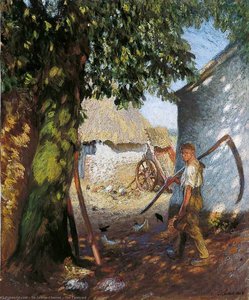
Clausen’s artistic output is characterized by a remarkable sensitivity to his subjects, whether they be sweeping landscapes or intimate portraits of everyday people. He found inspiration in the rhythms of agricultural life, depicting scenes of harvesting, ploughing, and gleaning with an almost reverential attention to detail. Paintings like Bird Scaring, Girl, and Ploughing aren’t simply depictions of rural labor; they are celebrations of the human connection to the land, imbued with a sense of quiet dignity and poetic beauty. He possessed an extraordinary ability to capture the transient effects of light – the golden glow of sunset on a field, the dappled shade beneath a hedgerow – lending his landscapes a luminous quality that is both captivating and emotionally resonant. But Clausen’s vision wasn't limited to idyllic rural scenes. He also explored themes of modern life, portraying bustling streets and intimate domestic interiors with equal skill and sensitivity. The Chinese Pot, for example, showcases his mastery of light and shadow in an interior setting, capturing a moment of quiet contemplation. He didn’t shy away from the complexities of the changing world, but approached them with a nuanced understanding and a compassionate eye.A Founder of Change: The New English Art Club
Clausen’s commitment to artistic innovation extended beyond his own practice. He was a key figure in the formation of the New English Art Club in 1886, a group that challenged the conservative conventions of the Royal Academy and championed a more progressive approach to painting. The NEAC provided a platform for artists who sought to break free from academic constraints and embrace looser brushwork, bolder colors, and a greater emphasis on capturing subjective experience. This act of artistic rebellion solidified Clausen’s position as a leading voice in the British art world, demonstrating his dedication to fostering creativity and challenging established norms. His election as a Royal Academician in 1906 signaled a broader acceptance of these new ideas within the mainstream art establishment, though he never abandoned his commitment to independent artistic expression. He believed strongly in the power of artists to shape perceptions and reflect the realities of their time.The Shadow of War: Witnessing a Changing World
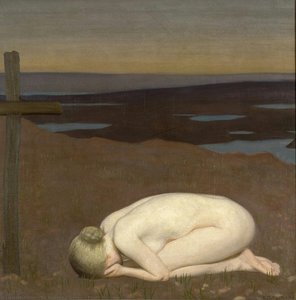
The outbreak of World War I profoundly impacted Clausen’s life and work. Appointed as an official war artist, he documented the conflict through both paintings and lithographs, offering a poignant glimpse into the realities of wartime experience. However, it was a deeply personal tragedy that arguably had the most profound effect on his art. The loss of his daughter's fiancé during the war inspired Youth Mourning, a hauntingly beautiful painting depicting a young woman consumed by grief in a desolate landscape. This work is not merely a depiction of sorrow; it’s an embodiment of the collective trauma experienced by a nation grappling with unimaginable loss. His contribution to the print portfolio *Britain's Efforts and Ideals* through six lithographs further demonstrates his commitment to documenting the war effort, showcasing the industrial production supporting the troops at the front. This period marked a shift in Clausen’s artistic focus, moving from idyllic scenes of rural life to more somber reflections on the human cost of conflict.Legacy and Lasting Influence
Sir George Clausen died in 1944, leaving behind a rich and diverse body of work that continues to resonate with audiences today. His historical significance lies not only in his contribution to the development of British Impressionism but also in his ability to capture the essence of a changing world with sensitivity, skill, and profound emotional depth. He successfully bridged the gap between traditional academic techniques and modern artistic sensibilities, creating a style that was both innovative and deeply rooted in English artistic traditions. Here are some key achievements:- Elected Royal Academician
- Founder of the New English Art Club
- Rural life
- Light and atmosphere
- Human figures
- War art
- Impressionism
- Jules Bastien-Lepage
- Plein air painting
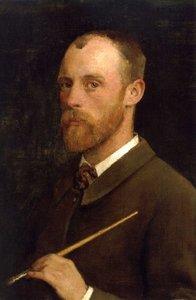
Sir George Clausen
1852 - 1944 , United Kingdom
Quick Facts
- Artistic Movement Or Style: Impressionism
- Artists Or Movements Influenced By This Artist: ['New English Art Club']
- Artists Who Influenced This Artist: ['Jules Bastien-Lepage']
- Date Of Birth: 1852
- Date Of Death: 1944
- Full Name: Sir George Clausen
- Nationality: British
- Notable Artworks:
- The Chinese Pot
- Little White Roses
- Youth Mourning
- Place Of Birth: London, UK
Related Articles
Sir George Clausen: Capturing Edwardian Life & British Impressionism's Nuances
Explore the luminous world of Sir George Clausen, a leading British Impressionist painter. Discover his captivating scenes of Edwardian life, rural England & poignant war art. Learn about his legacy and find high-quality reproductions at ArtsDot.

Impressionism's Masterpieces: 10 Paintings That Defined a Movement | ArtsDot
Journey through Impressionism's heart with 10 iconic paintings by Monet, Renoir & Degas. Explore light, color & the stories behind these masterpieces. Find museum-quality art reproductions and elevate your home decor on ArtsDot.com.

Sir Alfred Munnings' Masterpieces: 25 Paintings That Define Equine Art | ArtsDot
Explore 25 iconic Sir Alfred Munnings paintings! Discover the beauty of British Impressionism, equine art & rural England. Find museum-quality reproductions and elevate your home decor with ArtsDot. Explore the full collection online.
Philip Connard: A Study in British Impressionism & the Evocation of Rural England
Explore the captivating world of Philip Connard (1875-1958), a leading British Impressionist painter renowned for his decorative landscapes and wartime artistry. Discover his life, legacy & available artworks at ArtsDot.
Capturing Ephemeral Light: Plein Air Painting from Impressionism to Today
Explore the history of plein air painting, from its origins with the Barbizon school to Impressionism's revolution & contemporary practice. Discover techniques, artists like Monet & Renoir, and find museum-quality reproductions at ArtsDot.