 Preview
 Send
Send Share
Share
 Details

 Download
 Similars
 X-Ray
X-Ray Diaporama
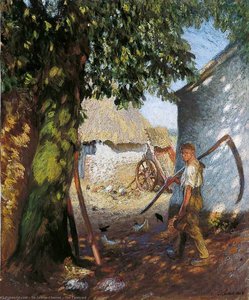
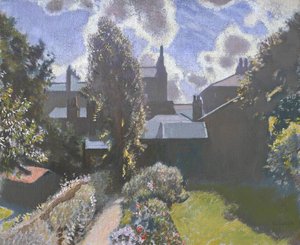
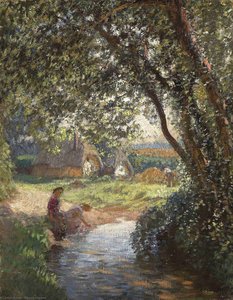
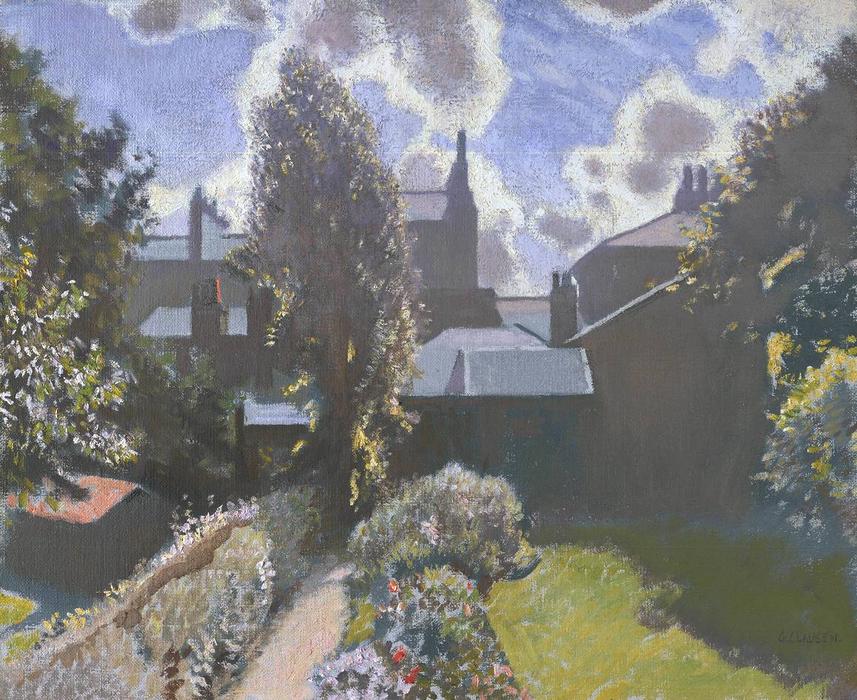
My Back Garden


 Read More
Hand Made Oil Reproduction
Hand-painted oil on canvas in your size and frame, made to order by our artists. ( Buy Print Buy Image)




P118B $10

P118H $10

P118W $10

P438Z $10

P508JH $12

P508YH $12

P805H $10

P805Z $10

P919BZ $10

P919G $10

P919XJ $10

P959ZH $10

P968JZ $12

W106C $8

W218G $10

W218JH $8

W218Y $10

W307PJ $10

W316G $10

W316PJ $8

W316Y $10

W398PJ $8

W4111J $10

W500HY $15

W500JH $15

W692G $12

W849H $8

W940BG $15

W953PJ $8




Pick from our preset sizes that match the artwork's original proportions.

You may enter your own dimensions to fit a specific frame or space. If your selected size does not match the original image's proportions, we will either crop the artwork or extend the painting with additional hand-painted elements. A digital mockup will be sent for your approval before production begins.
Please note that the on-screen preview does not reflect the actual cropping or extension. Only the mockup will accurately show the final composition.
While custom sizes are available, we recommend selecting a dimension from the predefined list to preserve the original proportions.
After order, ArtsDot.com team will email client for instructions and provide a mockup preview
Worldwide Delivery () in 3/4 weeks instead of standard 5 weeks. (16 August). No compromise on quality.

Free Worldwide Express Shipping

High-Quality Linen Canvas

Full Shipping Insurance

Customs Tax Refund Guarantee

True Color Matching Guarantee

60-Day Return Policy (Defects Only)

100% Money-Back Guarantee

Bulk Discount Offer
 Glass option is only available in size under 110 CM

My Back Garden
Reproduction Medium
Reproduction Size
-


Total Price
$ 263
Artwork Description
A Luminosity of Memory: Exploring Sir George Clausen’s “My Back Garden”
Sir George Clausen (1852-1944), a British Impressionist painter whose career spanned the tumultuous years leading up to and through World War I, stands as a testament to the enduring power of observation and the ability to translate fleeting moments into lasting impressions. While overshadowed by some of his contemporaries – Monet, Renoir, Degas – Clausen carved out a distinctive artistic identity rooted in capturing the quiet dignity of rural England and imbued with an underlying sensitivity to human experience. “My Back Garden,” painted circa 1940, exemplifies this approach perfectly, offering viewers a glimpse into both a meticulously rendered landscape and a profound meditation on time’s passage.The Landscape Embodied: Impressionistic Technique
Clausen's masterful technique is immediately apparent upon encountering the canvas. He eschewed the rigid academic conventions of his formative years at the Royal Academy Schools, embracing instead the principles championed by Impressionism – particularly the use of broken brushstrokes and layering glazes to achieve a shimmering effect of light. The painting’s palette is dominated by muted greens and browns, punctuated by splashes of vibrant reds from poppies scattered across the meadow. These colors aren't merely decorative; they are carefully considered choices designed to convey not just visual beauty but also emotional resonance. Clausen meticulously studied the way sunlight filtered through the foliage, attempting to capture its ephemeral quality on canvas – a pursuit that aligns seamlessly with the Impressionist ethos of immediacy and sensory experience. The textured surface speaks volumes about his dedication to capturing the physicality of the scene.A Scene Steeped in Symbolism: Remembrance and Resilience
“My Back Garden” transcends mere topographical representation; it’s laden with symbolic significance reflecting the anxieties of its time. Painted shortly before the outbreak of World War II, the garden itself represents a sanctuary – a space untouched by conflict, embodying ideals of peace and tranquility amidst escalating global tensions. The poppies, traditionally associated with remembrance for fallen soldiers, subtly underscore this theme. Their scarlet blooms stand out against the verdant backdrop, prompting contemplation on loss and resilience. Clausen’s deliberate positioning of the bench adds another layer of interpretation. It suggests a contemplative pause, an invitation to reflect upon life's complexities and find solace in simple beauty—a sentiment particularly poignant given the looming shadow of war.Historical Context: The Dawn of Modern Art
Clausen’s artistic journey coincided with a pivotal moment in art history – the rise of Impressionism as a dominant force challenging established artistic traditions. Artists like Monet, Renoir, and Sisley were pioneering new approaches to painting, prioritizing subjective perception over objective representation. Clausen skillfully adapted these innovations to his own vision, producing works that resonated deeply with the sensibilities of his era. He wasn’t merely documenting the English countryside; he was articulating a broader humanist concern for capturing the human spirit within its natural surroundings—a legacy that continues to inspire artists and collectors today.Emotional Impact: Tranquility Amidst Uncertainty
Ultimately, “My Back Garden” succeeds in conveying an extraordinary emotional depth. The painting’s luminous quality evokes feelings of serenity and nostalgia – transporting viewers back to a time of pastoral beauty and uncomplicated joy. Yet, beneath the surface tranquility lies a subtle awareness of mortality and the fragility of peace. Clausen's masterful brushwork captures not only the visual splendor of the garden but also its intangible essence—a reminder that even amidst uncertainty and upheaval, moments of profound beauty endure. It’s a painting that invites contemplation and offers solace to those seeking inspiration in the enduring power of art.Related Artworks
Artist Biography
A Life Painted in Light: The World of Sir George Clausen
Sir George Clausen, a name perhaps less immediately recognized than some of his Impressionist contemporaries, nevertheless occupies a vital and uniquely British space within the history of late 19th and early 20th century art. Born in London in 1852, his life spanned an era of immense social and artistic change, and his canvases reflect both the enduring beauty of the English countryside and the profound anxieties of a world grappling with modernity and war. Clausen wasn’t merely *influenced* by Impressionism; he adapted its principles to create something distinctly his own – a style that blended fleeting moments of light and atmosphere with a deep-seated empathy for rural life and the dignity of labor. His journey began within the traditional confines of academic training at the Royal Academy Schools, but a restless spirit and an observant eye soon led him towards more progressive artistic horizons. Travel throughout Europe proved formative, exposing him to the burgeoning Impressionist movement in France and instilling a passion for *plein air* painting – capturing the immediacy of light and atmosphere directly from nature.From Rural Idylls to Scenes of Modern Life
Clausen’s artistic output is characterized by a remarkable sensitivity to his subjects, whether they be sweeping landscapes or intimate portraits of everyday people. He found inspiration in the rhythms of agricultural life, depicting scenes of harvesting, ploughing, and gleaning with an almost reverential attention to detail. Paintings like Bird Scaring, Girl, and Ploughing aren’t simply depictions of rural labor; they are celebrations of the human connection to the land, imbued with a sense of quiet dignity and poetic beauty. He possessed an extraordinary ability to capture the transient effects of light – the golden glow of sunset on a field, the dappled shade beneath a hedgerow – lending his landscapes a luminous quality that is both captivating and emotionally resonant. But Clausen’s vision wasn't limited to idyllic rural scenes. He also explored themes of modern life, portraying bustling streets and intimate domestic interiors with equal skill and sensitivity. The Chinese Pot, for example, showcases his mastery of light and shadow in an interior setting, capturing a moment of quiet contemplation. He didn’t shy away from the complexities of the changing world, but approached them with a nuanced understanding and a compassionate eye.A Founder of Change: The New English Art Club
Clausen’s commitment to artistic innovation extended beyond his own practice. He was a key figure in the formation of the New English Art Club in 1886, a group that challenged the conservative conventions of the Royal Academy and championed a more progressive approach to painting. The NEAC provided a platform for artists who sought to break free from academic constraints and embrace looser brushwork, bolder colors, and a greater emphasis on capturing subjective experience. This act of artistic rebellion solidified Clausen’s position as a leading voice in the British art world, demonstrating his dedication to fostering creativity and challenging established norms. His election as a Royal Academician in 1906 signaled a broader acceptance of these new ideas within the mainstream art establishment, though he never abandoned his commitment to independent artistic expression. He believed strongly in the power of artists to shape perceptions and reflect the realities of their time.The Shadow of War: Witnessing a Changing World
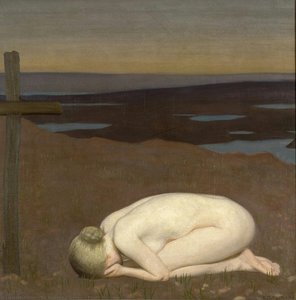
The outbreak of World War I profoundly impacted Clausen’s life and work. Appointed as an official war artist, he documented the conflict through both paintings and lithographs, offering a poignant glimpse into the realities of wartime experience. However, it was a deeply personal tragedy that arguably had the most profound effect on his art. The loss of his daughter's fiancé during the war inspired Youth Mourning, a hauntingly beautiful painting depicting a young woman consumed by grief in a desolate landscape. This work is not merely a depiction of sorrow; it’s an embodiment of the collective trauma experienced by a nation grappling with unimaginable loss. His contribution to the print portfolio *Britain's Efforts and Ideals* through six lithographs further demonstrates his commitment to documenting the war effort, showcasing the industrial production supporting the troops at the front. This period marked a shift in Clausen’s artistic focus, moving from idyllic scenes of rural life to more somber reflections on the human cost of conflict.Legacy and Lasting Influence
Sir George Clausen died in 1944, leaving behind a rich and diverse body of work that continues to resonate with audiences today. His historical significance lies not only in his contribution to the development of British Impressionism but also in his ability to capture the essence of a changing world with sensitivity, skill, and profound emotional depth. He successfully bridged the gap between traditional academic techniques and modern artistic sensibilities, creating a style that was both innovative and deeply rooted in English artistic traditions. Here are some key achievements:- Elected Royal Academician
- Founder of the New English Art Club
- Rural life
- Light and atmosphere
- Human figures
- War art
- Impressionism
- Jules Bastien-Lepage
- Plein air painting
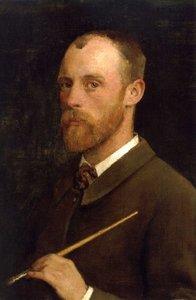
Sir George Clausen
1852 - 1944 , United Kingdom
Quick Facts
- Artistic Movement Or Style: Impressionism
- Artists Or Movements Influenced By This Artist: ['New English Art Club']
- Artists Who Influenced This Artist: ['Jules Bastien-Lepage']
- Date Of Birth: 1852
- Date Of Death: 1944
- Full Name: Sir George Clausen
- Nationality: British
- Notable Artworks:
- The Chinese Pot
- Little White Roses
- Youth Mourning
- Place Of Birth: London, UK
Related Articles

Beyond the Horizon: 10 Landscape Masterpieces for Your Home Decor
Journey through 10 breathtaking landscape paintings by Monet, Van Gogh & more! Explore iconic artworks, artistic techniques & find inspiration for your home decor. Museum-quality reproductions at ArtsDot.com. Discover all masterpieces on ArtsDot.com
Impressionistic Landscapes: 10 Masterpieces That Changed Art & Decor
Journey into the heart of Impressionism! Explore 10 masterpieces by Monet, Renoir & Degas that revolutionized landscape art. Discover their stories, techniques & find museum-quality reproductions to elevate your home decor on ArtsDot.com.

John Constable's Masterpieces: Explore 25 Iconic Landscapes for Your Home
Journey through John Constable's 25 most celebrated landscapes. Explore Romanticism, Dedham Vale & his masterful use of light in iconic paintings like 'Hay Wain'. Find museum-quality art reproductions and elevate your home decor on ArtsDot.com.
Impressionist Landscapes: 10 Masterpieces for Your Home | ArtsDot
Journey through 10 iconic Impressionist landscapes by Monet, Renoir & Degas. Explore the history, techniques & emotions behind these masterpieces. Find museum-quality reproductions for your home at ArtsDot.com – where art comes to life! Discover all masterpieces on ArtsDot.com
Cultivating Paradise: A Historical & Artistic Exploration of Gardens in Painting
Explore the rich history of gardens in painting! Discover masterpieces from Renaissance to Impressionism & beyond. Learn about symbolism, artists like Monet & Klimt, and find your perfect artwork at ArtsDot.