

 Preview
 Send
Send Share
Share
 Details

 Download
 Similars
 X-Ray
X-Ray Diaporama
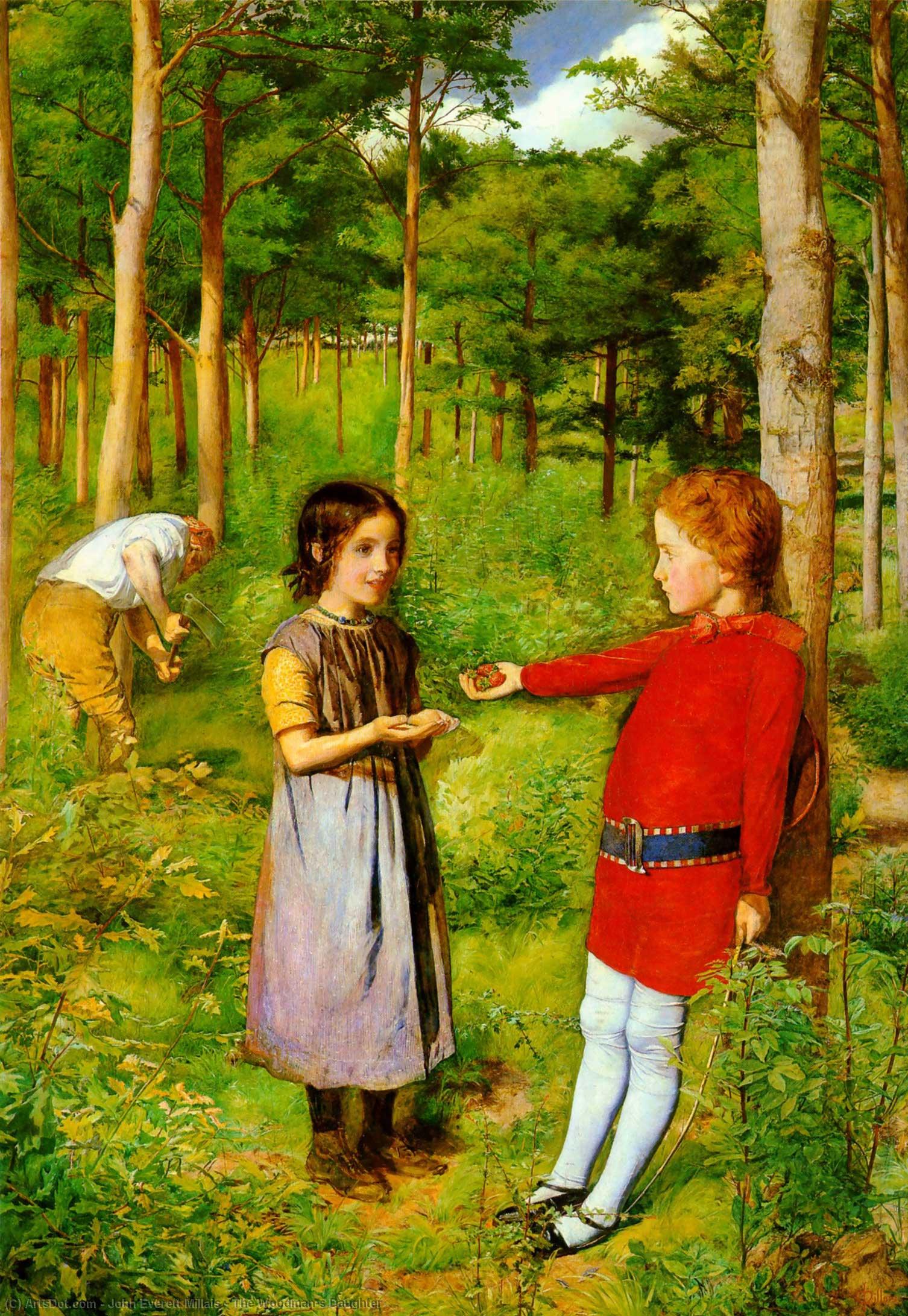
The Woodman's Daughter


 Read More
Purchase a high-resolution, enhanced digital image, far superior to the online preview.
Each file is meticulously prepared by our in-house specialists using advanced tools and expert manual retouching. We ensure every image has exceptional clarity, precise color accuracy, and fine detail.
The final file is delivered via email within 72 hours, optimized for immediate use in professional, editorial, and print environments. This is the same quality trusted by top-tier design studios, publishers, and galleries.
Digital Image
Download a high-resolution file for personal display, printing, and creative projects. ( Buy Print Buy Hand Made Painting)
Included in Every Digital Image Order
Expert Digital Delivery, Guaranteed
When you choose ArtsDot.com, you're not just getting an image - you're receiving a professionally enhanced digital artwork, crafted with precision and backed by a satisfaction guarantee. Here's everything that comes with your order, automatically:

Fast Email Delivery
Your high-resolution digital image file will be emailed to you within 72 hours of ordering - ready for immediate use.

AI-Enhanced Digital File
Your artwork is professionally optimized using advanced AI tools and manual editing, ensuring maximum detail, clarity, and color accuracy.

Free Lifetime Re-Delivery
Accidentally deleted or lost your file? No worries - we'll resend it to you anytime, free of charge.

No Import Fees - Ever
Enjoy your artwork instantly with zero customs, duties, or delivery fees - digital downloads are always tax-free.

Color Accuracy Guarantee
We ensure your digital image reflects the original colors as closely as possible using professional tools and color management.

60-Day Satisfaction Guarantee
If you're not satisfied with your digital image, we'll revise it or refund 100% within 60 days - no questions asked.

100% Money-Back Guarantee
Not satisfied? Get a full refund within 60 days of receiving your digital file - no questions asked.

Bulk Order Discounts
Buy 3 images, save 10% - Buy 5, save 15% - Buy 10+, save 20%. Great for creative projects, galleries, and agencies.
Collectible Description
A Moment Suspended in Verdant Light
To gaze upon The Woodman's Daughter is to step through a veil of time and into a pastoral dreamscape rendered with breathtaking fidelity. Sir John Everett Millais, at the height of his mastery during the Romantic period, captured not merely a scene, but an ephemeral instant—a delicate exchange unfolding amidst the deep embrace of nature. The composition centers on two figures, children whose interaction forms the emotional core of the painting. One child, clad in soft tones, extends a hand toward a boy dressed vividly in red. This gesture, whether it signifies the passing of a gift or perhaps a whispered secret, imbues the entire canvas with an immediate, poignant intimacy. The surrounding woods are not just a backdrop; they are a character themselves, whispering tales of innocence and connection.
The Romantic Heartbeat of Millais's Brushwork
Millais’s adherence to the tenets of Romanticism is palpable here. This movement championed feeling over rigid classicism, allowing for an outpouring of emotion and imagination that resonates deeply with the viewer. His technique, executed in oil on canvas, showcases a meticulous attention to detail—a hallmark of his prodigious talent. Observe how the light filters through the imagined canopy; it does not merely illuminate, but seems to breathe life into every leaf and fold of fabric. The interplay between the vibrant reds of the boy’s attire and the cooler greens of the woods creates a visual harmony that is both serene and deeply engaging. It speaks to an era fascinated by the sublime power found within the natural world.
Symbolism in Nature's Embrace
The woodland setting itself carries profound symbolic weight. In art history, the forest often represents the subconscious, the mystery of life, or a passage into youth. The presence of scattered figures and the watchful birds—one near the upper left, another toward the bottom right—suggests that this private moment is observed by the world around them, adding a layer of narrative complexity. The exchange between the children becomes thus more than a simple transaction; it feels like a rite of passage, a silent covenant made under the benevolent gaze of nature. For the collector or decorator, this depth ensures that the piece transcends mere decoration, becoming a thoughtful meditation on human connection.
Bringing Victorian Poeticism Home
For those seeking to infuse a space with the rich narrative tapestry of the Victorian era, The Woodman's Daughter offers unparalleled depth. Reproducing this masterpiece allows one to possess a piece that speaks volumes about artistic dedication and emotional resonance. The quality of our hand-painted reproductions ensures that you receive not just an image, but a continuation of Millais’s masterful technique—the rich texture of the oil paint, the luminosity of the light, and the palpable sense of peace. Imagine this scene anchoring a drawing-room or study; it invites contemplation, whispers tales of bygone romance, and elevates any interior with its enduring beauty.
Related Artworks

Artist Biography
A Prodigy of the Pre-Raphaelites: The Life and Art of Sir John Everett Millais
Born in Southampton in 1829, John Everett Millais entered the Royal Academy Schools at the astonishing age of eleven—the youngest student ever admitted. This early demonstration of prodigious talent foreshadowed a career that would not only define an artistic movement but also capture the Victorian imagination with its breathtaking realism and emotional depth. From his earliest days, Millais possessed a remarkable gift for observation, a quality that would become the cornerstone of his artistic style. He wasn’t merely painting what he saw; he was meticulously recreating it, imbuing each brushstroke with an almost photographic fidelity. This dedication to truth in representation set him apart and ultimately led him to challenge the established conventions of British art.The Birth of a Brotherhood and Artistic Rebellion
Millais’s artistic trajectory took a pivotal turn in 1848 when, alongside Dante Gabriel Rossetti and William Holman Hunt, he founded the Pre-Raphaelite Brotherhood. This wasn't simply an aesthetic choice; it was a deliberate rebellion against what they perceived as the artificiality of academic art—art that had strayed too far from the natural world and the sincerity of early Renaissance masters, those working *before* Raphael. The Pre-Raphaelites sought to revive the clarity, detail, and vibrant color palettes of artists like Jan van Eyck and Fra Angelico. Their manifesto was one of truth to nature, a rejection of idealized forms, and an embrace of subjects drawn from literature, mythology, and everyday life. Millais’s early works, such as Isabella, immediately showcased this new approach—a meticulous attention to detail combined with a narrative intensity that captivated and often provoked audiences. His most controversial work during this period, Christ in the House of His Parents (1849-50), depicted the Holy Family not as ethereal beings but as ordinary working-class people, sparking outrage among critics who found its realism unsettling and even blasphemous.Evolving Styles and Victorian Sensibilities
The mid-1850s marked a period of significant change for Millais, both personally and artistically. His marriage to Effie Gray, following the annulment of her marriage to John Ruskin, profoundly influenced his work. He moved away from the intensely detailed, symbolic style of his early Pre-Raphaelite paintings towards a broader, more atmospheric realism. This shift wasn’t simply a matter of stylistic preference; it reflected a growing engagement with contemporary life and a desire to capture the fleeting beauty of the natural world. Paintings like Autumn Leaves exemplify this new direction—a serene depiction of a group of young women drifting leaves on a river, imbued with a sense of melancholy and nostalgia. He also found considerable success as a portraitist, capturing the likenesses of prominent Victorian figures, including John Gladstone and Benjamin Disraeli. This period saw Millais achieve widespread popularity and financial security, but it also drew criticism from some who felt he had compromised his artistic principles.Legacy and Lasting Influence
Despite these criticisms, Sir John Everett Millais remains one of the most important figures in 19th-century British art. His influence extends far beyond the Pre-Raphaelite Brotherhood; he helped to redefine the standards of realism and narrative painting, inspiring generations of artists. His iconic images—Ophelia, with its haunting beauty and symbolic richness, A Huguenot, depicting a moment of poignant drama, and countless others—continue to resonate with audiences today. Millais’s ability to blend meticulous observation with emotional depth, his mastery of color and composition, and his willingness to challenge artistic conventions cemented his place as a true innovator. In 1896, he was elected President of the Royal Academy, a testament to his enduring legacy—though sadly, he passed away only months later. His work continues to be celebrated in museums and collections worldwide, ensuring that the beauty and power of his art will endure for generations to come.Major Works & Collections
- Christ in the House of His Parents (1849-1850): Tate Britain, London – A controversial masterpiece that exemplifies early Pre-Raphaelite realism.
- Ophelia (1851-1852): Tate Britain, London – Perhaps his most famous work, renowned for its haunting beauty and symbolic depth.
- A Huguenot (1851-1852): Private Collection – A dramatic depiction of religious conflict and forbidden love.
- Mariana (1850-1851): Manchester Art Gallery – Inspired by Shakespeare and Tennyson, showcasing Millais’s skill in capturing mood and atmosphere.
- Autumn Leaves (1855-1856): City of Manchester Art Galleries – A serene and evocative painting that reflects his evolving style.

Sir John Everett Millais
1829 - 1896 , United Kingdom
Quick Facts
- Artistic Movement Or Style: Pre-Raphaelite, Realism
- Artists Or Movements Influenced By This Artist: Pre-Raphaelite movement
- Date Of Birth: June 8, 1829
- Date Of Death: August 13, 1896
- Full Name: Sir John Everett Millais
- Nationality: British
- Notable Artworks:
- Christ in the House...
- Ophelia
- A Huguenot
- Mariana
- Place Of Birth: Southampton, UK

