 Preview
 Send
Send Share
Share
 Details

 Download
 Similars
 X-Ray
X-Ray Diaporama
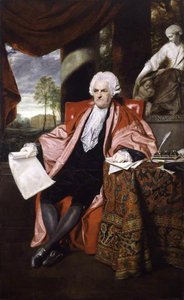
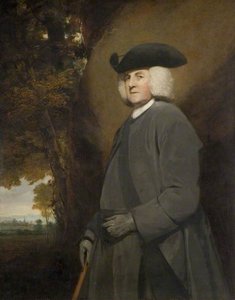
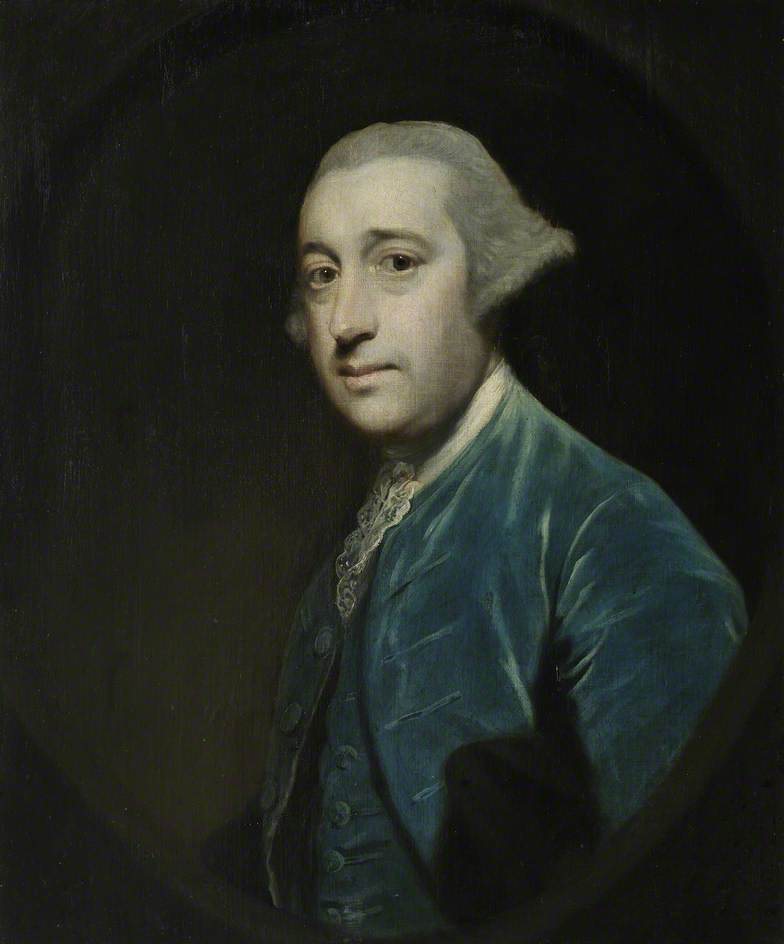
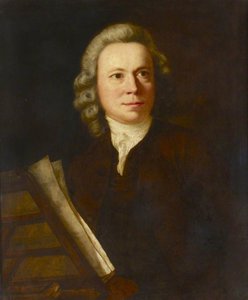
Richard Hopkins (c.1728–1799)
 Oil On Canvas
- WallArt
- Grand Style Portraiture
 74.0 x 61.0 cm
 Queens' College
 Read More
Hand Made Oil Reproduction
Hand-painted oil on canvas in your size and frame, made to order by our artists. ( Buy Print Buy Image)




P118B $10

P118H $10

P118W $10

P438Z $10

P508JH $12

P508YH $12

P805H $10

P805Z $10

P919BZ $10

P919G $10

P919XJ $10

P959ZH $10

P968JZ $12

W106C $8

W218G $10

W218JH $8

W218Y $10

W307PJ $10

W316G $10

W316PJ $8

W316Y $10

W398PJ $8

W4111J $10

W500HY $15

W500JH $15

W692G $12

W849H $8

W940BG $15

W953PJ $8




Pick from our preset sizes that match the artwork's original proportions.

You may enter your own dimensions to fit a specific frame or space. If your selected size does not match the original image's proportions, we will either crop the artwork or extend the painting with additional hand-painted elements. A digital mockup will be sent for your approval before production begins.
Please note that the on-screen preview does not reflect the actual cropping or extension. Only the mockup will accurately show the final composition.
While custom sizes are available, we recommend selecting a dimension from the predefined list to preserve the original proportions.
After order, ArtsDot.com team will email client for instructions and provide a mockup preview
Worldwide Delivery () in 3/4 weeks instead of standard 5 weeks. (16 August). No compromise on quality.

Free Worldwide Express Shipping

High-Quality Linen Canvas

Full Shipping Insurance

Customs Tax Refund Guarantee

True Color Matching Guarantee

60-Day Return Policy (Defects Only)

100% Money-Back Guarantee

Bulk Discount Offer
 Glass option is only available in size under 110 CM

Richard Hopkins (c.1728–1799)
Reproduction Medium
Reproduction Size
-


Total Price
$ 263
Artwork Description
Sir Joshua Reynolds’s Masterpiece: Richard Hopkins – A Portrait of Dignified Reflection
Joshua Reynolds (1723–1792), considered the “master who revolutionized British Art,” stands as a titan amongst portrait painters of his era. His meticulous approach to capturing not merely likeness but also character—a technique he termed ‘Grand Style’—established him as the foremost artist in London and cemented his legacy as a champion of idealized beauty.
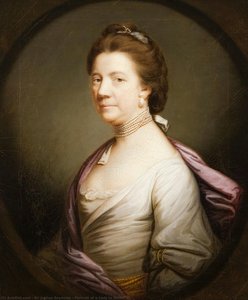
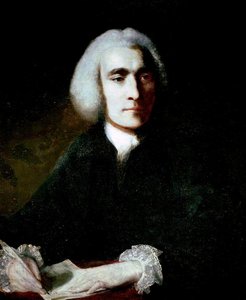
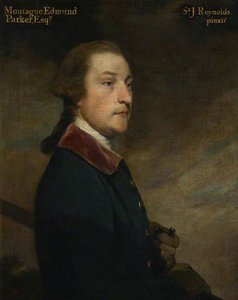
This stunning depiction of Richard Hopkins, circa 1728–1799, exemplifies Reynolds's signature style. Executed in oil on canvas, the portrait presents Hopkins from the chest up against a subtly textured dark background—a deliberate choice that amplifies the luminosity of his attire and draws immediate attention to his face. The artist skillfully employs soft lighting and delicate shading, creating an illusion of depth and dimensionality that transcends mere representation.
- Subject Matter: Hopkins is portrayed with quiet composure, a slight smile hinting at inner contentment—a hallmark of Reynolds’s ability to convey psychological nuance within formal portraiture.
- Composition & Technique: Reynolds's masterful use of chiaroscuro – the dramatic interplay between light and shadow – sculpts Hopkins’s features, emphasizing his musculature and conveying a sense of dignified repose. The meticulous layering of paint creates an incredibly realistic surface texture.
- Attire & Symbolism: Hopkins wears a deep blue coat adorned with intricate embroidery—a symbol of status and wealth indicative of the aristocratic patronage Reynolds catered to. Beneath the coat, a crisp white shirt with lace at the neckline adds an element of elegance and refinement.
- Historical Context: Painted during the Enlightenment, this portrait reflects the intellectual fervor of the time, mirroring Reynolds’s belief in elevating art through idealized beauty—a conscious departure from Caravaggio's dramatic realism. It speaks to a desire for portraying individuals as embodiments of virtue and intellect.
Reynolds’s influence extended far beyond his own lifetime, shaping artistic conventions for decades to come. “Richard Hopkins” remains an enduring testament to his genius—a captivating glimpse into the life and spirit of a man captured with unparalleled grace and artistry.
Provenance: The portrait originates from Queens' College, University of Cambridge, demonstrating its significance as a scholarly artwork and highlighting its preservation within a prestigious institution.
Related Artworks
Artist Biography
A Luminary of the Enlightenment: The Life and Art of Sir Joshua Reynolds
Born in 1723 in the quaint Devonshire town of Plympton, Sir Joshua Reynolds emerged as a pivotal figure during a period of immense cultural transformation in Britain. His father, Reverend Samuel Reynolds, instilled in him a love for learning and intellectual pursuits, initially steering young Joshua towards a scholarly path. However, an undeniable artistic inclination soon surfaced, leading to his apprenticeship with Thomas Hudson in London at the age of seventeen. This formative experience provided Reynolds with a solid foundation in portraiture—a genre that would define his illustrious career. Hudson’s studio was a bustling hub of fashionable society, exposing Reynolds to the demands and expectations of aristocratic patrons, shaping not only his technique but also his understanding of the social landscape he would come to depict so masterfully. It wasn't merely about capturing likeness; it was about constructing an image that reflected status, taste, and aspiration.Forging a ‘Grand Style’ for British Portraiture
Reynolds didn’t simply replicate what he learned from Hudson. He embarked on a journey of artistic exploration, fueled by a deep admiration for the Old Masters—particularly Raphael, Michelangelo, and Titian. A pivotal moment in his development was a sojourn to Rome in 1750, where he immersed himself in classical art and absorbed the principles of the ‘Grand Style’ – an approach that prioritized idealized beauty, dramatic composition, and historical or mythological allusions. Upon returning to England, Reynolds sought to elevate British portraiture beyond mere representation, infusing it with a sense of dignity and intellectual weight previously unseen. He believed that portraits should not just record physical appearances but also reveal the sitter's character and social standing. This ambition led him to incorporate elements of history painting into his work, often depicting his subjects in elaborate costumes or staged settings reminiscent of classical narratives. He wasn’t merely painting *people*; he was crafting enduring images of power, intellect, and refinement.The First President and Champion of the Royal Academy
Reynolds' influence extended far beyond his own canvas. In 1768, he became a founding member of the Royal Academy of Arts, and crucially, its first president—a position he held until his death in 1792. This was a watershed moment for British art, establishing an institution dedicated to fostering artistic talent and promoting national identity. Reynolds tirelessly advocated for the importance of art education and championed the recognition of artists as professionals deserving of respect and patronage. His annual Discourses – lectures delivered to Academy students – became seminal texts on artistic theory and practice, outlining his vision for a distinctly British school of painting. He stressed the importance of studying nature, mastering technique, and cultivating imagination, urging artists to strive for originality while remaining grounded in tradition. Reynolds’ leadership transformed the landscape of British art, elevating its status and laying the foundation for future generations of artistic innovation.Capturing an Era: Notable Works and Enduring Legacy
Reynolds' prolific output encompassed portraits of some of the most prominent figures of 18th-century Britain—members of the aristocracy, literary luminaries, and military heroes. His portrait of Duke of Devonshire, for example, exudes an air of aristocratic power and sophistication, while his depiction of Peter Darnell Muilman, Charles Crokatt and William Keable in a Landscape showcases his ability to integrate figures seamlessly into natural settings. Mr and Mrs William Lindow is another compelling example of his skill in capturing the intimacy and social dynamics of family life. Beyond individual portraits, Reynolds also excelled at group compositions, skillfully arranging multiple figures within a single frame to create dynamic and engaging narratives. His work wasn’t simply about technical proficiency; it was about storytelling—about conveying the essence of an era through carefully constructed images. Reynolds' impact on British art is immeasurable. He not only established portraiture as a respected genre but also helped shape the cultural identity of a nation undergoing rapid social and political change. His emphasis on the ‘Grand Style’ inspired generations of artists, while his leadership of the Royal Academy laid the groundwork for the development of a thriving artistic community. Today, his paintings continue to captivate audiences with their elegance, psychological depth, and historical significance—a testament to the enduring power of his vision and artistry. His works can be found in prestigious collections worldwide, including the Tate Britain in London and the Royal Collection at Hampton Court, ensuring that his legacy will continue to inspire and inform for centuries to come.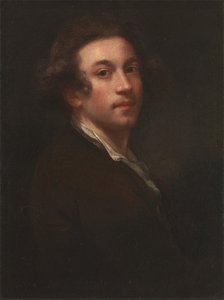
Sir Joshua Reynolds
1723 - 1792 , United Kingdom
Quick Facts
- Artistic Movement Or Style: Grand Style portraiture
- Artists Or Movements Influenced By This Artist: ['Thomas Gainsborough']
- Artists Who Influenced This Artist: ['Thomas Hudson']
- Date Of Birth: 1723
- Date Of Death: 1792
- Full Name: Sir Joshua Reynolds
- Nationality: British
- Notable Artworks:
- Peter Darnell Muilman...
- Mr and Mrs William Lindow
- Portrait of John Hayes...
- Place Of Birth: Plymouth, UK
Related Articles
Sir Joshua Reynolds' Masterpieces: 25 Portraits of Power & Refinement | ArtsDot
Explore 25 captivating portraits by Sir Joshua Reynolds, a master of British art. Discover stories behind his iconic paintings, elegant style & historical influence. Find museum-quality reproductions and elevate your home decor on ArtsDot.com.
Sir Joshua Reynolds: Shaping British Art Through Grand Style & Societal Portraiture
Explore the life & work of Sir Joshua Reynolds, a master of British portraiture and founder of the Royal Academy. Discover his 'Grand Style,' techniques, and lasting influence on art history. Learn more at ArtsDot.

Sir Alfred Munnings' Masterpieces: 25 Paintings That Define Equine Art | ArtsDot
Explore 25 iconic Sir Alfred Munnings paintings! Discover the beauty of British Impressionism, equine art & rural England. Find museum-quality reproductions and elevate your home decor with ArtsDot. Explore the full collection online.
Thomas Hudson: A Study in 18th-Century Portraiture & British Artistic Identity
Explore the life & work of Thomas Hudson, a leading 18th-century British portraitist. Discover his mastery of the 'Grand Manner,' influential style, and lasting impact on British art. Learn about his notable portraits like Judge William Noel & Alexander Van Aken.
Sir George Clausen: Capturing Edwardian Life & British Impressionism's Nuances
Explore the luminous world of Sir George Clausen, a leading British Impressionist painter. Discover his captivating scenes of Edwardian life, rural England & poignant war art. Learn about his legacy and find high-quality reproductions at ArtsDot.