 Preview
 Send
Send Share
Share
 Details

 Download
 Similars
 X-Ray
X-Ray Diaporama
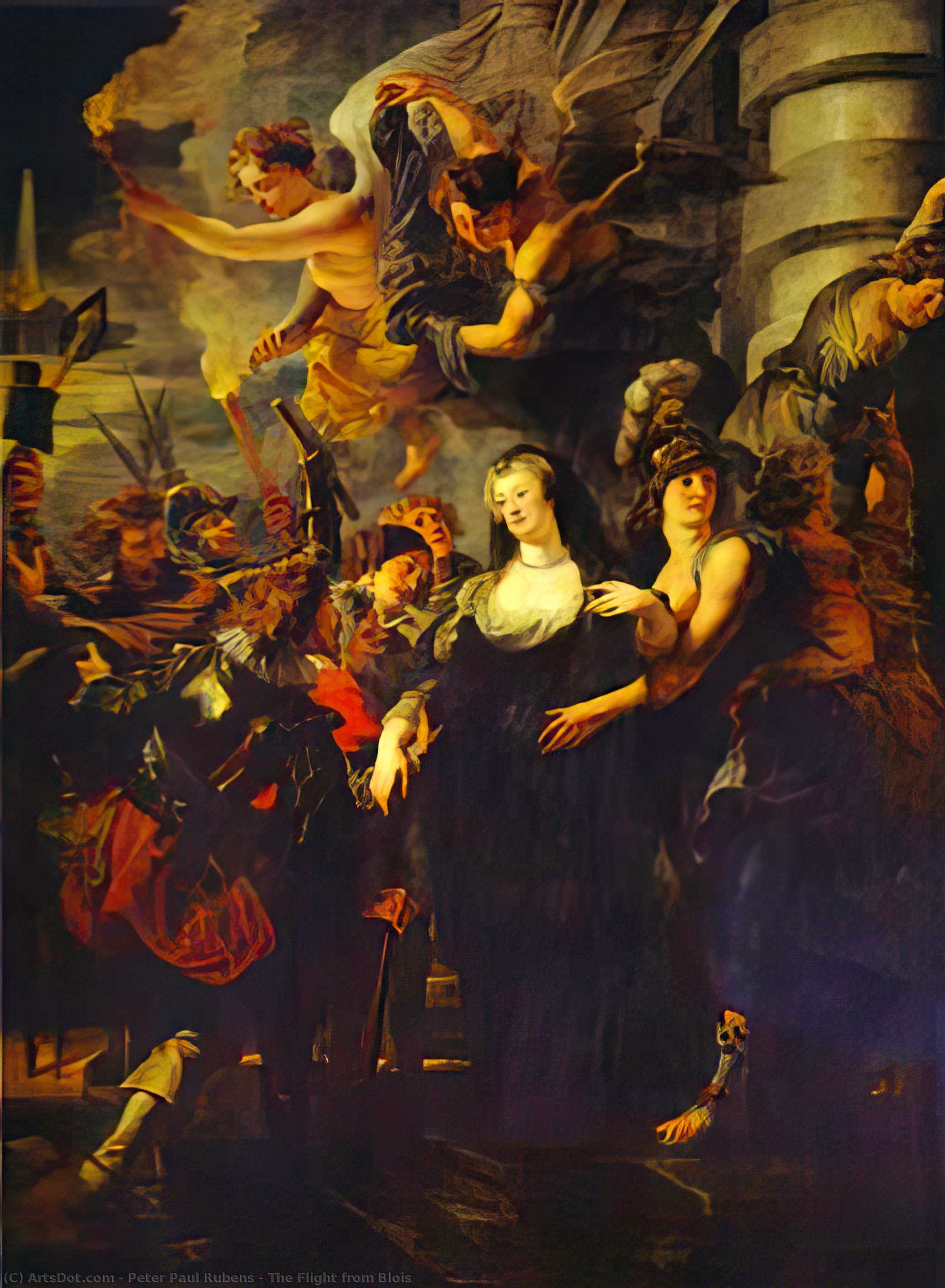
The Flight from Blois


 Read More
Hand Made Oil Reproduction
Hand-painted oil on canvas in your size and frame, made to order by our artists. ( Buy Print Buy Image)




P118B $10

P118H $10

P118W $10

P438Z $10

P508JH $12

P508YH $12

P805H $10

P805Z $10

P919BZ $10

P919G $10

P919XJ $10

P959ZH $10

P968JZ $12

W106C $8

W218G $10

W218JH $8

W218Y $10

W307PJ $10

W316G $10

W316PJ $8

W316Y $10

W398PJ $8

W4111J $10

W500HY $15

W500JH $15

W692G $12

W849H $8

W940BG $15

W953PJ $8




Pick from our preset sizes that match the artwork's original proportions.

You may enter your own dimensions to fit a specific frame or space. If your selected size does not match the original image's proportions, we will either crop the artwork or extend the painting with additional hand-painted elements. A digital mockup will be sent for your approval before production begins.
Please note that the on-screen preview does not reflect the actual cropping or extension. Only the mockup will accurately show the final composition.
While custom sizes are available, we recommend selecting a dimension from the predefined list to preserve the original proportions.
After order, ArtsDot.com team will email client for instructions and provide a mockup preview
Worldwide Delivery () in 3/4 weeks instead of standard 5 weeks. (21 August). No compromise on quality.

Free Worldwide Express Shipping

High-Quality Linen Canvas

Full Shipping Insurance

Customs Tax Refund Guarantee

True Color Matching Guarantee

60-Day Return Policy (Defects Only)

100% Money-Back Guarantee

Bulk Discount Offer
 Glass option is only available in size under 110 CM

The Flight from Blois
Reproduction Medium
Reproduction Size
-


Total Price
$ 263
Artwork Description
A Moment of Defiance Captured in Baroque Splendor
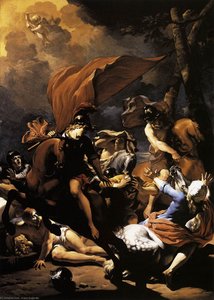
In the grand tapestry of European history, few moments possess the cinematic tension found in Peter Paul Rubens’ The Flight from Blois. This masterpiece is far more than a mere historical record; it is a visceral snapshot of courage and political upheaval. Created between 1622 and 1625, the painting serves as a pivotal chapter in the expansive Marie de’ Medici cycle, a series commissioned by the Queen herself to immortalize her journey from a Florentine princess to the formidable Queen of France. As viewers gaze upon the canvas, they are transported to a time of dynastic maneuvering and religious strife, witnessing a moment where the fate of a monarchy hangs in the balance.
The scene unfolds with an almost breathless urgency, capturing the Queen’s escape from confinement during the turbulent reign of Henry IV and Louis XIII. Rubens does not merely depict a departure; he orchestrates a drama of survival. The composition is thick with movement, as figures clash and surge across the canvas, creating a sense of palpable chaos that is simultaneously held together by the artist's masterful hand. For the collector or lover of fine art, this piece offers an unparalleled window into the high stakes of 17th-century court life, making it a profound centerpiece for any collection dedicated to the era of absolute monarchs.
The Mastery of Light and Allegorical Grandeur
Technically, The Flight from Blois is a triumph of the Flemish Baroque style. Rubens employs the dramatic technique of tenebrism, utilizing sharp, theatrical contrasts between deep shadows and brilliant highlights to sculpt the figures and heighten the emotional stakes. This use of chiaroscuro lends a three-dimensional weight to the characters, making the folds of Marie’s gown and the glint of steel on soldiers' swords feel strikingly real. His brushwork is meticulous yet energetic, ensuring that even amidst the swirling battle, every expression and texture contributes to the overarching narrative of tension.
Beyond the physical struggle, Rubens weaves a complex web of symbolism into the composition. The central figure of Marie de’ Medici stands with an unwavering resolve, her strength bolstered by allegorical figures that transcend the immediate violence. A majestic lion, representing France, and the presence of Aurora, the goddess of dawn, serve as powerful emblems of hope, renewal, and the inevitable rise of a new era. By omitting depictions of pure despair and instead focusing on heroic determination, Rubens elevates a political escape into a mythic triumph. This layer of intellectual depth makes the painting an exquisite choice for interior spaces that demand both visual impact and narrative sophistication.
An Eternal Legacy for the Discerning Eye
For interior designers and art enthusiasts seeking to infuse a space with historical gravity, this work offers a unique opportunity to engage with the very essence of the Baroque movement. The vibrant palette—pulsating with rich pigments that capture the dynamism of the scene—provides a sophisticated focal point that can anchor a room with elegance and drama. Whether displayed in a formal gallery or as a statement piece in a contemporary study, the painting’s ability to evoke emotion is timeless.
Owning a high-quality reproduction of such a significant work allows one to bring the grandeur of the Gemaldegalerie Donaueschingen into the private home. It is an invitation to contemplate the resilience of the human spirit and the artistry of a master who could turn a moment of political flight into an eternal dance of light, shadow, and heroism. The Flight from Blois remains a testament to Rubens’ genius, offering a profound sense of movement and majesty that continues to captivate the modern imagination.
Related Artworks
Artist Biography
A Life Forged in Baroque Splendor
Sir Peter Paul Rubens, a name that resonates with the very essence of Baroque dynamism, was far more than simply a painter. He was a diplomat, a scholar, and a cultural architect who fundamentally reshaped the artistic landscape of 17th-century Europe. Born in Siegen, Germany, in 1577, his early life was marked by displacement—a formative experience that would subtly permeate his later work with an undercurrent of drama and emotional depth. His father, Jan Rubens, a lawyer fleeing religious persecution for his Calvinist beliefs, uprooted the family from their native Antwerp, then under Spanish rule. This initial exile instilled in young Peter Paul a sense of resilience and adaptability, qualities that would serve him well throughout his multifaceted career. Following his father’s death in 1587, the family returned to Antwerp, where he received a humanist education before embarking on his artistic training around 1590, apprenticing under Tobias Verhaecht and Adam van Noort, honing foundational skills in drawing and painting techniques. However, it was his time with Otto van Veen that proved pivotal, exposing him to the rich legacy of Italian Renaissance art—a world he would soon embrace wholeheartedly.
The Italian Awakening and Artistic Synthesis
In 1600, Rubens embarked on a transformative journey to Italy, a pilgrimage that irrevocably shaped his artistic vision. For eight years, he immersed himself in the masterpieces of Michelangelo, Raphael, and Titian, absorbing their mastery of form, color, and composition. The influence of these Renaissance giants is readily apparent in his early Italian works, characterized by classical themes and idealized figures. Yet, Rubens didn’t merely imitate; he synthesized these influences with his own innate talent, developing a distinctive style marked by vibrant hues, dynamic compositions, and a sensuous depiction of the human form. He studied anatomy meticulously, resulting in figures that possessed both physical realism and emotional power—robust bodies imbued with life and movement. This period wasn’t solely about artistic development; it was a profound intellectual awakening, fostering a deep appreciation for classical mythology and literature which would become recurring motifs throughout his oeuvre. Upon returning to Antwerp in 1608, Rubens swiftly established himself as the leading artist of his time, receiving a flood of commissions that testified to his burgeoning reputation and solidifying his position at the forefront of Flemish art.
A Master of Many Forms: Painting Beyond Boundaries
Rubens’s artistic output was astonishingly diverse and prolific. He didn't confine himself to a single genre; instead, he excelled in history paintings, mythological scenes, portraits, landscapes, and religious works—a testament to his versatility and boundless creativity. His large-scale canvases, often intended for churches, palaces, and public spaces, were breathtaking displays of technical virtuosity and dramatic storytelling. The Descent from the Cross (c. 1616-1617) exemplifies his masterful use of light and shadow to create a scene of profound emotional intensity, drawing viewers into the heart of the narrative. The Raising of the Cross (1610-1611), with its swirling figures and dynamic composition, showcases his ability to convey movement and energy—a hallmark of his Baroque style. Even in seemingly static subjects like The Judgement of Paris (c. 1636), Rubens infused a sense of life and vitality through his vibrant color palette and sensual depiction of the human form. His technique was equally remarkable – a masterful command of oil painting, employing impasto to create texture and depth, alongside delicate glazing techniques to achieve luminous effects. He frequently employed allegorical figures and symbolic imagery, layering narratives with complex meanings that invited contemplation and interpretation.
Diplomacy, Legacy, and Enduring Influence
Rubens’s influence extended far beyond the realm of art. His diplomatic skills were highly sought after by the Southern Netherlands (modern-day Belgium), and he undertook numerous missions to England, France, and Spain, negotiating treaties and fostering political alliances—a unique dual role that afforded him a nuanced perspective on European affairs and further enhanced his reputation as a man of intellect and influence. In 1630, he married Hélène Fourment, who became both his muse and frequent subject in his paintings – her youthful beauty gracing many of his later works, embodying the sensuality and vitality that characterized his style. He continued to paint prolifically until his death in Antwerp in 1640, leaving behind a vast legacy that continues to inspire awe and admiration. His impact on subsequent generations of artists is immeasurable; painters like Anthony van Dyck, Jacob Jordaens, and Eugène Delacroix all drew inspiration from his dynamic compositions, vibrant colors, and sensuous figures. Rubens didn’t just define the Baroque style—he elevated painting to a new level of prestige and influence, solidifying Antwerp as a major center of artistic production during the 17th century. He remains, centuries later, a towering figure in the history of art, a testament to the power of human creativity and the enduring allure of Baroque splendor.
Key Characteristics of Rubens’s Style
- Dynamic Composition: Rubens' paintings are known for their energetic and dramatic arrangements of figures.
- Vibrant Color Palette: He employed a rich, warm color scheme that brought his canvases to life.
- Sensuous Figures: His depictions of the human form were characterized by fullness, vitality, and often, overt sensuality.
- Masterful Use of Light and Shadow: Rubens skillfully manipulated light and shadow to create depth, drama, and emotional impact.
- Allegorical Symbolism: His works frequently incorporated allegorical figures and symbolic imagery, adding layers of meaning and complexity.
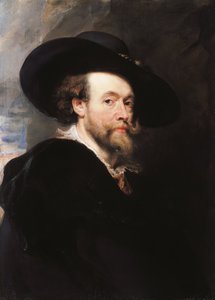
Peter Paul Rubens
1577 - 1640 , Germany
Quick Facts
- Artistic Movement Or Style: Baroque
- Artists Or Movements Influenced By This Artist:
- Anthony van Dyck
- Jacob Jordaens
- Eugène Delacroix
- Artists Who Influenced This Artist:
- Michelangelo
- Raphael
- Titian
- Date Of Birth: 1577
- Date Of Death: 1640
- Full Name: Sir Peter Paul Rubens
- Nationality: Flemish
- Notable Artworks:
- The Descent from the Cross
- The Raising of the Cross
- Portrait of Isabella Brant
- The Last Supper
- Place Of Birth: Siegen, Germany
Related Articles

Demandes Commerciales
APS ofrece reproducciones de bellas artes y encargos personalizados desde 2004. Confían en nosotros corporaciones, hoteles y coleccionistas selectos para obras de arte de calidad museística, servicio discreto y soluciones artísticas completas. ¡Póngase en contacto con nosotros para obtener un presupuesto personalizado!

Goya's Masterpieces: Explore 25 Iconic Paintings & Art Prints | ArtsDot
Delve into the world of Francisco Goya with ArtsDot. Explore 25 iconic paintings – from 'The Third of May' to his haunting Black Paintings. Discover the stories, techniques & emotions behind these Spanish masterpieces. Find museum-quality art reproductions for your home at ArtsDot.com!

A riguardo di noi
Découvrez notre histoire ! Nous apportons l'art de classe mondiale dans votre vie grâce à une sélection experte, des créations personnalisées et des aperçus gratuits. Approuvé par les particuliers et les entreprises depuis 2000.

Baroque Masterpieces: 10 Paintings That Defined an Era |
Journey through the drama & grandeur of Baroque art! Explore 10 masterpieces by Caravaggio, Rembrandt, Rubens & more. Discover stunning oil paintings, rich colors & timeless stories. Find museum-quality reproductions at .

The Dramatic Flourish: Exploring the Baroque Movement's Enduring Legacy in Art History
Explore the dramatic world of Baroque art! Discover iconic artists like Caravaggio & Rubens, defining techniques, and its lasting impact on art history. Expert insights for collectors & enthusiasts at ArtsDot.