

 Preview
 Send
Send Share
Share
 Details

 Download
 Similars
 X-Ray
X-Ray Diaporama
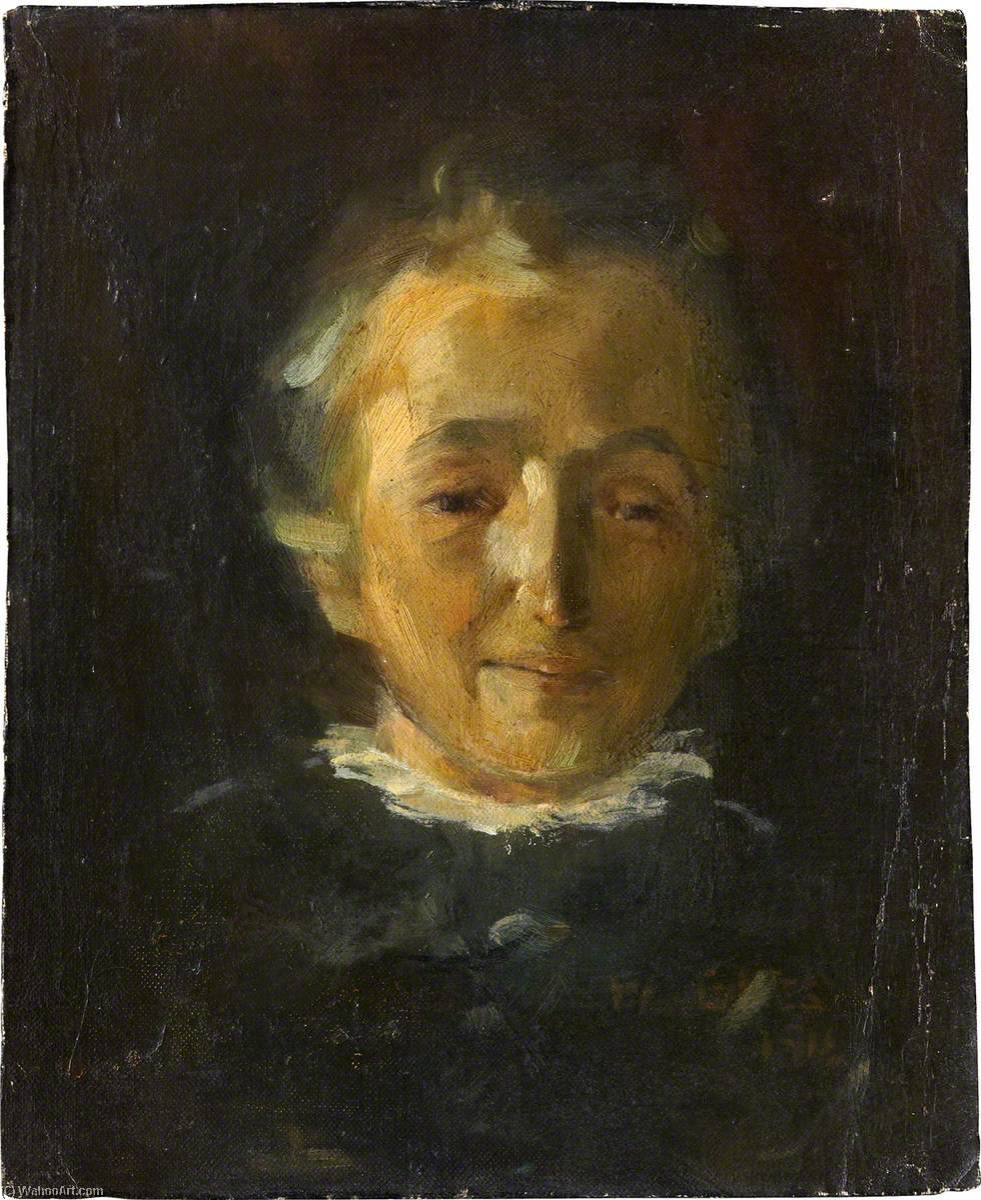
My Mother, 1916
 Oil On Canvas
- WallArt
- Cubism
 1916
1916 37.0 x 30.0 cm
 Royal Scottish Academy of Art - Architecture
 Read More
Purchase a high-resolution, enhanced digital image, far superior to the online preview.
Each file is meticulously prepared by our in-house specialists using advanced tools and expert manual retouching. We ensure every image has exceptional clarity, precise color accuracy, and fine detail.
The final file is delivered via email within 72 hours, optimized for immediate use in professional, editorial, and print environments. This is the same quality trusted by top-tier design studios, publishers, and galleries.
Digital Image
Download a high-resolution file for personal display, printing, and creative projects. ( Buy Print Buy Hand Made Painting)
Included in Every Digital Image Order
Expert Digital Delivery, Guaranteed
When you choose ArtsDot.com, you're not just getting an image - you're receiving a professionally enhanced digital artwork, crafted with precision and backed by a satisfaction guarantee. Here's everything that comes with your order, automatically:

Fast Email Delivery
Your high-resolution digital image file will be emailed to you within 72 hours of ordering - ready for immediate use.

AI-Enhanced Digital File
Your artwork is professionally optimized using advanced AI tools and manual editing, ensuring maximum detail, clarity, and color accuracy.

Free Lifetime Re-Delivery
Accidentally deleted or lost your file? No worries - we'll resend it to you anytime, free of charge.

No Import Fees - Ever
Enjoy your artwork instantly with zero customs, duties, or delivery fees - digital downloads are always tax-free.

Color Accuracy Guarantee
We ensure your digital image reflects the original colors as closely as possible using professional tools and color management.

60-Day Satisfaction Guarantee
If you're not satisfied with your digital image, we'll revise it or refund 100% within 60 days - no questions asked.

100% Money-Back Guarantee
Not satisfied? Get a full refund within 60 days of receiving your digital file - no questions asked.

Bulk Order Discounts
Buy 3 images, save 10% - Buy 5, save 15% - Buy 10+, save 20%. Great for creative projects, galleries, and agencies.
Collectible Description
A Portrait of Quiet Reflection: Exploring William George Gillies’ “My Mother”
Sir William George Gillies (1898–1973) stands as a cornerstone of Scottish Colourism, an artistic movement that championed vibrant landscapes and intimate portraits imbued with emotional resonance. His masterpiece, "My Mother," painted in 1916 during the tumultuous years of World War I, exemplifies this distinctive style—a harmonious blend of Impressionistic observation and Cubist fragmentation designed to capture not just visual likeness but also the essence of human experience.The Landscape Backdrop: Echoes of Scottish Highlands
“My Mother” isn’t merely a depiction of a woman; it's framed by an expansive Highland vista rendered in muted greens, browns, and blues—a deliberate choice reflecting Gillies’ deep connection to his homeland and the enduring influence of Romantic landscape painting. The artist skillfully employs atmospheric perspective, subtly blurring distant hillsides to convey depth and creating a sense of serene isolation. This backdrop serves as more than just scenery; it symbolizes resilience, permanence, and the grounding force of nature amidst upheaval—themes prevalent in Gillies’ oeuvre throughout his career.Cubist Influences: Fragmented Forms and Subtle Color Palette
Despite its tranquil setting, “My Mother” bears unmistakable marks of Cubism, a movement that revolutionized artistic representation by fracturing objects into geometric planes and presenting multiple viewpoints simultaneously. Gillies' approach is understated—avoiding the bold angularity characteristic of Picasso and Braque—but nonetheless incorporating Cubist principles to dissect the woman’s face and torso. This technique isn’t intended to dismantle perception but rather to heighten it, prompting viewers to consider the subject from various perspectives and appreciating the interplay between form and color. The palette is dominated by earthy tones – ochre, umber, and ivory – punctuated by delicate washes of pale blues and greens—creating a harmonious balance that prioritizes tonal nuance over chromatic vibrancy.Gillies' Technique: Oil on Canvas - Precision and Texture
Executed in oil paint on canvas, Gillies’ technique demonstrates meticulous attention to detail and textural richness. He builds up layers of pigment with careful brushstrokes, capturing subtle variations in surface sheen and creating a palpable sense of materiality. The artist’s masterful blending ensures that the colors merge seamlessly, conveying an impression of luminosity and depth—a hallmark of Scottish Colourism's aesthetic goals. Furthermore, Gillies’ meticulous layering contributes to the painting’s enduring beauty and invites contemplation on its artistic merit.Symbolic Resonance: Maternal Strength Amidst Uncertainty
Beyond its formal innovations, “My Mother” resonates with profound symbolic significance. The woman’s gaze—direct yet contemplative—suggests unwavering fortitude in the face of adversity—a sentiment powerfully conveyed during a period marked by global conflict and personal anxieties. Her serene countenance embodies resilience and inner peace—qualities Gillies wished to communicate through his art, reflecting the values of Scottish culture and humanist ideals. The painting’s enduring appeal lies not only in its visual beauty but also in its ability to evoke empathy and contemplation on themes of familial devotion and unwavering spirit.A Legacy Preserved: Displayed at the Royal Scottish Academy
Currently housed at the Royal Scottish Academy of Art - Architecture in Edinburgh, United Kingdom, “My Mother” continues to captivate audiences with its understated elegance and evocative portrayal of human emotion—a testament to Gillies’ artistic vision and the enduring legacy of Scottish Colourism. Its presence within a prestigious institution underscores its significance as a masterpiece of 20th-century art and ensures that its beauty will inspire generations to come.Related Artworks
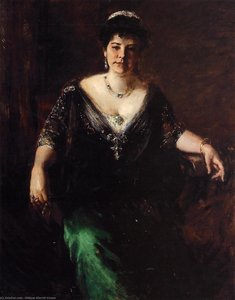
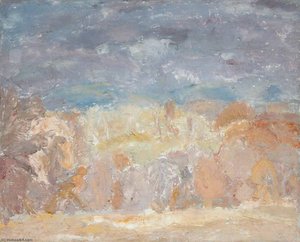
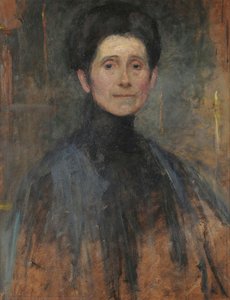
Artist Biography
Sir William George Gillies: A Life in Scottish Art
Early Life and Education
- Born: Haddington, East Lothian, United Kingdom, 1898.
- Gillies initially enrolled at the Edinburgh College of Art but his studies were interrupted by service in World War I with the Royal Engineers.
- Following the war, he returned to complete his education at the Edinburgh College of Art, graduating and subsequently becoming a dedicated teacher there for over 40 years.
Artistic Development and Influences
- Gillies’ artistic journey began with an exploration of Cubism after studying under André Lhote in Paris (1923) and traveling to Italy (1924).
- Early works, like “Two Pots, Saucer and Fruit” (1933), demonstrate this influence, showing a Cézanne-inspired arrangement with Braque and Picasso’s understated color palettes.
- A pivotal moment came in 1934 when he encountered the work of Paul Klee, inspiring him to adopt a more imaginative use of colour and childlike qualities in his compositions.
- He gradually moved away from strict Cubism, developing a distinctive style rooted in Scottish landscape and still life traditions.
The 1922 Group and Collaborative Spirit
- In 1922, Gillies co-founded the “1922 Group” alongside fellow artists including William Crozier, William Geissler, and William MacTaggart.
- This exhibition society provided a platform for emerging Scottish artists to showcase their work at the New Gallery in Edinburgh for a decade.
- The group fostered a sense of community and innovation within the Scottish art scene.
Themes and Subject Matter
- Landscapes: Gillies is renowned for his depictions of the Lothian, Fife, and Border regions of Scotland. He captured the essence of these landscapes with a sensitive eye.
- Still Lifes: Still life compositions were another significant focus, often featuring ceramics created by his younger sister, Emma Smith Gillies, whose premature death in 1936 deeply affected him.
- Portraiture: While he experimented with portraiture early in his career, landscapes and still lifes became his primary subjects.
Major Achievements and Recognition
- Gillies served as Principal of the Edinburgh College of Art from 1959 until his retirement in 1966.
- His prolific output and dedication to teaching had a profound influence on generations of Scottish painters.
- He was elected a Royal Academician (RA), signifying significant recognition within the art world.
Historical Significance and Legacy
- Sir William George Gillies is considered one of Scotland’s most important 20th-century painters.
- His work bridges the gap between early modernism and a distinctly Scottish artistic identity.
- Legacy: His influence extends beyond his paintings, shaping the direction of Scottish art through his teaching and mentorship.
- He died in 1973, leaving behind a rich body of work that continues to be celebrated for its beauty, sensitivity, and enduring relevance.
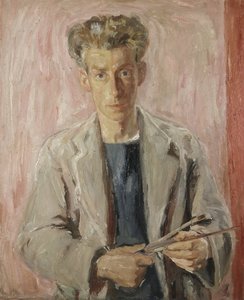
sir william george gillies
1898 - 1973 , United Kingdom
Quick Facts
- Birth Date: 1898
- Birth Place: Haddington, United Kingdom
- Death Date: 1973
- Influenced By:
- André Lhote
- Cézanne
- Braque
- Picasso
- Paul Klee
- Movement:
- Cubism
- Scottish Colourists
- Name: Sir William George Gillies
- Nationality: Scottish
- Notable Works:
- Young Boy with a Teapot
- Mediterranean Landscape with Overcast Sky
- Still Life – Yellow Jug and Striped Cloth
- The Origin of the Milky Way (after Jacopo Tintoretto)

