 Preview
 Send
Send Share
Share
 Details

 Download
 Similars
 X-Ray
X-Ray Diaporama
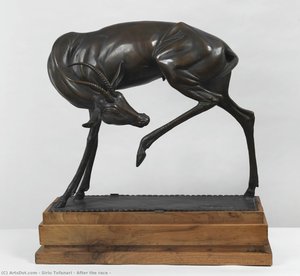
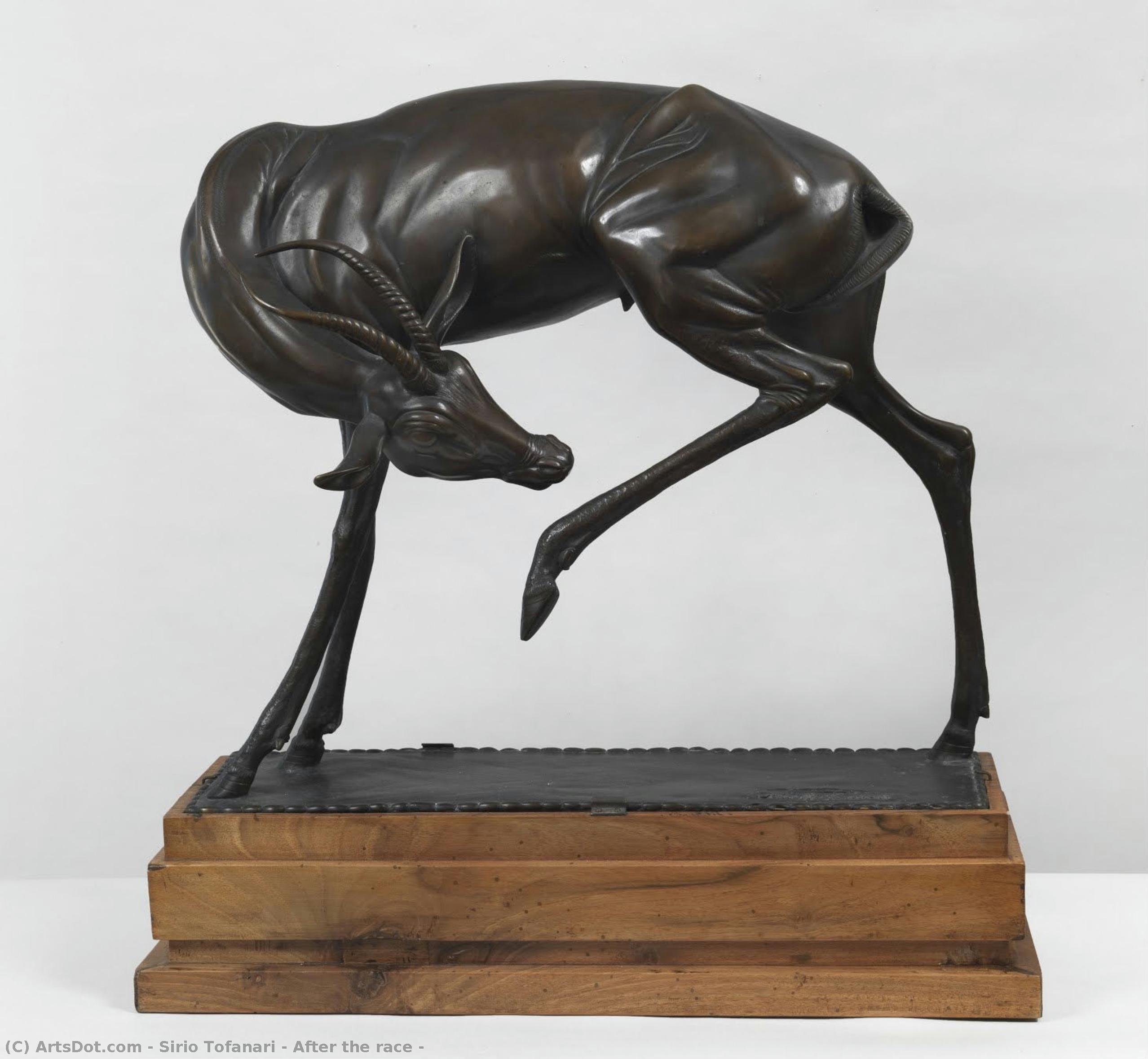
After the race

 Read More
Giclée / Art Print
Museum-quality giclée or canvas print with fast production and flexible finish options. ( Buy Hand Made Painting Buy Image)




































Pick from our preset sizes that match the artwork's original proportions.

You may enter your own dimensions to fit a specific frame or space. If your selected size does not match the original image's proportions, we will either crop the artwork or extend the image with a mirrored or solid-fill edge. A digital mockup will be sent for your approval before production begins.
Please note that the on-screen preview does not reflect the actual cropping or extension. Only the mockup will accurately show the final composition.
While custom sizes are available, we recommend selecting a dimension from the predefined list to preserve the original proportions.
Worldwide Delivery () in 2 weeks instead of standard 4/5 weeks. (27 August)

Free Worldwide Express Shipping

High-Quality Linen Canvas

Full Shipping Insurance

Customs Tax Refund Guarantee

True Color Matching Guarantee

60-Day Return Policy (Defects Only)

100% Money-Back Guarantee

Bulk Discount Offer
 Glass option is only available in size under 110 CM

After the race
Giclée / Art Print
Reproduction Size
-


Total Price
$ 63
Related Artworks






Artist Biography
A Florentine Legacy in Bronze: The Life and Art of Sirio Tofanari
Sirio Tofanari, born in Florence in 1886 into a family steeped in the traditions of ornamental sculpture, emerged as one of Italy’s most celebrated animaliers of the early 20th century. His story is one woven with threads of familial artistry, a deep connection to nature fostered by his father's passion for hunting, and an unwavering dedication to capturing the essence of the animal world in bronze. Orphaned at a young age, Tofanari’s artistic journey began within the walls of Florence’s Academy of Fine Arts, though he soon found himself drawn away from its classical constraints, seeking instead a more direct engagement with his subjects through independent study in London and Paris. It was in these vibrant cultural hubs that his fascination with animals truly blossomed, fueled by countless hours spent observing them at zoos and natural history museums – a practice that would become the cornerstone of his artistic process.The Impressionistic Embrace: Early Influences and Artistic Development
Tofanari’s early work reveals a striking affinity with Rembrandt Bugatti, sharing a similar impressionistic approach to rendering form and character in sculpture. Both artists possessed an extraordinary ability to translate movement and emotion into bronze, imbuing their creations with a sense of raw vitality. However, Tofanari was not merely an imitator; he developed his own distinct voice, gradually incorporating elements of the burgeoning Art Nouveau movement into his style. This shift is visible in the subtle stylistic nuances that appear in his later pieces, hints of flowing lines and organic forms complementing his already keen naturalistic observations. His sculptures weren’t simply representations of animals but rather evocative portraits capturing their unique personalities and inherent grace. The 1908 exhibition in Faenza, where King Victor Emmanuel III acquired one of his bronze gazelles, marked a pivotal moment, propelling Tofanari into the national spotlight and confirming his burgeoning talent.A Celebration of Wildlife: Themes and Techniques
The heart of Tofanari’s artistic output lay in his profound respect for the animal kingdom. He eschewed romanticized or symbolic interpretations, instead focusing on capturing the “living essence” of each creature with remarkable anatomical precision and expressive movement. His preferred medium was bronze, a material that allowed him to convey both the strength and delicacy of his subjects. From majestic big cats to graceful birds and exotic reptiles, Tofanari’s sculptures illustrate a sensitive understanding of animal behavior and form. He rarely depicted animals in dramatic poses; instead, he favored scenes of quiet intimacy – a mother tending to her young, a pair displaying affection, or an individual lost in contemplation. These compositions are characterized by balance, naturalness, and a subtle emotional depth that resonates with viewers on a profound level. Beyond sculpture, Tofanari also demonstrated exceptional skill as a medalist, creating portraits and commemorative pieces that showcased the same technical finesse and artistic sensitivity found in his larger works.International Recognition and Lasting Impact
Throughout his career, Sirio Tofanari exhibited extensively both nationally and internationally, solidifying his reputation as a leading figure in Italian sculpture. He was a regular participant in prestigious events such as the Venice Biennale from 1909 to 1936, and his work graced exhibitions in cities across Europe and the Americas – Barcelona, Buenos Aires, San Francisco, and Brussels among them. His sculptures found their way into prominent public and private collections, including the art collection of Fondazione Cariplo in Italy, and even garnered the attention of royalty, with Queen Elizabeth purchasing pieces for her own collection. While his activity was briefly interrupted by service during World War I, Tofanari returned to his craft with renewed vigor, receiving official recognition as a Knight by Vittorio Emanuele III and becoming an academician of the Academy of Arts and Design in Florence. Today, Sirio Tofanari is remembered not only for his technical mastery but also for his ability to bridge the gap between scientific observation and artistic vision, creating sculptures that are both beautiful and deeply moving testaments to the wonders of the natural world.- Born: Florence, Italy, 1886
- Died: Milan, Italy, 1969
- Known For: Bronze animal sculptures, particularly horses and dogs.
- Influences: Rembrandt Bugatti, Art Nouveau movement
- Major Achievements: Regular participant in the Venice Biennale; international exhibitions; works acquired by royal collections and prominent museums.
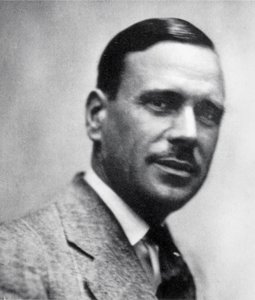
sirio tofanari
1886 - 1969 , Italy
Quick Facts
- Artistic Movement Or Style: Renaissance, Art Nouveau
- Artists Who Influenced This Artist: ['Rembrandt Bugatti']
- Date Of Birth: 1886
- Date Of Death: 1969
- Full Name: Sirio Tofanari
- Nationality: Italian
- Notable Artworks:
- Wounded Deer
- The caress
- Fountain of Crocodiles
- Place Of Birth: Florence, Italy