 Send
Send Share
Share
 Details

 Download
 Similars
 Diaporama
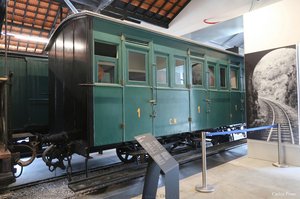
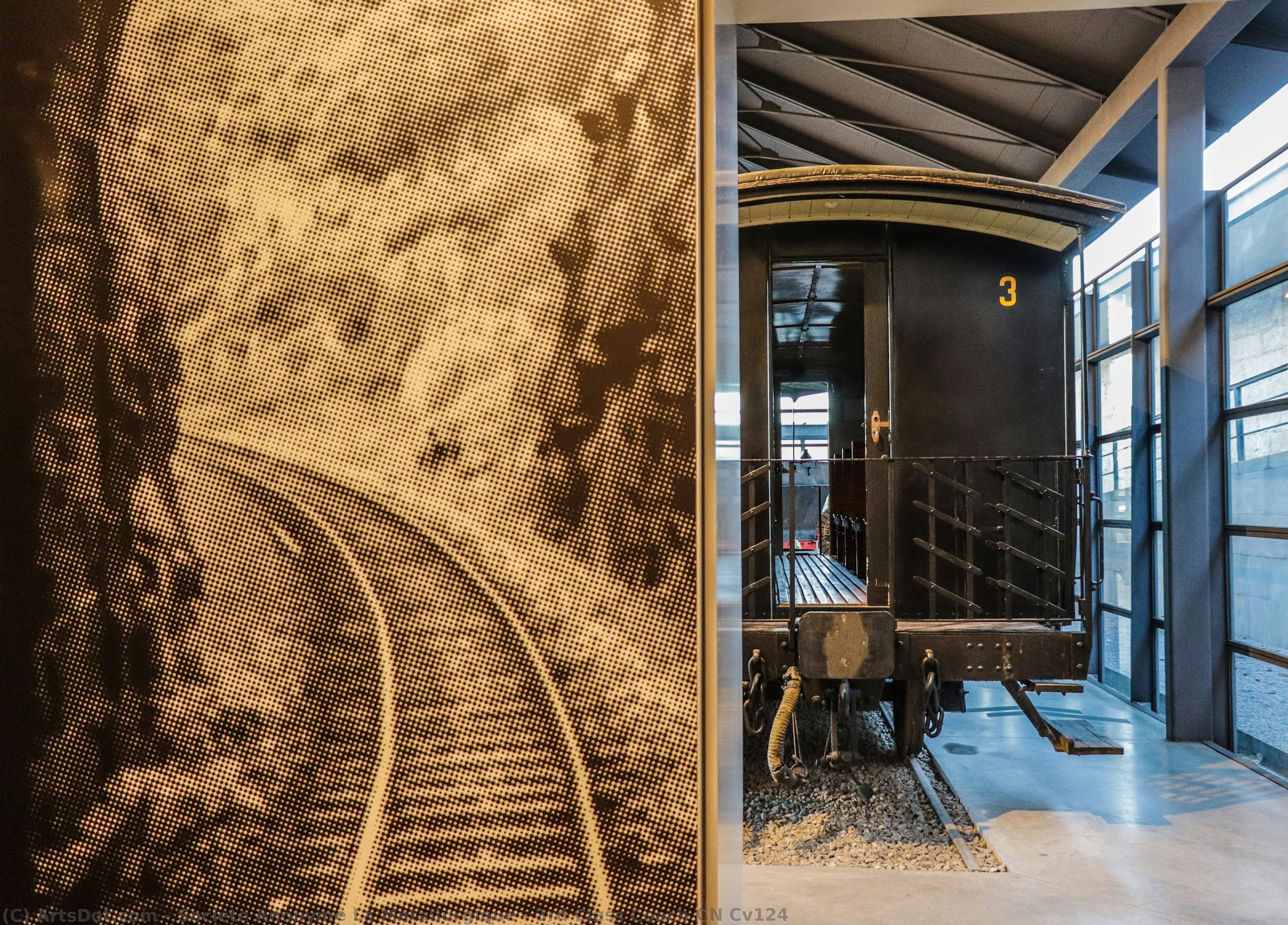
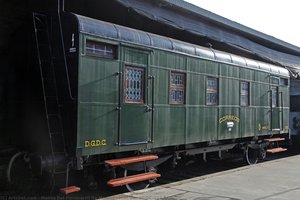
3rd Class Coach CN Cv124


 Read More
Hand Made Oil Reproduction
Hand-painted oil on canvas in your size and frame, made to order by our artists. ( Buy Print Buy Image)




































Pick from our preset sizes that match the artwork's original proportions.

You may enter your own dimensions to fit a specific frame or space. If your selected size does not match the original image's proportions, we will either crop the artwork or extend the painting with additional hand-painted elements. A digital mockup will be sent for your approval before production begins.
Please note that the on-screen preview does not reflect the actual cropping or extension. Only the mockup will accurately show the final composition.
While custom sizes are available, we recommend selecting a dimension from the predefined list to preserve the original proportions.
After order, ArtsDot.com team will email client for instructions and provide a mockup preview
Worldwide Delivery () in 3/4 weeks instead of standard 5 weeks. (17 August). No compromise on quality.

Free Worldwide Express Shipping

High-Quality Linen Canvas

Full Shipping Insurance

Customs Tax Refund Guarantee

True Color Matching Guarantee

60-Day Return Policy (Defects Only)

100% Money-Back Guarantee

Bulk Discount Offer
 Glass option is only available in size under 110 CM

3rd Class Coach CN Cv124
Reproduction Medium
Reproduction Size
-


Total Price
$ 263
Artwork Description
Related Artworks
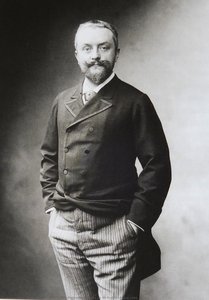
Artist Biography
The Enigmatic Société Anonyme La Métallurgique: Beyond Railway Carriages
Société Anonyme La Métallurgique remains a fascinating, if somewhat elusive, presence in the landscape of early 20th-century art and design. While perhaps best known today for their exquisitely crafted railway carriages – testaments to an era of burgeoning industrial progress and refined travel – the company’s artistic endeavors extended beyond the realm of transportation, encompassing religious diptychs that reveal a surprising breadth of skill and stylistic influence. Unfortunately, detailed biographical information regarding La Métallurgique is scarce; it appears they operated primarily as a manufacturing entity, employing artists to execute decorative schemes for their commissions rather than functioning as a collective of named individual masters. This makes tracing a definitive artistic lineage challenging, yet the works themselves speak volumes about the cultural currents and technical capabilities of the period.From Industrial Production to Religious Art
The company’s origins lie in Belgium, likely flourishing during the Belle Époque – a time characterized by optimism, technological innovation, and a renewed appreciation for craftsmanship. The railway carriages produced by La Métallurgique were not merely functional objects; they were statements of luxury and social status. The “1st Class Coach CN A.13” exemplifies this approach, showcasing intricate wood paneling, plush upholstery, and meticulous attention to detail that elevated train travel into an experience of refined comfort. However, the discovery of works like “Saint Catherine of Siena and Saint Dominic receiving the rosary” presents a compelling contrast. This diptych, executed in a Baroque/Mannerist style with techniques reminiscent of aged frescoes, suggests La Métallurgique possessed – or contracted – artists capable of producing sophisticated religious iconography. The juxtaposition is striking: a company seemingly dedicated to modern transport also created pieces steeped in traditional devotional imagery. It’s plausible that these commissions catered to a different clientele, perhaps institutions or private collectors seeking ornate and spiritually resonant artwork.Style and Influences
The stylistic range evident in La Métallurgique's output is noteworthy. The railway carriages demonstrate an affinity for the Art Nouveau aesthetic – characterized by flowing lines, organic motifs, and a celebration of natural forms – blended with elements of early Modernism’s emphasis on streamlined design. In contrast, the religious diptych draws heavily from the traditions of Baroque painting, particularly in its dramatic composition, rich color palette, and emotive figures. The influence of Flemish masters is also discernible, hinting at a deep understanding of Renaissance and Mannerist techniques. This ability to seamlessly navigate diverse stylistic territories suggests La Métallurgique either employed a versatile team of artists or actively sought out specialists capable of executing projects in various traditions. The company’s work doesn't appear to be driven by a singular artistic vision, but rather a commitment to fulfilling the specific aesthetic demands of each commission.Historical Significance and Legacy
While Société Anonyme La Métallurgique may not occupy a prominent position in art historical canon, their contribution is significant nonetheless. Their railway carriages offer valuable insights into the material culture of the Belle Époque, reflecting the social values and aesthetic preferences of the era. The religious artwork, though less widely known, demonstrates the continued vitality of traditional artistic practices during a period of rapid change. The company’s story serves as a reminder that art production was often intertwined with industrial processes and commercial enterprises. They represent a fascinating intersection of craftsmanship, technology, and patronage – a testament to the diverse creative energies that shaped the early 20th century. Further research into their archives may reveal more about the artists they employed and the broader context of their artistic endeavors, shedding light on a previously overlooked chapter in art history.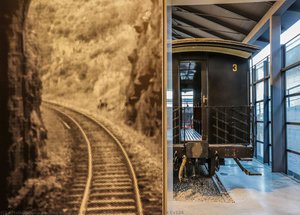
Quick Facts
- Date Of Death: Living
- Full Name: Societe Anonyme La Metallurgique
- Notable Artworks:
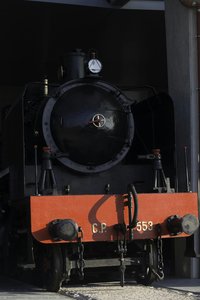
- 1st Class Coach CN A.13
- Saint Catherine & Dominic
- 3rd Class Coach CN Cv124
Related Articles
Echoes of Time: Nostalgia, Technique & Cultural Significance in Vintage Paintings
Explore the captivating world of vintage paintings! Discover key styles, cultural significance & collecting tips from art experts at ArtsDot. Find authentic reproductions and elevate your home décor.
The Eloquence of Arrangement: Compositional Strategies in Western Art from the Renaissance to Modernism
Explore the evolution of compositional strategies in Western art! Discover how masters like Raphael & Zurbaran used perspective, proportion, and dynamic arrangement to create timeless masterpieces. Enhance your art appreciation today!
Kandinsky's Masterpieces: 25 Paintings That Define Abstract Art | ArtsDot
Journey through Wassily Kandinsky's 25 most iconic abstract paintings. Explore his revolutionary use of color, form & spiritual expressionism. Find museum-quality Kandinsky reproductions and elevate your home decor with ArtsDot.com. Discover all masterpieces on ArtsDot.com!
Echoes of Time: Exploring the Enduring Appeal of Vintage Artwork
Explore the captivating world of vintage art! Discover its history, enduring appeal, & how to build your own collection. Expert advice, custom reproductions & museum-quality prints at ArtsDot.

Echoes of Time: Exploring the Enduring Appeal & Historical Context of Vintage Art Prints
Explore the captivating world of vintage art prints! Discover their history, collecting tips & enduring appeal. Expert insights on chromolithography and building a legacy collection with ArtsDot.