

 Preview
 Send
Send Share
Share
 Details

 Download
 Similars
 X-Ray
X-Ray Diaporama
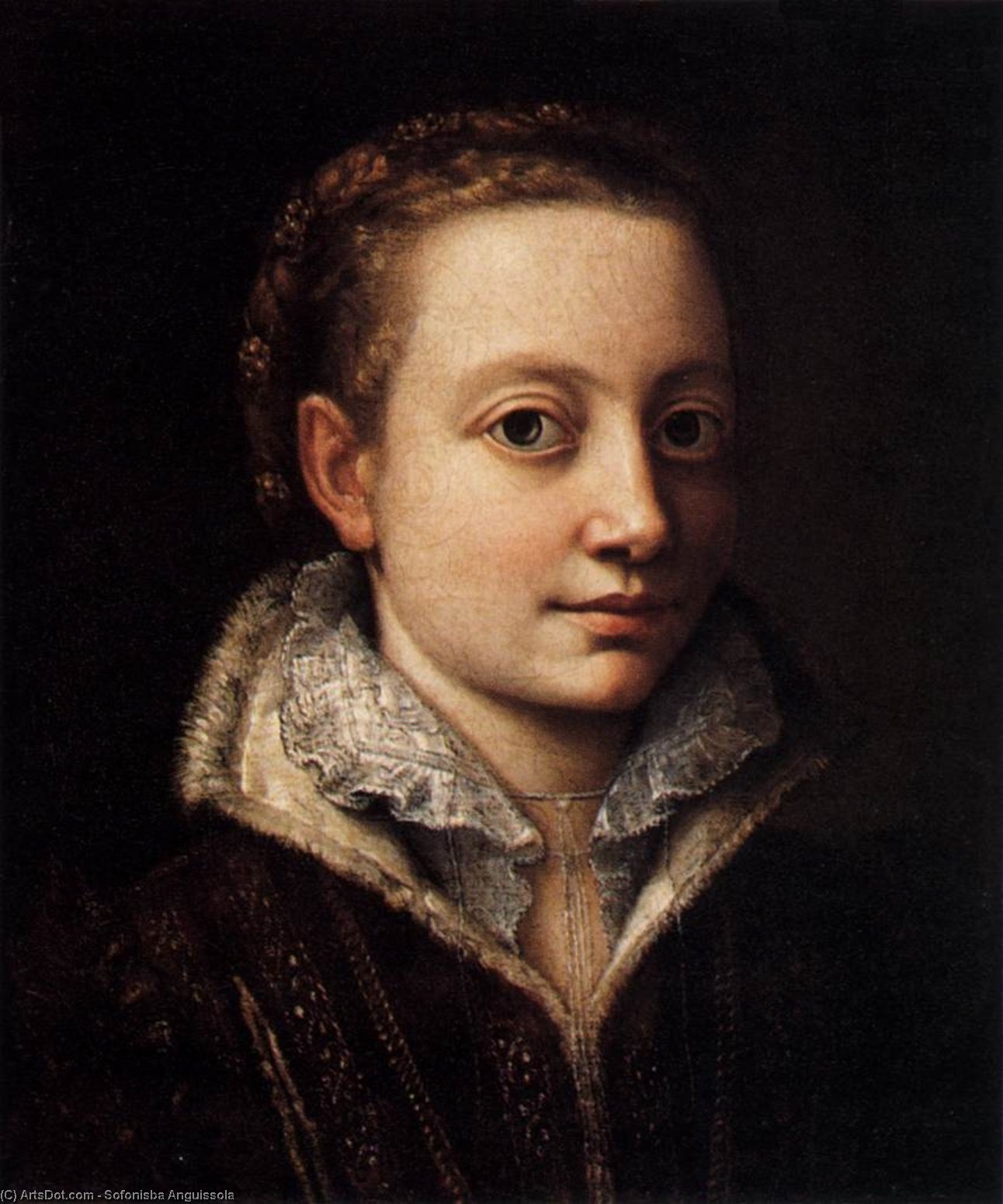
Portrait of Minerva Anguissola
 Oil On Canvas
- WallArt
- Mannerism
 36.0 x 29.0 cm
 Pinacoteca di Brera
 Read More
Purchase a high-resolution, enhanced digital image, far superior to the online preview.
Each file is meticulously prepared by our in-house specialists using advanced tools and expert manual retouching. We ensure every image has exceptional clarity, precise color accuracy, and fine detail.
The final file is delivered via email within 72 hours, optimized for immediate use in professional, editorial, and print environments. This is the same quality trusted by top-tier design studios, publishers, and galleries.
Digital Image
Download a high-resolution file for personal display, printing, and creative projects. ( Buy Print Buy Hand Made Painting)
Included in Every Digital Image Order
Expert Digital Delivery, Guaranteed
When you choose ArtsDot.com, you're not just getting an image - you're receiving a professionally enhanced digital artwork, crafted with precision and backed by a satisfaction guarantee. Here's everything that comes with your order, automatically:

Fast Email Delivery
Your high-resolution digital image file will be emailed to you within 72 hours of ordering - ready for immediate use.

AI-Enhanced Digital File
Your artwork is professionally optimized using advanced AI tools and manual editing, ensuring maximum detail, clarity, and color accuracy.

Free Lifetime Re-Delivery
Accidentally deleted or lost your file? No worries - we'll resend it to you anytime, free of charge.

No Import Fees - Ever
Enjoy your artwork instantly with zero customs, duties, or delivery fees - digital downloads are always tax-free.

Color Accuracy Guarantee
We ensure your digital image reflects the original colors as closely as possible using professional tools and color management.

60-Day Satisfaction Guarantee
If you're not satisfied with your digital image, we'll revise it or refund 100% within 60 days - no questions asked.

100% Money-Back Guarantee
Not satisfied? Get a full refund within 60 days of receiving your digital file - no questions asked.

Bulk Order Discounts
Buy 3 images, save 10% - Buy 5, save 15% - Buy 10+, save 20%. Great for creative projects, galleries, and agencies.
Collectible Description
The Enigmatic Gaze: Unveiling Sofonisba Anguissola’s Portrait of Minerva Anguissola
Sofonisba Anguissola's “Portrait of Minerva Anguissola,” painted around 1564, is more than a simple likeness; it’s a carefully constructed tableau of identity, ambition, and the burgeoning role of women in Renaissance art. The painting immediately draws the viewer into a direct engagement with its subject – a woman radiating intelligence and quiet strength. Minerva, depicted against a subtly textured dark background, holds her gaze with an unwavering intensity, challenging the traditional passive portrayal often assigned to female subjects. Her posture is remarkably self-assured, a deliberate assertion of presence within a world largely dominated by male artistic conventions. The subtle turn of her head, the delicate placement of her hands – every detail speaks to a conscious effort on Anguissola’s part to elevate her sister beyond mere portraiture and into the realm of dignified representation.
- Style & Technique: The painting exemplifies the late mannerism style prevalent in 16th-century Italy, characterized by an emphasis on elegance, psychological depth, and a refined use of light and shadow. Anguissola’s masterful handling of oil paint creates a remarkable sense of texture – from the soft folds of Minerva's clothing to the delicate sheen of her hair. The muted color palette—primarily browns, creams, and subtle blues—contributes to an atmosphere of contemplative serenity.
- Composition: The composition is remarkably balanced, with Minerva occupying the central space and drawing the eye directly to her face. The use of a half-length pose was innovative at the time, allowing for greater detail in the subject’s expression and attire.
A Pioneer's Legacy: Sofonisba Anguissola and the Breaking of Artistic Barriers
Sofonisba Anguissola’s story is inextricably linked to the broader context of Renaissance art, where women were largely excluded from formal artistic training. Her father, Amilcare Anguissola, a shrewd instrument maker and musician, recognized her exceptional talent early on and defied societal expectations by providing her with an unusually comprehensive education that included drawing, painting, music, and Latin. This radical decision paved the way for her to become one of the few female artists to achieve significant recognition during this period. Her success wasn’t merely a matter of skill; it was a testament to her determination to challenge established norms and assert her artistic agency in a male-dominated world.
Historical Context:During the 16th century, women artists faced considerable obstacles. They were often excluded from formal training, denied access to prestigious art academies, and frequently relegated to producing works for private commissions or devotional subjects. Anguissola’s rise to prominence was therefore all the more remarkable, representing a significant step forward for female artists in Italy.
Symbolism & Intimacy: Decoding the Portrait's Layers
Beyond its formal qualities, “Portrait of Minerva Anguissola” is rich in symbolic meaning. The dark background serves to isolate and emphasize the subject’s presence, suggesting a sense of introspection and inner strength. The simple yet elegant attire—a white collar and a dark gown—reflects her status as a noblewoman while simultaneously conveying an air of quiet dignity. Notably, Minerva's gaze is direct and unwavering, projecting confidence and intelligence. Some art historians suggest that the painting may also represent Anguissola herself, subtly asserting her own artistic identity within the portrait.
Further Research:The painting’s provenance has been meticulously documented, tracing its journey through various collections over centuries. It is currently housed in the Pinacoteca di Brera in Milan, where it continues to captivate viewers with its timeless beauty and profound psychological depth. Examining related works by Anguissola, such as her self-portraits and family portraits, provides further insight into her artistic style and personal life.
A Timeless Masterpiece: Reproduction & Artistic Inspiration
Reproductions of “Portrait of Minerva Anguissola” offer a remarkable opportunity to experience the artistry of this Renaissance icon. The meticulous detail and nuanced expression captured by Anguissola are faithfully reproduced in high-quality prints, allowing art lovers to bring this captivating portrait into their homes or offices. Whether used as a statement piece in a sophisticated interior design scheme or simply admired for its historical significance, this painting remains a powerful symbol of female artistic achievement and the enduring allure of Renaissance beauty.
Related Artworks

Artist Biography
A Renaissance Illuminated: The Life and Art of Sofonisba Anguissola
Sofonisba Anguissola emerged from the vibrant artistic landscape of 16th-century Italy as a true pioneer, challenging societal norms and establishing herself as one of the most celebrated female painters of the Renaissance. Born around 1532 in Cremona to Amilcare Anguissola and Bianca Ponzoni, she benefited from an unusually progressive upbringing for a woman of her time. Her father, recognizing the exceptional artistic talent within his daughters – Sofonisba, Elena, Lucia, and Europa – defied convention by providing them with a humanist education encompassing Latin, music, and crucially, drawing. This commitment to their intellectual and creative development was revolutionary, laying the foundation for Sofonisba’s remarkable career. The Anguissola family, though noble, wasn't wealthy; Amilcare believed in nurturing his daughters’ gifts as a means of social advancement and personal fulfillment, a radical notion that would reshape opportunities for women artists for generations to come. In 1546, Sofonisba and Elena began formal training under Bernardino Campi, a respected local painter, followed by studies with Bernardino Gatti (Il Sajarolo) around 1550 – apprenticeships that were groundbreaking in themselves, opening doors previously closed to women seeking artistic mastery.Intimacy and Innovation: The Development of an Artistic Voice
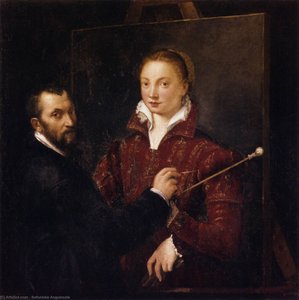
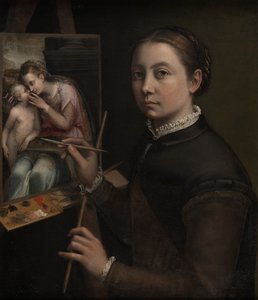
Anguissola’s early work is characterized by a remarkable intimacy and psychological depth, particularly evident in her portraits of her family. These weren't merely exercises in likeness; they were insightful explorations of personality and familial relationships. Paintings like “Portrait of the Artist’s Sisters Playing Chess” (circa 1555) are masterful demonstrations of this ability, capturing a candid moment of interaction with nuanced expressions and gestures. The composition feels remarkably natural, eschewing the stiff formality often found in portraits of the era. Her style initially drew from Lombard Mannerism, but evolved during her time in Spain into a more refined approach suited to the demands of court portraiture. She possessed an exceptional talent for depicting realistic features with subtle coloring and conveying emotion through delicate brushwork. Self-portraits became a recurring theme throughout her career, serving not only as demonstrations of skill but also as powerful assertions of her identity as a female artist in a male-dominated world. “Self-Portrait at the Easel” (1556) is particularly iconic, presenting Sofonisba confidently engaged in her craft, challenging viewers to acknowledge her artistic authority.A Courtly Commission: Life and Work in Spain
In 1559, a pivotal moment arrived when Anguissola was invited to Spain by Queen Elizabeth of Valois, wife of King Philip II. This invitation wasn’t simply an offer of employment; it was a recognition of her exceptional talent and a testament to the queen's own artistic inclinations. Sofonisba served as a lady-in-waiting and tutor in painting, becoming an official court painter – a position almost unheard of for a woman at that time. She created portraits of the royal family and Spanish nobility, adapting her style to meet the formal requirements of court portraiture while retaining her sensitivity to character. Her presence at court was significant; she wasn’t merely tolerated as a female artist but actively valued for her skills and companionship. Following Queen Elizabeth's untimely death in 1568, Philip II facilitated Sofonisba’s marriage to Fabrizio Moncada, a Sicilian nobleman, allowing her to continue painting while maintaining a noble status. This arrangement demonstrated the king’s respect for her artistry and his desire to ensure her continued well-being. She later remarried after Moncada's death, continuing to paint throughout her life.Legacy of a Pioneer: Influence and Historical Significance
Sofonisba Anguissola’s achievements extended far beyond the confines of the Spanish court. Her work challenged conventional artistic norms and paved the way for future generations of female artists. She demonstrated that women could not only excel in the arts but also achieve international recognition and patronage. Her influence can be seen in the works of subsequent female painters who followed her example, breaking down barriers and challenging societal expectations. Key influences on Anguissola included the Lombard school of painting, particularly the work of Bernardino Campi and Bernardino Gatti, but she ultimately forged her own unique style characterized by realism, intimacy, and psychological insight. Her self-portraits remain powerful symbols of female artistic agency, inspiring artists and scholars to this day.Enduring Recognition
Today, Sofonisba Anguissola is rightfully recognized as one of the most important figures of the Renaissance. Her paintings are held in prestigious collections around the world, including the Museo del Prado in Madrid, the Uffizi Gallery in Florence, and the Isabella Stewart Gardner Museum in Boston. Her story continues to resonate with audiences, reminding us of the power of art to transcend societal boundaries and the enduring legacy of a woman who dared to defy expectations and pursue her passion. Her ability to capture not just likenesses but also the inner lives of her subjects ensures that her work remains captivating and relevant centuries after its creation.- Her paintings can be seen in Boston (Isabella Stewart Gardner Museum), Milwaukee (Milwaukee Art Museum), Bergamo, Brescia, Budapest, Madrid (Museo del Prado), Naples, and Siena.
- Giorgio Vasari praised her ability to draw, color, paint from nature, copy excellently, and create beautiful paintings.
Sofonisba Anguissola
1532 - 1625 , Italy
Quick Facts
- Artistic Movement Or Style: Renaissance, Mannerism
- Artists Or Movements Influenced By This Artist: ['Female Renaissance artists']
- Artists Who Influenced This Artist:
- Bernardino Campi
- Bernardino Gatti
- Date Of Birth: c. 1532
- Date Of Death: 1625
- Full Name: Sofonisba Anguissola
- Nationality: Italian
- Notable Artworks:
- Self-Portrait at the Easel
- Family Portrait Anguissola
- Portrait of Minerva Anguissola
- Place Of Birth: Cremona, Italy

