 Preview
 Send
Send Share
Share
 Details

 Download
 Similars
 X-Ray
X-Ray Diaporama
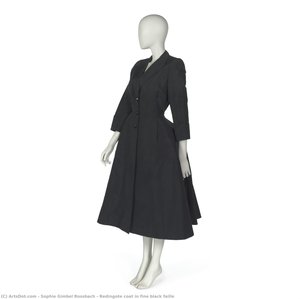
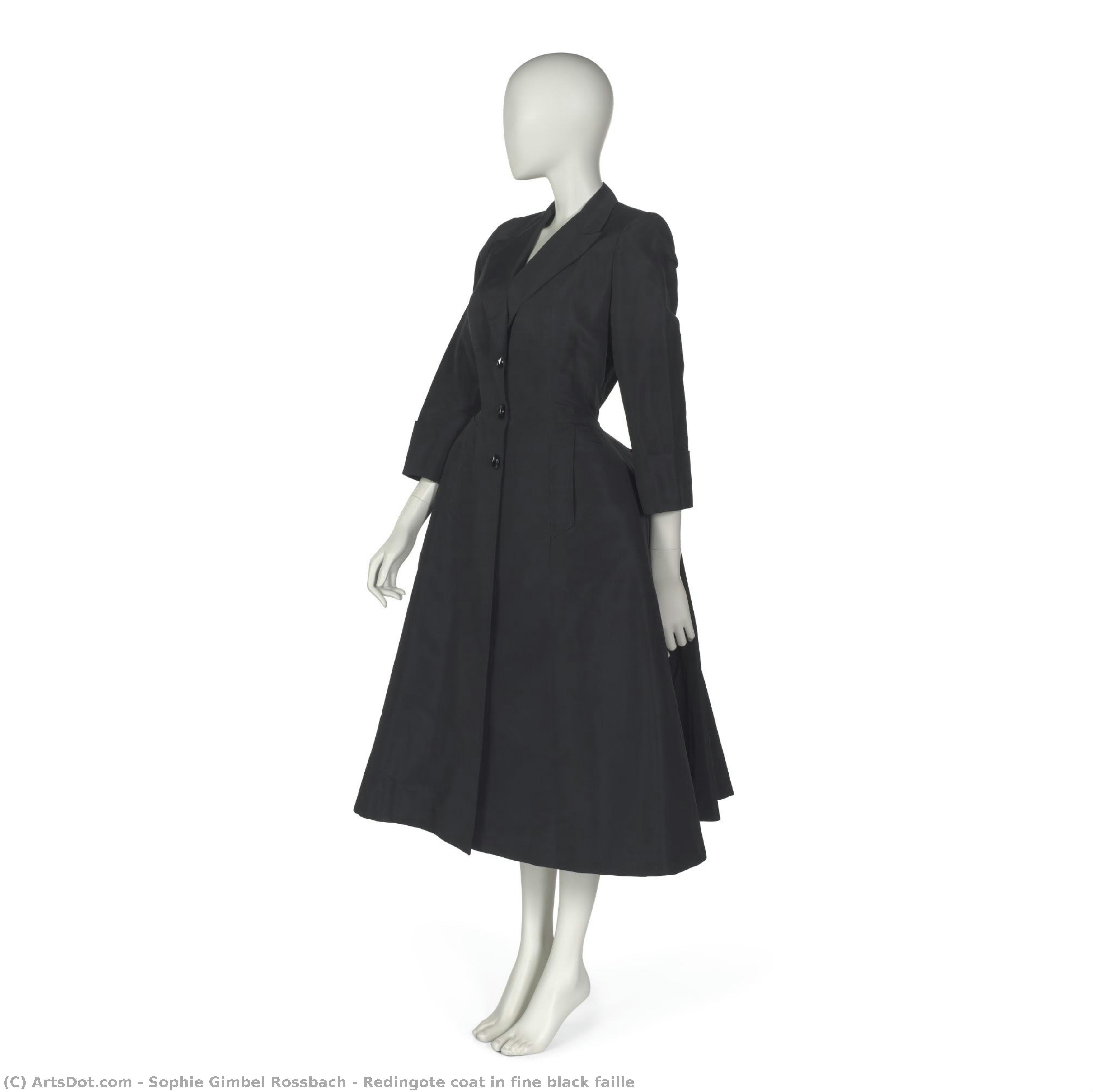
Redingote coat in fine black faille


 Read More
Hand Made Oil Reproduction
Hand-painted oil on canvas in your size and frame, made to order by our artists. ( Buy Print Buy Image)




P118B $10

P118H $10

P118W $10

P438Z $10

P508JH $12

P508YH $12

P805H $10

P805Z $10

P919BZ $10

P919G $10

P919XJ $10

P959ZH $10

P968JZ $12

W106C $8

W218G $10

W218JH $8

W218Y $10

W307PJ $10

W316G $10

W316PJ $8

W316Y $10

W398PJ $8

W4111J $10

W500HY $15

W500JH $15

W692G $12

W849H $8

W940BG $15

W953PJ $8




Pick from our preset sizes that match the artwork's original proportions.

You may enter your own dimensions to fit a specific frame or space. If your selected size does not match the original image's proportions, we will either crop the artwork or extend the painting with additional hand-painted elements. A digital mockup will be sent for your approval before production begins.
Please note that the on-screen preview does not reflect the actual cropping or extension. Only the mockup will accurately show the final composition.
While custom sizes are available, we recommend selecting a dimension from the predefined list to preserve the original proportions.
After order, ArtsDot.com team will email client for instructions and provide a mockup preview
Worldwide Delivery () in 3/4 weeks instead of standard 5 weeks. (22 August). No compromise on quality.

Free Worldwide Express Shipping

High-Quality Linen Canvas

Full Shipping Insurance

Customs Tax Refund Guarantee

True Color Matching Guarantee

60-Day Return Policy (Defects Only)

100% Money-Back Guarantee

Bulk Discount Offer
 Glass option is only available in size under 110 CM

Redingote coat in fine black faille
Reproduction Medium
Reproduction Size
-


Total Price
$ 263
Artwork Description
A Portrait of Elegance: Examining Sophie Gimbel Rossbach’s Redingote Coat
The photograph captures a moment frozen in time – 1959 – presenting us with a meticulously crafted redingote coat displayed on a mannequin against a stark white backdrop. More than just an object of fashion, this garment embodies the spirit of its era and speaks volumes about the artistry of Sophie Gimbel Rossbach, a name quietly revered within American design history. Rossbach’s contribution to haute couture extends beyond mere aesthetics; it represents a dedication to preserving tradition while subtly innovating upon established forms.The Fabric of History: Silk Faille and Its Significance
At first glance, the coat appears deceptively simple – black silk faille dominating the visual field. However, this understated elegance belies the considerable skill required in its production. Faille is a luxurious textile known for its distinctive sheen and subtle ripple effect created by interlacing warp and weft yarns at an angle. Historically, faille was favored by royalty and aristocracy, signifying wealth and refinement. Its selection here underscores Rossbach’s commitment to conveying prestige and sophistication – qualities deeply embedded in the cultural landscape of the mid-century United States. The fabric itself whispers tales of ateliers steeped in craftsmanship and a reverence for materials that transcend mere practicality.Form Follows Function: Structural Precision and Artistic Intent
Rossbach's design philosophy prioritized structural integrity alongside visual appeal. The coat’s construction is characterized by meticulous attention to detail – vertical hip slip pockets with flaps, wide panniers providing dramatic volume, and four pairs of black faceted button closures securing the bodice. These elements aren’t merely decorative; they contribute to the garment’s overall silhouette and facilitate ease of movement. Yet, within this framework of precision lies a profound artistic impulse: Rossbach sought to elevate the everyday into something extraordinary, demonstrating that beauty can be found in meticulous execution. The panniers, particularly, represent a bold statement against the prevailing trends of the time, prioritizing form over fleeting fashion fancies.A Reflection of Style: Documentary Photography and Its Role
The photograph’s style – documentary photography – deliberately avoids embellishment, allowing the coat itself to command attention. Lighting is diffused, minimizing harsh shadows and highlighting textural nuances without resorting to dramatic chiaroscuro. This technique reflects Rossbach's belief in capturing reality with honesty and accuracy, prioritizing visual clarity over artistic interpretation. The composition centers on the mannequin, positioning it strategically against a neutral background to emphasize the garment’s form and design—a deliberate choice that speaks to the broader aesthetic principles of the period.Symbolism Beyond Surface Beauty: Elegance and Restraint
The black color palette evokes feelings of solemnity and sophistication – qualities often associated with mourning attire but here repurposed to convey a sense of refined elegance. The coat’s structured silhouette embodies restraint, mirroring Rossbach's artistic vision as she sought to create garments that were both beautiful and enduring. More than just clothing, it represents an ideal of feminine grace—a quiet confidence rooted in impeccable craftsmanship and timeless design. Ultimately, Sophie Gimbel Rossbach’s redingote coat stands as a testament to the power of understated artistry and its ability to encapsulate the spirit of an era.Related Artworks
Artist Biography
Sophie Gimbel Rossbach: The Quiet Innovator of American Style
Born in Houston, Texas, in 1898, Sophie Gimbel’s journey to becoming a defining figure in mid-20th century American fashion was anything but conventional. Her early life, marked by the loss of her father and subsequent relocation to Atlanta, instilled within her a resourcefulness and practicality that would later inform her approach to design. A childhood spent crafting miniature garments for dolls foreshadowed a lifelong passion – a desire to create beautiful, wearable art. Attending Agnes Scott College provided a foundation in liberal arts, but it was the burgeoning world of Broadway costume design that truly ignited her creative spark, offering invaluable experience in construction and visual storytelling.
Her career took a pivotal turn when she joined Saks Fifth Avenue, initially as a stylist under Adam Long Gimbel. This connection proved transformative; in 1929, she was entrusted with the helm of Salon Moderne, a department store space previously considered unremarkable. Gimbel’s arrival marked a dramatic shift. Recognizing the need to revitalize the salon's image and attract a discerning clientele, she embarked on a strategy that prioritized understated elegance and timeless sophistication – a deliberate counterpoint to the increasingly flamboyant trends emerging from Paris. She traveled extensively to Europe, meticulously sourcing fabrics and designs, absorbing the best of Parisian couture while retaining a distinctly American sensibility.
The Dawn of the “New Look”
Gimbel’s legacy rests largely on her pivotal role in popularizing what is widely considered the ‘New Look’ – a style characterized by full skirts, cinched waists, and graceful necklines. While Christian Dior received broader public recognition for this aesthetic, Gimbel's work at Saks Fifth Avenue was instrumental in introducing these elements to American women. She skillfully navigated the post-war landscape, where practicality and comfort were paramount, yet she understood the desire for a return to glamour and refinement. Her designs weren’t about shocking trends; they were about subtly elevating the everyday, offering women a sense of polished elegance without sacrificing wearability.
Her influence extended beyond simple silhouettes. Gimbel was a pioneer in embracing culottes – divided skirts – a daring choice at the time that demonstrated her willingness to challenge conventional notions of femininity and fashion. She championed the use of luxurious fabrics, often incorporating silks, velvets, and cashmere, elevating the perceived value of ready-to-wear garments. Her commitment to quality and meticulous construction ensured that each piece possessed a lasting appeal – a characteristic that distinguished her from many of her contemporaries.
A Quiet Counterpoint
Despite her significant contributions, Sophie Gimbel often operated behind the scenes, deliberately avoiding the spotlight. Unlike some of her more flamboyant rivals, such as Hattie Carnegie, she preferred to let her designs speak for themselves. Her approach was characterized by a quiet confidence and an unwavering belief in the power of understated elegance. This conservative stance, however, didn’t diminish her impact; rather, it solidified her position as a respected designer who understood the nuances of American taste.
A notable moment in her career came in 1947 when she was featured on the cover of *Time* magazine – a rare honor for an American fashion designer at that time. This recognition underscored her influence and signaled a shift in perceptions regarding the role of women in the fashion industry. Her designs even graced the inauguration gown of Lady Bird Johnson, cementing her place in American cultural history.
Legacy and Remembrance
Sophie Gimbel Rossbach passed away in New York City in 1981 at the age of 83. Her contributions to American fashion were largely unheralded during her lifetime, yet her influence continues to resonate today. Her work at Saks Fifth Avenue established a new standard for elegance and sophistication in ready-to-wear design, shaping the aesthetic preferences of generations of women. The Adam and Sophie Gimbel Art and Design Library stands as a lasting tribute to her passion for art and design, ensuring that her legacy will continue to inspire future creatives.
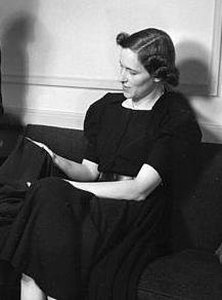
sophie gimbel rossbach
1898 - 1981 , United States of America
Quick Facts
- Artistic Movement Or Style: New Look fashion
- Artists Or Movements Influenced By This Artist: ['Saks Fifth Avenue']
- Artists Who Influenced This Artist: ['Hattie Carnegie']
- Date Of Birth: 1898-03-27
- Date Of Death: 1981-11-28
- Full Name: Sophie Gimbel Rossbach
- Nationality: American
- Notable Artworks:
- Culottes designs
- Elegant gowns
- Place Of Birth: Houston, USA
Related Articles

Cristóbal Balenciaga: Deconstructing Haute Couture's Architectural Legacy
Explore the revolutionary world of Cristóbal Balenciaga, the 'couturier's couturier'. Discover his architectural designs, lasting influence on haute couture, and guide to collecting rare pieces. A connoisseur’s resource.

Gianfranco Ferré: Deconstructing Haute Couture – A Legacy of Architectural Form
Explore the revolutionary world of Gianfranco Ferré, 'the architect of fashion.' Discover his architectural approach to haute couture, iconic Dior designs, and lasting influence on luxury style. A deep dive for collectors & enthusiasts.

Draped Narratives: Fashion as Symbol & Subject in Historical Art
Explore the fascinating history of fashion as a symbol of power & status in art! Discover masterpieces from Gainsborough to Tissot and learn how clothing shaped societal narratives. Find museum-quality reproductions at ArtsDot.

Echoes of Time: Nostalgia, Technique & Cultural Significance in Vintage Paintings
Explore the captivating world of vintage paintings! Discover key styles, cultural significance & collecting tips from art experts at ArtsDot. Find authentic reproductions and elevate your home décor.

Echoes of Time: Exploring the Enduring Appeal & Historical Context of Vintage Art Prints
Explore the captivating world of vintage art prints! Discover their history, collecting tips & enduring appeal. Expert insights on chromolithography and building a legacy collection with ArtsDot.