 Preview
 Send
Send Share
Share
 Details

 Download
 Similars
 X-Ray
X-Ray Diaporama
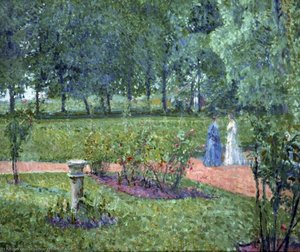
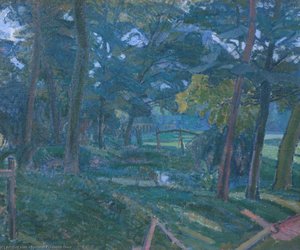
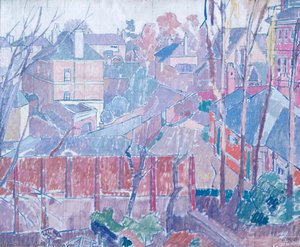
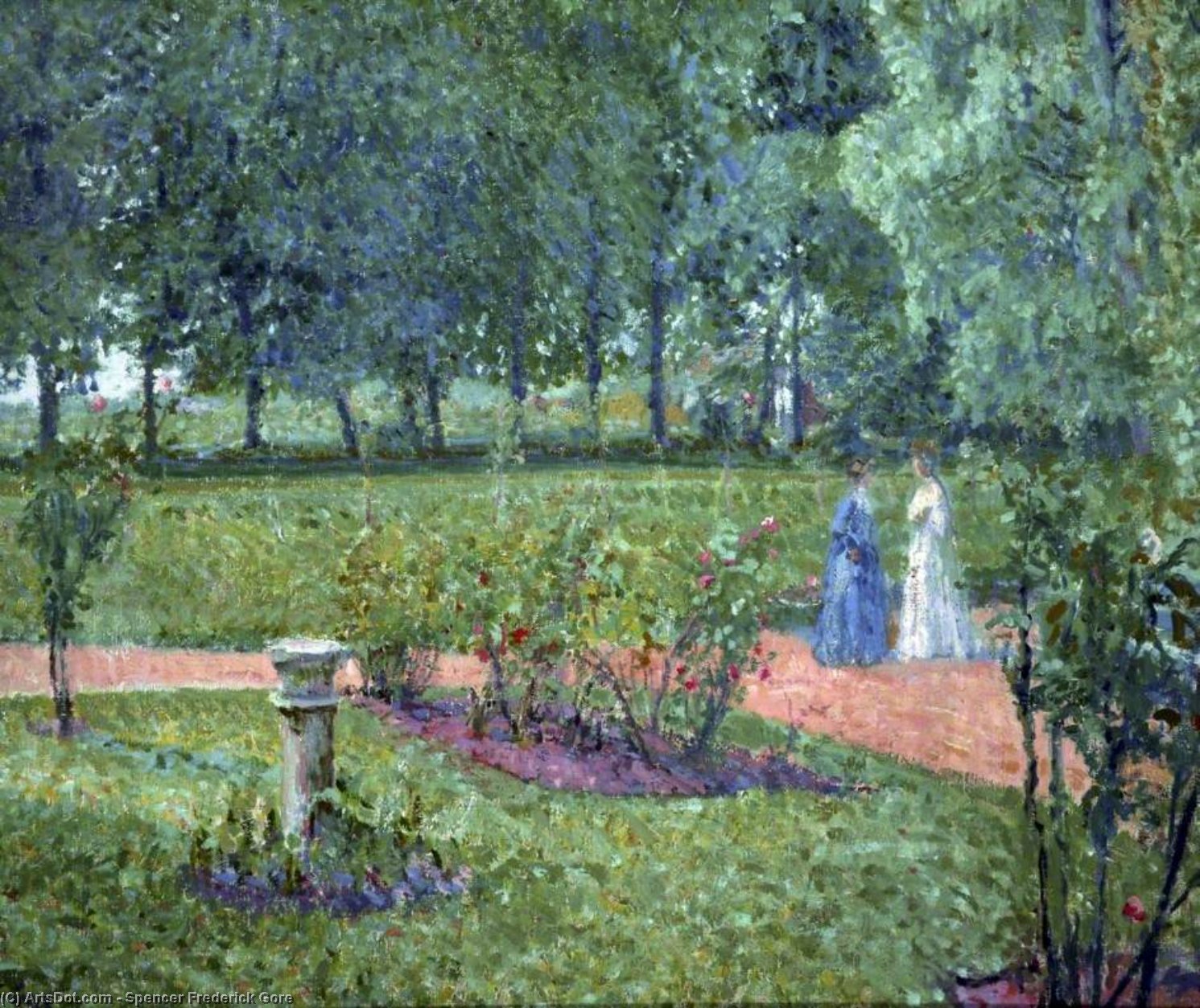
The Garden, Garth House


 Read More
Hand Made Oil Reproduction
Hand-painted oil on canvas in your size and frame, made to order by our artists. ( Buy Print Buy Image)




P118B $10

P118H $10

P118W $10

P438Z $10

P508JH $12

P508YH $12

P805H $10

P805Z $10

P919BZ $10

P919G $10

P919XJ $10

P959ZH $10

P968JZ $12

W106C $8

W218G $10

W218JH $8

W218Y $10

W307PJ $10

W316G $10

W316PJ $8

W316Y $10

W398PJ $8

W4111J $10

W500HY $15

W500JH $15

W692G $12

W849H $8

W940BG $15

W953PJ $8




Pick from our preset sizes that match the artwork's original proportions.

You may enter your own dimensions to fit a specific frame or space. If your selected size does not match the original image's proportions, we will either crop the artwork or extend the painting with additional hand-painted elements. A digital mockup will be sent for your approval before production begins.
Please note that the on-screen preview does not reflect the actual cropping or extension. Only the mockup will accurately show the final composition.
While custom sizes are available, we recommend selecting a dimension from the predefined list to preserve the original proportions.
After order, ArtsDot.com team will email client for instructions and provide a mockup preview
Worldwide Delivery () in 3/4 weeks instead of standard 5 weeks. (16 August). No compromise on quality.

Free Worldwide Express Shipping

High-Quality Linen Canvas

Full Shipping Insurance

Customs Tax Refund Guarantee

True Color Matching Guarantee

60-Day Return Policy (Defects Only)

100% Money-Back Guarantee

Bulk Discount Offer
 Glass option is only available in size under 110 CM

The Garden, Garth House
Reproduction Medium
Reproduction Size
-


Total Price
$ 263
Artwork Description
The Garden, Garth House: A Moment of Tranquil Beauty by Spencer Frederick Gore
Spencer Frederick Gore’s “The Garden, Garth House,” painted in 1908, is more than just a depiction of two women enjoying a leisurely stroll; it's a carefully constructed evocation of serenity and the profound connection between humanity and nature. This oil on canvas piece, currently residing within the esteemed collection of the Walker Art Gallery in Liverpool, offers a captivating glimpse into the burgeoning landscape movement of early 20th-century British art, spearheaded by artists like Gore who sought to capture the essence of the English countryside with remarkable sensitivity.
- Subject Matter: The painting centers around two women engaged in quiet contemplation within a meticulously rendered garden. Their relaxed postures and the gentle curve of their walk suggest an intimate connection – perhaps a shared moment of friendship or simply the solace found in nature’s embrace.
- Composition & Style: Gore masterfully employs a compositional technique that draws the viewer into the scene, utilizing atmospheric perspective to create depth and emphasizing the lush greenery and vibrant floral arrangements. The influence of Impressionism is palpable, particularly in his bold use of color and light, aiming to capture fleeting moments rather than precise representations.
- Technique: Gore’s brushwork is characterized by a confident energy, evident in the dynamic strokes that define the foliage and the subtle gradations of tone used to depict the figures and their surroundings. The warm hues of sunlight filtering through the trees contribute significantly to the painting's overall mood – one of peaceful contemplation and quiet joy.
Spencer Frederick Gore: A Pioneer of Camden Town
Born in Epsom, Surrey, in 1878, Spencer Frederick Gore’s artistic journey was deeply rooted in a family tradition of creativity. His father, the renowned tennis champion Spencer Gore (the Wimbledon champion), was also an artist, and his brother Charles Gore was a theologian – a lineage that fostered both artistic talent and intellectual curiosity. Gore's formal training at the Slade School of Fine Art exposed him to the innovative ideas circulating within the Impressionist movement, particularly those championed by Claude Monet and Vincent van Gogh. This exposure profoundly shaped his approach to color and light, leading him to become one of the key figures in the Camden Town Group, a collective dedicated to exploring modern urban life through a distinctly artistic lens.
Historical Context & Symbolism
“The Garden, Garth House” was created during a period of significant change in British art. The rise of Impressionism and Post-Impressionism challenged traditional academic styles, encouraging artists to prioritize subjective experience and emotional response over strict adherence to realism. Gore’s work reflects this shift, moving beyond mere representation to capture the *feeling* of being within a beautiful garden – a sentiment deeply resonant with the Victorian era's fascination with nature and its restorative powers. The inclusion of potted plants adds another layer of symbolism, representing cultivated beauty and the human desire to shape and control their environment.
Emotional Impact & Legacy
The painting’s enduring appeal lies in its ability to evoke a sense of tranquility and nostalgia. It's a scene that invites the viewer to step into the canvas, to breathe in the scent of flowers and feel the warmth of the sun on their skin. “The Garden, Garth House” stands as a testament to Gore’s skill as a landscape painter and his ability to capture not just the visual beauty of nature but also its profound emotional impact. A reproduction of this captivating artwork would bring a touch of timeless elegance and serenity to any interior space.
Related Artworks

Artist Biography
Spencer Gore (1878 – 1914): A Pioneer of Camden Town
Spencer Frederick Gore was a British painter who emerged as one of the foremost figures in the burgeoning Camden Town Group, marking a pivotal moment in early twentieth-century British art. Born on May 26th, 1878, at Epsom, Surrey, he descended from a family steeped in artistic tradition – his father, Spencer Gore (the Wimbledon tennis champion), was himself a painter, and his brother Charles Gore was a theologian, fostering an environment that nurtured creativity and intellectual curiosity. Gore’s formative years were shaped by attending Harrow School, where he honed his observational skills before pursuing formal training at the Slade School of Fine Art alongside contemporaries like Harold Gilman, cementing his connection to Impressionist ideals.- Early Influences: Gore's artistic sensibilities were profoundly impacted by Post-Impressionists such as Claude Monet and Vincent van Gogh, whose explorations of color and light served as a springboard for his own distinctive style.
- The Camden Town Group: He spearheaded the formation of the Camden Town Group in 1904, alongside Walter Sickert, Lucien Pisarro, Harold Gilman, and Charles Ginner—a collective dedicated to capturing the atmosphere of London’s bohemian district with bold brushstrokes and vibrant palettes.
- Notable Works: Gore's oeuvre comprises a remarkable collection of landscapes, music hall scenes, and interiors, characterized by meticulous detail and an unwavering commitment to portraying natural beauty. Particularly noteworthy are his thirty-two Richmond Park canvases completed in the final months of his life—a testament to his enduring fascination with the English countryside.
Technique and Style: Embracing Pictorial Construction
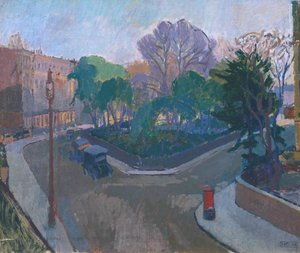
Gore’s artistic approach distinguished itself through a deliberate embrace of pictorial construction, mirroring the stylistic innovations championed by Impressionists and Post-Impressionists. He skillfully employed layering techniques—often applying thin glazes over underpaintings—to achieve luminous effects and imbue his canvases with depth and resonance. This meticulous attention to detail extended beyond mere representation; Gore sought to convey not just what he saw but also how he felt, reflecting the emotional intensity inherent in capturing fleeting moments of experience. His paintings like “Hartington Square” exemplify this stylistic commitment, demonstrating a masterful command of color and form.- Color Palette: Gore favored harmonious palettes dominated by muted greens, blues, and yellows—colors that evoked the tranquility and grandeur of the natural world.
- Brushwork: His brushstrokes were characterized by fluidity and spontaneity, capturing the dynamism of light and air while simultaneously conveying a sense of stillness and contemplation.
Richmond Park Landscapes: A Legacy of Observation
The Richmond Park series represents Gore’s magnum opus—a poignant chronicle of his final years and an enduring symbol of British landscape painting. Executed with unwavering dedication during the autumn of 1913, these canvases capture the ethereal beauty of the park bathed in autumnal light. The resulting images are imbued with a palpable sense of melancholy yet simultaneously radiate warmth and vitality, reflecting Gore’s profound connection to his surroundings. Tate curator Helena Bonett noted that Gore's death from pneumonia was sudden, leaving behind an unfinished masterpiece—a testament to his unwavering pursuit of artistic excellence.Frederick Gore: Son and Artist
Gore’s son, Frederick John Pym Gore CBE RA (1913–2009), followed in his father's footsteps as a painter, inheriting his artistic vision and establishing himself as a respected figure within the British art world. Like Spencer, he pursued formal training at Ruskin School of Art and developed a distinctive style rooted in Impressionist principles—a direct continuation of his father’s legacy. Gore’s influence extended beyond his own artistic endeavors; he served as a teacher, imparting invaluable knowledge to aspiring artists and fostering a tradition of observation and expressive painting that endured for generations.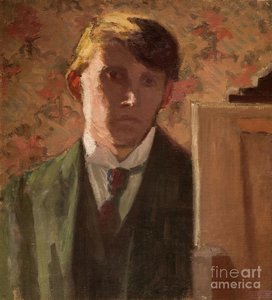
spencer frederick gore
1878 - 1914 , United Kingdom
Quick Facts
- Artistic Movement Or Style: Post-Impressionism
- Artists Or Movements Influenced By This Artist: ['Camden Town Group']
- Artists Who Influenced This Artist:
- Walter Sickert
- Albert Rutherston
- Date Of Birth: May 26, 1878
- Date Of Death: March 27, 1914
- Full Name: Spencer Frederick Gore
- Nationality: British
- Notable Artworks:
- Hartington Square
- From a Window in Cambrian Road, Richmond
- Place Of Birth: Epsom, United Kingdom
Related Articles

Impressionistic Landscapes: 10 Masterpieces That Changed Art & Decor
Journey into the heart of Impressionism! Explore 10 masterpieces by Monet, Renoir & Degas that revolutionized landscape art. Discover their stories, techniques & find museum-quality reproductions to elevate your home decor on ArtsDot.com.

Beyond the Horizon: 10 Landscape Masterpieces for Your Home Decor
Journey through 10 breathtaking landscape paintings by Monet, Van Gogh & more! Explore iconic artworks, artistic techniques & find inspiration for your home decor. Museum-quality reproductions at ArtsDot.com. Discover all masterpieces on ArtsDot.com
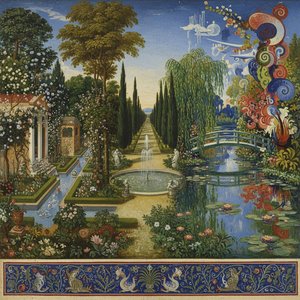
Cultivating Paradise: A Historical & Artistic Exploration of Gardens in Painting
Explore the rich history of gardens in painting! Discover masterpieces from Renaissance to Impressionism & beyond. Learn about symbolism, artists like Monet & Klimt, and find your perfect artwork at ArtsDot.

Impressionist Landscapes: 10 Masterpieces for Your Home | ArtsDot
Journey through 10 iconic Impressionist landscapes by Monet, Renoir & Degas. Explore the history, techniques & emotions behind these masterpieces. Find museum-quality reproductions for your home at ArtsDot.com – where art comes to life! Discover all masterpieces on ArtsDot.com

John Constable's Masterpieces: Explore 25 Iconic Landscapes for Your Home
Journey through John Constable's 25 most celebrated landscapes. Explore Romanticism, Dedham Vale & his masterful use of light in iconic paintings like 'Hay Wain'. Find museum-quality art reproductions and elevate your home decor on ArtsDot.com.