 Preview
 Send
Send Share
Share
 Details

 Download
 Similars
 X-Ray
X-Ray Diaporama
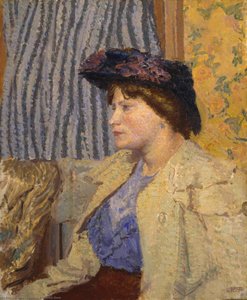
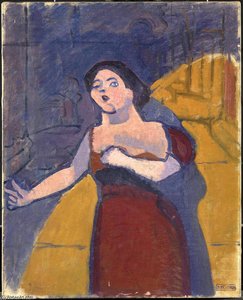
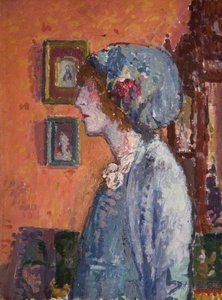
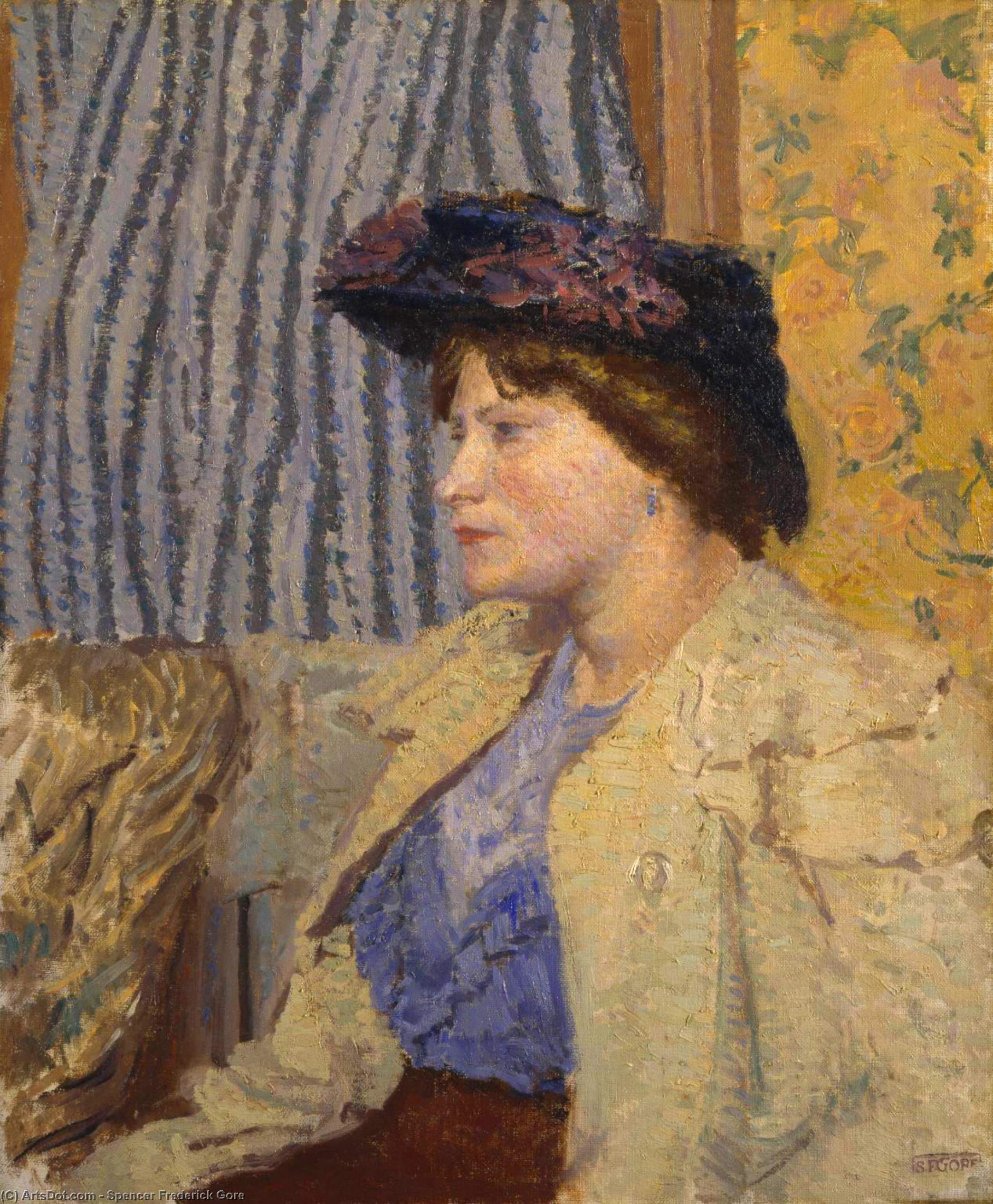
North London Girl


 Read More
Hand Made Oil Reproduction
Hand-painted oil on canvas in your size and frame, made to order by our artists. ( Buy Print Buy Image)




P118B $10

P118H $10

P118W $10

P438Z $10

P508JH $12

P508YH $12

P805H $10

P805Z $10

P919BZ $10

P919G $10

P919XJ $10

P959ZH $10

P968JZ $12

W106C $8

W218G $10

W218JH $8

W218Y $10

W307PJ $10

W316G $10

W316PJ $8

W316Y $10

W398PJ $8

W4111J $10

W500HY $15

W500JH $15

W692G $12

W849H $8

W940BG $15

W953PJ $8




Pick from our preset sizes that match the artwork's original proportions.

You may enter your own dimensions to fit a specific frame or space. If your selected size does not match the original image's proportions, we will either crop the artwork or extend the painting with additional hand-painted elements. A digital mockup will be sent for your approval before production begins.
Please note that the on-screen preview does not reflect the actual cropping or extension. Only the mockup will accurately show the final composition.
While custom sizes are available, we recommend selecting a dimension from the predefined list to preserve the original proportions.
After order, ArtsDot.com team will email client for instructions and provide a mockup preview
Worldwide Delivery () in 3/4 weeks instead of standard 5 weeks. (16 August). No compromise on quality.

Free Worldwide Express Shipping

High-Quality Linen Canvas

Full Shipping Insurance

Customs Tax Refund Guarantee

True Color Matching Guarantee

60-Day Return Policy (Defects Only)

100% Money-Back Guarantee

Bulk Discount Offer
 Glass option is only available in size under 110 CM

North London Girl
Reproduction Medium
Reproduction Size
-


Total Price
$ 263
Artwork Description
A Portrait Steeped in Camden Town Impressionism: Exploring ‘North London Girl’ by Spencer Frederick Gore
The painting “North London Girl,” completed circa 1911–12 by Spencer Frederick Gore, stands as a cornerstone of Camden Town Impressionism—a movement that irrevocably altered the landscape of British art at the dawn of the twentieth century. More than just a depiction of a young woman seated before a window, it’s an exquisitely crafted meditation on light, atmosphere, and the quiet dignity of domestic life, reflecting the burgeoning modernist sensibilities of its time. Gore's masterful handling of pigment and brushwork captures not merely what is seen but how it feels—a palpable sense of serenity infused with subtle emotional resonance.- Subject Matter & Composition: Gore’s subject is a young woman, rendered in soft focus against the backdrop of a sunlit room. The positioning of her gaze directly towards the viewer establishes an intimate connection, inviting contemplation and fostering a feeling of vulnerability. The inclusion of a second figure—presumably her companion—appears subtly in the periphery, adding depth to the scene without dominating it; this compositional choice underscores the importance of relationships within domestic spaces.
- Style & Technique: Gore’s style aligns perfectly with Impressionist principles championed by Monet and Renoir. He employs loose brushstrokes—characteristic of Camden Town—to blend colors seamlessly, prioritizing optical impressions over precise representation. The artist skillfully utilizes glazing techniques, layering thin washes of color to build up luminous surfaces that shimmer with reflected light. This meticulous approach elevates the painting beyond mere visual observation into a sensory experience.
Historical Context: Camden Town and the Rise of Modern British Art
Camden Town emerged as an artistic hub during Gore’s lifetime, attracting artists disillusioned with academic conventions and eager to embrace new aesthetic ideals. The Group championed Impressionism's focus on capturing fleeting moments and subjective perception—a deliberate rejection of the rigid formalism favored by the Royal Academy. Gore himself was instrumental in establishing Camden Town as a vibrant center for experimentation, fostering collaboration and challenging established artistic norms. This movement signaled a decisive break from Victorian traditions, paving the way for subsequent developments in British art.- Symbolism & Atmosphere: The muted palette—dominated by creams, yellows, and greens—contributes to the painting’s pervasive tranquility. Gore deliberately avoids dramatic contrasts of light and shadow, opting instead for diffused illumination that softens contours and enhances the ethereal quality of the scene. The flowers adorning the woman's hat serve as a visual symbol of beauty and femininity, subtly reinforcing themes of grace and refinement.
- Emotional Impact: “North London Girl” transcends mere portraiture; it evokes a profound sense of peace and contemplation. Gore’s masterful use of color and brushwork conveys an unspoken emotion—a quiet appreciation for the simple pleasures of everyday life—that lingers in the viewer's mind long after encountering the artwork.
Legacy & Influence: Gore’s Enduring Relevance Spencer Frederick Gore’s “North London Girl” continues to inspire artists and collectors alike. Its pioneering approach to Impressionism established a precedent for subsequent generations of British painters, demonstrating the transformative power of artistic innovation. The painting's enduring appeal resides in its ability to capture the essence of human experience—the beauty found within domestic intimacy and the profound impact of natural light—themes that resonate powerfully with audiences today. It serves as a testament to Gore’s genius and cements his place among Britain’s most celebrated Impressionist painters.
To experience the captivating artistry of “North London Girl” firsthand, consider commissioning a high-quality reproduction from ArtsDot.com – allowing you to bring this iconic piece of Camden Town Impressionism into your home.
Related Artworks

Artist Biography
Spencer Gore (1878 – 1914): A Pioneer of Camden Town
Spencer Frederick Gore was a British painter who emerged as one of the foremost figures in the burgeoning Camden Town Group, marking a pivotal moment in early twentieth-century British art. Born on May 26th, 1878, at Epsom, Surrey, he descended from a family steeped in artistic tradition – his father, Spencer Gore (the Wimbledon tennis champion), was himself a painter, and his brother Charles Gore was a theologian, fostering an environment that nurtured creativity and intellectual curiosity. Gore’s formative years were shaped by attending Harrow School, where he honed his observational skills before pursuing formal training at the Slade School of Fine Art alongside contemporaries like Harold Gilman, cementing his connection to Impressionist ideals.- Early Influences: Gore's artistic sensibilities were profoundly impacted by Post-Impressionists such as Claude Monet and Vincent van Gogh, whose explorations of color and light served as a springboard for his own distinctive style.
- The Camden Town Group: He spearheaded the formation of the Camden Town Group in 1904, alongside Walter Sickert, Lucien Pisarro, Harold Gilman, and Charles Ginner—a collective dedicated to capturing the atmosphere of London’s bohemian district with bold brushstrokes and vibrant palettes.
- Notable Works: Gore's oeuvre comprises a remarkable collection of landscapes, music hall scenes, and interiors, characterized by meticulous detail and an unwavering commitment to portraying natural beauty. Particularly noteworthy are his thirty-two Richmond Park canvases completed in the final months of his life—a testament to his enduring fascination with the English countryside.
Technique and Style: Embracing Pictorial Construction
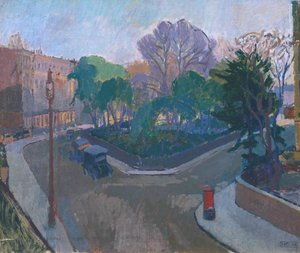
Gore’s artistic approach distinguished itself through a deliberate embrace of pictorial construction, mirroring the stylistic innovations championed by Impressionists and Post-Impressionists. He skillfully employed layering techniques—often applying thin glazes over underpaintings—to achieve luminous effects and imbue his canvases with depth and resonance. This meticulous attention to detail extended beyond mere representation; Gore sought to convey not just what he saw but also how he felt, reflecting the emotional intensity inherent in capturing fleeting moments of experience. His paintings like “Hartington Square” exemplify this stylistic commitment, demonstrating a masterful command of color and form.- Color Palette: Gore favored harmonious palettes dominated by muted greens, blues, and yellows—colors that evoked the tranquility and grandeur of the natural world.
- Brushwork: His brushstrokes were characterized by fluidity and spontaneity, capturing the dynamism of light and air while simultaneously conveying a sense of stillness and contemplation.
Richmond Park Landscapes: A Legacy of Observation
The Richmond Park series represents Gore’s magnum opus—a poignant chronicle of his final years and an enduring symbol of British landscape painting. Executed with unwavering dedication during the autumn of 1913, these canvases capture the ethereal beauty of the park bathed in autumnal light. The resulting images are imbued with a palpable sense of melancholy yet simultaneously radiate warmth and vitality, reflecting Gore’s profound connection to his surroundings. Tate curator Helena Bonett noted that Gore's death from pneumonia was sudden, leaving behind an unfinished masterpiece—a testament to his unwavering pursuit of artistic excellence.Frederick Gore: Son and Artist
Gore’s son, Frederick John Pym Gore CBE RA (1913–2009), followed in his father's footsteps as a painter, inheriting his artistic vision and establishing himself as a respected figure within the British art world. Like Spencer, he pursued formal training at Ruskin School of Art and developed a distinctive style rooted in Impressionist principles—a direct continuation of his father’s legacy. Gore’s influence extended beyond his own artistic endeavors; he served as a teacher, imparting invaluable knowledge to aspiring artists and fostering a tradition of observation and expressive painting that endured for generations.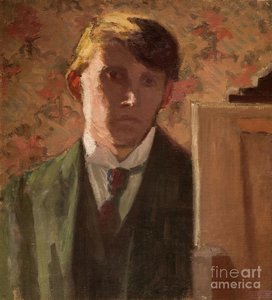
spencer frederick gore
1878 - 1914 , United Kingdom
Quick Facts
- Artistic Movement Or Style: Post-Impressionism
- Artists Or Movements Influenced By This Artist: ['Camden Town Group']
- Artists Who Influenced This Artist:
- Walter Sickert
- Albert Rutherston
- Date Of Birth: May 26, 1878
- Date Of Death: March 27, 1914
- Full Name: Spencer Frederick Gore
- Nationality: British
- Notable Artworks:
- Hartington Square
- From a Window in Cambrian Road, Richmond
- Place Of Birth: Epsom, United Kingdom
Related Articles
Robert Bevan: Pioneering British Post-Impressionism & the Camden Town Group's Intimate Vision
Explore the life & work of Robert Bevan, a pioneer of British Post-Impressionism and founding member of the Camden Town Group. Discover his vibrant landscapes and lasting impact on early 20th-century art.

Impressionism's Masterpieces: 10 Paintings That Defined a Movement | ArtsDot
Journey through Impressionism's heart with 10 iconic paintings by Monet, Renoir & Degas. Explore light, color & the stories behind these masterpieces. Find museum-quality art reproductions and elevate your home decor on ArtsDot.com.

Fleeting Moments & Radiant Light: Exploring the Enduring Legacy of Impressionism
Explore the captivating world of Impressionism! Discover its history, key artists like Monet & Renoir, defining techniques, and lasting impact on modern art. Expert insights for collectors.

Sir Stanley Spencer: Reassessing Spiritual Vision & Autobiographical Narrative
Explore the captivating world of Sir Stanley Spencer – a British painter renowned for his unique blend of religious narrative & personal experience. Discover his legacy, key works like 'Christ's Entry into Jerusalem', and lasting influence on modern art.

Cézanne's Masterpieces: 25 Iconic Artworks to Transform Your Space
Journey through 25 iconic artworks by Paul Cézanne – a master of Impressionism and Post-Impressionism. Explore his landscapes, still lifes, and the stories behind these timeless masterpieces. Discover museum-quality reproductions & curated decor at ArtsDot.com.