 Preview
 Send
Send Share
Share
 Details

 Download
 Similars
 X-Ray
X-Ray Diaporama
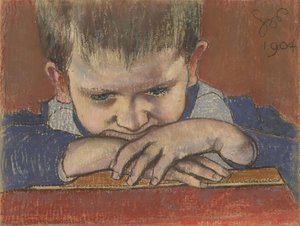
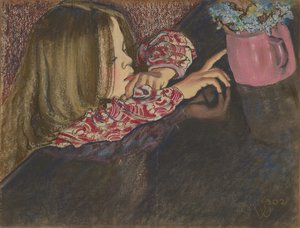
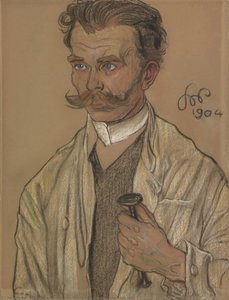
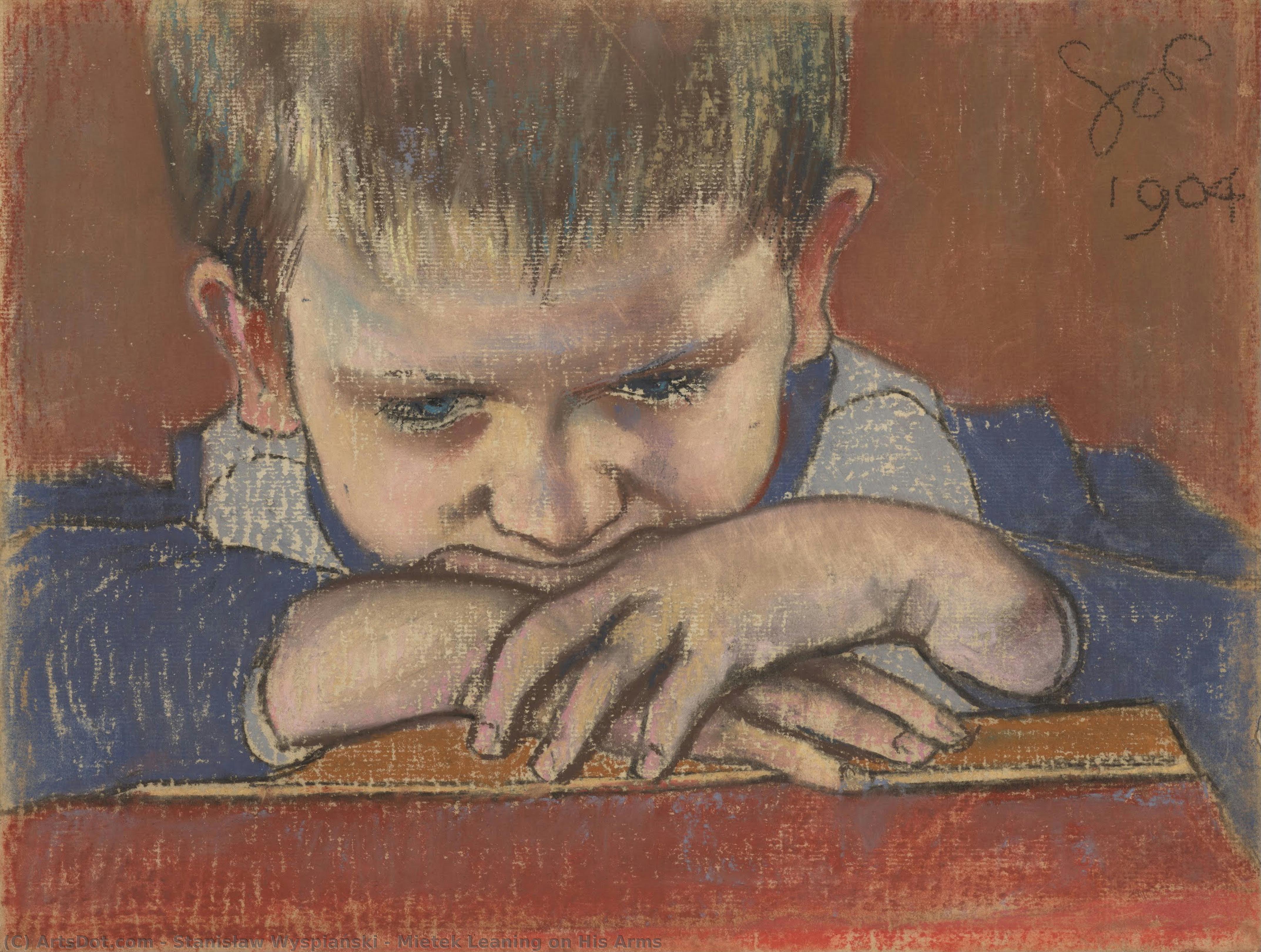
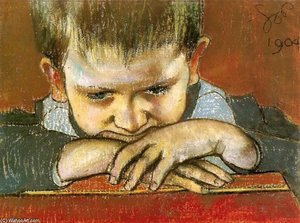
Mietek Leaning on His Arms


 Read More
Giclée / Art Print
Museum-quality giclée or canvas print with fast production and flexible finish options. ( Buy Hand Made Painting Buy Image)




P118B $10

P118H $10

P118W $10

P438Z $10

P508JH $12

P508YH $12

P805H $10

P805Z $10

P919BZ $10

P919G $10

P919XJ $10

P959ZH $10

P968JZ $12

W106C $8

W218G $10

W218JH $8

W218Y $10

W307PJ $10

W316G $10

W316PJ $8

W316Y $10

W398PJ $8

W4111J $10

W500HY $15

W500JH $15

W692G $12

W849H $8

W940BG $15

W953PJ $8




Pick from our preset sizes that match the artwork's original proportions.

You may enter your own dimensions to fit a specific frame or space. If your selected size does not match the original image's proportions, we will either crop the artwork or extend the image with a mirrored or solid-fill edge. A digital mockup will be sent for your approval before production begins.
Please note that the on-screen preview does not reflect the actual cropping or extension. Only the mockup will accurately show the final composition.
While custom sizes are available, we recommend selecting a dimension from the predefined list to preserve the original proportions.
Worldwide Delivery () in 2 weeks instead of standard 4/5 weeks. (21 August)

Free Worldwide Express Shipping

High-Quality Linen Canvas

Full Shipping Insurance

Customs Tax Refund Guarantee

True Color Matching Guarantee

60-Day Return Policy (Defects Only)

100% Money-Back Guarantee

Bulk Discount Offer
 Glass option is only available in size under 110 CM

Mietek Leaning on His Arms
Giclée / Art Print
Reproduction Size
-


Total Price
$ 63
Collectible Description
A Moment Frozen in Pastel: The Introspection of Mietek
In the quiet, textured depths of Stanisław Wyspiański’s 1904 masterpiece, Mietek Leaning on His Arms, we are invited into a private sanctuary of childhood thought. This poignant pastel drawing captures more than just a portrait; it captures a fleeting psychological state. The composition is strikingly intimate, pulling the viewer into a tight, focused encounter with a young boy lost in contemplation. As he leans forward, his attention anchored by a simple wooden block held firmly in his hands, the world outside this small frame seems to dissolve. There is a profound stillness here, a sense of a single breath held in time, making it an ideal piece for those who seek art that offers a meditative escape from the chaos of modern life.
The technique employed by Wyspiański reveals the masterful hand of a Polish Symbolist at the height of his expressive powers. Utilizing the soft, chalky medium of pastels, the artist achieves a remarkable depth through layered strokes and delicate blending. The texture of the paper is almost palpable, visible through the gestural application of color that gives the boy’s skin and clothing a lifelike, yet dreamlike, quality. The lighting is masterfully subdued, casting soft shadows that sculpt the child's features and lend a three-dimensional weight to his small form. This interplay of light and shadow does not merely define shape; it builds an atmosphere of quiet melancholy, characteristic of the Young Poland movement.
Symbolism and the Weight of Childhood
Beyond its technical brilliance, the artwork resonates with deep symbolic undertones. The wooden block, serving as the visual anchor of the piece, acts as a window into the child's inner world. Is it a source of comfort, a tool for distraction, or perhaps a heavy weight representing the first inklings of responsibility and gravity? In the hands of Wyspiański, such mundane objects are elevated to symbols of existential inquiry. The muted palette—dominated by somber browns, deep blues, and traces of muted reds—reinforces this sense of introspection. It is a color story that speaks of earthiness, tradition, and a gentle, soulful sadness that transcends the age of the subject.
For the discerning collector or interior designer, Mietek Leaning on His Arms offers a sophisticated emotional anchor for any curated space. Its ability to evoke empathy and quiet reflection makes it a powerful choice for study areas, libraries, or serene living environments where art is intended to provoke thought rather than mere decoration. As a high-quality reproduction, this piece brings the historical weight of the Kraków art scene into the contemporary home, offering a timeless connection to the beauty of human vulnerability and the profound mystery of the developing mind.
Related Artworks
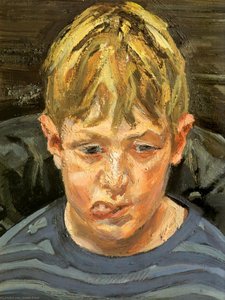
Artist Biography
The Soul of Young Poland: The Life and Vision of Stanisław Wyspiański
In the misty, historical heart of Kraków, a singular genius emerged to redefine the cultural landscape of a nation yearning for identity. Stanisław Wyspiański was not merely a painter; he was a polymath, a visionary whose creative spirit breathed life into the Young Poland movement. Born in 1869, his short but incandescent life was a whirlwind of artistic exploration that bridged the gap between the delicate aesthetics of Art Nouveau and the profound, often turbulent, depths of Polish Symbolism. To study Wyspiański is to witness a man attempting to capture the very essence of a soul—both individual and national.
His development as an artist was deeply rooted in the rich, academic traditions of his training, yet he possessed an innate rebellion against the rigid constraints of realism. His work began to pulse with a new kind of energy, one that drew heavily from the vibrant folk motifs of the Polish countryside and the intricate, organic lines characteristic of the Secessionist style. This fusion created a visual language that was uniquely his: a delicate balance of botanical precision and haunting, metaphorical weight. He saw the world not just as it appeared, but as it felt, imbuing every petal and every portrait with a sense of cosmic significance.
A Master of Light and Symbolism
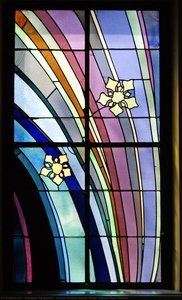
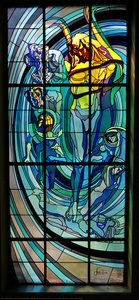
Wyspiański’s mastery extended far beyond the canvas, reaching into the very architecture of sacred spaces. He is perhaps most celebrated for his breathtaking stained glass windows, which transformed light into a medium of spiritual storytelling. In these works, color becomes a character itself, with deep blues and fiery ambers dancing through glass to evoke themes of martyrdom, rebirth, and national endurance. His ability to manipulate light allowed him to create immersive environments where the boundaries between the physical world and the symbolic realm began to dissolve.
Beyond his visual arts, his literary contributions were equally monumental. As a playwright and poet, he utilized the stage to weave complex tapestries of Polish history and myth. His most famous drama, The Wedding, stands as a cornerstone of Polish literature, a masterpiece that uses a single night of celebration to dissect the social and political anxieties of a nation under partition. Through his writing, he explored the tension between tradition and modernity, using symbolism to critique the inertia of the intelligentsia while celebrating the raw, unyielding spirit of the peasantry.
Legacy of a Visionary
The historical significance of Stanisław Wyspiański lies in his role as a cultural architect. He did not just create art; he helped construct a visual and literary identity for a people seeking sovereignty. His influence can be traced through several key achievements:
- Integration of Art Forms: He broke the barriers between fine arts, decorative arts, literature, and theater, creating a unified aesthetic experience.
- National Symbolism: He elevated Polish folk motifs to the level of high art, making them central to the modern national consciousness.
- Art Nouveau Innovation: His use of flowing, organic lines and expressive color palettes helped define the Polish iteration of the Art Nouveau movement.
- Enduring Dramatic Impact: His plays continue to be staged globally, serving as profound explorations of human psychology and political struggle.
Though his life was tragically cut short at the age of thirty-eight, the brilliance of his output remains undimmed. Wyspianski left behind a legacy that continues to haunt and inspire, a testament to the power of art to serve as both a mirror to society and a beacon for its future. His work remains an essential pilgrimage for anyone seeking to understand the profound intersection of beauty, tragedy, and national identity.
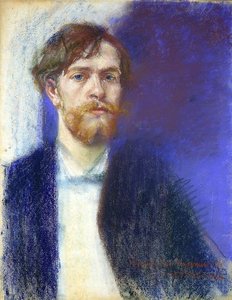
stanislaw wyspianski
1869 - 1907 , Poland
Quick Facts
- Artistic Movement Or Style: Polish Symbolism, Young Poland
- Date Of Birth: 1869
- Date Of Death: 1907
- Full Name: Stanisław Wyspiański
- Nationality: Polish
- Notable Artworks:
- Stained glass works
- The Wedding
- Place Of Birth: Kraków, Poland
Related Articles
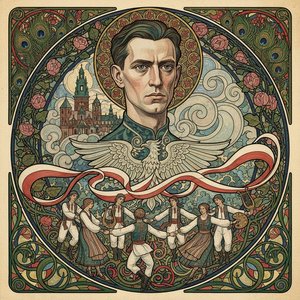
Stanisław Wyspiański: Symbolism, National Identity & the Polish Secession
Explore the life & work of Stanisław Wyspiański, a pivotal figure in Polish Symbolism and the Young Poland movement. Discover his iconic paintings, dramas, and stained glass designs reflecting national identity & artistic innovation.
Rosy Brown Hues: 10 Master Paintings & Timeless Decor Ideas |
Explore 10 iconic paintings bathed in captivating rosy brown tones! From Rembrandt to Titian, discover the stories behind these masterpieces & their warm color palettes. Find museum-quality art reproductions and decor inspiration at .
The Subdued Radiance of Pastel: Exploring Nuance & Emotion in Art
Explore the nuanced world of pastel art! Discover its history, techniques & emotional power with expert insights from ArtsDot.com. Find museum-quality reproductions and learn about collecting this delicate medium.
The Subtleties of Pastel: A Comprehensive Exploration of Technique, History & Emotional Resonance
Explore the captivating world of pastel art! Discover its rich history, Impressionistic masters like Degas, emotional power & unique techniques. Find museum-quality reproductions at ArtsDot.
Earthy Hues & Masterpieces: Top 10 Paintings with 'Mushroom' Tones |
Explore 10 iconic paintings with captivating 'mushroom' tones! Discover Van Gogh, Monet & Rembrandt’s masterpieces—earthy palettes, rich history & artistic techniques. Find museum-quality art reproductions and curated decor ideas at