 Preview
 Send
Send Share
Share
 Details

 Download
 Similars
 X-Ray
X-Ray Diaporama
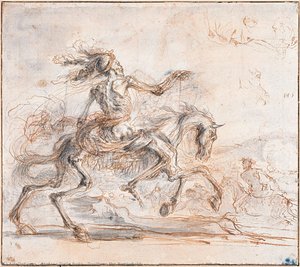
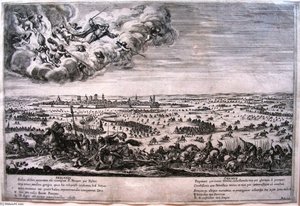
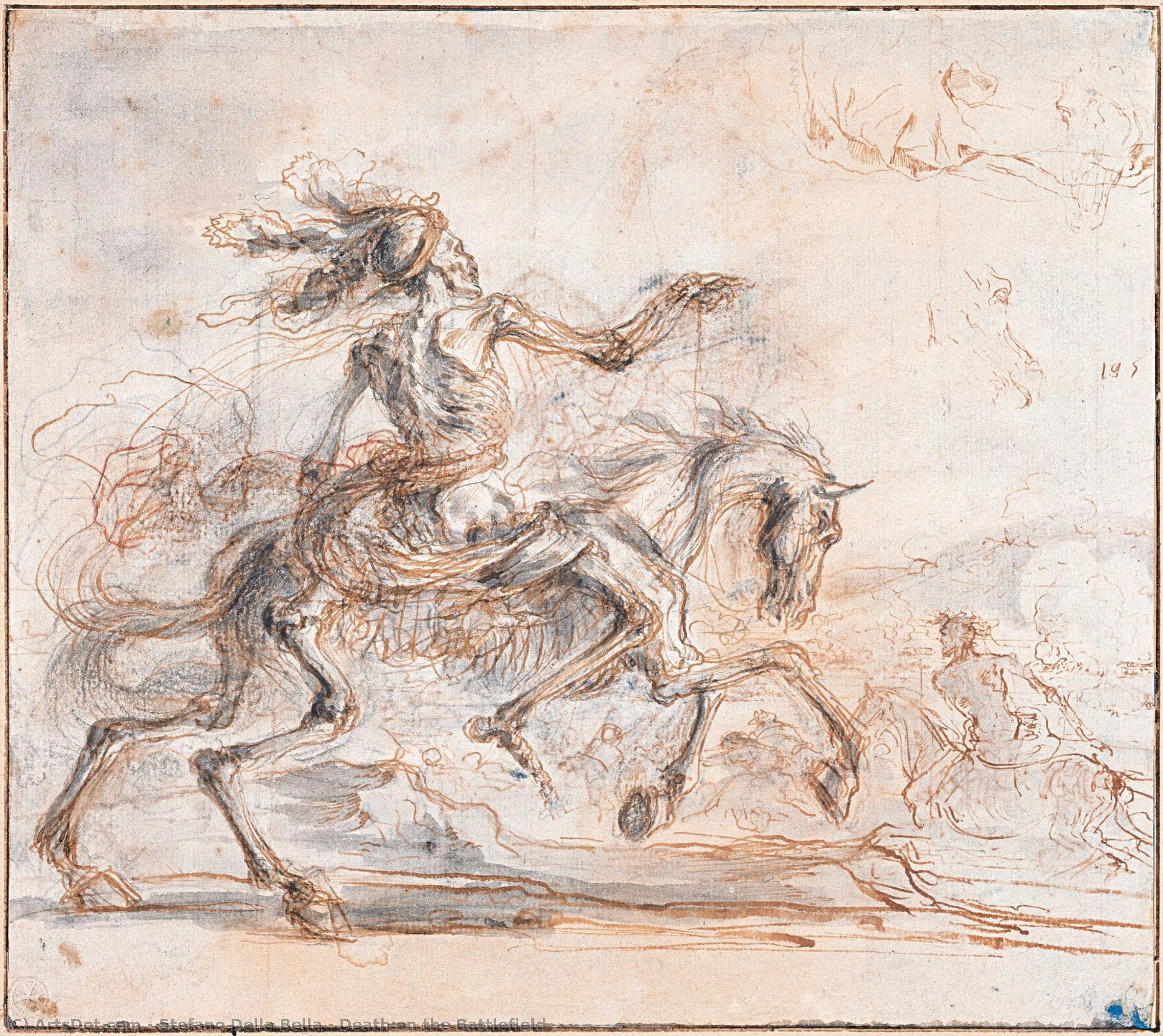
Death on the Battlefield


 Read More
Hand Made Oil Reproduction
Hand-painted oil on canvas in your size and frame, made to order by our artists. ( Buy Print Buy Image)




P118B $10

P118H $10

P118W $10

P438Z $10

P508JH $12

P508YH $12

P805H $10

P805Z $10

P919BZ $10

P919G $10

P919XJ $10

P959ZH $10

P968JZ $12

W106C $8

W218G $10

W218JH $8

W218Y $10

W307PJ $10

W316G $10

W316PJ $8

W316Y $10

W398PJ $8

W4111J $10

W500HY $15

W500JH $15

W692G $12

W849H $8

W940BG $15

W953PJ $8




Pick from our preset sizes that match the artwork's original proportions.

You may enter your own dimensions to fit a specific frame or space. If your selected size does not match the original image's proportions, we will either crop the artwork or extend the painting with additional hand-painted elements. A digital mockup will be sent for your approval before production begins.
Please note that the on-screen preview does not reflect the actual cropping or extension. Only the mockup will accurately show the final composition.
While custom sizes are available, we recommend selecting a dimension from the predefined list to preserve the original proportions.
After order, ArtsDot.com team will email client for instructions and provide a mockup preview
Worldwide Delivery () in 3/4 weeks instead of standard 5 weeks. (17 August). No compromise on quality.

Free Worldwide Express Shipping

High-Quality Linen Canvas

Full Shipping Insurance

Customs Tax Refund Guarantee

True Color Matching Guarantee

60-Day Return Policy (Defects Only)

100% Money-Back Guarantee

Bulk Discount Offer
 Glass option is only available in size under 110 CM

Death on the Battlefield
Reproduction Medium
Reproduction Size
-


Total Price
$ 263
Artwork Description
A Macabre Vision of Mortality
In the hauntingly beautiful masterpiece Death on the Battlefield, the Florentine master Stefano della Bella invites us into a realm where the boundaries between life and decay dissolve. The composition is dominated by a striking, skeletal figure mounted upon a powerful horse, an image that immediately commands the viewer's attention with its raw, visceral energy. This is not merely a depiction of death, but a theatrical performance of mortality. As the skeleton raises an arm toward the heavens, clutching a scepter and wearing a crown, it assumes the role of a grim sovereign, presiding over the chaos of conflict. The dynamic movement of the horse, positioned with a sense of urgent momentum, creates a sweeping motion that guides the eye across the canvas, making the skeletal rider feel as though it is charging through the very fabric of time itself.
The artistry of della Bella, rooted in his profound training as an etcher and draughtsman, shines through in the intricate details of this work. Though he was a master of the fine line, the essence of his printmaking precision is felt in every contour of the bone and every muscle of the steed. The sky above, stretching from corner to corner, provides a vast, atmospheric backdrop that lends a sense of epic scale to the scene. Small, delicate details—such as the presence of birds drifting through the upper reaches of the frame—offer a poignant contrast to the central figure. These creatures of life, soaring amidst the symbols of death, serve to heighten the emotional tension, reminding us of the fragile coexistence between the living world and the inevitable end that awaits all things.
Symbolism and the Baroque Spirit
To understand Death on the Battlefield, one must look through the lens of the Baroque era, a period obsessed with the concept of memento mori—the reminder that death is an ever-present companion. The crown and scepter held by the skeletal figure are deeply symbolic; they suggest that even the highest earthly powers and most glorious conquests are ultimately subject to the leveling force of death. This piece serves as a powerful allegory for the futility of war and the transient nature of human ambition. For the collector or the interior designer, this artwork offers more than just visual splendor; it provides a profound philosophical depth, making it a conversation piece that challenges the viewer to contemplate the fleeting essence of existence.
The emotional impact of the work lies in its ability to be simultaneously terrifying and mesmerizing. There is a certain dark elegance in the way della Bella captures the skeletal form, transforming what could be a grotesque image into something of profound aesthetic grace. For those seeking to adorn a space with art that possesses both historical weight and dramatic flair, this reproduction offers an unparalleled opportunity. It brings into a room a sense of history, a touch of the sublime, and a masterful command of light and shadow that can transform a modern interior into a gallery of contemplative thought.
Related Artworks
Artist Biography
A Florentine Master of Line and Light
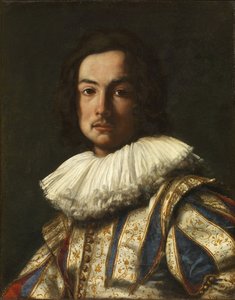
Stefano della Bella, born in Florence in 1610, was a pivotal figure in the Baroque era, though his legacy rests primarily on the intricate world he created through printmaking. While only one painting is definitively attributed to him, his prolific output of over 1050 prints and several thousand drawings established him as a master draughtsman and etcher, capturing the spirit of his time with remarkable detail and sensitivity. His life was one of constant movement and observation, shaped by patronage and a keen eye for the world around him – from the bustling courts of Florence to the military campaigns unfolding across Europe. Della Bella’s early training began in the workshop of a goldsmith, instilling in him a precision and attention to detail that would characterize his later work. He soon transitioned to engraving under Orazio Vanni and Cesare Dandini, but it was his tutelage with Remigio Cantagallina that truly set him on his path. Cantagallina had himself been instructed by Jacques Callot, whose influence is readily apparent in Della Bella’s earliest prints – a shared fascination with dramatic narratives and meticulous rendering of form.From Florentine Courts to Roman Grandeur
The patronage of the Medici family proved instrumental in shaping Della Bella's career. Their support enabled him to spend six formative years in Rome, residing within the Medici palace and immersing himself in the study of classical antiquities and contemporary life. This period marked a significant shift in his artistic development. He moved beyond the mannerist tendencies of his early work, embracing the dynamism and theatricality of the Baroque style. Rome provided an inexhaustible source of inspiration – bustling public squares, grand architectural monuments, and the spectacle of ceremonial processions. Della Bella meticulously documented these scenes in sketchbooks, which later served as the basis for a series of highly detailed prints. His *Entry of the Polish Ambassador to Rome* (1633), a monumental print stretching over two meters in length, exemplifies his ability to capture the energy and grandeur of public events. It’s a panoramic vision teeming with figures, horses, and architectural details, showcasing his mastery of etching techniques. He didn't merely record what he saw; he interpreted it, imbuing his images with a sense of drama and narrative tension. During this time, he also began to experiment with tonal effects, foreshadowing later innovations in printmaking.Parisian Sojourns and Artistic Innovation
In 1639, Della Bella journeyed to Paris, introduced by the Tuscan ambassador Alessandro del Nero. This marked another crucial chapter in his artistic evolution. He quickly integrated himself into Parisian society, securing commissions from prominent figures like Cardinal Richelieu and Cardinal Mazarin. His work adapted to French tastes, evidenced in his series updating northern themes of mortality – a reflection of the anxieties prevalent during that era. He also found himself influenced by Dutch printmakers such as Rembrandt, incorporating their atmospheric effects and subtle tonal gradations into his own style. His time in Paris was remarkably productive; he created drawings for prints depicting the siege of Arras and designed four sets of educational playing cards for the young Louis XIV. Notably, his ornament prints during this period were strikingly innovative, anticipating the Rococo aesthetic that would emerge later in the 18th century. One of his most celebrated works from this time is *View of the Pont Neuf* (1646), a vast and incredibly detailed depiction of Parisian life centered around the iconic bridge. The print is a microcosm of 17th-century Paris, populated by over 450 figures engaged in various activities – beggars, merchants, performers, and everyday citizens.Return to Florence and Lasting Legacy
Political upheaval in France, specifically the *Fronde* and the death of Mazarin, prompted Della Bella’s return to Florence around 1650. He secured a pension from the Grand Duke of Tuscany and dedicated himself to instructing Cosimo III de Medici in drawing. Despite his return to Italy, he continued to send plates to Parisian publishers, maintaining connections with the art world he had come to know so well. In his final years, Della Bella increasingly focused on experimenting with tonal effects in etching, pushing the boundaries of the medium and achieving remarkable subtlety and nuance. Though these experiments were not widely recognized during his lifetime, they demonstrate his relentless pursuit of artistic innovation. He suffered a stroke in 1661, which curtailed his productivity, and passed away in Florence in 1664. Stefano della Bella’s significance lies not only in the sheer volume and quality of his work but also in his ability to capture the complexities of his time – the grandeur of courts, the horrors of war, and the vibrancy of everyday life. He was a master observer, a skilled technician, and an artist who left an indelible mark on the history of printmaking.Influences and Artistic Style
- Jacques Callot: A foundational influence, particularly in Della Bella’s early work, evident in his meticulous detail and narrative approach to etching.
- Rembrandt van Rijn: Della Bella's exposure to Rembrandt during his travels influenced his use of light and shadow, adding depth and atmosphere to his prints.
- The Medici Family: Their patronage provided Della Bella with opportunities for travel, study, and commissions, shaping the course of his career.
- Baroque Aesthetics: Della Bella embraced the dynamism, theatricality, and emotional intensity characteristic of the Baroque style, moving away from earlier mannerist tendencies.
- Italian Landscape Tradition: His Roman period saw him absorbing the classical landscape tradition, influencing his depictions of topography and architectural settings.
Stefano della Bella
1610 - 1664 , Italy
Quick Facts
- Artistic Movement Or Style: Baroque
- Artists Or Movements Influenced By This Artist: ['Rococo']
- Artists Who Influenced This Artist:
- Jacques Callot
- Rembrandt
- Date Of Birth: 1610
- Date Of Death: 1664
- Full Name: Stefano della Bella
- Nationality: Italian
- Notable Artworks:
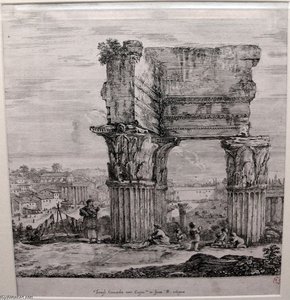
- Il Tempio Della Concordia
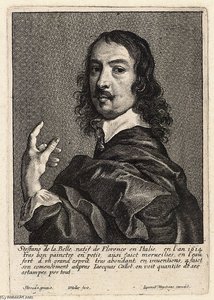
- Ritratto Di Stefano Della Bella
- Studie Eines Kriegers In Rustung
- View of the Pont Neuf
- Place Of Birth: Florence, Italy
Related Articles
The Equine Muse: A Historical & Artistic Exploration of Horses in Painting
Explore the captivating history of horses in painting! Discover Renaissance masterpieces, Baroque grandeur & expert insights for collecting equestrian art. Learn about symbolism, techniques & lasting value with ArtsDot.

Baroque Drama: Bringing Opulence & Emotion into Contemporary Interiors
Explore the opulent world of Baroque interior design! Discover key elements, modern applications & how to bring dramatic elegance into your home with 's authentic reproductions.

The Dramatic Flourish: Exploring the Baroque Movement's Enduring Legacy in Art History
Explore the dramatic world of Baroque art! Discover iconic artists like Caravaggio & Rubens, defining techniques, and its lasting impact on art history. Expert insights for collectors & enthusiasts at ArtsDot.
The Noble Steed on Canvas: A Historical & Artistic Exploration of Horse Painting Across Cultures
Explore the rich history of horse painting! Discover masterpieces from Stubbs to Munnings & learn about symbolism, techniques & artists. Find museum-quality reproductions at ArtsDot.

Baroque Masterpieces: 10 Paintings That Defined an Era |
Journey through the drama & grandeur of Baroque art! Explore 10 masterpieces by Caravaggio, Rembrandt, Rubens & more. Discover stunning oil paintings, rich colors & timeless stories. Find museum-quality reproductions at .