 Preview
 Send
Send Share
Share
 Details

 Download
 Similars
 X-Ray
X-Ray Diaporama
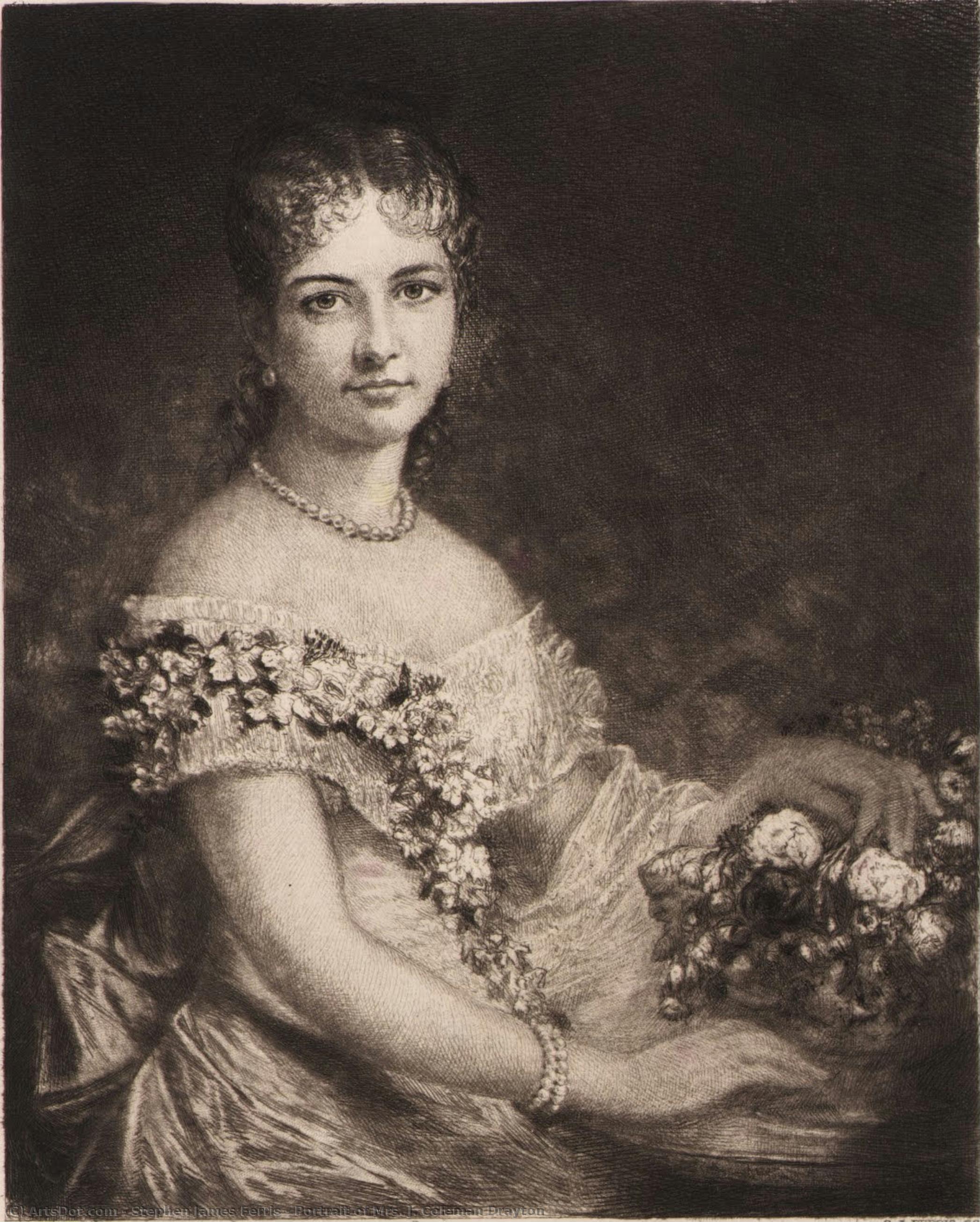
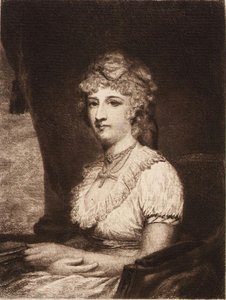
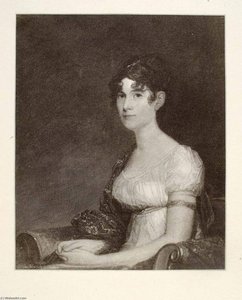
Portrait of Mrs. J. Coleman Drayton


 Read More
Hand Made Oil Reproduction
Hand-painted oil on canvas in your size and frame, made to order by our artists. ( Buy Print Buy Image)




P118B $10

P118H $10

P118W $10

P438Z $10

P508JH $12

P508YH $12

P805H $10

P805Z $10

P919BZ $10

P919G $10

P919XJ $10

P959ZH $10

P968JZ $12

W106C $8

W218G $10

W218JH $8

W218Y $10

W307PJ $10

W316G $10

W316PJ $8

W316Y $10

W398PJ $8

W4111J $10

W500HY $15

W500JH $15

W692G $12

W849H $8

W940BG $15

W953PJ $8




Pick from our preset sizes that match the artwork's original proportions.

You may enter your own dimensions to fit a specific frame or space. If your selected size does not match the original image's proportions, we will either crop the artwork or extend the painting with additional hand-painted elements. A digital mockup will be sent for your approval before production begins.
Please note that the on-screen preview does not reflect the actual cropping or extension. Only the mockup will accurately show the final composition.
While custom sizes are available, we recommend selecting a dimension from the predefined list to preserve the original proportions.
After order, ArtsDot.com team will email client for instructions and provide a mockup preview
Worldwide Delivery () in 3/4 weeks instead of standard 5 weeks. (23 August). No compromise on quality.

Free Worldwide Express Shipping

High-Quality Linen Canvas

Full Shipping Insurance

Customs Tax Refund Guarantee

True Color Matching Guarantee

60-Day Return Policy (Defects Only)

100% Money-Back Guarantee

Bulk Discount Offer
 Glass option is only available in size under 110 CM

Portrait of Mrs. J. Coleman Drayton
Reproduction Medium
Reproduction Size
-


Total Price
$ 263
Artwork Description
A Delicate Bloom of Victorian Elegance: Exploring Stephen James Ferris’s Portrait of Mrs. J. Coleman Drayton
Stephen James Ferris's etching, “Portrait of Mrs. J. Coleman Drayton,” stands as a testament to the artistic sensibilities of late 19th-century America—specifically, the influence of Impressionism on Scottish landscape painter William McTaggart’s oeuvre. Executed around 1880 after Daniel Huntington’s original conception, this artwork captures a moment frozen in time, presenting a serene depiction of Charlotte Augusta Astor, wife of prominent businessman J. Coleman Drayton. The piece resides within the National Gallery of Art's collection (accession number 181621), having been transferred from the Smithsonian American Art Museum in 1971.- Subject Matter: The portrait focuses on Mrs. Drayton herself, rendered with meticulous detail against a subtly textured background—a characteristic feature of Huntington’s style and subsequently adopted by Ferris. Her gaze is direct yet contemplative, conveying an inner stillness that contrasts beautifully with the vibrant floral arrangement adorning her hair.
- Style & Technique: Ferris skillfully employs etching techniques to achieve remarkable tonal gradation and textural nuances. The artist's masterful hand captures the delicate interplay of light and shadow, mirroring the Impressionist preoccupation with capturing fleeting atmospheric conditions. Huntington’s original sketch served as inspiration for Ferris, ensuring a faithful representation of his vision.
- Historical Context: Produced during the Victorian era, “Portrait of Mrs. Drayton” reflects the prevailing aesthetic values of the time—a reverence for beauty, refinement, and idealized femininity. The inclusion of flowers symbolizes purity, grace, and remembrance, aligning with Victorian floral symbolism.
- Symbolism: Beyond its visual appeal, the portrait speaks to broader themes of domestic tranquility and marital devotion. The careful arrangement of flowers underscores the importance of nurturing relationships and celebrating life’s simple pleasures—values deeply ingrained in Victorian culture.
- Emotional Impact: Viewing this etching evokes a sense of quiet contemplation and appreciation for artistic craftsmanship. Ferris's ability to convey emotion through subtle tonal variations contributes to the artwork’s enduring charm, inviting viewers to immerse themselves in its serene beauty.
Further Exploration & Artistic Legacy
The Smithsonian American Art Museum’s catalog entry highlights the significance of this piece within McTaggart's broader artistic trajectory—a journey marked by a harmonious blend of landscape painting and figurative portraiture. Ferris’s dedication to capturing light and texture exemplifies the Impressionist spirit, demonstrating how artists responded to the transformative ideas of their time. Examining “Portrait of Mrs. Drayton” alongside other works by McTaggart offers valuable insight into the evolution of American art during the Victorian period.Reproductions & Decorative Applications
A high-quality reproduction of Stephen James Ferris’s etching allows collectors and interior designers alike to experience the artistry of this iconic image firsthand. Its understated elegance lends itself beautifully to creating tranquil spaces—particularly those incorporating floral motifs—capturing the essence of Victorian aesthetics and celebrating timeless beauty.Related Artworks


Artist Biography
William McTaggart: Bridging Impressionism and the Scottish Landscape
Born in 1835 in the remote village of Aros, on Scotland’s rugged Kintyre peninsula, William McTaggart’s artistic journey was profoundly shaped by his upbringing amidst the dramatic beauty of the Atlantic coast. This early immersion in a landscape both wild and evocative would become the cornerstone of his lifelong work, establishing him as one of Scotland's most significant landscape painters of the late 19th century. His life coincided with a pivotal moment in art history – the rise of Impressionism – an influence that subtly yet powerfully transformed his approach to capturing light, color, and atmosphere.
McTaggart’s formal artistic training began at the Trustees' Academy in Edinburgh, where he honed his skills under Robert Scott Lauder. Early on, he demonstrated a talent for depicting figures, often portraying children with a sensitivity that hinted at the emotional depth he would later bring to his landscapes. However, it was his relocation to London and subsequent studies with George Scharf that marked a decisive shift. Here, amidst the vibrant artistic community of the time, McTaggart encountered the burgeoning Impressionist movement, absorbing its emphasis on capturing fleeting moments and the subjective experience of light. This exposure proved transformative, leading him to prioritize the atmospheric effects of nature over precise detail.
The 1860s witnessed a significant evolution in McTaggart’s artistic style. He began to dedicate himself increasingly to landscape painting, drawing inspiration from his childhood memories and the dramatic coastal scenery of Kintyre. His work during this period is characterized by loose brushwork, vibrant color palettes—often dominated by blues, greens, and greys—and a remarkable ability to convey the sense of movement and light on water. Influenced by artists like Constable and Turner, McTaggart sought to capture not just the appearance of a scene but also its emotional resonance. He wasn’t simply painting what he saw; he was conveying how it *felt* to be present in that place at that moment.
The Influence of Impressionism and Scottish Identity
While firmly rooted in the traditions of British landscape painting, McTaggart's work demonstrates a clear engagement with the principles of Impressionism. He adopted the practice of “plein air” painting – working directly from nature – a technique championed by Impressionist artists like Monet and Renoir. However, McTaggart’s approach was uniquely Scottish; he didn’t simply replicate the Impressionistic style but adapted it to his own subject matter and artistic sensibilities. The ruggedness of the Scottish Highlands and the dramatic interplay of light on the coastline provided a powerful counterpoint to the more idyllic landscapes favored by some of his French contemporaries.
His choice of subjects—the Moorfoot Hills near his home in Lasswade, the coastal scenes around Kintyre, and the moody skies over Midlothian—reflects a deep connection to his native land. McTaggart wasn’t interested in romanticizing Scotland; he depicted its beauty with honesty and realism, capturing both its grandeur and its inherent wildness. This commitment to portraying authentic Scottish landscapes solidified his place as a key figure in the development of landscape art within Scotland.
Technique and Style: A Master of Light and Atmosphere
McTaggart’s technique was characterized by a remarkable fluidity and responsiveness to changing light conditions. He employed loose, expressive brushstrokes—often applied with rapid, confident movements—to create a sense of immediacy and spontaneity. His use of color was equally dynamic, employing broken colors and subtle gradations to capture the shimmering effects of sunlight on water and the shifting hues of the sky. McTaggart’s paintings are not meticulously detailed; rather, they prioritize capturing the *impression* of a scene—the fleeting moment in time when light and atmosphere converge.
He was equally adept at working with both oil and watercolor, utilizing each medium to achieve different effects. Oil paints allowed him to build up layers of color and create rich textures, while watercolors offered a greater sense of transparency and luminosity. This versatility enabled him to adapt his technique to the specific demands of each subject matter.
Legacy and Recognition
William McTaggart’s work gained increasing recognition throughout his career, culminating in his election as an Associate of the Royal Academy in 1870 and a full academician in 1878. His paintings were exhibited at numerous prestigious venues, including the Royal Scottish Academy, the British Institution, and the Grosvenor Gallery. He also served as Librarian at the Royal Academy and Curator of the Painted Hall at Greenwich, demonstrating his commitment to both artistic creation and preservation.
Today, McTaggart’s paintings are held in major collections across Scotland and beyond, including the National Galleries of Scotland and the Tate Britain. He is remembered as a pivotal figure in the development of landscape art in Scotland—an artist who seamlessly blended the traditions of British painting with the innovative spirit of Impressionism, creating works that continue to captivate viewers with their beauty, atmosphere, and emotional resonance. His legacy lies not only in his stunning depictions of the Scottish landscape but also in his ability to capture the very essence of light and feeling.
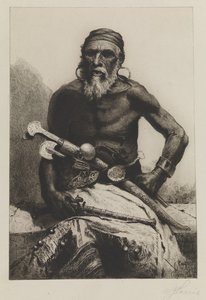
stephen james ferris
1835 - 1915 , United States of America
Quick Facts
- Artistic Movement Or Style: Landscape/Marine Impressionism
- Artists Or Movements Influenced By This Artist: ['Impressionism']
- Artists Who Influenced This Artist:
- Constable
- Turner
- Date Of Birth: 1835-10-25
- Date Of Death: 1910-04-02
- Full Name: William McTaggart
- Nationality: Scottish
- Notable Artworks:
- Moorfoot Hills
- Venetian Scene
- La Promenade de Montauban
- Place Of Birth: Aros, Argyll and Bute
Related Articles

Whistler's Masterpieces: Explore 25 Iconic Paintings & Aesthetic Art for Your Home
Journey through 25 iconic James Abbott McNeill Whistler paintings! Explore his masterpieces of Aestheticism, from 'Nocturne in Black and Gold' to captivating portraits. Find museum-quality art reproductions & elevate your home decor with ArtsDot.com. Discover the full collection online.

Etching Masters: 10 Legendary Prints That Revolutionized Art | ArtsDot
Journey through 10 legendary etching masterpieces by Rembrandt, Dürer & Goya. Explore the history of printmaking and discover timeless art for your home. Find museum-quality reproductions at ArtsDot.com.
The Intricate World of Etching: A Historical Survey of Technique, Aesthetic Evolution, and Enduring Artistic Impact
Explore the rich history of etching, from its origins to modern practice. Discover techniques, key artists like Rembrandt, and insights for collectors. A comprehensive guide by ArtsDot.

Etching: A Historical Survey of Technique, Aesthetic Qualities & Enduring Artistic Significance
Explore the rich history of etching, from its origins to Rembrandt's masterful innovations. Discover the technique, aesthetic qualities & enduring legacy of this captivating art form. Expert insights for collectors and enthusiasts.
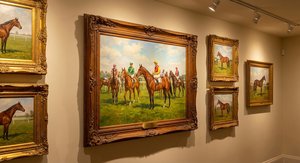
Sir Alfred Munnings' Masterpieces: 25 Paintings That Define Equine Art | ArtsDot
Explore 25 iconic Sir Alfred Munnings paintings! Discover the beauty of British Impressionism, equine art & rural England. Find museum-quality reproductions and elevate your home decor with ArtsDot. Explore the full collection online.