

 Preview
 Send
Send Share
Share
 Details

 Download
 Similars
 X-Ray
X-Ray Diaporama
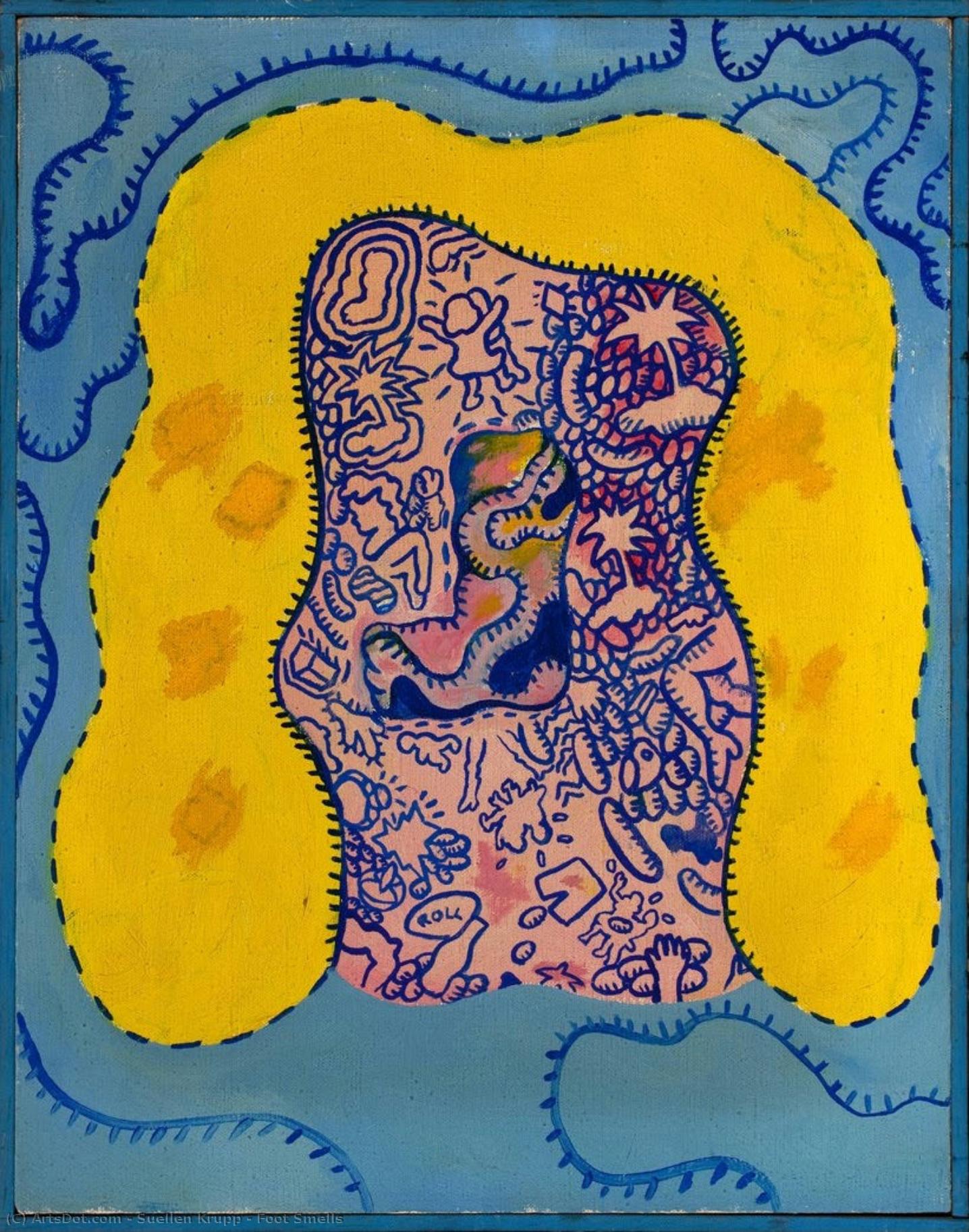
Foot Smells


 Read More
Purchase a high-resolution, enhanced digital image, far superior to the online preview.
Each file is meticulously prepared by our in-house specialists using advanced tools and expert manual retouching. We ensure every image has exceptional clarity, precise color accuracy, and fine detail.
The final file is delivered via email within 72 hours, optimized for immediate use in professional, editorial, and print environments. This is the same quality trusted by top-tier design studios, publishers, and galleries.
Digital Image
Download a high-resolution file for personal display, printing, and creative projects. ( Buy Print Buy Hand Made Painting)
Included in Every Digital Image Order
Expert Digital Delivery, Guaranteed
When you choose ArtsDot.com, you're not just getting an image - you're receiving a professionally enhanced digital artwork, crafted with precision and backed by a satisfaction guarantee. Here's everything that comes with your order, automatically:

Fast Email Delivery
Your high-resolution digital image file will be emailed to you within 72 hours of ordering - ready for immediate use.

AI-Enhanced Digital File
Your artwork is professionally optimized using advanced AI tools and manual editing, ensuring maximum detail, clarity, and color accuracy.

Free Lifetime Re-Delivery
Accidentally deleted or lost your file? No worries - we'll resend it to you anytime, free of charge.

No Import Fees - Ever
Enjoy your artwork instantly with zero customs, duties, or delivery fees - digital downloads are always tax-free.

Color Accuracy Guarantee
We ensure your digital image reflects the original colors as closely as possible using professional tools and color management.

60-Day Satisfaction Guarantee
If you're not satisfied with your digital image, we'll revise it or refund 100% within 60 days - no questions asked.

100% Money-Back Guarantee
Not satisfied? Get a full refund within 60 days of receiving your digital file - no questions asked.

Bulk Order Discounts
Buy 3 images, save 10% - Buy 5, save 15% - Buy 10+, save 20%. Great for creative projects, galleries, and agencies.
Collectible Description
A Kaleidoscope of Form and Color
In the vibrant tapestry of mid-century modernism, few works capture the eye with such immediate, rhythmic energy as Foot Smells. Created in 1966 by the evocative Suellen Krupp, this masterpiece serves as a profound exploration of organic geometry and chromatic intensity. At first glance, the viewer is swept into a sun-drenched world, dominated by a radiant yellow background that pulses with warmth. Yet, beneath this luminous surface lies a complex, intricate design that suggests the silhouette of a human form, reimagined through a lens of abstraction. The painting does not merely depict a subject; it orchestrates a visual symphony where blue accents dance against golden hues, creating a sense of movement that feels both spontaneous and meticulously structured.
The technique employed in this piece reflects a masterful command over pattern and layering. Krupp utilizes a dense arrangement of colors and motifs to build a central figure that appears almost sculptural in its complexity. This larger, central design is populated by smaller, enigmatic figures that drift across the canvas like celestial bodies or microscopic organisms. These secondary elements create a layered depth, inviting the eye to wander through a labyrinth of shapes. The interplay between the bold, primary-adjacent colors and the delicate, intricate linework creates a tension that is quintessential to the era's experimental spirit, making every viewing a new discovery for the discerning observer.
Symbolism and the Human Connection
Beyond its striking aesthetic, Foot Smells invites deep contemplation regarding identity and the interconnectedness of life. The way the central body-like form is composed of fragmented patterns suggests that the individual is not a singular entity, but a mosaic of experiences, environments, and histories. By scattering smaller figures throughout the composition, Krupp subtly touches upon themes of community and the collective human condition. There is a sense of an ecosystem at work—a biological or social web where every small part contributes to the vitality of the whole. This symbolic depth transforms the painting from a mere decorative object into a profound meditation on existence.
For the collector or interior designer, this artwork offers a unique opportunity to introduce a focal point of immense character and intellectual weight. The emotional impact of the piece is one of uplift and curiosity; it possesses the rare ability to energize a room while simultaneously providing a quiet space for introspection. Whether placed in a contemporary gallery setting or as a bold statement piece in a sophisticated residential lounge, Foot Smells commands attention through its unapologetic joy and structural complexity. It remains a timeless testament to the power of abstraction to communicate the most intimate aspects of our shared reality.
Related Artworks



Artist Biography
David Hammons: A Sculptor of Urban Echoes
David Hammons, born in Springfield, Illinois, on July 24, 1943, is an American artist whose work has profoundly shaped the landscape of contemporary art. His career, spanning over six decades, is characterized by a unique blend of performance, sculpture, and found object assemblage—a potent combination that confronts issues of race, identity, and social commentary with both startling directness and subtle complexity. Hammons’s artistic journey began not within the hallowed halls of formal education but through a deep engagement with the streets and communities of Los Angeles and later New York City. This grounding in lived experience is fundamental to his practice, informing his use of vernacular materials—discarded objects, hair clippings, bottle caps—and imbuing his work with an undeniable sense of authenticity.Early Influences and the LA Rebellion
Hammons’s formative years were spent absorbing the artistic currents circulating within Los Angeles during the late 1960s and early 1970s, a period marked by a vibrant and politically engaged art scene known as the “LA Rebellion.” This collective of artists—including Charles White, Bruce Nauman, John Baldessari, and Noah Purifoy—challenged prevailing notions of artistic expression and sought to represent the experiences of marginalized communities. Hammons’s time with Studio Z, alongside Senga Nengudi and others, provided him with a crucial foundation in collaborative practice and an understanding of how art could be deployed as a tool for social critique. The influence of Charles White is particularly notable; while Hammons never fully embraced White's realist style, he adopted his commitment to depicting the realities of Black life and his use of direct observation. This early exposure shaped his later approach to using everyday objects—particularly those associated with African American culture—as symbolic representations.The Language of Found Objects and Body Prints
Hammons’s signature style emerged through a deliberate exploration of the discarded and overlooked. He began creating “Body Prints” in the late 1960s, utilizing his own skin as a medium to transfer intricate patterns onto paper—a process that simultaneously revealed and obscured his physical form. These prints, often imbued with pigment and graphite, became a visual vocabulary for exploring themes of identity, vulnerability, and the experience of being “othered.” Simultaneously, he began collecting and transforming discarded objects – bottle caps, chicken bones, hair clippings – into sculptures that spoke to the rhythms and textures of urban life. His work in this period was deeply rooted in the streets of Los Angeles and New York City, reflecting the detritus of everyday existence. The use of these found materials wasn’t merely aesthetic; it served as a direct engagement with the social landscape, highlighting the beauty and significance within what others considered waste.Performance and Public Intervention
As his career progressed, Hammons increasingly incorporated performance into his practice. Works like *Bliz-aard Ball Sale* (1983) – where he sold snowballs on a New York City sidewalk—and *Higher Goals* (1983; 1986), monumental basketball hoops adorned with bottle caps resembling cowrie shells, exemplify this shift. These interventions disrupted the conventional boundaries between art and public space, inviting viewers to actively participate in his artistic statements. Hammons’s performances often challenged social norms and provoked critical reflection on issues of race, class, and consumerism. His willingness to engage directly with the public—sometimes in provocative or unsettling ways—established him as a significant figure in performance art.Legacy and Critical Significance
David Hammons’s work continues to resonate deeply within contemporary art discourse. He is recognized for his innovative use of materials, his unflinching engagement with social issues, and his ability to transform the mundane into the profound. His influence can be seen in the work of numerous artists who have followed in his footsteps, demonstrating a lasting impact on the trajectory of American art. Hammons’s legacy lies not only in his individual creations but also in his willingness to challenge conventions, disrupt expectations, and use art as a vehicle for social change. He remains an artist whose work demands both critical analysis and emotional engagement—a testament to the power of art to illuminate the complexities of the human experience.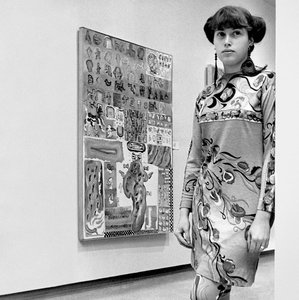
suellen krupp
1943 - 2020 , United States of America
Quick Facts
- Artistic Movement Or Style: Conceptual art, assemblage
- Artists Who Influenced This Artist: ['Charles White, Bruce Nauman, John Baldessari],\n "Artists or movements influenced by this artist": ["Studio Z"]\n}']
- Date Of Birth: July 24, 1943
- Full Name: David Hammons
- Nationality: American
- Notable Artworks:
- Bliz-aard Ball Sale
- How Ya Like Me Now?
- Untitled
- Place Of Birth: Springfield, Illinois, USA

