 Preview
 Send
Send Share
Share
 Details

 Download
 Similars
 X-Ray
X-Ray Diaporama
 Stats
StatsThe Breaking of The Seventh Seal - Birth of Artist


 Read More
Hand Made Oil Reproduction
Hand-painted oil on canvas in your size and frame, made to order by our artists. ( Switch to Print Switch to Digital Image)




P118B $10

P118H $10

P118W $10

P438Z $10

P508JH $12

P508YH $12

P805H $10

P805Z $10

P919BZ $10

P919G $10

P919XJ $10

P959ZH $10

P968JZ $12

W106C $8

W218G $10

W218JH $8

W218Y $10

W307PJ $10

W316G $10

W316PJ $8

W316Y $10

W398PJ $8

W4111J $10

W500HY $15

W500JH $15

W692G $12

W849H $8

W940BG $15

W953PJ $8




Pick from our preset sizes that match the artwork's original proportions.

You may enter your own dimensions to fit a specific frame or space. If your selected size does not match the original image's proportions, we will either crop the artwork or extend the painting with additional hand-painted elements. A digital mockup will be sent for your approval before production begins.
Please note that the on-screen preview does not reflect the actual cropping or extension. Only the mockup will accurately show the final composition.
While custom sizes are available, we recommend selecting a dimension from the predefined list to preserve the original proportions.
After order, ArtsDot.com team will email client for instructions and provide a mockup preview
Worldwide Delivery () in 3/4 weeks instead of standard 5 weeks. (9 September). No compromise on quality.

Free Worldwide Express Shipping

High-Quality Linen Canvas

Full Shipping Insurance

Customs Tax Refund Guarantee

True Color Matching Guarantee

100-Day Return Policy (Defects Only)

100% Money-Back Guarantee

Bulk Discount Offer
 Glass option is only available in size under 110 CM

The Breaking of The Seventh Seal - Birth of Artist
Reproduction Medium
Reproduction Size
-


Total Price
$ 263
A Visionary Apocalypse: The Convergence of Myth and Modernity
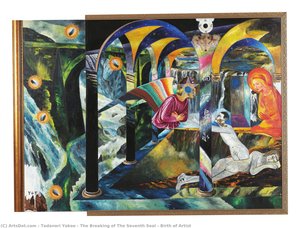
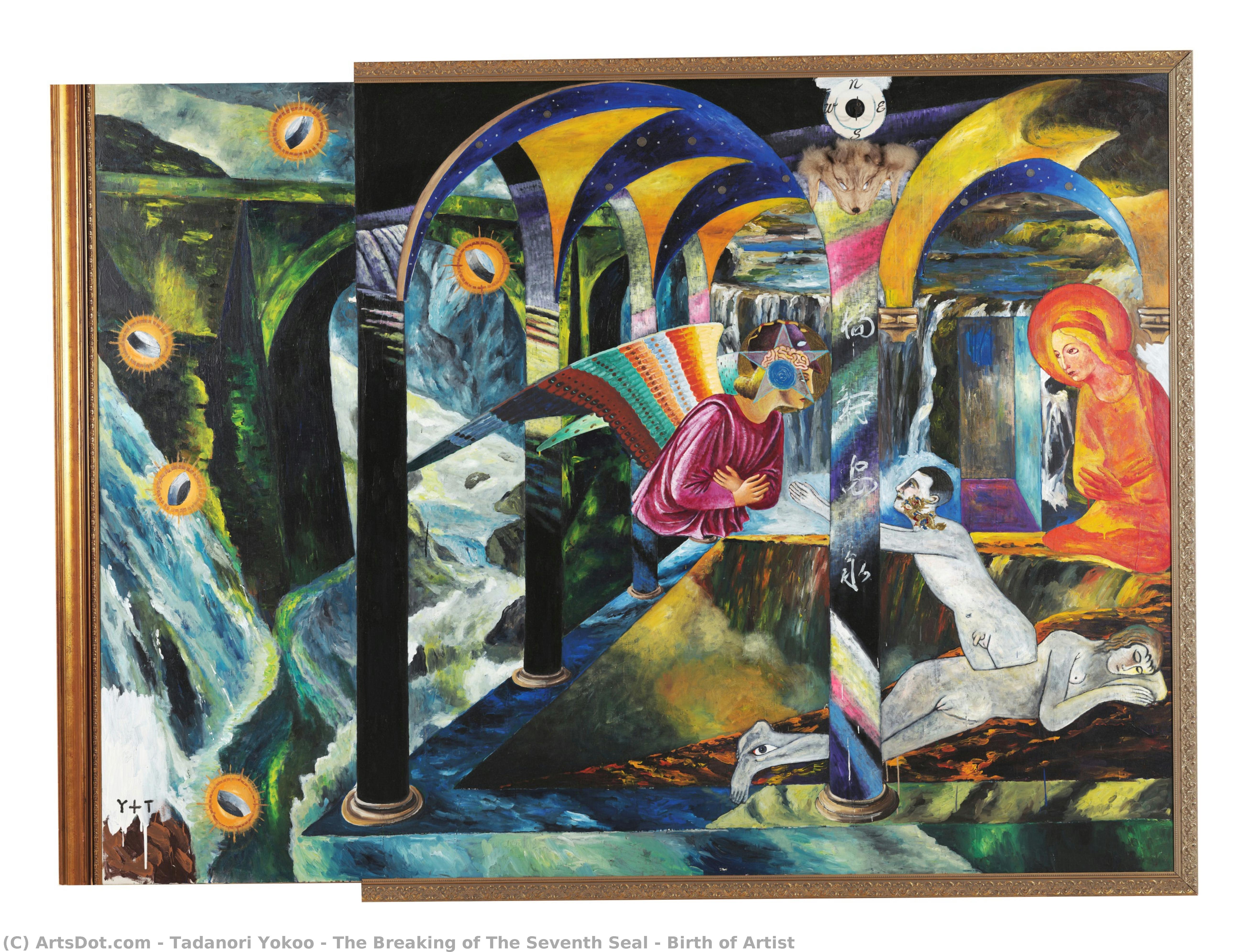
In the mesmerizing expanse of Tadanori Yokoo’s The Breaking of The Seventh Seal - Birth of Artist, the viewer is thrust into a kaleidoscopic dreamscape where the boundaries between the sacred and the profane dissolve. Created in 1991, this monumental work serves as a profound meditation on the cyclical nature of creation and destruction. At its heart, the painting draws upon the heavy theological weight of the New Testament, specifically referencing the apocalyptic imagery found in the Apocalypse of John. Yet, Yokoo does not merely replicate biblical dread; instead, he weaves it into a tapestry of personal mythology. The composition is an intricate dance of figures—a man kneeling in reverence before a seated woman, surrounded by a cast of characters that feel both ancient and strikingly contemporary. It is a scene that captures the breathless tension of a world on the precipice of transformation.
The stylistic essence of this masterpiece lies in Yokoo’s unparalleled ability to fuse the vibrant, high-energy aesthetics of Japanese Pop Art with the avant-garde traditions of Western modernism. The painting functions as a brilliant pastiche, most notably reimagining the serene, spiritual grace of Fra Angelico’s Annunciation through a psychedelic lens. Where the Renaissance master sought to depict divine stillness, Yokoo introduces a sense of theatrical movement and visual noise. His use of color is nothing short of hypnotic, employing a palette that vibrates with intensity, pulling the eye across the canvas to discover hidden details—from the delicate presence of birds soaring above the central drama to the enigmatic figures lurking in the periphery. This technique creates a layered experience, rewarding the patient observer with a sense of discovery that mirrors the complexity of the subject matter itself.
Symbolism and the Rebirth of the Creator
Beyond its visual splendor, the painting is deeply autobiographical, serving as a symbolic chronicle of the artist’s own spiritual and professional evolution. The title refers to the moment of profound revelation, and the imagery at the lower right—an androgynological figure emerging from a reclining woman, reaching toward the Archangel Gabriel—acts as a powerful metaphor for the birth of the artist. This is not merely a depiction of a historical or religious event, but an allegory for the moment Tadanori Yokoo transitioned from the high-pressure world of graphic design into the profound, introspective realm of fine art painting. The figure represents the emergence of the creative soul from the chaos of the end times, suggesting that even as worlds collapse, new forms of consciousness and expression are being forged.
For the discerning collector or interior designer, this artwork offers more than just a striking visual focal point; it provides a profound intellectual and emotional anchor for any space. The piece commands attention through its narrative depth and its ability to evoke a sense of wonder and existential reflection. Whether placed in a contemporary gallery setting or as a centerpiece in a sophisticated residential collection, The Breaking of The Seventh Seal invites conversation about the intersection of tradition and innovation. It is a work that embodies the spirit of postmodernism—challenging the viewer to find beauty in the collision of disparate cultures, eras, and ideologies, making it an indispensable acquisition for those who seek art that is as intellectually stimulating as it is visually breathtaking.
Related Artworks
Artist Biography
A Psychedelic Pioneer: The Visionary World of Tadanori Yokoo
Tadanori Yokoo stands as one of the most distinctive and electrifying voices in contemporary Japanese art, a master of visual language who seamlessly bridges the gap between ancient tradition and modern provocation. Born on June 27, 1936, in Nishiwaki, Hyōgo Prefecture, Yokoo has spent a prolific career navigating the realms of graphic design, illustration, printmaking, and painting. His work is not merely seen; it is experienced as a sensory deluge, characterized by vibrant, almost hallucinogenic color palettes, intricate collage techniques, and theatrical compositions that demand the viewer's full attention. Through his singular aesthetic, Yokoo has consistently interrogated cultural boundaries, confronting societal anxieties with an uncompromising blend of humor, pathos, and intellectual depth.
The foundations of Yokoo’s artistic journey were laid in the avant-garde spirit of Tokyo’s vibrant theater scene. Before becoming a titan of graphic design, he honed his skills as a stage designer for experimental productions, an experience that instilled in him a profound understanding of visual storytelling and the dynamism of performance art. This early immersion in the theatrical world fostered an appreciation for disruption and the challenging of conventional representation. As his style matured, it began to absorb the surrealist whispers of René Magritte and the bold, commercial energy of American Pop Art, specifically the works of Andy Warhol and Roy Lichtenstein. This synthesis of influences allowed him to develop a technique of visual pastiche, where disparate elements are woven into a cohesive, often jarring, tapestry of meaning.
The Psychedelic Explosion and the Art of Collage
The mid-1960s marked a transformative era for Yokoo, as he emerged as a pivotal figure in Japan’s burgeoning psychedelic movement. His work during this period became synonymous with the era's fascination with altered states of consciousness and visual experimentation. Through his groundbreaking posters for monumental events like the Osaka Exposition and high-profile collaborations with global musical icons such as The Beatles and Carlos Santana, Yokoo captured the zeitgeist of a generation. He mastered the art of collage, skillfully assembling fragmented imagery to create dreamlike landscapes that felt both chaotic and meticulously orchestrated.
This period of intense creativity saw him blending the high-brow aesthetics of fine art with the accessible, punchy language of commercial design. His ability to manipulate symbols—ranging from traditional Japanese motifs to Western pop culture icons—created a sense of cultural vertigo. By layering these elements, Yokoo did more than just create beautiful images; he constructed a complex dialogue between the East and the West, the past and the present. His work often functions as a mirror to the political and social shifts occurring in post-war Japan, using the language of advertising and mass media to critique the very structures that produced them.
Legacy and Historical Significance
Beyond the immediate impact of his psychedelic posters, Tadanori Yokoo’s historical significance lies in his ability to redefine the boundaries of graphic design as a fine art form. He transformed the poster from a mere tool of information into a medium of profound conceptual expression. His legacy is found in the way he navigated the tension between mass production and individual artistic expression, proving that the tools of commercialism could be repurposed to explore deep-seated psychological and cultural truths.
Today, Yokoo remains a living legend, his influence felt across generations of designers and artists who continue to draw inspiration from his fearless approach to color and composition. His body of work serves as a vital archive of the 20th century's shifting cultural landscape, embodying the spirit of postmodernism through its embrace of irony, fragmentation, and the beautiful chaos of the human experience. To study the work of Tadanori Yokoo is to witness the evolution of modern Japanese identity, captured in every bold stroke and meticulously placed fragment of his iconic collages.
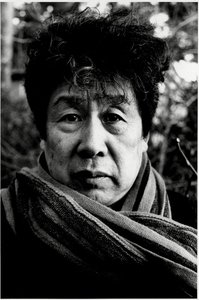
tadanori yokoo
1936 - , Japan
Quick Facts
- Artistic Movement Or Style: Psychedelic Art; Postmodern Art; Collage Art; Butoh Theatre
- Artists Or Movements Influenced By This Artist: ['Pop Art']
- Artists Who Influenced This Artist: ['Milton Gl']
- Date Of Birth: June 27, 1936
- Date Of Death: (Living)
- Full Name: Tadanori Yokoo
- Nationality: Japanese
- Notable Artworks:
- Made in Japan
- The Breaking of The Seventh Seal - Birth of Artist
- Place Of Birth: Nishiwaki, Japan
Related Articles
David Burliuk: A Pioneer of Russian Avant-Garde & His Enduring Legacy
Explore the revolutionary art of David Burliuk, a key figure in Russian Avant-Garde & Cubo-Futurism. Discover his impact on painting, poetry, and design with ArtsDot.
Mikhail Larionov: Rayonism, Primitivism & the Dawn of Russian Avant-Garde Painting
Explore the revolutionary art of Mikhail Larionov & the Russian Avant-Garde. Discover Rayonism, Primitivism's influence, and his lasting impact on modern painting. Expert insights for collectors.
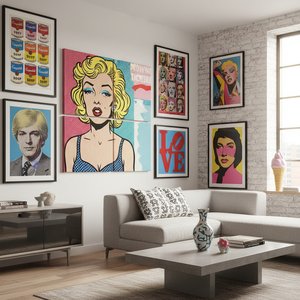
Pop Art Icons: 10 Masterpieces That Revolutionized Modern Decor |
Explore 10 defining Pop Art masterpieces – from Warhol’s iconic Marilyn to Lichtenstein's bold dots. Discover the stories behind these revolutionary artworks & find museum-quality reproductions for your home at .
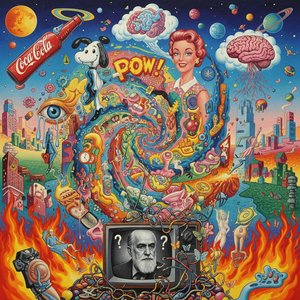
Pop Surrealism: A Collision of Culture, Dreams & the Subconscious in Post-War Art
Explore the captivating world of Pop Surrealism with ArtsDot. Discover key artists like George Condo & Robert Williams, investment potential, and the movement's cultural impact. Expert insights for collectors.
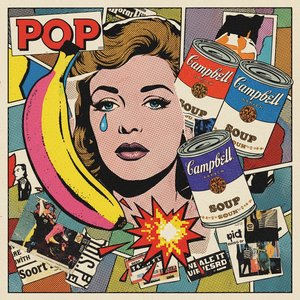
Challenging Conventions: Pop Art's Origins, Evolution & Enduring Legacy
Explore the fascinating history of Pop Art, from its rebellious origins to its enduring influence on contemporary artists. Discover key figures like Warhol & Lichtenstein and learn about collecting this iconic movement.