

 Preview
 Send
Send Share
Share
 Details

 Download
 Similars
 X-Ray
X-Ray Diaporama
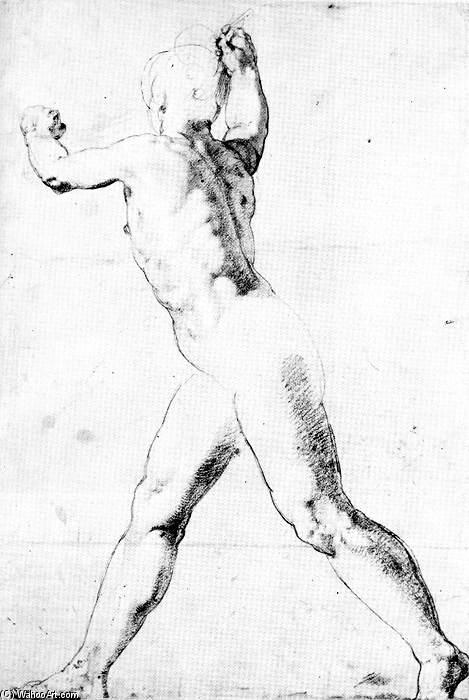
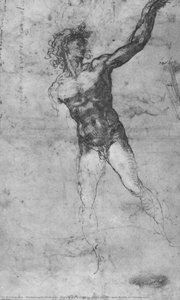
Study of a Male Nude
 Charcoal
- WallArt
- Mannerism
 Renaissance
 42.0 x 49.0 cm
 Metropolitan Museum of Art
 Read More
Purchase a high-resolution, enhanced digital image, far superior to the online preview.
Each file is meticulously prepared by our in-house specialists using advanced tools and expert manual retouching. We ensure every image has exceptional clarity, precise color accuracy, and fine detail.
The final file is delivered via email within 72 hours, optimized for immediate use in professional, editorial, and print environments. This is the same quality trusted by top-tier design studios, publishers, and galleries.
Digital Image
Download a high-resolution file for personal display, printing, and creative projects. ( Buy Print Buy Hand Made Painting)
Included in Every Digital Image Order
Expert Digital Delivery, Guaranteed
When you choose ArtsDot.com, you're not just getting an image - you're receiving a professionally enhanced digital artwork, crafted with precision and backed by a satisfaction guarantee. Here's everything that comes with your order, automatically:

Fast Email Delivery
Your high-resolution digital image file will be emailed to you within 72 hours of ordering - ready for immediate use.

AI-Enhanced Digital File
Your artwork is professionally optimized using advanced AI tools and manual editing, ensuring maximum detail, clarity, and color accuracy.

Free Lifetime Re-Delivery
Accidentally deleted or lost your file? No worries - we'll resend it to you anytime, free of charge.

No Import Fees - Ever
Enjoy your artwork instantly with zero customs, duties, or delivery fees - digital downloads are always tax-free.

Color Accuracy Guarantee
We ensure your digital image reflects the original colors as closely as possible using professional tools and color management.

60-Day Satisfaction Guarantee
If you're not satisfied with your digital image, we'll revise it or refund 100% within 60 days - no questions asked.

100% Money-Back Guarantee
Not satisfied? Get a full refund within 60 days of receiving your digital file - no questions asked.

Bulk Order Discounts
Buy 3 images, save 10% - Buy 5, save 15% - Buy 10+, save 20%. Great for creative projects, galleries, and agencies.
Collectible Description
The Vitality of Motion: A Renaissance Encounter
In the quiet intimacy of this charcoal study, we find ourselves transported to the heart of the Italian Renaissance, witnessing a moment of raw, unadulterated movement captured by the hand of Taddeo Zuccaro. This Study of a Male Nude is far more than a mere anatomical exercise; it is a profound exploration of the human spirit in motion. The figure, caught in a dynamic, diagonal sweep across the paper, suggests a dancer or an athlete mid-leap, embodying a sense of grace and kinetic energy that defies the stillness of the medium. Through the masterful use of light and shadow, Zuccaro breathes life into the monochrome, creating a three-dimensional presence that feels as though it might break free from the confines of the page.
The artistry lies in the delicate balance between spontaneous gesture and meticulous observation. Utilizing the tactile qualities of charcoal or pencil, the artist employs sophisticated hatching and cross-hatching techniques to sculpt the musculature of the male form. These rhythmic lines do not merely define edges; they create a sense of volume and weight, tracing the contours of the body with an anatomical precision characteristic of the Mannerist tradition. The texture of the work remains beautifully visceral, where the visible strokes of the artist’s hand serve as a window into the creative process itself, offering a glimpse of the preparatory intensity required to conceive such monumental compositions.
A Masterclass in Monochromatic Depth
While the palette is strictly limited to the grayscale spectrum, the emotional and visual depth achieved is nothing short of extraordinary. Without the distraction of color, the viewer’s eye is drawn to the interplay of light and dark—the chiaroscroll effect that defines the figure's anatomy. The darker, concentrated shadows suggest the weight of limbs in motion, while the lighter, untouched areas of the paper act as highlights, simulating the glow of skin under an unseen light source. This monochromatic approach strips the subject down to its essential elements: form, line, and tension.
For the discerning collector or interior designer, this piece offers a timeless elegance that transcends fleeting trends. Its classical subject matter and sophisticated tonal range make it an ideal centerpiece for spaces that demand a sense of intellectual depth and historical prestige. Whether placed in a contemporary gallery setting or a traditional study, the artwork provides a focal point of quiet strength. It invites contemplation on the beauty of the human form and the enduring legacy of the Renaissance masters, making it a profound addition to any curated collection of fine art reproductions.
Related Artworks
Artist Biography
Titian: A Venetian Master Forged in the Crucible of Renaissance Rome
Born in Pieve di Cadore, a small town nestled in the foothills of the Dolomites in 1529, Tiziano Vecellio – later known simply as Titian – emerged from humble beginnings to become arguably the most influential painter of the High Renaissance. His early life remains somewhat shrouded in mystery, but it’s clear that his formative years were spent absorbing the artistic currents flowing through Venice and, crucially, Rome. The city at this time was a vibrant hub of artistic innovation, fueled by papal patronage and the rediscovery of classical ideals. This confluence of influences would profoundly shape Titian's distinctive style – one characterized by luminous color, dynamic composition, and a masterful understanding of human form. Unlike many artists who trained in monastic workshops, Titian’s education began with his father, Ottavio Vecellio, a drapery merchant and amateur painter. He then spent several years working under the renowned Maestro Bellini in Venice, honing his skills in tempera painting before venturing to Rome around 1546.Early Roman Years: Echoes of Raphael and Michelangelo
Titian’s time in Rome proved transformative. He quickly established himself as a sought-after painter, initially specializing in *vedute* – depictions of cityscapes – and portraits for wealthy patrons. However, his artistic development was profoundly influenced by the giants of the era: Raphael and Michelangelo. The elegant grace and balanced compositions of Raphael’s work, particularly his frescoes in the Vatican, instilled in Titian a deep appreciation for harmony and proportion. Conversely, Michelangelo's powerful musculature, dramatic gestures, and masterful use of light and shadow ignited a passion for dynamism and emotional intensity within Titian’s art. He studied the anatomical precision of Michelangelo’s figures, incorporating this knowledge into his own depictions of the human body with remarkable accuracy and sensuality. This dual influence – Raphael's refinement and Michelangelo's raw power – became a defining characteristic of Titian’s oeuvre.The Venetian School: Color, Light, and Drama
Returning to Venice in 1548, Titian quickly ascended to the pinnacle of the Venetian school of painting. Unlike the more restrained palette of Florentine artists like Leonardo da Vinci, Titian embraced a vibrant, saturated color scheme – utilizing pigments derived from exotic sources brought back from the East. He expertly manipulated light and shadow, creating an illusion of depth and volume that was revolutionary for its time. His paintings are renowned for their atmospheric effects, capturing the shimmering reflections on water, the warmth of sunlight, and the dramatic intensity of theatrical scenes. He wasn’t simply replicating reality; he was transforming it through color and light, imbuing his works with a palpable sense of drama and emotion. The influence of Venetian painting extended beyond Titian himself, shaping the style of generations of artists who followed in his footsteps.Major Works and Patronage
Titian’s career spanned over four decades, during which he produced an astonishingly diverse body of work. He painted portraits for royalty and nobility across Europe – including Charles V, Philip II of Spain, and Pope Paul III – as well as numerous religious scenes, mythological subjects, and decorative frescoes. Some of his most celebrated works include *Venus of Urbino* (1538), a sensual depiction of the goddess that redefined the genre of portraiture; *Assumption of the Virgin* (c. 1516-1518), a monumental altarpiece showcasing his mastery of color and composition; and *Bacchus and Ariadne* (1520-1523), a dynamic and theatrical scene that exemplifies his dramatic flair. His commissions for the Farnese family at Villa Farnese in Caprarola are particularly noteworthy, representing some of the most ambitious and visually stunning decorative cycles of the Renaissance.Legacy and Influence
Titian’s influence on subsequent generations of artists is immeasurable. He established a new standard for color theory, composition, and the depiction of human emotion in painting. Artists such as Veronese, Tintoretto, and El Greco were all profoundly influenced by his work. Even centuries later, Titian's techniques continue to inspire painters today. His legacy extends beyond the realm of art; he was also a respected statesman and diplomat, serving as *predicatore* (chaplain) in Venice for many years. Titian died in Venice in 1576, leaving behind a vast and enduring artistic legacy – a testament to his genius and his pivotal role in shaping the course of Western art history. His paintings remain among the most beloved and admired works of the Renaissance, captivating viewers with their beauty, drama, and timeless appeal.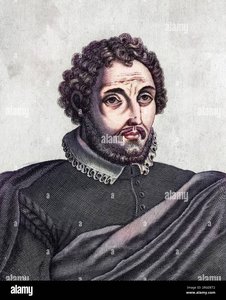
taddeo zuccaro
1529 - 1566 , Italy
Quick Facts
- Artistic Movement Or Style: Venetian Renaissance
- Artists Or Movements Influenced By This Artist:
- Guido Reni
- Fontanari School
- Artists Who Influenced This Artist:
- Raphael
- Michelangelo
- Sebastiano del Piombo
- Date Of Birth: September 1529
- Date Of Death: August 1576
- Full Name: Titian Vecellio
- Nationality: Italian
- Notable Artworks:
- Venus of Urbino
- Assumption
- Bacchus and Ariadne
- Place Of Birth: Pieve di Cadore, Venice

