 Preview
 Send
Send Share
Share
 Details

 Download
 Similars
 X-Ray
X-Ray Diaporama
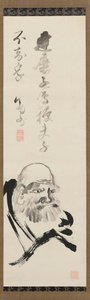
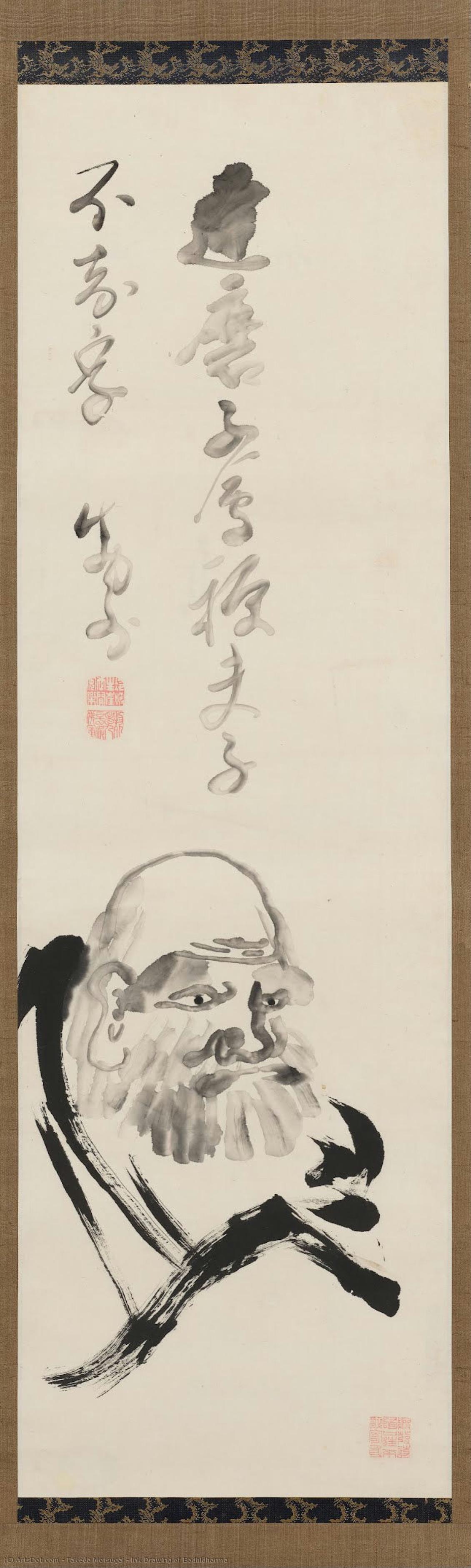
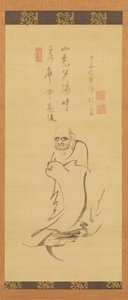
Ink Drawing of Bodhidharma

 Read More
Hand Made Oil Reproduction
Hand-painted oil on canvas in your size and frame, made to order by our artists. ( Buy Print Buy Image)




































Pick from our preset sizes that match the artwork's original proportions.

You may enter your own dimensions to fit a specific frame or space. If your selected size does not match the original image's proportions, we will either crop the artwork or extend the painting with additional hand-painted elements. A digital mockup will be sent for your approval before production begins.
Please note that the on-screen preview does not reflect the actual cropping or extension. Only the mockup will accurately show the final composition.
While custom sizes are available, we recommend selecting a dimension from the predefined list to preserve the original proportions.
After order, ArtsDot.com team will email client for instructions and provide a mockup preview
Worldwide Delivery () in 3/4 weeks instead of standard 5 weeks. (23 August). No compromise on quality.

Free Worldwide Express Shipping

High-Quality Linen Canvas

Full Shipping Insurance

Customs Tax Refund Guarantee

True Color Matching Guarantee

60-Day Return Policy (Defects Only)

100% Money-Back Guarantee

Bulk Discount Offer
 Glass option is only available in size under 110 CM

Ink Drawing of Bodhidharma
Reproduction Medium
Reproduction Size
-


Total Price
$ 263
Related Artworks









Artist Biography
The Enigmatic Strength of Takeda Motsugai: A Life Forged in Zen and Martial Prowess
Born in the castle town of Matsuyama, Japan, in 1795, Takeda Motsugai was a figure who defied easy categorization. He wasn’t simply a martial artist or solely a man of faith; he embodied a rare synthesis of spiritual discipline and formidable physical power. While often presented as a descendant of the renowned samurai lord Shingen Takeda – a lineage that undoubtedly contributed to his mystique – Motsugai's path diverged from traditional warrior culture, leading him down a road steeped in Zen Buddhism and the development of a unique jujutsu style. From an early age, stories circulated regarding his exceptional strength, anecdotes painting a picture of a child possessing abilities far beyond his years. This inherent power would become a defining characteristic throughout his life, but it was tempered by a profound commitment to inner peace and enlightenment. At sixteen, he embraced the monastic life, becoming a sōtō Zen monk and embarking on *takuhatsu*, the traditional begging pilgrimage that took him across Japan. This period of wandering wasn’t merely about seeking alms; it was a crucial stage in his spiritual formation, exposing him to diverse perspectives and solidifying his dedication to the Zen path. Ordained at Saihoji Temple in Kyoto, Motsugai immersed himself in the arts – calligraphy, painting, haikai poetry, and even the delicate craft of antiques restoration – cultivating a refined sensibility that balanced his raw physical capabilities.The Birth of Fusen-ryū: A Jujutsu Rooted in Practicality
Despite his devotion to Zen aesthetics, Motsugai’s martial inclinations remained strong. He didn't confine himself to a single school; instead, he diligently studied eighteen different styles of both armed and unarmed combat, absorbing their strengths and weaknesses. This extensive training wasn’t about accumulating techniques for the sake of it, but rather about forging his own path – one that would ultimately lead to the creation of Fusen-ryū jujutsu (the “School of No Wind”). The name itself is telling, suggesting a style focused on subtlety, efficiency, and utilizing an opponent's momentum against them. Unlike some more flamboyant martial arts, Fusen-ryū prioritized practicality and adaptability. It wasn’t about grand displays of power but about neutralizing threats with minimal effort, reflecting the Zen principle of *mu*, or emptiness – achieving maximum effect through non-resistance. Motsugai’s approach was deeply influenced by his understanding of anatomy and leverage, allowing him to overcome larger opponents with seemingly effortless ease. He wasn't interested in brute force; he sought to exploit vulnerabilities and disrupt balance, turning an adversary’s strength into their downfall.Beyond the Dojo: A Mediator and Poet
Motsugai’s influence extended far beyond the confines of the dojo. In his later years, he forged close friendships with prominent figures involved in the Meiji Restoration – a period of immense political upheaval and modernization in Japan. He became known as a skilled mediator, playing a crucial role in resolving conflicts during the First Conquest of Choshu, a pivotal event leading up to the restoration itself. This demonstrates a remarkable ability to navigate complex social dynamics and utilize his influence for peaceful resolution—a testament to the Zen principles he embodied. Furthermore, Motsugai was an accomplished poet, compiling a collection of *haikai* verse titled “Jinshihendai.” This reveals another facet of his personality – a sensitivity to beauty and a talent for expressing profound emotions through concise poetic forms. The juxtaposition of his martial prowess with his artistic pursuits highlights the holistic nature of his character; he wasn’t simply a warrior-monk, but a cultivated individual who sought balance in all aspects of life.Legacy and Historical Significance
Takeda Motsugai passed away in 1867, leaving behind a legacy that continues to resonate within the world of Japanese martial arts. Fusen-ryū, though not as widely known as some other jujutsu styles, remains practiced today, preserving his unique approach to combat and self-defense. His emphasis on practicality, adaptability, and utilizing an opponent’s energy has influenced generations of practitioners.- Zen Influence: Motsugai's Zen training profoundly shaped his martial art, emphasizing calmness, focus, and the efficient use of energy.
- Holistic Approach: He excelled in calligraphy, painting, poetry, and antiques restoration alongside his martial skills, demonstrating a well-rounded character.
- Political Mediation: His role as a mediator during the First Conquest of Choshu highlights his diplomatic abilities and influence beyond the dojo.
- Fusen-ryū Jujutsu: The school he founded continues to be practiced, preserving his unique style focused on subtlety and efficiency.
takeda motsugai
1795 - 1867 , Japan
Quick Facts
- Artistic Movement Or Style: Fusen-ryū Jujutsu
- Date Of Birth: 1795
- Date Of Death: 1867
- Full Name: Takeda Motsugai
- Nationality: Japanese
- Notable Artworks: ['Ink Drawing of Bodhidharma']
- Place Of Birth: Matsuyama, Japan