 Preview
 Send
Send Share
Share
 Details

 Download
 Similars
 X-Ray
X-Ray Diaporama
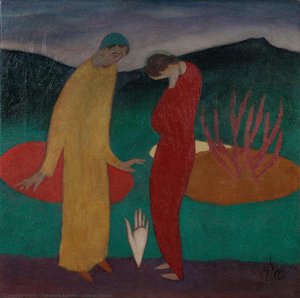
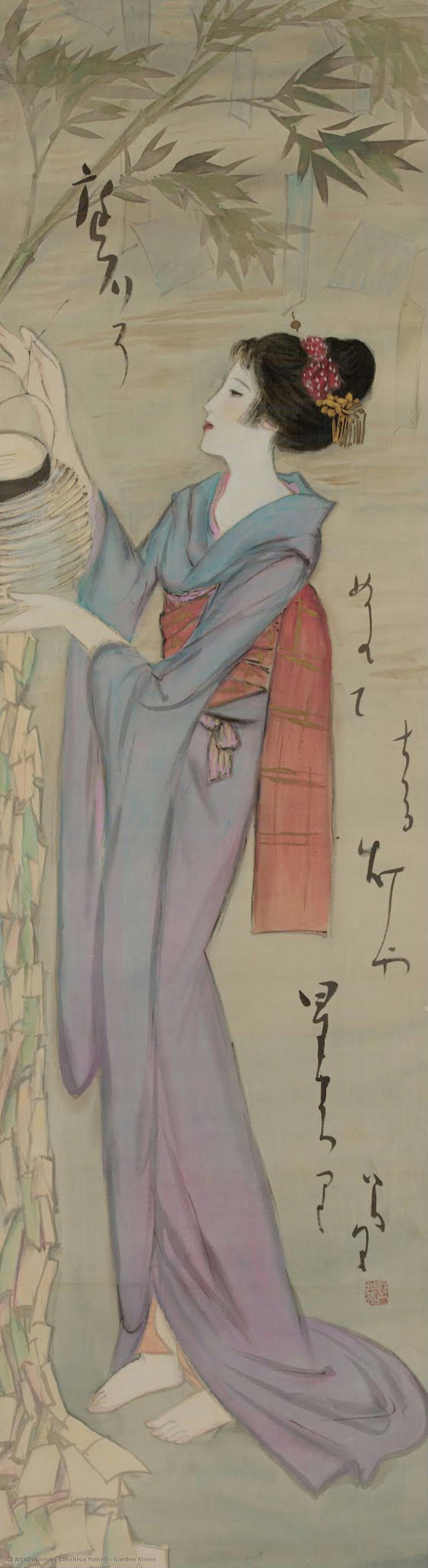
Garden Stone


 Read More
Hand Made Oil Reproduction
Hand-painted oil on canvas in your size and frame, made to order by our artists. ( Buy Print Buy Image)




































Pick from our preset sizes that match the artwork's original proportions.

You may enter your own dimensions to fit a specific frame or space. If your selected size does not match the original image's proportions, we will either crop the artwork or extend the painting with additional hand-painted elements. A digital mockup will be sent for your approval before production begins.
Please note that the on-screen preview does not reflect the actual cropping or extension. Only the mockup will accurately show the final composition.
While custom sizes are available, we recommend selecting a dimension from the predefined list to preserve the original proportions.
After order, ArtsDot.com team will email client for instructions and provide a mockup preview
Worldwide Delivery () in 3/4 weeks instead of standard 5 weeks. (18 August). No compromise on quality.

Free Worldwide Express Shipping

High-Quality Linen Canvas

Full Shipping Insurance

Customs Tax Refund Guarantee

True Color Matching Guarantee

60-Day Return Policy (Defects Only)

100% Money-Back Guarantee

Bulk Discount Offer
 Glass option is only available in size under 110 CM

Garden Stone
Reproduction Medium
Reproduction Size
-


Total Price
$ 263
Artwork Description
Related Artworks








Artist Biography
The Ethereal Spirit of Taisho Romanticism
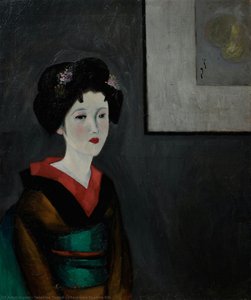
Born amidst the tranquil and scenic landscapes of the Seto Inland Sea in 1884, Takehisa Yumeji emerged as a profound architect of the Japanese soul during the transformative Taisho period. His life and work were inextricably linked to the romanticism of his era, a time characterized by a delicate tension between traditional Japanese values and the burgeoning influences of Western modernity. As both a poet and a painter, Yumeji possessed an uncanny ability to capture the ephemeral—the fleeting glance of a maiden, the soft light of dusk, and the quiet melancholy that resides in the heart of beauty. His artistry was not merely a visual pursuit but a lyrical expression of a nation in transition, weaving together the classical elegance of Nihonga with a modern, emotive sensibility that resonated deeply with the public consciousness.The Grace of the Bijin-ga
Central to Yumeji’s enduring legacy is his mastery of bijin-ga, the art of depicting beautiful women and girls. His illustrations are celebrated for their soft, flowing lines and a certain dreamy, almost nostalgic quality that has become synonymous with his name. These figures often possess an air of wistful longing, their eyes reflecting a depth of emotion that transcends simple portraiture. Through his use of Nihonga techniques, he achieved a delicate balance of color and form, creating characters that felt both timeless and intimately connected to the contemporary spirit of his day. His creative vision was remarkably versatile, allowing his aesthetic to permeate various mediums, including:- Exquisite book covers that transformed literature into visual poetry.
- Serial newspaper illustrations that brought storytelling to the masses.
- Delicate postcards and furoshiki patterns that turned everyday objects into canvases of beauty.
- Intricate designs on patterned washi paper.
A Lasting Impression on Japanese Modernity
The significance of Takehisa Yumeji lies in his ability to democratize art, making it an accessible and cherished part of the cultural fabric. By applying his unique aesthetic to mass-produced items and popular media, he bridged the gap between high art and everyday life. His influence can be felt in the way modern Japanese design continues to embrace a blend of nostalgia and contemporary flair. Though his life was cut short in 1934, the visual language he created—marked by its romanticism, its gentle melancholy, and its profound respect for the beauty found in the subtle details of existence—continues to inspire artists and collectors alike, ensuring that the spirit of Yumeji remains eternally vibrant within the annals of Japanese art history.
takehisa yumeji
1884 - 1934 , Japan
Quick Facts
- Artistic Movement Or Style: Nihonga, Taisho Romanticism
- Artists Or Movements Influenced By This Artist: Modern Japanese art
- Date Of Birth: 1884
- Date Of Death: 1934
- Full Name: Takehisa Yumeji
- Nationality: Japanese
- Place Of Birth: Seto Inland Sea, Japan