 Preview
 Send
Send Share
Share
 Details

 Download
 Similars
 X-Ray
X-Ray Diaporama
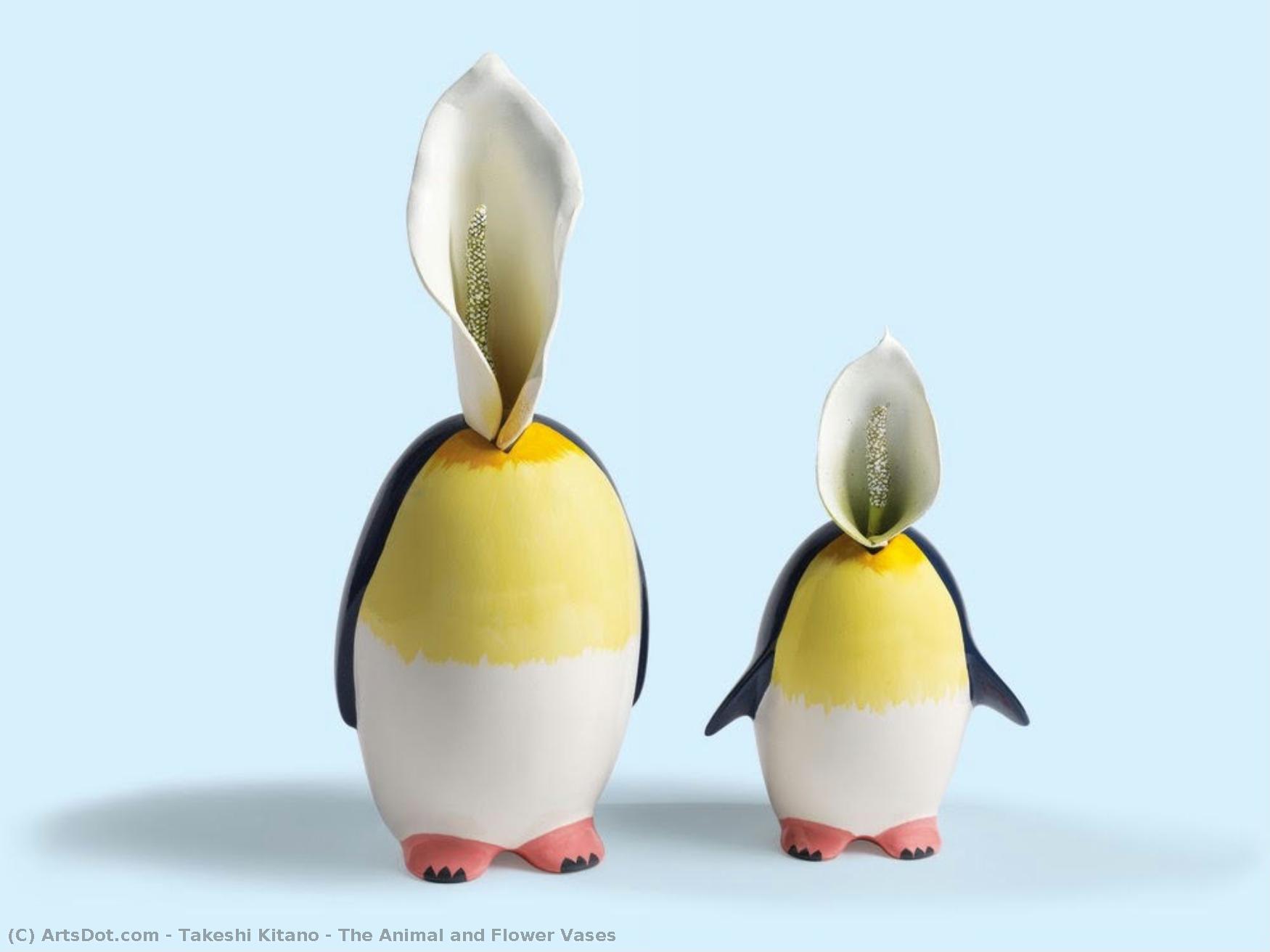
The Animal and Flower Vases


 Read More
Hand Made Oil Reproduction
Hand-painted oil on canvas in your size and frame, made to order by our artists. ( Buy Print Buy Image)




P118B $10

P118H $10

P118W $10

P438Z $10

P508JH $12

P508YH $12

P805H $10

P805Z $10

P919BZ $10

P919G $10

P919XJ $10

P959ZH $10

P968JZ $12

W106C $8

W218G $10

W218JH $8

W218Y $10

W307PJ $10

W316G $10

W316PJ $8

W316Y $10

W398PJ $8

W4111J $10

W500HY $15

W500JH $15

W692G $12

W849H $8

W940BG $15

W953PJ $8




Pick from our preset sizes that match the artwork's original proportions.

You may enter your own dimensions to fit a specific frame or space. If your selected size does not match the original image's proportions, we will either crop the artwork or extend the painting with additional hand-painted elements. A digital mockup will be sent for your approval before production begins.
Please note that the on-screen preview does not reflect the actual cropping or extension. Only the mockup will accurately show the final composition.
While custom sizes are available, we recommend selecting a dimension from the predefined list to preserve the original proportions.
After order, ArtsDot.com team will email client for instructions and provide a mockup preview
Worldwide Delivery () in 3/4 weeks instead of standard 5 weeks. (26 August). No compromise on quality.

Free Worldwide Express Shipping

High-Quality Linen Canvas

Full Shipping Insurance

Customs Tax Refund Guarantee

True Color Matching Guarantee

60-Day Return Policy (Defects Only)

100% Money-Back Guarantee

Bulk Discount Offer
 Glass option is only available in size under 110 CM

The Animal and Flower Vases
Reproduction Medium
Reproduction Size
-


Total Price
$ 263
Artwork Description
The Animal and Flower Vases: A Whimsical Journey into Flemish Baroque
Takeshi Kitano’s “The Animal and Flower Vases” is not merely a painting; it's an invitation to a delightfully peculiar world, a miniature stage populated by penguins, cups, and a subtle echo of Jan Brueghel the Elder’s masterful landscapes. Created in 2010, this work exemplifies Kitano’s signature blend of dark humor, meticulous detail, and a playful subversion of traditional artistic conventions. It's a piece that rewards repeated viewing, revealing new layers of charm and quiet contemplation with each encounter.
At first glance, the scene is deceptively simple: two penguins stand amidst a serene blue backdrop, flanking an assortment of delicate porcelain cups. However, closer inspection unveils a carefully orchestrated tableau. The larger penguin, tilted upwards as if observing something beyond the frame, exudes a curious alertness, while its smaller companion appears absorbed in a private ritual – perhaps drinking from one of the cups. This seemingly mundane interaction is elevated by Kitano’s signature attention to detail; each cup possesses a unique shape and texture, contributing to the overall sense of abundance and playful arrangement.
A Dialogue with Brueghel: Landscape as Narrative
The painting's genesis lies in a fascinating dialogue with Jan Brueghel the Elder, a pivotal figure in Flemish Baroque art. Like Brueghel, Kitano masterfully employs landscape not merely as a backdrop but as an integral component of the narrative. The blue expanse isn’t simply color; it evokes a sense of vastness and tranquility, mirroring the expansive landscapes that defined Brueghel's work. Furthermore, the composition subtly references Brueghel’s penchant for depicting everyday scenes of peasant life – here, those scenes are reimagined through the lens of whimsical anthropomorphism.
The influence of Brueghel is particularly evident in the painting’s meticulous rendering of textures and details. Kitano's use of color is remarkably precise, capturing the sheen of porcelain, the softness of feathers, and the subtle variations in blue hues. This dedication to realism, combined with the fantastical elements – the penguins themselves – creates a captivating tension between familiarity and strangeness.
Symbolism and the Language of Objects
Beyond its visual appeal, “The Animal and Flower Vases” is rich in symbolic potential. The penguins, often associated with intelligence and social behavior, could represent human interaction or perhaps even self-awareness. The cups, ubiquitous objects of daily life, take on a heightened significance within the painting’s context, suggesting themes of consumption, ritual, and perhaps even loneliness.
The arrangement itself—the penguins positioned around the cups—can be interpreted as a commentary on human relationships or the pursuit of pleasure. The tilted head of the larger penguin suggests an inquisitive gaze, inviting the viewer to contemplate the meaning behind this peculiar gathering. It’s a subtle yet profound meditation on the nature of observation and interpretation.
A Legacy of Playful Innovation
Takeshi Kitano's “The Animal and Flower Vases” stands as a testament to his unique artistic vision—a blend of dark humor, meticulous detail, and a playful engagement with traditional art forms. Rooted in the legacy of Jan Brueghel the Elder, this painting invites viewers on a whimsical journey into a world where familiar objects take on new significance, and everyday scenes transform into captivating narratives. It’s a work that continues to resonate with its audience, offering both visual delight and intellectual stimulation.
Related Artworks




Artist Biography
Takeshi Kitano: A Life in Comedy, Film, and Beyond
Takeshi Kitano, also known as Beat Takeshi, is a multifaceted Japanese artist whose career spans comedy, acting, filmmaking, and television hosting. Born on January 18, 1947, in Tokyo, Japan, Kitano has become an internationally recognized figure celebrated for his unique artistic vision and darkly humorous style.
Early Life and Comedy Beginnings
Kitano’s journey began during his studies at Meiji University, where he first ventured into the world of entertainment as a comedian at the strip theater France-za in Asakusa, Tokyo. In 1973, he formed the comedy duo Two Beat with Kiyoshi Kaneko (later known as Beat Kiyoshi), adopting the stage name Beat Takeshi. Riding the wave of Japan’s comedy boom, Kitano quickly gained popularity for his satirical and often provocative black humor.
Television Success
The 1980s marked a period of explosive television success for Kitano. He starred in shows like Oretachi Hyōkin-zoku, which achieved an impressive viewership rating of 29.1%, and the wildly popular game show Takeshi’s Castle, reaching 24.7%. These programs cemented his status as a household name in Japan.
Transition to Acting and Film
Kitano's acting career took off with a role in director Nagisa Ōshima’s critically acclaimed film Merry Christmas, Mr. Lawrence (1983). This experience sparked his interest in filmmaking, leading him to make his directorial debut in 1989 with Violent Cop, taking over from Kinji Fukasaku.
Directorial Achievements and International Recognition
Kitano’s directorial work quickly established him as a distinctive voice in cinema. He is known for exploring themes of violence, loyalty, and the human condition, often within the context of yakuza culture or police procedural dramas. His films are characterized by minimalist aesthetics, deadpan humor, and unconventional narrative structures.
- Hana-bi (1998): This film earned Kitano the prestigious Golden Lion at the Venice Film Festival, making him only the third Japanese director to receive this honor after Akira Kurosawa and Hiroshi Inagaki.
- Outrage Trilogy: Consisting of Outrage, Outrage Beyond, and Outrage Coda, this series further solidified Kitano’s reputation for gritty, stylish crime dramas.
- Battle Royale (2000): Though directed by Kinji Fukasaku, Kitano played a significant role in the screenplay and direction of this cult classic.
Influences and Artistic Style
Kitano’s work has been influenced by filmmakers such as Akira Kurosawa and Kinji Fukasaku. He is often described as a successor to Kurosawa, inheriting his mastery of visual storytelling and exploration of complex moral themes. His distinctive style incorporates long takes, minimal dialogue, and a deliberate pacing that allows tension to build gradually.
Historical Significance and Legacy
Takeshi Kitano has left an indelible mark on Japanese cinema and gained international acclaim for his unique artistic vision. He is celebrated for blending dark humor with profound emotional depth, creating films that are both entertaining and thought-provoking. His influence can be seen in the work of contemporary filmmakers around the world, solidifying his place as a truly iconic figure in modern cinema.

takeshi kitano
1947 - , Japan
Quick Facts
- Birth Date: January 18, 1947
- Birth Place: Tokyo, Japan
- Influenced: None, 'influenced by': 'Kinji Fukasaku, Nagisa Ōshima, Akira Kurosawa', 'movement': 'Japanese Cinema', 'name': 'Takeshi Kitano', 'nationality': 'Japanese', 'notable works': ['Merry Christmas, Mr. Lawrence', 'Violent Cop', 'Hana-bi', 'Battle Royale', 'Outrage Trilogy',
Related Articles

Animalia: Exploring the Enduring Presence of Animals in Art & Interior Design
Explore the rich history of animal symbolism in art, from ancient mythology to modern masterpieces. Discover how animals have inspired artists for centuries and learn how to incorporate these powerful motifs into your home décor.
Beastly Brushstrokes: A Historical Journey Through Animal Painting & Aesthetic Movements
Explore the rich history of animal painting across cultures & movements. Discover iconic artists, symbolism, collecting trends & expert art consultation at ArtsDot.com.

Level Up Your Art: Transform Personal Photos into High-Octane Action Anime Masterpieces with AI-Driven Oil Painting
Transform your favorite photos into high-octane action anime masterpieces. Using proprietary AI and master artists, we turn digital memories into hand-painted oil on canvas legacies. Experience the perfect fusion of pop culture energy and timeless fine artistry at ArtsDot.com.
Blossoming Symbolism: A Historical Journey Through Flowers in Western Painting
Explore the rich history of flower symbolism in Western painting! Discover how artists from the Renaissance to Modernism used blossoms to convey meaning, emotion & beauty. Learn about iconic artworks and movements.
Blossoms of Time: A Historical Journey Through Flower Painting
Explore the captivating history of flower painting! Discover Dutch masters, symbolic meanings, & botanical art. Expert insights & high-quality reproductions at ArtsDot.