 Preview
 Send
Send Share
Share
 Details

 Download
 Similars
 X-Ray
X-Ray Diaporama
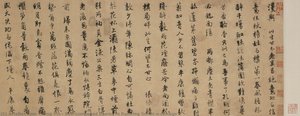
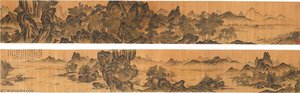
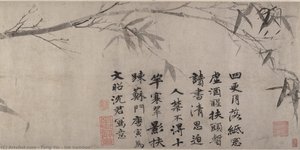
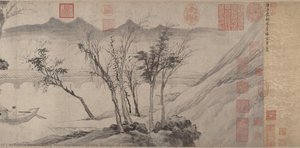
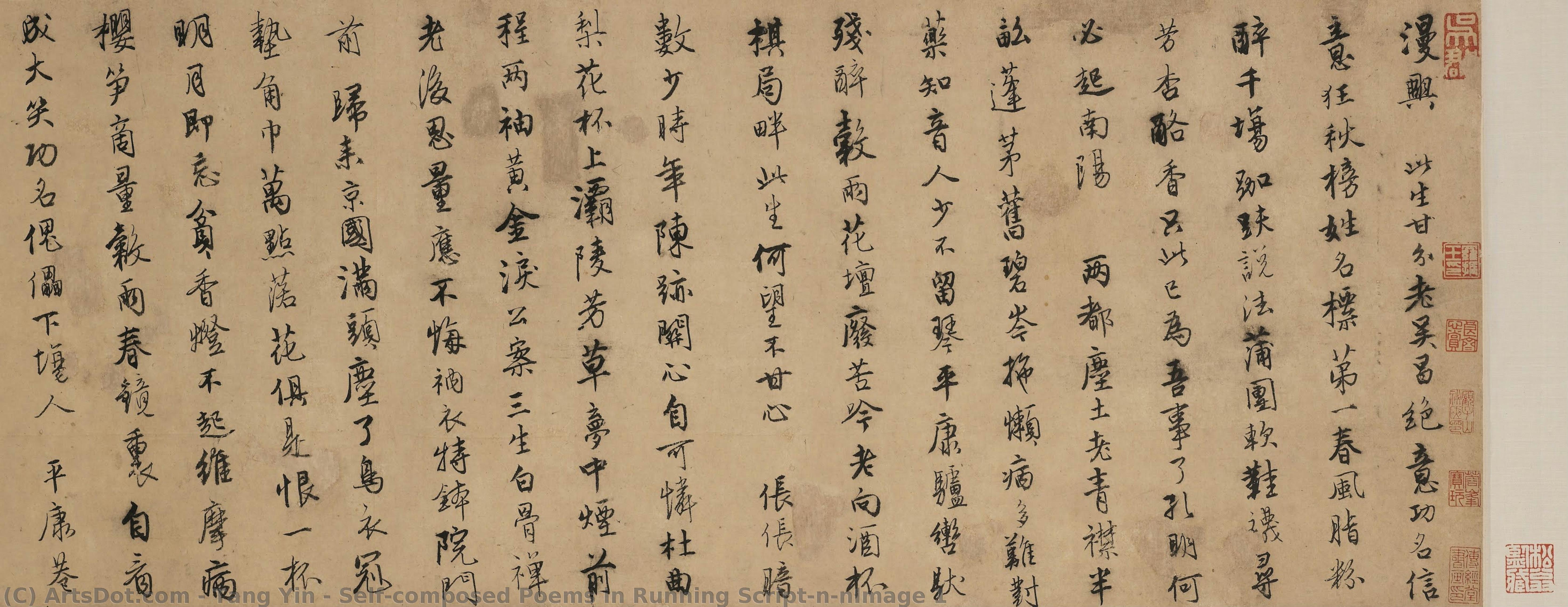
Self-composed Poems in Running Script\n\nImage 1
 Neo-Confucianism
 1519
1519 26.0 x 334.0 cm
 Read More
Hand Made Oil Reproduction
Hand-painted oil on canvas in your size and frame, made to order by our artists. ( Buy Print Buy Image)




































Pick from our preset sizes that match the artwork's original proportions.

You may enter your own dimensions to fit a specific frame or space. If your selected size does not match the original image's proportions, we will either crop the artwork or extend the painting with additional hand-painted elements. A digital mockup will be sent for your approval before production begins.
Please note that the on-screen preview does not reflect the actual cropping or extension. Only the mockup will accurately show the final composition.
While custom sizes are available, we recommend selecting a dimension from the predefined list to preserve the original proportions.
After order, ArtsDot.com team will email client for instructions and provide a mockup preview
Worldwide Delivery () in 3/4 weeks instead of standard 5 weeks. (17 August). No compromise on quality.

Free Worldwide Express Shipping

High-Quality Linen Canvas

Full Shipping Insurance

Customs Tax Refund Guarantee

True Color Matching Guarantee

60-Day Return Policy (Defects Only)

100% Money-Back Guarantee

Bulk Discount Offer
 Glass option is only available in size under 110 CM

Self-composed Poems in Running Script\n\nImage 1
Reproduction Medium
Reproduction Size
-


Total Price
$ 263
Artwork Description
Related Artworks

Artist Biography
A Life Steeped in Talent and Tragedy: The World of Tang Yin
Tang Yin, a name synonymous with the vibrant artistic spirit of the Ming Dynasty, was far more than just a painter. Born in 1470 amidst the bustling merchant class of Suzhou, his journey was one marked by both extraordinary brilliance and profound disappointment. While often remembered as a master of landscapes and captivating depictions of feminine beauty, Tang Yin’s life story is a poignant tale of unrealized ambition, societal constraints, and an enduring legacy forged through artistic expression. He wasn't born into privilege; his father operated a restaurant, yet from a young age, Tang displayed a remarkable dedication to study, seemingly unfazed by the allure of worldly comforts. This early commitment soon propelled him into the sophisticated circles of Suzhou’s elite, where he befriended Wen Zhengming and benefited from the patronage of Wen Lin, who skillfully navigated the complex social landscape on his behalf. His talent quickly became undeniable, earning him recognition as a leading figure in the Jiangnan region – Southern China.The Shadow of Disgrace: A Career Interrupted
Tang Yin’s ascent seemed assured when he achieved top honors in the provincial examinations of 1498, a crucial step towards a prestigious career within the Imperial civil service. However, fate intervened with cruel irony. The following year, during the national examinations in the capital, Tang and his friend Xu Jing were implicated in a scandal involving bribery – accused of attempting to obtain examination questions beforehand. The consequences were devastating. Imprisonment followed, shattering his dreams of official recognition and casting a long shadow over his future prospects. Returning to Suzhou in disgrace, he was forced to abandon aspirations of bureaucratic life and instead turned to selling his art to sustain himself. This decision, while necessary for survival, would later be viewed critically by some contemporaries who believed financial independence compromised artistic integrity.A Multifaceted Artist: Poetry, Calligraphy, and Painting
Despite the setbacks, Tang Yin’s creative spirit remained undimmed. He excelled in multiple disciplines, earning him a place among the esteemed “Four Masters of Ming Dynasty” alongside Shen Zhou, Wen Zhengming, and Qiu Ying. Beyond his celebrated paintings, he was a gifted poet, often exploring themes that diverged from the more conventional subjects favored by his peers. His verses delved into the complexities of human nature – envy, greed, and the poignant sense of unfulfilled potential. He also mastered semi-cursive script, showcasing an elegant hand in his calligraphic works. His poems reveal a man grappling with profound existential questions, often imbued with a tragic awareness of fate and the fleeting nature of innocence.Themes and Techniques: Landscapes, Beauties, and Expressive Brushwork
Tang Yin’s artistic output is remarkably diverse, encompassing landscapes, figure paintings (particularly depictions of women), and calligraphy. His landscapes, rendered in monochrome ink wash, often evoke a classical Shanshui style, inviting contemplation and reflecting the philosophical underpinnings of Chinese art. He possessed an exceptional ability to capture atmosphere and mood, creating scenes that are both visually stunning and emotionally resonant. His paintings of feminine beauty, while popular, represent only one facet of his talent. These works, often imbued with a sense of melancholy and grace, showcase his skill in portraying delicate features and expressive poses. His brushwork is characterized by its fluidity and dynamism, reflecting an innate understanding of form and movement.A Lasting Legacy: Influence and Historical Significance
Tang Yin’s influence on the art of his contemporaries was considerable, notably impacting artists like Cai Han. Though his life was marked by personal tragedy and societal disapproval, he left behind a rich artistic legacy that continues to captivate audiences today. His works offer a glimpse into the complexities of Ming Dynasty society, reflecting both its aesthetic ideals and its underlying tensions. The stories surrounding his eccentric lifestyle – including the tale of selling himself into servitude to be near a beloved slave girl – have immortalized him as a trickster figure in Chinese folklore, adding another layer to his already fascinating persona. He remains a pivotal figure in Chinese art history, celebrated for his technical mastery, poetic sensibility, and enduring ability to evoke emotion through brush and ink.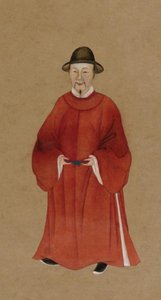
tang yin
1470 - 1524
Quick Facts
- Artistic Movement Or Style: Ming Dynasty painting
- Artists Or Movements Influenced By This Artist: ['Cai Han']
- Artists Who Influenced This Artist:
- Wang Xizhi
- Zhao Mengfu
- Date Of Birth: 1470
- Date Of Death: 1524
- Full Name: Tang Yin
- Nationality: Chinese
- Notable Artworks:
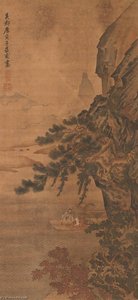
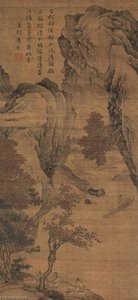
- Self-composed Poems in Running Script
- Farewell at the Bridge...
- Drunken Fisherman by a Reed Bank
- Place Of Birth: Suzhou, China
Related Articles
Xie Zhiliu: A Legacy of Ink Wash Painting & Modern Chinese Literati Tradition
Explore the legacy of Xie Zhiliu, a master of Chinese ink wash painting & prominent figure in modern art. Discover his techniques, influences, and contributions to literati tradition. A guide for discerning collectors.
Pu Xinyu's 'Puru': A Legacy of Literati Painting & Emotional Resonance
Explore the captivating world of Pu Xinyu (Puru), the last great literati painter. Discover his imperial heritage, masterful ink wash techniques & enduring legacy – a valuable addition to any discerning art collection.
Ephemeral Expressions: Exploring the Nuances of Ink on Paper Through History & Contemporary Art
Explore the captivating world of ink wash painting – from its ancient origins to contemporary masters. Discover techniques, symbolism & conservation insights with ArtsDot.com.
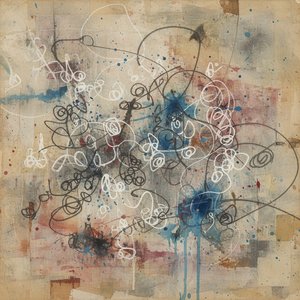
Cy Twombly: Scribbles of Emotion – Deconstructing Post-War Expressionism Through Calligraphy & Abstraction
Explore the captivating world of Cy Twombly with ArtsDot. Discover the emotional depth & artistic significance behind his abstract calligraphy. Expert insights for collectors.