 Preview
 Send
Send Share
Share
 Details

 Download
 Similars
 X-Ray
X-Ray Diaporama
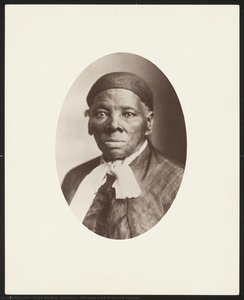
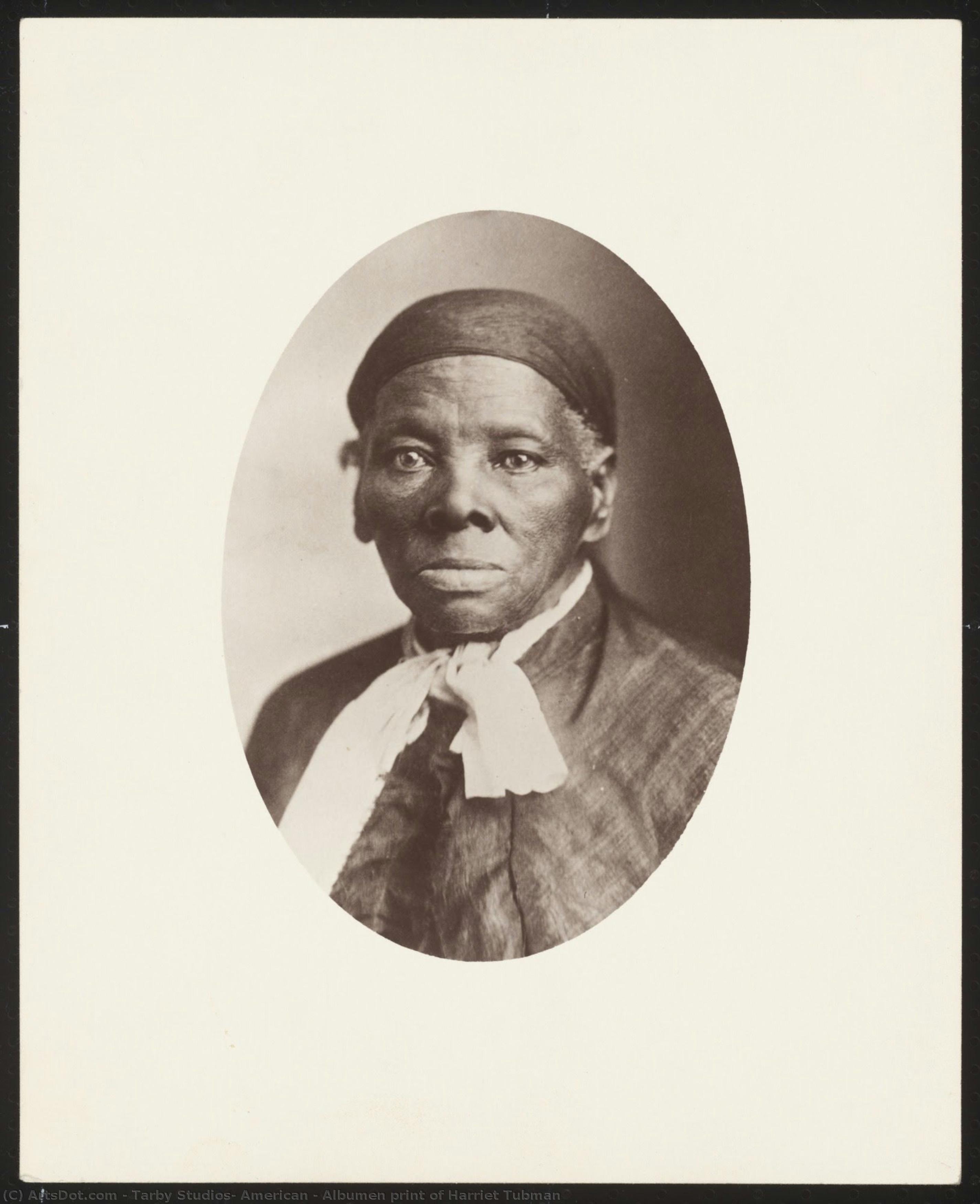
Albumen print of Harriet Tubman
 1920
1920 25.0 x 20.0 cm
 National Museum of African American History and Culture
 Read More
Purchase a high-resolution, enhanced digital image, far superior to the online preview.
Each file is meticulously prepared by our in-house specialists using advanced tools and expert manual retouching. We ensure every image has exceptional clarity, precise color accuracy, and fine detail.
The final file is delivered via email within 72 hours, optimized for immediate use in professional, editorial, and print environments. This is the same quality trusted by top-tier design studios, publishers, and galleries.
Digital Image
Download a high-resolution file for personal display, printing, and creative projects. ( Buy Print Buy Hand Made Painting)
Included in Every Digital Image Order
Expert Digital Delivery, Guaranteed
When you choose ArtsDot.com, you're not just getting an image - you're receiving a professionally enhanced digital artwork, crafted with precision and backed by a satisfaction guarantee. Here's everything that comes with your order, automatically:

Fast Email Delivery
Your high-resolution digital image file will be emailed to you within 72 hours of ordering - ready for immediate use.

AI-Enhanced Digital File
Your artwork is professionally optimized using advanced AI tools and manual editing, ensuring maximum detail, clarity, and color accuracy.

Free Lifetime Re-Delivery
Accidentally deleted or lost your file? No worries - we'll resend it to you anytime, free of charge.

No Import Fees - Ever
Enjoy your artwork instantly with zero customs, duties, or delivery fees - digital downloads are always tax-free.

Color Accuracy Guarantee
We ensure your digital image reflects the original colors as closely as possible using professional tools and color management.

60-Day Satisfaction Guarantee
If you're not satisfied with your digital image, we'll revise it or refund 100% within 60 days - no questions asked.

100% Money-Back Guarantee
Not satisfied? Get a full refund within 60 days of receiving your digital file - no questions asked.

Bulk Order Discounts
Buy 3 images, save 10% - Buy 5, save 15% - Buy 10+, save 20%. Great for creative projects, galleries, and agencies.
Related Artworks









Artist Biography
The Enigmatic Lens of Tarby Studios
Tarby Studios, an American photographic entity shrouded in relative obscurity yet possessing a compelling historical resonance, occupies a unique space within the annals of 19th-century portraiture and documentation. While biographical details surrounding the studio itself remain sparse—a testament to the often-unrecorded histories of working artists and businesses—the impact of their work, particularly their striking albumen print of Harriet Tubman, speaks volumes about their skill, sensitivity, and contribution to visual narratives of a nation grappling with its identity.
The studio’s existence is primarily documented through the surviving corpus of their photographs. Based in Auburn, New York, Tarby Studios operated during a period of significant social upheaval—the aftermath of the Civil War and the burgeoning Reconstruction era. This context profoundly shaped their artistic choices and subject matter. The albumen print of Harriet Tubman, arguably their most celebrated work, wasn’t merely a portrait; it was an act of visual resistance, a dignified representation of a woman who embodied courage, resilience, and the relentless pursuit of freedom. The image itself is remarkable for its clarity and directness, capturing Tubman with a gaze that conveys both strength and weariness—a testament to a life dedicated to liberation.
A Portrait Rooted in Historical Context
To understand the significance of Tarby Studios’ work, one must consider the prevailing photographic landscape of the time. Photography was still a relatively new medium, often employed for formal portraits of the affluent or as documentation during wartime. The deliberate choice to photograph Harriet Tubman—a formerly enslaved conductor on the Underground Railroad—was a bold statement. It challenged societal norms and offered a powerful counter-narrative to the dominant imagery of African Americans prevalent in 19th-century America, which often perpetuated harmful stereotypes.
The albumen print process itself was technically demanding, requiring meticulous skill and precision. Tarby Studios’ mastery of this technique is evident in the quality and detail of their images. The enlargement from an older print suggests a desire to amplify Tubman's presence, to make her story more visible and accessible. This act of reproduction wasn’t simply about creating copies; it was about disseminating an image that challenged perceptions and fostered empathy.
Beyond Harriet Tubman: A Glimpse into the Studio’s Practice
While the portrait of Harriet Tubman has become synonymous with Tarby Studios, their body of work likely extended beyond this single iconic image. The studio's location in Auburn, New York—a significant hub for abolitionist activity and a refuge for formerly enslaved people—suggests they may have documented other figures involved in the fight for racial equality. Further research into archival collections could potentially reveal additional photographs that shed light on their broader artistic practice.
The studio’s commitment to capturing the likeness of Harriet Tubman, however, remains a defining characteristic. It speaks to a willingness to engage with complex social issues and to use photography as a tool for advocacy. In an era where African Americans were often denied agency and representation, Tarby Studios offered a rare opportunity for self-determination—a chance to control their own image and narrative.
Legacy and Enduring Impact
The enduring power of the albumen print of Harriet Tubman lies not only in its artistic merit but also in its historical significance. The image has become an iconic symbol of resistance, freedom, and the unwavering spirit of the human will. It continues to inspire generations and serves as a potent reminder of the ongoing struggle for racial justice.
Though much about Tarby Studios remains unknown, their contribution to visual history is undeniable. They were more than just photographers; they were storytellers, advocates, and witnesses to a pivotal moment in American history. Their work reminds us that even seemingly small acts of artistic expression can have profound and lasting consequences.