 Preview
 Send
Send Share
Share
 Details

 Download
 Similars
 X-Ray
X-Ray Diaporama
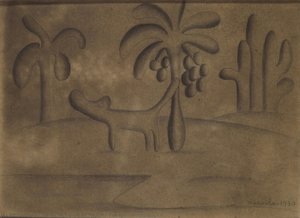
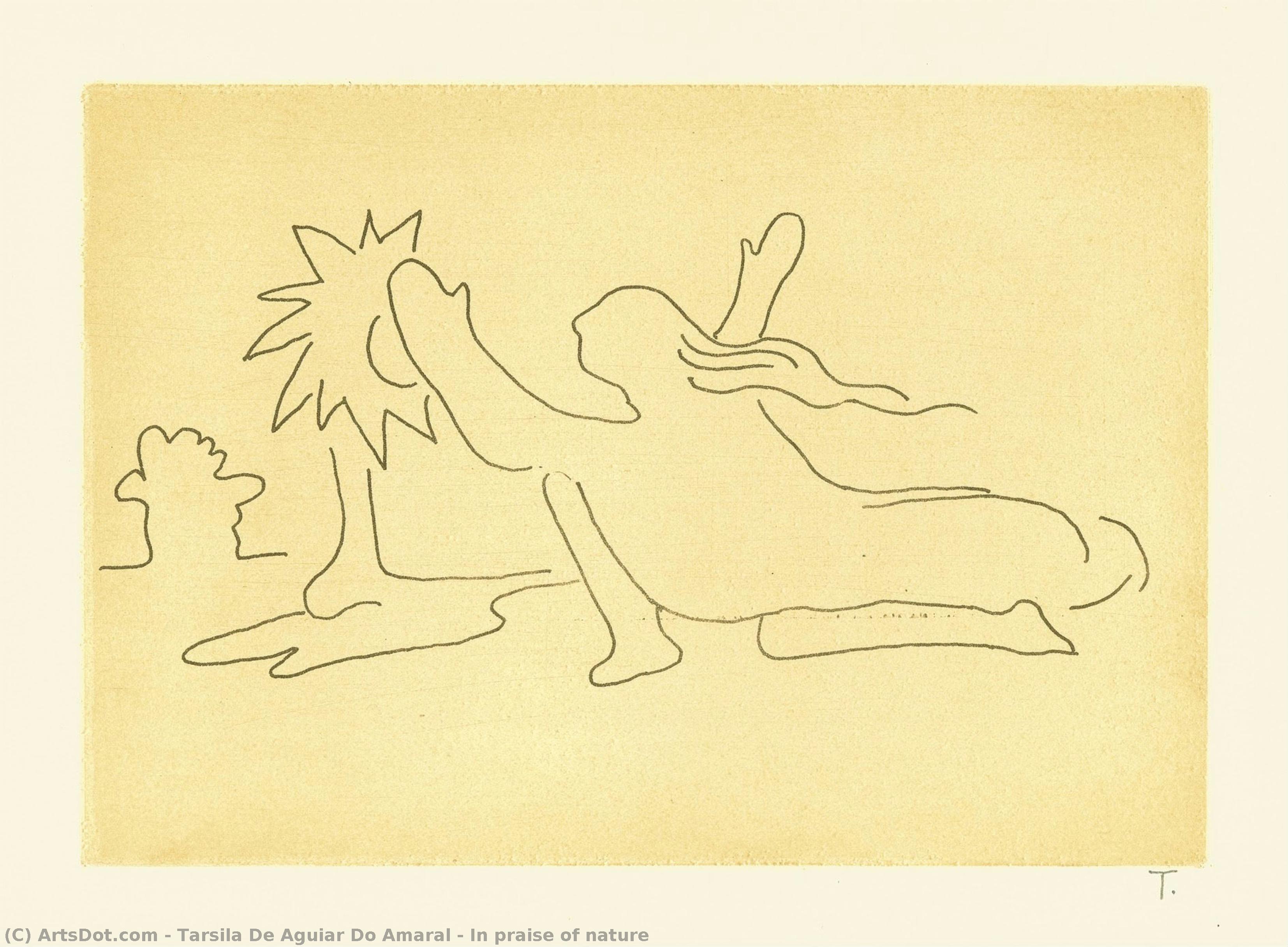
In praise of nature
 Etching
- Modernism
 1971
1971 16.0 x 23.0 cm
 Museu de Valores do Banco Central do Brasil
 Read More
Giclée / Art Print
Museum-quality giclée or canvas print with fast production and flexible finish options. ( Buy Hand Made Painting Buy Image)




P118B $10

P118H $10

P118W $10

P438Z $10

P508JH $12

P508YH $12

P805H $10

P805Z $10

P919BZ $10

P919G $10

P919XJ $10

P959ZH $10

P968JZ $12

W106C $8

W218G $10

W218JH $8

W218Y $10

W307PJ $10

W316G $10

W316PJ $8

W316Y $10

W398PJ $8

W4111J $10

W500HY $15

W500JH $15

W692G $12

W849H $8

W940BG $15

W953PJ $8




Pick from our preset sizes that match the artwork's original proportions.

You may enter your own dimensions to fit a specific frame or space. If your selected size does not match the original image's proportions, we will either crop the artwork or extend the image with a mirrored or solid-fill edge. A digital mockup will be sent for your approval before production begins.
Please note that the on-screen preview does not reflect the actual cropping or extension. Only the mockup will accurately show the final composition.
While custom sizes are available, we recommend selecting a dimension from the predefined list to preserve the original proportions.
Worldwide Delivery () in 2 weeks instead of standard 4/5 weeks. (26 August)

Free Worldwide Express Shipping

High-Quality Linen Canvas

Full Shipping Insurance

Customs Tax Refund Guarantee

True Color Matching Guarantee

60-Day Return Policy (Defects Only)

100% Money-Back Guarantee

Bulk Discount Offer
 Glass option is only available in size under 110 CM

In praise of nature
Giclée / Art Print
Reproduction Size
-


Total Price
$ 63
Collectible Description
A Celebration Etched in Time: Exploring "In Praise of Nature"
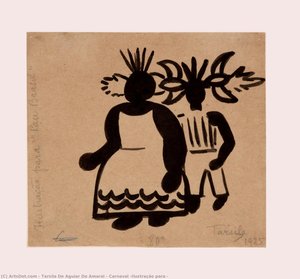
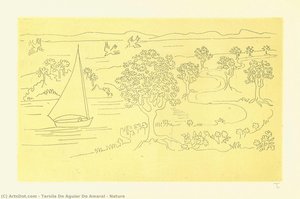
To gaze upon Tarsila do Amaral's "In Praise of Nature," even through the delicate medium of an etching, is to step into a moment suspended between human connection and the boundless vitality of the natural world. This piece, dating from 1971, captures more than just two figures standing together; it encapsulates a profound dialogue—a quiet reverence for life itself. Tarsila, whose genius forever colored Brazilian modernism with an unmistakable vibrancy, presents here a scene rendered with remarkable intimacy. The composition centers on a man and woman positioned side-by-side, suggesting companionship, shared contemplation, or perhaps the gentle unfolding of a perfect day spent in nature's embrace.
The Artistry of Line: Technique and Craftsmanship
The choice of etching for this work lends it an ethereal quality. Unlike the bold, saturated colors often associated with Tarsila’s earlier canvases, the etched format forces the viewer to appreciate the mastery of line and shadow. The artist has utilized the inherent delicacy of the medium—the interplay between inked black lines and the untouched white paper—to build depth. One can almost feel the subtle resistance of the etching needle against the plate as Tarsila translated her vision. This technical finesse allows the narrative elements, the figures, and their surroundings to emerge with a delicate yet persistent presence, inviting close inspection.
Symbolism of Connection and Place
The title itself, "In Praise of Nature," acts as both a descriptor and an invocation. The pairing of the man and woman is inherently symbolic—a representation of partnership, perhaps humanity’s place within the grand scheme orchestrated by nature. In Tarsila's hands, nature is never merely a backdrop; it is an active participant in the human drama. The way they stand together suggests that true appreciation for the environment requires connection, whether between people or between person and landscape. It speaks to a universal yearning for grounding amidst the complexities of modern existence.
Echoes of Brazilian Modernism
While this piece was created decades after her most famous Cubist explorations in Paris, it carries the indelible spirit of Tarsila do Amaral’s commitment to defining a uniquely Brazilian aesthetic. Her work consistently sought to synthesize European avant-garde techniques with the rich soul and visual poetry of Brazil. "In Praise of Nature" serves as a beautiful testament to her enduring ability to adapt her vision across different media, maintaining that core dialogue between sophisticated technique and heartfelt national spirit. Owning a reproduction allows one to bring this piece of Brazilian artistic history into your own sanctuary.
Related Artworks
Artist Biography
A Brazilian Visionary: The Life and Art of Tarsila do Amaral
Tarsila do Amaral emerged as a pivotal figure in the vibrant tapestry of early 20th-century Brazilian art, a painter who dared to distill the essence of her nation’s identity onto canvas with bold colors and an innovative spirit. Born on September 1, 1886, in Capivari, São Paulo, into a prosperous coffee-producing family, Tarsila's upbringing afforded her opportunities uncommon for women of her time. This privilege allowed her to pursue artistic training, initially under the guidance of Pedro Alexandrino Borges before embarking on a transformative journey to Paris in 1920. It was within the walls of the Académie Julian and later the Académie Moderne that she encountered the avant-garde currents reshaping the art world – Cubism, Futurism, and Expressionism – influences that would profoundly shape her artistic trajectory. The mentorship of Fernand Léger, Albert Gleizes, and André Lhote proved particularly impactful, encouraging her to synthesize European modernism with a distinctly Brazilian sensibility.Forging a National Identity Through Art
Upon returning to Brazil in the early 1920s, Tarsila became a central force in defining a uniquely Brazilian modernist tradition. She wasn’t simply importing European styles; she was actively seeking to create an art that spoke to the soul of her nation, reflecting its landscapes, people, and cultural complexities. This quest led her to collaborate with a group of like-minded artists and intellectuals – Anita Malfatti, Menotti Del Picchia, Mário de Andrade, and Oswald de Andrade – collectively known as *Grupo dos Cinco*. Together, they challenged conventional artistic norms and spearheaded a movement that sought to break free from academic constraints and embrace a new visual language. Tarsila’s contribution was particularly significant in articulating this vision through her paintings, which often depicted scenes of Brazilian life with a dreamlike quality and vibrant palette.The Power of *Abaporu* and the Antropofagia Movement
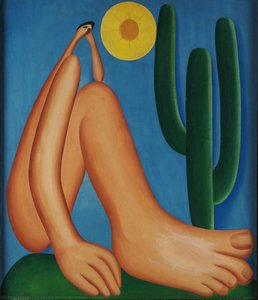
Perhaps no single work embodies Tarsila's artistic philosophy more powerfully than *Abaporu* (1928). This iconic painting, depicting a solitary figure with oversized feet seated amidst a surreal landscape, became the catalyst for one of Brazil’s most influential cultural movements: Antropofagia – or “cannibalism.” Inspired by Oswald de Andrade's manifesto of the same name, Antropofagia proposed that Brazilian artists should "devour" foreign influences and transform them into something uniquely their own. *Abaporu* visually captured this concept, representing a rejection of colonial imitation and an embrace of cultural hybridity. The painting’s imagery – the large feet rooted in the land, the enigmatic expression – resonated deeply with a nation grappling with its identity in the wake of independence. It wasn't merely a work of art; it was a declaration of artistic sovereignty. Beyond *Abaporu*, works like *A Negra* (1923) and *Morro da Favela* demonstrated her engagement with social themes, portraying marginalized communities and challenging prevailing societal norms.Legacy and Enduring Influence
Throughout her long and prolific career, Tarsila do Amaral continued to explore the complexities of Brazilian identity through a diverse body of work. Her paintings are characterized by their bold colors, simplified forms, and dreamlike atmosphere, often blending elements of realism with surrealism and abstraction. She didn’t shy away from experimentation, constantly evolving her style while remaining true to her core vision. Her influence extended beyond the realm of painting, inspiring generations of Brazilian artists and shaping the nation's cultural landscape. Today, Tarsila do Amaral’s works are held in prestigious collections worldwide, including the Museu de Valores do Banco Central do Brasil and the Museu de Arte do Rio Grande do Sul. Her art continues to captivate audiences with its vibrant energy, poetic imagery, and profound exploration of what it means to be Brazilian. She passed away on January 17, 1973, leaving behind a legacy as one of Latin America’s most important modernist artists – a visionary who dared to paint her nation's soul.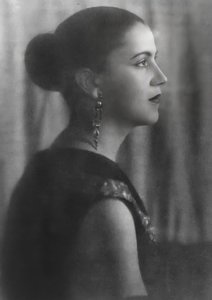
Tarsila do Amaral
1886 - 1973 , Brazil
Quick Facts
- Artistic Movement Or Style: Brazilian Modernism
- Artists Or Movements Influenced By This Artist: ['Antropofagia movement']
- Artists Who Influenced This Artist:
- Fernand Léger
- Albert Gleizes
- André Lhote
- Date Of Birth: September 1, 1886
- Date Of Death: January 17, 1973
- Full Name: Tarsila do Amaral
- Nationality: Brazilian
- Notable Artworks:
- Abaporu
- A Negra
- Morro da favela
- Urutu Snake
- Landscape VII
- Place Of Birth: São Paulo, Brazil
Related Articles

Etching Masters: 10 Legendary Prints That Revolutionized Art | ArtsDot
Journey through 10 legendary etching masterpieces by Rembrandt, Dürer & Goya. Explore the history of printmaking and discover timeless art for your home. Find museum-quality reproductions at ArtsDot.com.

Etching: A Historical Survey of Technique, Aesthetic Qualities & Enduring Artistic Significance
Explore the rich history of etching, from its origins to Rembrandt's masterful innovations. Discover the technique, aesthetic qualities & enduring legacy of this captivating art form. Expert insights for collectors and enthusiasts.

The Intricate World of Etching: A Historical Survey of Technique, Aesthetic Evolution, and Enduring Artistic Impact
Explore the rich history of etching, from its origins to modern practice. Discover techniques, key artists like Rembrandt, and insights for collectors. A comprehensive guide by ArtsDot.

Giclée Prints: Archival Quality & Aesthetic Nuances for the Discerning Collector
Explore the world of giclée prints with ArtsDot. Learn about archival quality, aesthetic nuances & investment potential. Expert guidance for discerning art collectors seeking museum-quality reproductions and lasting value.

The Enduring Legacy of Fine Art Prints: Technique, History & Aesthetic Impact
Explore the rich history & techniques of fine art prints. Discover investment potential, assess authenticity, and learn how to preserve your collection with expert guidance. Trusted insights for discerning collectors.