 Preview
 Send
Send Share
Share
 Details

 Download
 Similars
 X-Ray
X-Ray Diaporama
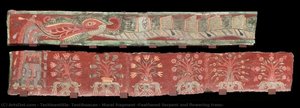
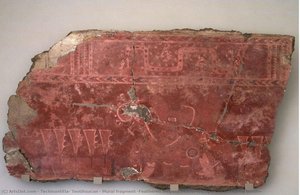
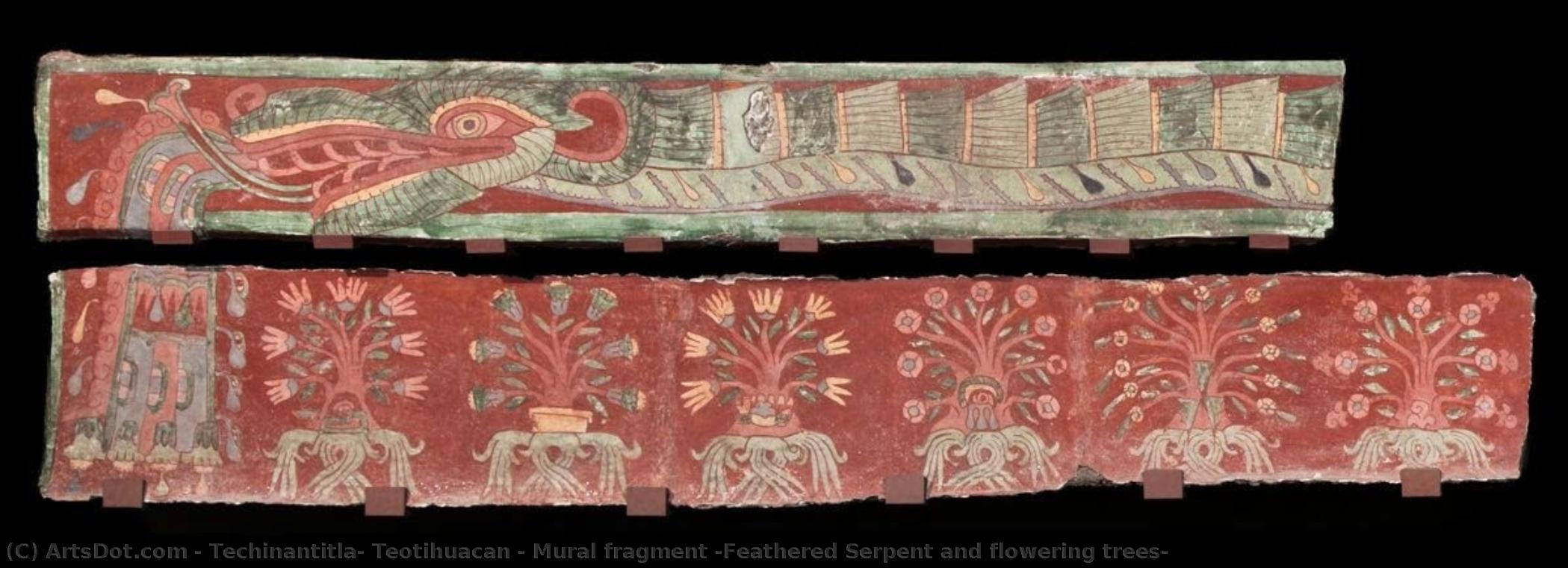
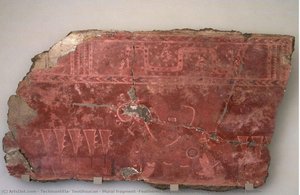
Mural fragment (Feathered Serpent and flowering trees)
 Mesoamerican Art
 500
500 59.0cm x 405.0cm
 de Young Museum
 Read More
Giclée / Art Print
Museum-quality giclée or canvas print with fast production and flexible finish options. ( Buy Hand Made Painting Buy Image)




































Pick from our preset sizes that match the artwork's original proportions.

You may enter your own dimensions to fit a specific frame or space. If your selected size does not match the original image's proportions, we will either crop the artwork or extend the image with a mirrored or solid-fill edge. A digital mockup will be sent for your approval before production begins.
Please note that the on-screen preview does not reflect the actual cropping or extension. Only the mockup will accurately show the final composition.
While custom sizes are available, we recommend selecting a dimension from the predefined list to preserve the original proportions.
Worldwide Delivery () in 2 weeks instead of standard 4/5 weeks. (25 August)

Free Worldwide Express Shipping

High-Quality Linen Canvas

Full Shipping Insurance

Customs Tax Refund Guarantee

True Color Matching Guarantee

60-Day Return Policy (Defects Only)

100% Money-Back Guarantee

Bulk Discount Offer
 Glass option is only available in size under 110 CM

Mural fragment (Feathered Serpent and flowering trees)
Giclée / Art Print
Reproduction Size
-


Total Price
$ 63
Related Artworks
![[feathered Serpent And Human Figure Relief, Temple Of The Warriors, Chichen Itza] — Octavio Medellín, Documentary Photography](/media/artworks/images-thumb/92/58/92587b847ea0fecdbbde0aa8e3425bbc.jpg)
Artist Biography
The Echoes of Techinantitla: A Legacy in Pigment and Stone
In the heart of the Mexican highlands, where the shadows of the Pyramid of the Sun stretch across the ancient valley, lies the memory of a lost artistic world. To speak of techinantitla, teotihuacan is not to speak of a single hand or a solitary creator, but to evoke the collective genius of an unnamed master class of muralists who once breathed life into the walls of a sprawling residential compound. This was a place where art and architecture were inseparable, a vibrant urban sanctuary within the great city of Teotichacán—the "God Made" metropolis—that flourished between 150 and 550 AD. The murals of Techinantitla represent more than mere decoration; they are the surviving whispers of a civilization that mastered the art of storytelling through stone and pigment.
The artistry found within this compound is characterized by a breathtaking synthesis of geometric abstraction and profound symbolic depth. These ancient painters did not merely depict the world around them; they encoded the very fabric of their cosmology into every line. Utilizing bold, decisive strokes and a palette of vivid, earth-derived pigments, the artists of Techinantitla captured the essence of the divine. One can almost feel the pulse of the ritualistic life that once animated these halls through the depiction of the Feathered Serpent, a deity of immense power representing both the celestial heavens and the terrestrial renewal of the earth. The mastery of their technique—a sophisticated form of fresco-like painting—allowed for a durability that has permitted fragments of their vision to endure across millennia.
A Journey Through Discovery and Repatriation
The history of these artworks is as dramatic as the imagery they contain. For centuries, much of the splendor of Techinantitla remained buried beneath the earth, hidden from the modern gaze until the mid-20th century. The discovery of these mural fragments in 1976 ignited a complex saga of archaeological wonder and international intrigue. This era was marked by the difficult tension between the global hunger for rare Mesoamerican antiquities and the urgent necessity of cultural preservation. Much of the narrative surrounding these pieces involves the efforts of figures like Harald J. Wagner, an architect whose involvement in the movement to repatriate these fragments to Mexico highlighted the ethical complexities of art collecting during a period of clandestine trade.
As researchers and historians painstakingly reconstructed the history of these fragments, they uncovered a network of collectors and dealers who had navigated the shadows of the mid-20th century. This process of "decoding" the legacy of Techinantitla has been an arduous task, requiring the synthesis of archival documents, dealer recollections, and scholarly investigation. Through this effort, the art world has begun to understand that these fragments are not merely isolated artifacts but pieces of a larger, cohesive cultural tapestry. The movement toward repatriation serves as a testament to the enduring significance of these works, ensuring that the visual language of the Teotihuacan people remains anchored to their ancestral soil.
Symbolism and the Eternal Cycle
To gaze upon a fragment of Techinantitla is to enter a realm of ritualistic permanence. The imagery often weaves together the natural and the supernatural, creating a seamless transition between the flora of the Mexican landscape and the deities of the heavens. Key elements that define this artistic tradition include:
- The Feathered Serpent: A central motif representing the cyclical nature of life, death, and rebirth, embodying the union of earth and sky.
- Botanical Symbolism: The inclusion of flowering trees and maguey bundles, which serve as anchors to the fertile reality of the Mesoamerican environment.
- Geometric Precision: A sophisticated use of line and shape that suggests a highly organized social structure and a disciplined approach to sacred geometry.
- Vibrant Pigmentation: The use of mineral-based colors that convey the intensity of ritual practice and the vitality of the Teotihuacan spirit.
The historical significance of these works lies in their ability to bridge the gap between the known and the unknowable. While the names of the individual painters have been lost to time, their achievement remains an indelible part of human heritage. The murals of Techinantitla continue to challenge our understanding of pre-Columbian urban life, offering a window into a society that viewed art as a vital instrument for maintaining the cosmic balance. Through these enduring fragments, the ancient masters of Teotihuacan continue to speak, their voices resonating through the bold colors and sacred symbols that refuse to fade.
techinantitla, teotihuacan
Mexico
Quick Facts
- Artistic Movement Or Style: Mural Art
- Artists Or Movements Influenced By This Artist: ['Cubist art']
- Artists Who Influenced This Artist: ['Ernst Ludwig Kirchner']
- Full Name: Techinantitla
- Nationality: Mexican
- Notable Artworks: ['Feathered Serpent and Flowering Trees']
- Place Of Birth: Mexico
Related Articles

Elevating Interiors: How Murals are Redefining Kitchens and Bathrooms
Transform your kitchen & bathroom with stunning murals! Explore design trends, durable materials & expert advice. Elevate your interiors with 's bespoke mural solutions.

From Jungle Scenes to Gold Leaf Geometry: A Guide to Today's Most Requested Mural Styles
Explore today's top mural styles for hotels & commercial spaces! Discover trends, expert insights, & custom design solutions. Elevate your space with .
Anchoring Interior Design with Murals: A Comprehensive Guide for Hotel Designers
Elevate your hotel's design with impactful murals! Our expert guide explores anchoring interior spaces, thematic storytelling & durable solutions for luxury hospitality. Discover bespoke art options & elevate the guest experience.
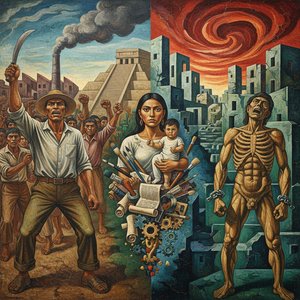
Revolution on Canvas: Exploring the Socio-Political Power & Artistic Legacy of Mexican Muralism
Explore the powerful world of Mexican muralism! Discover Diego Rivera, Frida Kahlo & Orozco's revolutionary art, social impact & lasting legacy. Expert insights & high-quality reproductions at ArtsDot.
Transforming Spaces: How Custom Murals Forge Brand Identity & Enhance Customer Experience
Elevate your brand & spaces with custom murals. Explore expert insights on design, artists, materials & installation. Transform environments – discover 's bespoke solutions.