 Preview
 Send
Send Share
Share
 Details

 Download
 Similars
 X-Ray
X-Ray Diaporama
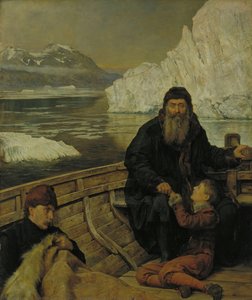
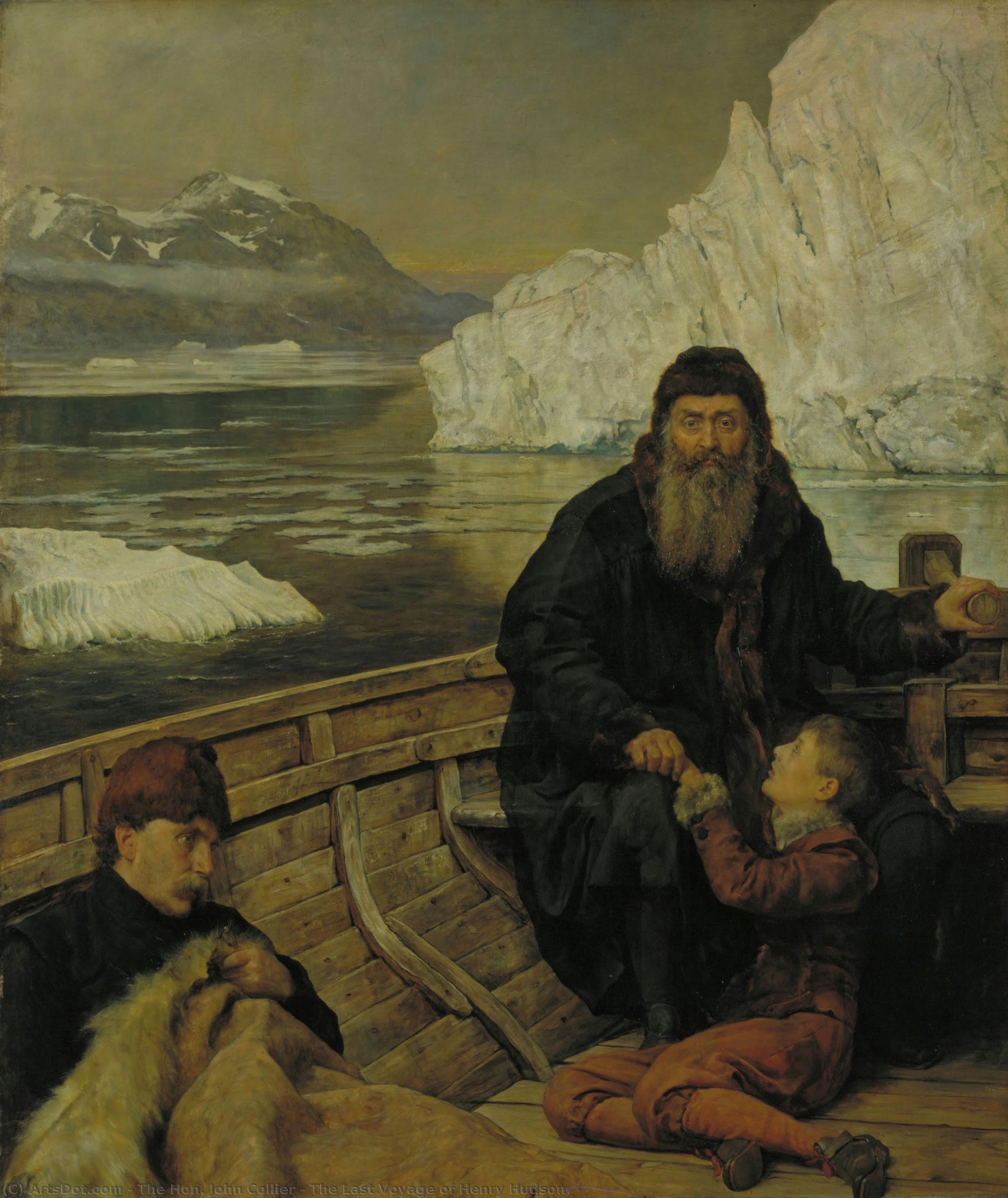
The Last Voyage of Henry Hudson
 Oil On Canvas
- WallArt
- Academic Realism
 1881
1881- 19th Century
 83.0 x 21.0 cm
 Tate Britain
 Read More
Giclée / Art Print
Museum-quality giclée or canvas print with fast production and flexible finish options. ( Buy Hand Made Painting Buy Image)




P118B $10

P118H $10

P118W $10

P438Z $10

P508JH $12

P508YH $12

P805H $10

P805Z $10

P919BZ $10

P919G $10

P919XJ $10

P959ZH $10

P968JZ $12

W106C $8

W218G $10

W218JH $8

W218Y $10

W307PJ $10

W316G $10

W316PJ $8

W316Y $10

W398PJ $8

W4111J $10

W500HY $15

W500JH $15

W692G $12

W849H $8

W940BG $15

W953PJ $8




Pick from our preset sizes that match the artwork's original proportions.

You may enter your own dimensions to fit a specific frame or space. If your selected size does not match the original image's proportions, we will either crop the artwork or extend the image with a mirrored or solid-fill edge. A digital mockup will be sent for your approval before production begins.
Please note that the on-screen preview does not reflect the actual cropping or extension. Only the mockup will accurately show the final composition.
While custom sizes are available, we recommend selecting a dimension from the predefined list to preserve the original proportions.
Worldwide Delivery () in 2 weeks instead of standard 4/5 weeks. (30 August)

Free Worldwide Express Shipping

High-Quality Linen Canvas

Full Shipping Insurance

Customs Tax Refund Guarantee

True Color Matching Guarantee

60-Day Return Policy (Defects Only)

100% Money-Back Guarantee

Bulk Discount Offer
 Glass option is only available in size under 110 CM

The Last Voyage of Henry Hudson
Giclée / Art Print
Reproduction Size
-


Total Price
$ 63
A Perilous Journey Captured in Oil
In the sweeping, atmospheric expanse of The Last Voyage of Henry Hudson, The Hon. John Collier invites the viewer to witness a moment of profound historical tension and maritime drama. Painted in 1881, this evocative oil on canvas serves as more than just a historical record; it is a window into the vulnerability of human ambition when pitted against the raw, untamed forces of nature. The scene captures a small, weathered vessel navigating the uncertain waters of a coastal expanse, where the silhouettes of distant mountains rise like silent sentin Riots through a heavy, clouded sky. Within the cramped confines of the boat, a group of figures is caught in a state of quiet, desperate endurance. One figure sits in weary repose while others kneel or stand, their postures suggesting a mixture of exhaustion and prayerful anticipation. Even the presence of a loyal dog aboard the vessel adds a poignant layer of domesticity to this scene of high-stakes exploration, reminding us of the lives—and the companionship—at stake in the great unknown.
The technique employed by Collier reflects his rigorous training under masters like Jean-Paul Laurens, blending the precision of academic portraiture with a masterful command of landscape and light. The artist utilizes a rich, layered application of oil to create a palpable sense of atmosphere; the sky is not merely a backdrop but a living, breathing entity, heavy with the moisture of an approaching storm. Through subtle gradations of grey, blue, and muted earth tones, Collier achieves a sense of depth that draws the eye from the immediate, textured details of the wooden boat out toward the hazy, unreachable horizon. This mastery of light and shadow—the chiaroscuro effect—serves to highlight the emotional weight of the subjects' faces, pulling the viewer into their shared struggle against the elements.
For the discerning collector or interior designer, this piece offers a profound sense of narrative depth and historical gravitas. It is an artwork that commands attention not through garish color, but through its ability to evoke a mood of contemplative melancholy and heroic resilience. The painting’s composition, characterized by its horizontal breadth and the dramatic interplay between the sea and sky, makes it an ideal centerpiece for a study, a library, or a sophisticated living space where one seeks to inspire thought and conversation. As a high-quality reproduction, this work brings the spirit of Victorian maritime history into the modern home, offering a timeless connection to the era of discovery and the enduring human spirit that faces the tempest with unwavering courage.
Related Artworks
Artist Biography
A Life Immersed in Portraiture: The World of John Collier
John Maler Collier, born on January 27th, 1850, into a distinguished British family, was destined for a life intertwined with both artistic expression and societal prominence. His father, Sir Robert Perrett Collier, a respected lawyer and later Lord Monkswell, instilled in him a sense of intellectual curiosity, while his grandfather’s background as a Quaker merchant hinted at the pragmatic spirit that would subtly inform his approach to art. Educated at Eton College, young John initially pursued academic avenues before fully embracing his passion for painting. This path led him to Paris, where he studied under Jean-Paul Laurens, and subsequently to Munich, laying the foundation for a career that would see him become one of the most sought-after portraitists of the Victorian era. Collier’s life was uniquely marked by familial connections within the scientific community; both his wives were daughters of the renowned biologist Thomas Henry Huxley, further enriching his intellectual landscape and providing access to a world beyond the confines of artistic circles.Early Influences and Artistic Development
Collier's formative years were significantly shaped by exposure to the Pre-Raphaelite movement, though he never fully aligned himself with its strict tenets. He absorbed the meticulous detail and vibrant color palettes championed by artists like Millais and Alma-Tadema—the latter proving particularly influential—but tempered these qualities with a distinctly realist sensibility. While studying at the Slade School of Fine Art under Sir Edward Poynter, Collier began to develop his signature style: portraits that weren’t merely representations of physical likeness but rather insightful explorations of character and psychological depth. He wasn't solely focused on capturing outward appearances; he sought to reveal the inner lives of his sitters, a quality that quickly set him apart from many of his contemporaries. This dedication to portraying personality led him to become a founding member of the Royal Society of Portrait Painters in 1875, solidifying his position within the London art scene and providing a platform for showcasing his increasingly sophisticated work.The Height of His Career: Capturing Victorian Society
By the late 19th and early 20th centuries, John Collier had become synonymous with portraiture among the British elite. He possessed an extraordinary ability to connect with his subjects, earning their trust and allowing him to capture a remarkable degree of authenticity in his paintings. His commissions spanned a diverse range of individuals—from prominent politicians like the Earl of Selborne and Lord Halsbury to literary figures such as Rudyard Kipling, and even members of the royal family, including King George V. However, Collier’s artistic interests extended beyond the realm of formal portraiture. He frequently incorporated allegorical elements and dramatic narratives into his work, often drawing inspiration from classical mythology and biblical stories. Paintings like *The Laboratory* (1895) and *Lady Godiva* (1898) demonstrate this penchant for exploring complex themes through visually arresting compositions. His willingness to tackle challenging subjects—such as the provocative *Eve* (1911)—revealed a bold artistic spirit unafraid of pushing boundaries.Beyond the Brush: A Literary Pursuits and Lasting Legacy
Collier’s intellectual curiosity wasn't confined to the visual arts; he was also a prolific writer, publishing several influential books on painting technique, including *The Primer of Art* (1882) and *A Manual of Oil Painting* (1886). These works not only showcased his technical expertise but also offered valuable insights into the artistic process for aspiring painters. His most comprehensive publication, *The Art of Portrait Painting* (1905), remains a respected resource for students and art enthusiasts alike. In 1920, Collier was awarded an OBE in recognition of his contributions to the arts. He continued painting until his death on April 11th, 1934, leaving behind a vast body of work that provides a fascinating glimpse into Victorian society and the psychological complexities of its inhabitants. His paintings continue to captivate audiences today, celebrated for their technical brilliance, emotional depth, and enduring artistic power.A Lasting Impression: Collier’s Historical Significance
John Collier occupies a unique position in British art history as a bridge between the Pre-Raphaelite tradition and the emerging realism of the 20th century. He successfully blended meticulous detail with psychological insight, creating portraits that were both visually stunning and emotionally resonant. His influence extended beyond his own paintings; through his writings, he helped to shape the understanding and practice of portraiture for generations of artists. His ability to capture not just likeness but also character, combined with his willingness to explore complex themes, cemented his reputation as one of the most important portrait painters of his time. Collier’s work serves as a valuable historical record of Victorian society, offering insights into the lives and personalities of its leading figures while simultaneously demonstrating the enduring power of art to reveal the human condition.
Quick Facts
- Artistic Movement Or Style: Pre-Raphaelite Realism
- Artists Who Influenced This Artist:
- Lawrence Alma-Tadema
- John Everett Millais
- Date Of Birth: January 27, 1850
- Date Of Death: April 11, 1934
- Full Name: John Maler Collier
- Nationality: British
- Notable Artworks:
- Eve (1911)
- The Laboratory (1895)
- Place Of Birth: London, England
Related Articles
The Allure of the Horizon: A Comprehensive Exploration of Seascape Art Through History & Emotion
Explore the captivating world of seascape art! Discover its history, key artists & movements – from Dutch Masters to Impressionism. Expert insights for collectors and enthusiasts at ArtsDot.

The Enduring Legacy of Oil on Canvas: Technique, History & Aesthetic Impact
Explore the rich history & techniques of oil painting – from Renaissance masters to Impressionism. Discover pigments, layering methods, and why this timeless medium endures. Expert insights for artists & art enthusiasts.
Samuel Walters: Capturing Victorian Maritime Life with Precision & Artistry
Explore the exquisite maritime paintings of Samuel Walters (1811-1882). Discover his mastery of detail, historical scenes & influence on Victorian art. Learn about collecting his works and find high-quality reproductions at ArtsDot.

Oil on Canvas: A Historical & Technical Exploration of a Timeless Artistic Medium
Explore the rich history & enduring techniques of oil painting on canvas. Discover the science behind its longevity, conservation practices, and contemporary relevance. Expert insights for art enthusiasts.

The Enduring Power of Painting: A Historical & Contemporary Exploration of Form and Emotion
Explore the rich history & enduring techniques of oil painting with ArtsDot. Discover masterpieces, learn about art collecting, and find authentic handmade reproductions crafted by skilled artists.