 Preview
 Send
Send Share
Share
 Details

 Download
 Similars
 X-Ray
X-Ray Diaporama
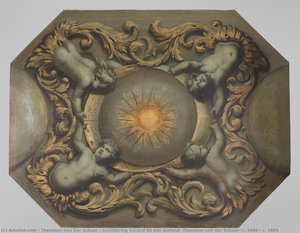
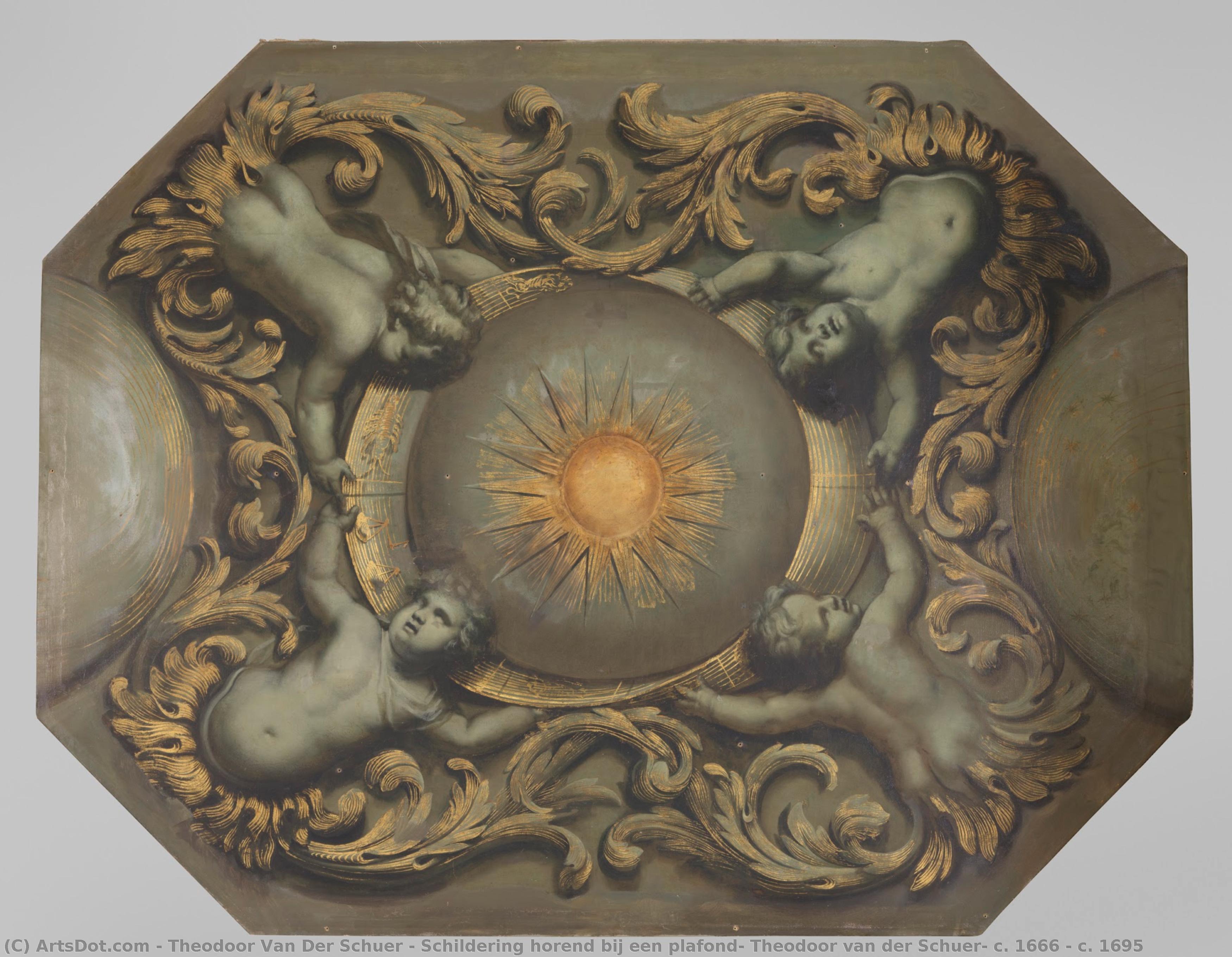
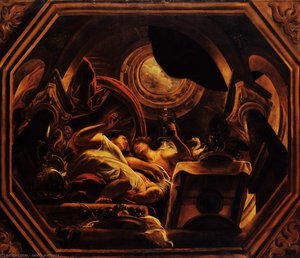
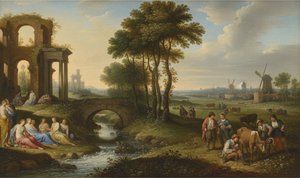
Schildering horend bij een plafond, Theodoor van der Schuer, c. 1666 - c. 1695


 Read More
Hand Made Oil Reproduction
Hand-painted oil on canvas in your size and frame, made to order by our artists. ( Buy Print Buy Image)




P118B $10

P118H $10

P118W $10

P438Z $10

P508JH $12

P508YH $12

P805H $10

P805Z $10

P919BZ $10

P919G $10

P919XJ $10

P959ZH $10

P968JZ $12

W106C $8

W218G $10

W218JH $8

W218Y $10

W307PJ $10

W316G $10

W316PJ $8

W316Y $10

W398PJ $8

W4111J $10

W500HY $15

W500JH $15

W692G $12

W849H $8

W940BG $15

W953PJ $8




Pick from our preset sizes that match the artwork's original proportions.

You may enter your own dimensions to fit a specific frame or space. If your selected size does not match the original image's proportions, we will either crop the artwork or extend the painting with additional hand-painted elements. A digital mockup will be sent for your approval before production begins.
Please note that the on-screen preview does not reflect the actual cropping or extension. Only the mockup will accurately show the final composition.
While custom sizes are available, we recommend selecting a dimension from the predefined list to preserve the original proportions.
After order, ArtsDot.com team will email client for instructions and provide a mockup preview
Worldwide Delivery () in 3/4 weeks instead of standard 5 weeks. (27 August). No compromise on quality.

Free Worldwide Express Shipping

High-Quality Linen Canvas

Full Shipping Insurance

Customs Tax Refund Guarantee

True Color Matching Guarantee

60-Day Return Policy (Defects Only)

100% Money-Back Guarantee

Bulk Discount Offer
 Glass option is only available in size under 110 CM

Schildering horend bij een plafond, Theodoor van der Schuer, c. 1666 - c. 1695
Reproduction Medium
Reproduction Size
-


Total Price
$ 263
Artwork Description
Related Artworks
Artist Biography
The Enigmatic Vision of Theodoor Van Der Schuer
The name Theodoor Van Der Schuer resonates quietly within the annals of 19th-century painting, a figure whose work embodies a unique blend of Romantic sensibility and meticulous realism. Born in Belgium in an unknown year – records remain frustratingly sparse – Van Der Schuer’s life is as veiled in mystery as the atmospheric landscapes he so masterfully created. Unlike many artists who sought fame and recognition within established academies, Van Der Schuer appears to have largely eschewed the public eye, preferring a solitary existence dedicated to his art. This seclusion contributes significantly to the allure surrounding him; he wasn't shaping his image for patrons or critics but rather following an intensely personal artistic vision. What little is known suggests a comfortable upbringing that allowed him the freedom to pursue painting without financial constraint, fostering a development unburdened by commercial pressures.A Dialogue with Nature: Influences and Early Development
Van Der Schuer’s paintings immediately evoke the Dutch Masters of the 17th century – particularly those specializing in landscape, such as Jacob van Ruisdael and Aert van der Neer. However, he wasn't merely a copyist; instead, he absorbed their technical prowess—the rendering of light, the detailed depiction of foliage, the sense of vastness—and infused it with a distinctly Romantic spirit. The influence of the Barbizon school is also palpable, particularly in his focus on direct observation of nature and his preference for depicting scenes devoid of overt narrative or human drama. He wasn’t interested in grand historical events or allegorical subjects; his concern lay with capturing the subtle nuances of the natural world – the play of sunlight through trees, the shifting moods of the sky, the quiet beauty of rural life. This dedication to plein air painting, though not as radical as that of the Impressionists who would follow, marked a significant shift away from studio-bound academic traditions. Early works demonstrate a careful study of atmospheric perspective and an emerging talent for capturing the ephemeral qualities of light.Mastering Atmosphere: Technique and Style
Van Der Schuer’s technical skill is remarkable. He employed a layered glazing technique, building up thin washes of oil paint to create depth and luminosity. This method allowed him to achieve an extraordinary sense of realism, particularly in his depiction of light and shadow. His brushwork is often delicate and precise, yet never overly fussy or contrived. He possessed a rare ability to convey the feeling of air and moisture, making his landscapes feel almost tangible. The color palettes he favored were typically muted – browns, greens, grays, and blues—reflecting the somber beauty of the Belgian countryside. However, within these restrained tones, he introduced subtle variations and highlights that brought his scenes to life. He often focused on water features - rivers, canals, ponds - using them as reflective surfaces to amplify the effects of light and atmosphere. His compositions are generally balanced and harmonious, creating a sense of tranquility and serenity.A Legacy of Quiet Contemplation: Major Achievements and Historical Significance
While Van Der Schuer didn’t achieve widespread fame during his lifetime, his work has garnered increasing recognition in recent decades. He is now considered an important figure in the development of 19th-century landscape painting, bridging the gap between the Dutch Masters and the Barbizon school. His paintings are prized for their technical skill, atmospheric depth, and quiet beauty.- His ability to capture the subtle nuances of light and shadow is particularly noteworthy.
- He demonstrated a deep understanding of color theory and composition.
- His landscapes evoke a sense of tranquility and serenity that resonates with viewers today.
Related Articles

Dutch Baroque Masters: 10 Paintings That Shaped an Era | ArtsDot
Journey through the Golden Age with our guide to the Top 10 Dutch Baroque masterpieces! Explore iconic paintings by Rembrandt, Vermeer & Frans Hals. Find museum-quality art reproductions and elevate your home decor at ArtsDot.com.

Rembrandt's Masterpieces: Explore 25 Iconic Paintings & Prints | ArtsDot
Journey through Rembrandt van Rijn's 25 most iconic paintings & etchings. Explore Dutch Golden Age masterpieces, dramatic chiaroscuro, and timeless portraits. Find museum-quality art reproductions to elevate your home decor on ArtsDot.com.

Early Netherlandish Masters: 10 Paintings That Revolutionized Art & Decor
Journey into the Early Netherlandish Renaissance! Explore 10 iconic paintings by Jan van Eyck, Rogier van der Weyden & more. Discover stunning detail, symbolism, and oil painting techniques. Find museum-quality art reproductions for your home at ArtsDot.com.
Cornelis van Poelenburch: Bridging Mannerism & the Dutch Baroque Landscape
Discover Cornelis van Poelenburch, a pivotal Dutch Baroque landscape painter bridging Mannerism & Italianate styles. Explore his life, key works, and lasting influence on 17th-century art with ArtsDot.

Golden Age Reflections: Dutch Baroque Painting & Cultural Innovation
Explore the Dutch Golden Age of painting! Discover key artists like Vermeer & ter Borch, their innovative techniques, and the rich cultural context behind these Baroque masterpieces. Learn about collecting & appreciating this iconic art period.