

 Send
Send Share
Share
 Details

 Download
 Similars
 Diaporama
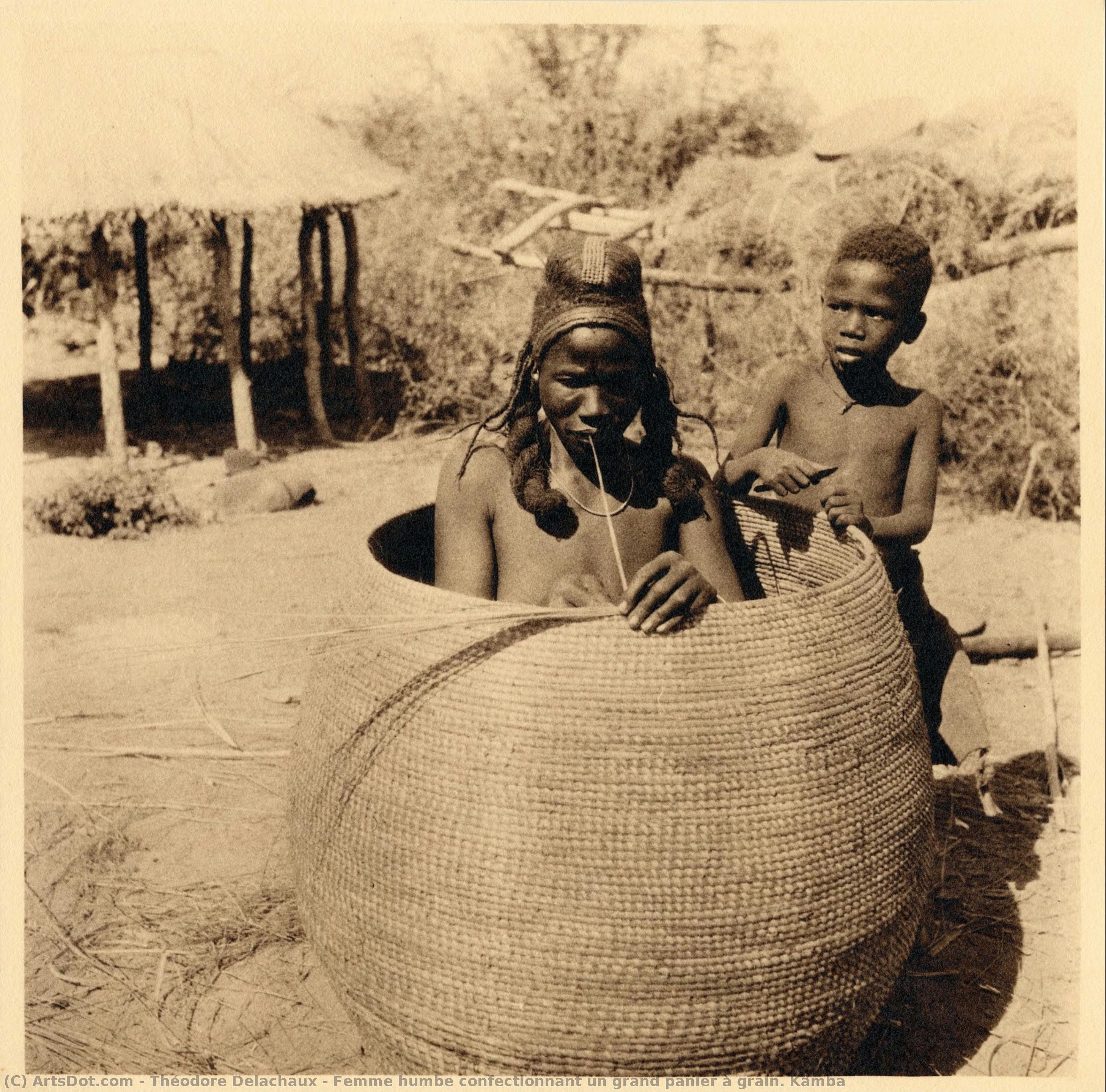
Femme humbe confectionnant un grand panier à grain. Kâmba
 Giclée Print
- Digital
- Documentary Photography
 1933
1933- 19th Century
 17.0 x 17.0 cm
 Musée d'ethnographie de Neuchâtel
 Read More
Purchase a high-resolution, enhanced digital image, far superior to the online preview.
Each file is meticulously prepared by our in-house specialists using advanced tools and expert manual retouching. We ensure every image has exceptional clarity, precise color accuracy, and fine detail.
The final file is delivered via email within 72 hours, optimized for immediate use in professional, editorial, and print environments. This is the same quality trusted by top-tier design studios, publishers, and galleries.
Digital Image
Download a high-resolution file for personal display, printing, and creative projects. ( Buy Print Buy Hand Made Painting)
Included in Every Digital Image Order
Expert Digital Delivery, Guaranteed
When you choose ArtsDot.com, you're not just getting an image - you're receiving a professionally enhanced digital artwork, crafted with precision and backed by a satisfaction guarantee. Here's everything that comes with your order, automatically:

Fast Email Delivery
Your high-resolution digital image file will be emailed to you within 72 hours of ordering - ready for immediate use.

AI-Enhanced Digital File
Your artwork is professionally optimized using advanced AI tools and manual editing, ensuring maximum detail, clarity, and color accuracy.

Free Lifetime Re-Delivery
Accidentally deleted or lost your file? No worries - we'll resend it to you anytime, free of charge.

No Import Fees - Ever
Enjoy your artwork instantly with zero customs, duties, or delivery fees - digital downloads are always tax-free.

Color Accuracy Guarantee
We ensure your digital image reflects the original colors as closely as possible using professional tools and color management.

60-Day Satisfaction Guarantee
If you're not satisfied with your digital image, we'll revise it or refund 100% within 60 days - no questions asked.

100% Money-Back Guarantee
Not satisfied? Get a full refund within 60 days of receiving your digital file - no questions asked.

Bulk Order Discounts
Buy 3 images, save 10% - Buy 5, save 15% - Buy 10+, save 20%. Great for creative projects, galleries, and agencies.
A Window into Rural Switzerland: *Femme humbe confectionnant un grand panier à grain. Kâmba* by Théodore Delachaux
This evocative black and white photograph, titled *Femme humbe confectionnant un grand panier à grain. Kâmba*, created in 1933 by Swiss photographer Théodore Delachaux, offers a poignant glimpse into the daily life of indigenous people within the heart of Switzerland’s landscape. Measuring 17 x 17 cm, this seemingly simple image is rich with layers of meaning – a testament to traditional craftsmanship, cultural heritage, and the enduring connection between humanity and the natural world. Delachaux's documentary style, reminiscent of early photographic practices, captures a fleeting moment with remarkable clarity and sensitivity.
- Subject Matter: The photograph centers on a woman and a young boy engaged in the meticulous process of weaving a large basket – a task central to their livelihood. Their focused expressions and deliberate movements speak volumes about the value placed upon this essential skill.
- Technical Aspects: Executed with a process camera, likely utilizing early photographic techniques, the image exhibits a characteristic grainy texture indicative of the era. The photographer’s skillful use of light creates soft shadows, highlighting the intricate details of the woven basket and the woman's hair, drawing the viewer's eye to the core subject.
- Composition: The composition is centered around the basket, dominating the foreground and immediately engaging the viewer. The blurred background suggests a rural landscape, emphasizing the figures’ isolation and connection to their environment.
The Artist and His Context
Théodore Delachaux (1879-1949), born in Interlaken, Switzerland, was more than just a photographer; he was an educator and a keen observer of his surroundings. Initially trained at the École des Beaux-Arts in Paris, Delachaux’s artistic journey reflects the broader stylistic shifts occurring within the European art world during this period – from Impressionism to the nascent explorations of modernism. His subsequent role as a professor of drawing at the gymnase in Neuchâtel demonstrates his commitment to fostering artistic talent and his deep understanding of visual principles. This dual life shaped his approach to photography, imbuing his work with both technical precision and a thoughtful appreciation for human experience.
Symbolic Resonance
The basket itself is laden with symbolic significance. It represents not merely a functional object but also embodies labor, community, and the vital role of storage within indigenous cultures. The figures depicted – a woman and a young boy – represent the continuity of tradition and the passing down of skills from one generation to the next. Their presence evokes a sense of timelessness, inviting us to contemplate the enduring values represented by this seemingly simple act.
Emotional Impact & Reproduction
*Femme humbe confectionnant un grand panier à grain. Kâmba* possesses a quiet dignity and profound emotional resonance. It’s a photograph that transcends its documentary origins, offering a powerful meditation on human connection to the land and the importance of traditional crafts. ArtsDot offers a meticulously hand-painted reproduction of this remarkable image, ensuring that its beauty and significance are preserved for generations to come. This reproduction captures not just an image but the very spirit of Delachaux’s original vision – a testament to a bygone era and a celebration of human skill and cultural heritage.
Related Artworks
Artist Biography
Early Life and Artistic Foundations
Théodore Delachaux, born in the picturesque town of Interlaken, Switzerland, on May 21st, 1879, embarked on a life deeply intertwined with both artistic expression and scholarly pursuit. His formative years were steeped in the beauty of the Swiss landscape, an environment that would subtly yet profoundly influence his later work. Delachaux’s initial training took place at the prestigious École des Beaux-Arts in Paris, a crucible for aspiring artists during a period of significant stylistic transition. This exposure to the Parisian art world—with its currents of Impressionism, Post-Impressionism, and burgeoning modern movements—laid the groundwork for his own unique artistic vision.
However, Delachaux’s path wasn't solely dedicated to painting. He seamlessly integrated his passion for art with a career in education, becoming a professor of drawing at the gymnase in Neuchâtel. This dual role speaks to a broader intellectual curiosity and a desire to share his knowledge and appreciation for visual culture. It also suggests a methodical approach to observation—a skill crucial not only for artistic representation but also for the meticulous documentation that would define much of his later work.
Ethnographic Studies in Angola: A Life’s Focus
The pivotal moment in Delachaux's career arrived in 1921 when he assumed the position of conservator at the Musée d'Ethnographie de Neuchâtel. This appointment wasn’t merely a professional step; it was a calling that would shape the trajectory of his life and artistic endeavors. The museum focused on non-European cultures, and Delachaux quickly became immersed in its collections, particularly those relating to Africa.
In 1932, Delachaux participated in the Second Swiss Scientific Mission to Angola, a journey that would become the defining experience of his life. Over the course of nearly two years—until December 1933—he meticulously documented the cultures and traditions of various Angolan communities. Unlike many colonial-era ethnographic endeavors, Delachaux’s work appears to have been driven by genuine curiosity and respect for the people he encountered. His photographs, in particular, offer a rare glimpse into daily life, rituals, craftsmanship, and social structures.
Artistic Style and Documentary Approach
Delachaux's artistic style is best described as representational with a strong emphasis on realism. While not overtly expressive or experimental, his paintings and photographs possess a quiet dignity and sensitivity. His black-and-white photographs are particularly striking for their clarity of detail and compositional balance. He eschewed dramatic lighting or sensationalism, instead opting for a straightforward approach that allowed the subjects—the people and their customs—to speak for themselves.
His work wasn’t about imposing an external narrative but rather about faithfully recording what he observed. This documentary impulse is evident in his depictions of traditional crafts like basket weaving, agricultural practices, and ceremonial attire. He captured not just the *what* of Angolan life but also the *how*—the intricate techniques passed down through generations.
Legacy and Historical Significance
Théodore Delachaux continued to serve as conservator of the Musée d'Ethnographie de Neuchâtel until his death in 1949, leaving behind a substantial body of work that continues to be valued by scholars and art enthusiasts alike. His photographs are particularly significant for their historical importance, offering a valuable counterpoint to more conventional colonial representations of Africa.
While he may not be widely known outside specialist circles, Delachaux’s contribution lies in his commitment to documenting cultural diversity with respect and accuracy. He stands as an example of an artist who seamlessly integrated artistic practice with scholarly research, creating a unique body of work that sheds light on the richness and complexity of Angolan cultures during a pivotal period in history.
- Key Themes: Ethnography, cultural documentation, African life, traditional craftsmanship, Swiss art.
- Influences: École des Beaux-Arts training, exposure to Impressionism and Post-Impressionism, the intellectual environment of Neuchâtel.
- Major Achievements: Conservator of the Musée d'Ethnographie de Neuchâtel, participation in the Second Swiss Scientific Mission to Angola, creation of a significant photographic archive documenting Angolan cultures.
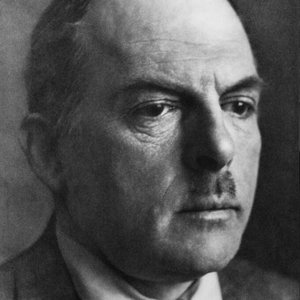
théodore delachaux
1879 - 1949 , Switzerland
Quick Facts
- Artistic Movement Or Style: Ethnographic studies
- Date Of Birth: May 21, 1879
- Date Of Death: 1949
- Full Name: Théodore Delachaux
- Nationality: Swiss
- Notable Artworks:
- Jeune fille kwanyama pendant l
- Femme humbe confectionnant un grand panier à grain. Kâmba
- Chasse au rhinocéros
- Place Of Birth: Interlaken, Switzerland

