 Preview
 Send
Send Share
Share
 Details

 Download
 Similars
 X-Ray
X-Ray Diaporama
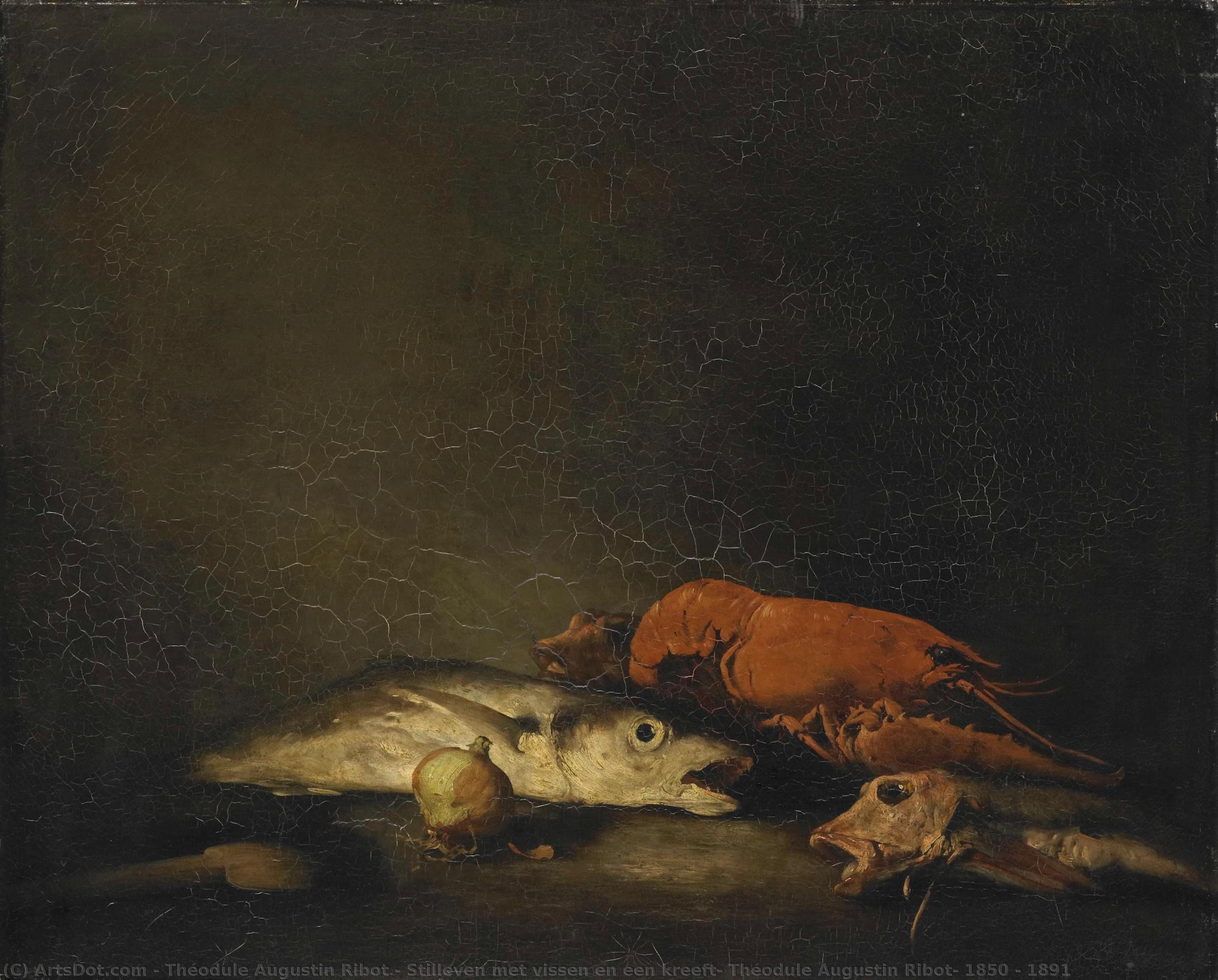
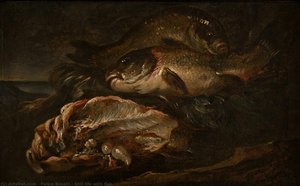
Stilleven met vissen en een kreeft, Théodule Augustin Ribot, 1850 - 1891
 1891
1891 60.0 x 74.0 cm
 Read More
Purchase a high-resolution, enhanced digital image, far superior to the online preview.
Each file is meticulously prepared by our in-house specialists using advanced tools and expert manual retouching. We ensure every image has exceptional clarity, precise color accuracy, and fine detail.
The final file is delivered via email within 72 hours, optimized for immediate use in professional, editorial, and print environments. This is the same quality trusted by top-tier design studios, publishers, and galleries.
Digital Image
Download a high-resolution file for personal display, printing, and creative projects. ( Buy Print Buy Hand Made Painting)
Included in Every Digital Image Order
Expert Digital Delivery, Guaranteed
When you choose ArtsDot.com, you're not just getting an image - you're receiving a professionally enhanced digital artwork, crafted with precision and backed by a satisfaction guarantee. Here's everything that comes with your order, automatically:

Fast Email Delivery
Your high-resolution digital image file will be emailed to you within 72 hours of ordering - ready for immediate use.

AI-Enhanced Digital File
Your artwork is professionally optimized using advanced AI tools and manual editing, ensuring maximum detail, clarity, and color accuracy.

Free Lifetime Re-Delivery
Accidentally deleted or lost your file? No worries - we'll resend it to you anytime, free of charge.

No Import Fees - Ever
Enjoy your artwork instantly with zero customs, duties, or delivery fees - digital downloads are always tax-free.

Color Accuracy Guarantee
We ensure your digital image reflects the original colors as closely as possible using professional tools and color management.

60-Day Satisfaction Guarantee
If you're not satisfied with your digital image, we'll revise it or refund 100% within 60 days - no questions asked.

100% Money-Back Guarantee
Not satisfied? Get a full refund within 60 days of receiving your digital file - no questions asked.

Bulk Order Discounts
Buy 3 images, save 10% - Buy 5, save 15% - Buy 10+, save 20%. Great for creative projects, galleries, and agencies.
Related Artworks






Artist Biography
The Dramatic Realism of Théodule Ribot
Théodule Augustin Ribot, born in Saint-Nicolas-du-Port, France in 1823, emerged as a pivotal figure in the mid-19th century French art world, bridging the gap between Romantic traditions and the burgeoning Realist movement. His canvases weren’t grand historical narratives or idealized portraits; instead, Ribot focused on the lives of ordinary people – laborers, beggars, street vendors – rendered with an unflinching honesty that both captivated and disturbed audiences accustomed to more polished depictions of reality. He wasn't merely *representing* these subjects but imbuing them with a profound sense of dignity and psychological depth. His early life offered little indication of the artistic path he would forge. Though his father was a painter, a minor figure specializing in theatrical scenery, Théodule initially pursued a career as a lithographer before dedicating himself fully to painting around 1840. This formative experience in printmaking undoubtedly influenced his meticulous attention to detail and his ability to capture fleeting moments with striking clarity.From Academic Training to Independent Vision
Ribot’s artistic education followed the conventional route of the time, studying under Michel Martin Drolling at the École des Beaux-Arts in Paris. He exhibited regularly at the Salon beginning in 1848, initially presenting works that adhered to academic standards – historical and mythological scenes executed with skillful technique but lacking a distinctive voice. However, his encounter with Gustave Courbet in the early 1850s proved transformative. Courbet’s radical embrace of Realism, his insistence on painting only what he could directly observe, resonated deeply with Ribot's own burgeoning artistic sensibilities. While never fully aligning himself with Courbet’s overtly political stance, Ribot began to shift his focus towards contemporary life, specifically the marginalized and often overlooked members of Parisian society. This period marked a conscious rejection of idealized beauty in favor of a more raw and authentic portrayal of human existence. He sought not to glorify or condemn his subjects but to present them as they were, stripped bare of pretense and sentimentality.A Master of Character and Atmosphere
Ribot’s mature style is characterized by its dramatic use of light and shadow – a technique he honed through careful study of the Old Masters, particularly Caravaggio and Rembrandt. His paintings often feature dimly lit interiors, crowded taverns, or bustling marketplaces, creating an atmosphere of both intimacy and tension. He was renowned for his ability to capture the psychological states of his subjects, conveying their weariness, resilience, and quiet desperation with remarkable subtlety. Works like “La Lecture de la République” (1860) and "Le Père Vigilant" (1862) exemplify this mastery. These are not simply genre scenes; they are penetrating studies of character, offering glimpses into the lives and inner worlds of working-class Parisians. His palette was typically somber, dominated by earth tones and muted colors, further enhancing the sense of realism and emotional weight. He employed a distinctive brushstroke – loose and expressive yet precise enough to define form and texture – that contributed to the immediacy and vitality of his compositions.Recognition and Legacy
Despite initial resistance from some Salon critics who found his subject matter vulgar or unsettling, Ribot gradually gained recognition for his unique artistic vision. He was awarded a medal at the 1867 Exposition Universelle and continued to exhibit successfully throughout his career. His influence extended beyond painting, inspiring writers and social commentators with his unflinching portrayal of urban life.- Influence on Naturalism: Ribot’s focus on contemporary life and his commitment to realism paved the way for the development of Naturalism in art and literature.
- Psychological Realism: His ability to capture the inner lives of his subjects anticipated the psychological depth explored by later artists like Degas and Manet.
- A Bridge Between Movements: He successfully blended Romantic drama with Realist observation, creating a distinctive style that resonated with audiences seeking a more honest representation of the world around them.