 Preview
 Send
Send Share
Share
 Details

 Download
 Similars
 X-Ray
X-Ray Diaporama
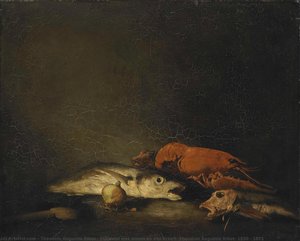
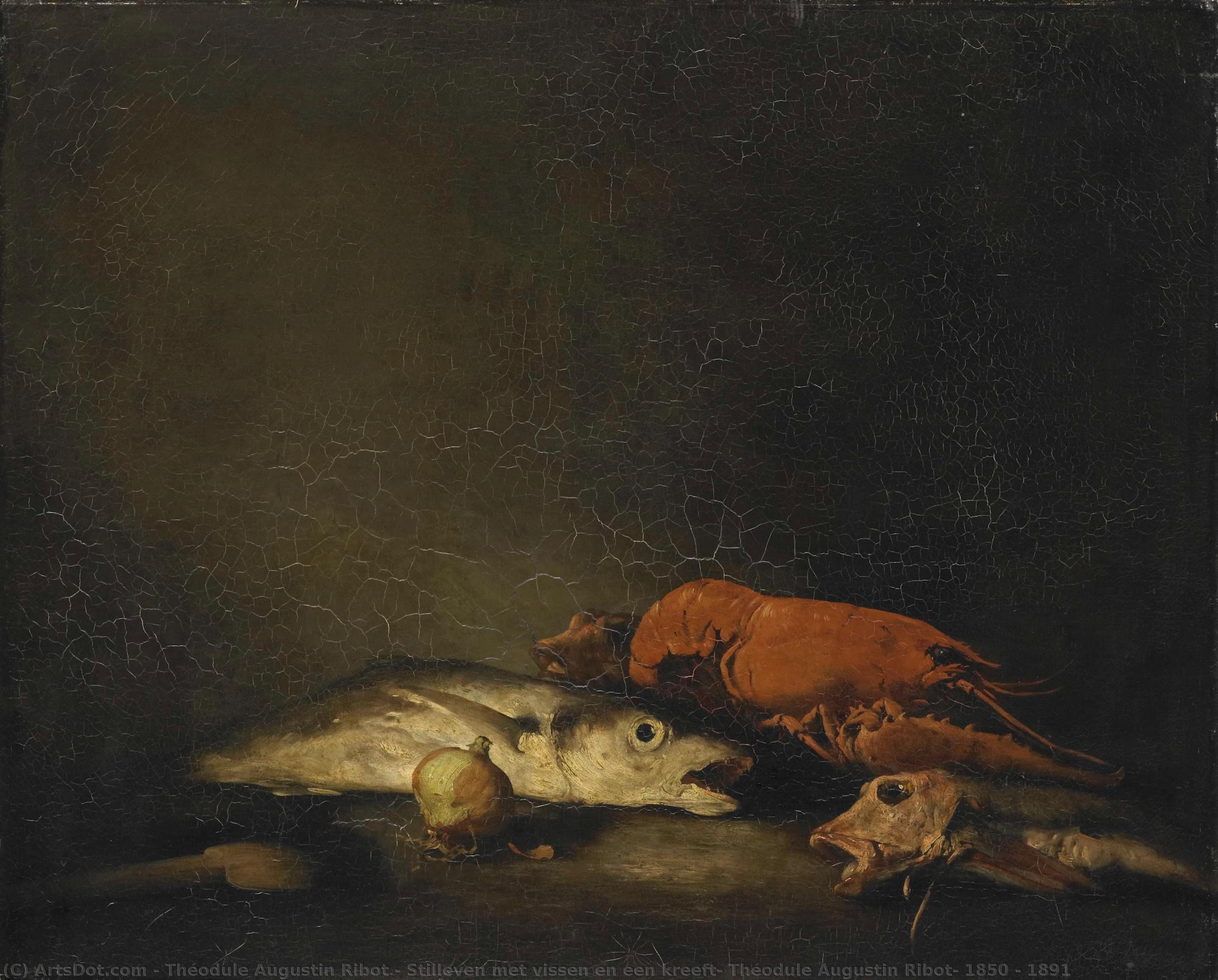
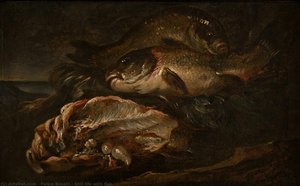
Stilleven met vissen en een kreeft, Théodule Augustin Ribot, 1850 - 1891
 1891
1891 60.0 x 74.0 cm
 Read More
Giclée / Art Print
Museum-quality giclée or canvas print with fast production and flexible finish options. ( Buy Hand Made Painting Buy Image)




































Pick from our preset sizes that match the artwork's original proportions.

You may enter your own dimensions to fit a specific frame or space. If your selected size does not match the original image's proportions, we will either crop the artwork or extend the image with a mirrored or solid-fill edge. A digital mockup will be sent for your approval before production begins.
Please note that the on-screen preview does not reflect the actual cropping or extension. Only the mockup will accurately show the final composition.
While custom sizes are available, we recommend selecting a dimension from the predefined list to preserve the original proportions.
Worldwide Delivery () in 2 weeks instead of standard 4/5 weeks. (1 September)

Free Worldwide Express Shipping

High-Quality Linen Canvas

Full Shipping Insurance

Customs Tax Refund Guarantee

True Color Matching Guarantee

60-Day Return Policy (Defects Only)

100% Money-Back Guarantee

Bulk Discount Offer
 Glass option is only available in size under 110 CM

Stilleven met vissen en een kreeft, Théodule Augustin Ribot, 1850 - 1891
Giclée / Art Print
Reproduction Size
-


Total Price
$ 63
Related Artworks





Artist Biography
The Dramatic Realism of Théodule Ribot
Théodule Augustin Ribot, born in Saint-Nicolas-du-Port, France in 1823, emerged as a pivotal figure in the mid-19th century French art world, bridging the gap between Romantic traditions and the burgeoning Realist movement. His canvases weren’t grand historical narratives or idealized portraits; instead, Ribot focused on the lives of ordinary people – laborers, beggars, street vendors – rendered with an unflinching honesty that both captivated and disturbed audiences accustomed to more polished depictions of reality. He wasn't merely *representing* these subjects but imbuing them with a profound sense of dignity and psychological depth. His early life offered little indication of the artistic path he would forge. Though his father was a painter, a minor figure specializing in theatrical scenery, Théodule initially pursued a career as a lithographer before dedicating himself fully to painting around 1840. This formative experience in printmaking undoubtedly influenced his meticulous attention to detail and his ability to capture fleeting moments with striking clarity.From Academic Training to Independent Vision
Ribot’s artistic education followed the conventional route of the time, studying under Michel Martin Drolling at the École des Beaux-Arts in Paris. He exhibited regularly at the Salon beginning in 1848, initially presenting works that adhered to academic standards – historical and mythological scenes executed with skillful technique but lacking a distinctive voice. However, his encounter with Gustave Courbet in the early 1850s proved transformative. Courbet’s radical embrace of Realism, his insistence on painting only what he could directly observe, resonated deeply with Ribot's own burgeoning artistic sensibilities. While never fully aligning himself with Courbet’s overtly political stance, Ribot began to shift his focus towards contemporary life, specifically the marginalized and often overlooked members of Parisian society. This period marked a conscious rejection of idealized beauty in favor of a more raw and authentic portrayal of human existence. He sought not to glorify or condemn his subjects but to present them as they were, stripped bare of pretense and sentimentality.A Master of Character and Atmosphere
Ribot’s mature style is characterized by its dramatic use of light and shadow – a technique he honed through careful study of the Old Masters, particularly Caravaggio and Rembrandt. His paintings often feature dimly lit interiors, crowded taverns, or bustling marketplaces, creating an atmosphere of both intimacy and tension. He was renowned for his ability to capture the psychological states of his subjects, conveying their weariness, resilience, and quiet desperation with remarkable subtlety. Works like “La Lecture de la République” (1860) and "Le Père Vigilant" (1862) exemplify this mastery. These are not simply genre scenes; they are penetrating studies of character, offering glimpses into the lives and inner worlds of working-class Parisians. His palette was typically somber, dominated by earth tones and muted colors, further enhancing the sense of realism and emotional weight. He employed a distinctive brushstroke – loose and expressive yet precise enough to define form and texture – that contributed to the immediacy and vitality of his compositions.Recognition and Legacy
Despite initial resistance from some Salon critics who found his subject matter vulgar or unsettling, Ribot gradually gained recognition for his unique artistic vision. He was awarded a medal at the 1867 Exposition Universelle and continued to exhibit successfully throughout his career. His influence extended beyond painting, inspiring writers and social commentators with his unflinching portrayal of urban life.- Influence on Naturalism: Ribot’s focus on contemporary life and his commitment to realism paved the way for the development of Naturalism in art and literature.
- Psychological Realism: His ability to capture the inner lives of his subjects anticipated the psychological depth explored by later artists like Degas and Manet.
- A Bridge Between Movements: He successfully blended Romantic drama with Realist observation, creating a distinctive style that resonated with audiences seeking a more honest representation of the world around them.