 Preview
 Send
Send Share
Share
 Details

 Download
 Similars
 X-Ray
X-Ray Diaporama
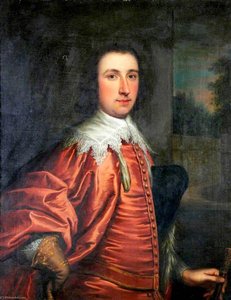
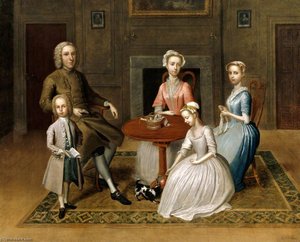
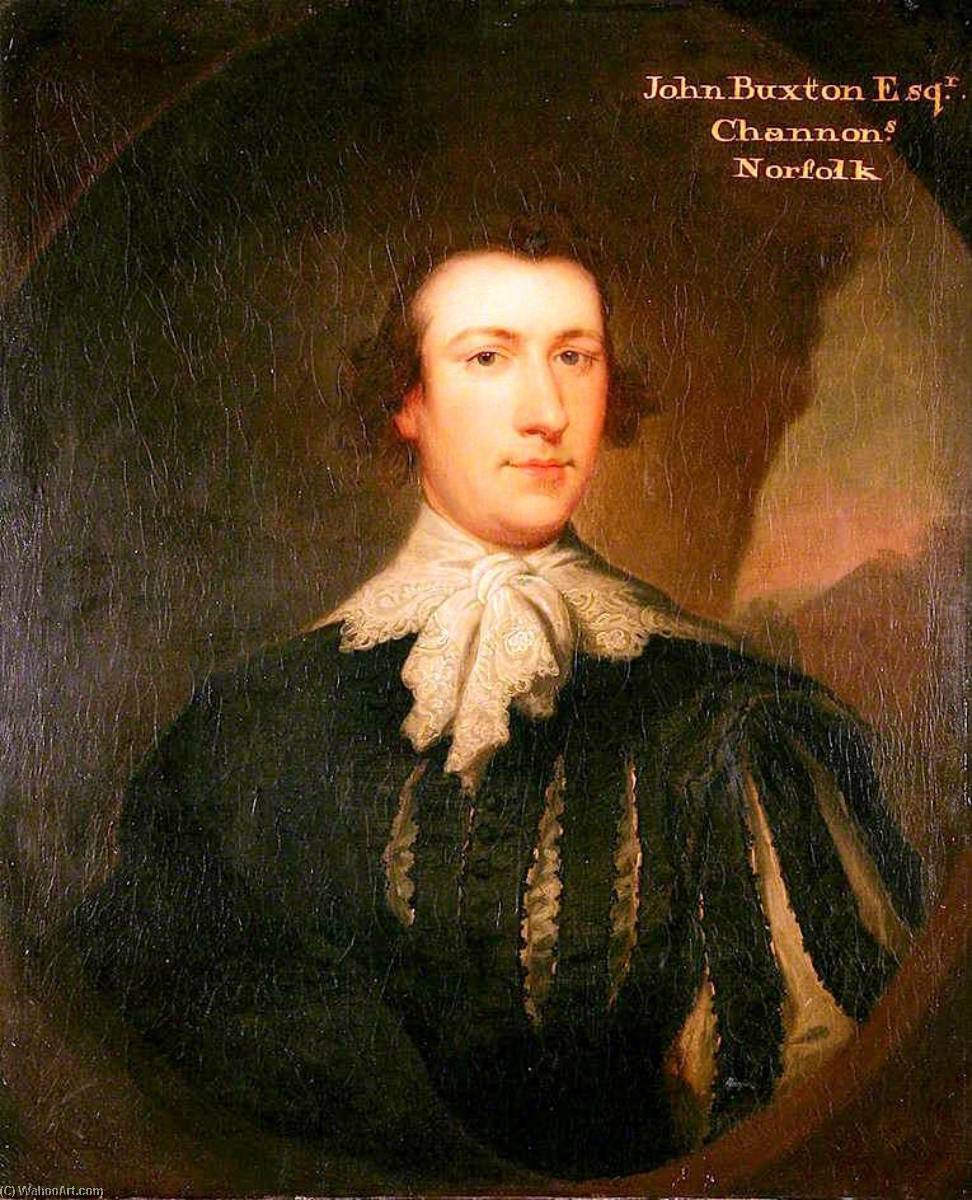
John Buxton of Channonz
 Oil On Canvas
- WallArt
- Neoclassicism
 1750
1750- Early Modern
 76.0 x 63.0 cm
 Norwich Castle Museum And Art Gallery
 Read More
Hand Made Oil Reproduction
Hand-painted oil on canvas in your size and frame, made to order by our artists. ( Buy Print Buy Image)




P118B $10

P118H $10

P118W $10

P438Z $10

P508JH $12

P508YH $12

P805H $10

P805Z $10

P919BZ $10

P919G $10

P919XJ $10

P959ZH $10

P968JZ $12

W106C $8

W218G $10

W218JH $8

W218Y $10

W307PJ $10

W316G $10

W316PJ $8

W316Y $10

W398PJ $8

W4111J $10

W500HY $15

W500JH $15

W692G $12

W849H $8

W940BG $15

W953PJ $8




Pick from our preset sizes that match the artwork's original proportions.

You may enter your own dimensions to fit a specific frame or space. If your selected size does not match the original image's proportions, we will either crop the artwork or extend the painting with additional hand-painted elements. A digital mockup will be sent for your approval before production begins.
Please note that the on-screen preview does not reflect the actual cropping or extension. Only the mockup will accurately show the final composition.
While custom sizes are available, we recommend selecting a dimension from the predefined list to preserve the original proportions.
After order, ArtsDot.com team will email client for instructions and provide a mockup preview
Worldwide Delivery () in 3/4 weeks instead of standard 5 weeks. (17 August). No compromise on quality.

Free Worldwide Express Shipping

High-Quality Linen Canvas

Full Shipping Insurance

Customs Tax Refund Guarantee

True Color Matching Guarantee

60-Day Return Policy (Defects Only)

100% Money-Back Guarantee

Bulk Discount Offer
 Glass option is only available in size under 110 CM

John Buxton of Channonz
Reproduction Medium
Reproduction Size
-


Total Price
$ 263
Artwork Description
A Glimpse into Eighteenth-Century Elegance
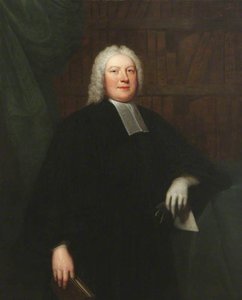
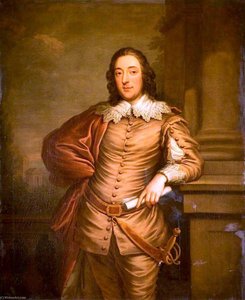
In the quiet, dignified presence of John Buxton of Channonz, we encounter more than just a portrait; we step into the refined atmosphere of the mid-18th century. Painted by the skilled hand of Thomas Bardwell, this oil on canvas serves as a window into an era defined by Neoclassical grace and the subtle assertion of social standing. The subject, a man of notable character, is presented with a meticulous attention to detail that captures both his physical likeness and the quiet authority of his station. Clad in a somber yet sophisticated black suit, contrasted sharply by a crisp white collar and an elegant bow tie, Buxton embodies the poised restraint of the landed gentry. His well-groomed beard and mustache lend him an air of seasoned wisdom, inviting the viewer to contemplate the life and legacy of a man born into a world of tradition and burgeoning prosperity.
The artistry of Bardwell shines through in the masterful application of oil, where texture and light dance across the canvas to create a profound sense of depth. While the portrait is fundamentally an intimate study of a single individual, the artist has thoughtfully integrated a backdrop of distant, undulating mountains. This inclusion of landscape does more than provide a scenic relief; it introduces a sense of permanence and grandeur, suggesting that the subject’s influence and roots are as enduring as the earth itself. The interplay between the dark, structured tones of the sitter's attire and the soft, atmospheric haze of the distant peaks creates a visual harmony that is both captivating and soothing to the eye.
Mastery of Technique and Historical Resonance
To appreciate this work is to understand the evolution of Thomas Bardwell himself. Emerging from a background in decorative arts and painted panels, Bardwell brought a unique, craftsman-like precision to his portraiture. This foundation is evident in the way he handles the fine details—the delicate fold of a collar, the subtle sheen on a fabric, and the nuanced shadows that define the contours of a face. His ability to transition from functional embellishments to the profound emotional depth required for high-society portraiture marks him as a significant figure of his time. This piece, currently held in the prestigious Norwich Castle Museum And Art Gallery, stands as a testament to his ability to capture the very essence of character through disciplined brushwork.
For the discerning collector or interior designer, John Buxton of Channonz offers an unparalleled opportunity to introduce a sense of historical weight and classical beauty into a contemporary space. The painting’s palette—rich in deep blacks, luminous whites, and earthy landscape tones—makes it a versatile centerpiece capable of anchoring a room with its quiet strength. Whether placed in a formal study, a library, or a curated gallery wall, a high-quality reproduction of this masterpiece brings with it the prestige of the 1750s. It is an invitation to surround oneself with art that does not merely decorate a wall but tells a story of heritage, dignity, and the timeless allure of the human spirit.
Related Artworks
Artist Biography
Early Life and Apprenticeship
Thomas Bardwell, born in 1704, emerged from a family deeply rooted in the decorative arts rather than the established world of fine painting. His initial foray into artistry wasn’t through formal training but within the practical demands of his family's business in Bungay, Suffolk. He began by crafting painted panels – functional embellishments that nonetheless required a keen eye for composition and color. This early experience, though seemingly humble, laid a crucial foundation for his later success. It instilled in him a meticulous approach to craft and an understanding of the visual impact of imagery, even before he consciously aspired to be a portraitist. The earliest documented works, conversation pieces from 1736 – notably one potentially depicting the Brewster family of Beccles now held by the Geffrye Museum – offer glimpses into this formative period. These paintings, intimate scenes capturing familial life, reveal an emerging talent for characterization and narrative detail, hinting at a sensibility that would blossom in his more ambitious commissions.Breaking New Ground in Norwich
Bardwell’s trajectory took a significant turn in 1746 when he secured a commission from the Artillery Company of Norwich to paint William Crowe, who was soon to become mayor. This wasn't merely another portrait; it represented a challenge to the established artistic order within the city. Until then, John Theodore Heins, a German-born artist, had held a virtual monopoly on civic portraiture in Norwich. Bardwell’s success in capturing Crowe’s likeness – and securing this prestigious commission – effectively broke that hold, marking him as a formidable new presence on the local art scene. This initial triumph led to a series of nine portraits for St Andrew's Hall in Norwich, solidifying his reputation and establishing a distinctive style favored by the city’s prominent citizens. He wasn’t simply painting faces; he was becoming an integral part of documenting Norwich society itself.London Commissions and Allegorical Depth
The 1740s and 50s saw Bardwell extend his reach to London, where he undertook a variety of portrait commissions. However, it was during this period that he ventured beyond straightforward representation, demonstrating an ambition for more complex allegorical works. Joshua Ward Receiving Money from Britannia (and bestowing it as charity on the needy), painted in 1748 and now residing within the Royal College of Surgeons’ collection, stands as a prime example. This painting isn't just a portrait of Dr. Joshua Ward; it’s a carefully constructed visual narrative. The symbolic figures of Britannia and Charity flanking Ward, coupled with the throng of grateful patients, elevate the work beyond mere likeness to a celebration of philanthropy and civic virtue. An engraving after this piece, likely by Bernard Baron, further disseminated his imagery and influence. This period reveals Bardwell's growing sophistication in using symbolism to imbue his portraits with deeper meaning, moving him away from purely descriptive representation towards works that actively engaged with moral and social themes.Yorkshire, Scotland, and a Return to Norwich
Bardwell’s artistic journey wasn’t confined to the south of England. Between 1752 and 1753, he embarked on an extensive series of commissions in Yorkshire and Scotland, broadening his exposure to different patrons and regional styles. This period likely influenced his technique and further refined his ability to adapt to diverse aesthetic preferences. However, by 1759, Bardwell made the decision to settle permanently in Norwich. He became a central figure within the city’s artistic community, celebrated for his skill and dedication. An obituary published in a local newspaper lauded him as “an eminent portrait painter…who principally through the power of genius and dint of application, acquired a degree of perfection in his art.”Legacy and Theoretical Contributions
Bardwell’s impact extended beyond the canvas. In 1756, he published The Practice of Painting and Perspective Made Easy, a 64-page treatise dedicated to the Earl of Rochford. This work wasn't merely a technical manual; it reflected his own artistic philosophy and offered practical guidance for aspiring painters. It demonstrates a commitment to sharing his knowledge and promoting the art of painting beyond his immediate circle. According to a general history of Norfolk published in 1829, “the best of his portraits are at Langley,” with works by Turner and Carr also noted as holding historical subjects painted by Bardwell. While perhaps not achieving the widespread fame of some of his contemporaries, Thomas Bardwell carved out a significant niche for himself as a skilled portraitist, a breaker of artistic monopolies, and a thoughtful contributor to the discourse surrounding painting in 18th-century England. His legacy resides not only in the faces he captured but also in the enduring quality of his craftsmanship and his dedication to elevating the art of portraiture within his community.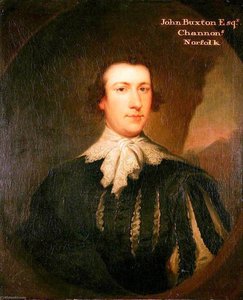
thomas bardwell
1704 - 1767
Quick Facts
- Artistic Movement Or Style: Portraiture
- Artists Or Movements Influenced By This Artist: ['Romanticism']
- Artists Who Influenced This Artist: ['John Theodore Heins']
- Date Of Death: 1767
- Full Name: Thomas Bardwell
- Nationality: English
- Notable Artworks:
- Joshua Ward Receiving Money from Britannia
- Sir Thomas Churchman
- Place Of Birth: Bungay, Suffolk
Related Articles
John Singer Sargent's 25 Masterpieces: Portraits & Beyond | ArtsDot
Explore 25 iconic John Singer Sargent paintings – from dazzling portraits to Impressionist landscapes. Discover the stories behind Madame X, El Jaleo & more! Find museum-quality art reproductions and elevate your home decor with ArtsDot.com.

John Constable's Masterpieces: Explore 25 Iconic Landscapes for Your Home
Journey through John Constable's 25 most celebrated landscapes. Explore Romanticism, Dedham Vale & his masterful use of light in iconic paintings like 'Hay Wain'. Find museum-quality art reproductions and elevate your home decor on ArtsDot.com.

The Enduring Legacy of Oil on Canvas: Technique, History & Aesthetic Impact
Explore the rich history & techniques of oil painting – from Renaissance masters to Impressionism. Discover pigments, layering methods, and why this timeless medium endures. Expert insights for artists & art enthusiasts.

Oil on Canvas: A Historical & Technical Exploration of a Timeless Artistic Medium
Explore the rich history & enduring techniques of oil painting on canvas. Discover the science behind its longevity, conservation practices, and contemporary relevance. Expert insights for art enthusiasts.

The Enduring Power of Painting: A Historical & Contemporary Exploration of Form and Emotion
Explore the rich history & enduring techniques of oil painting with ArtsDot. Discover masterpieces, learn about art collecting, and find authentic handmade reproductions crafted by skilled artists.