 Preview
 Send
Send Share
Share
 Details

 Download
 Similars
 X-Ray
X-Ray Diaporama
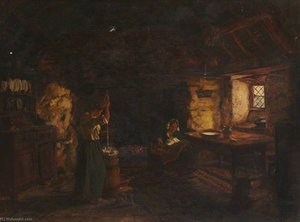
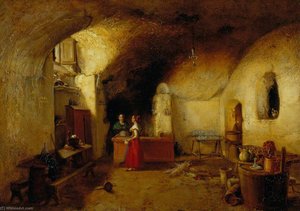
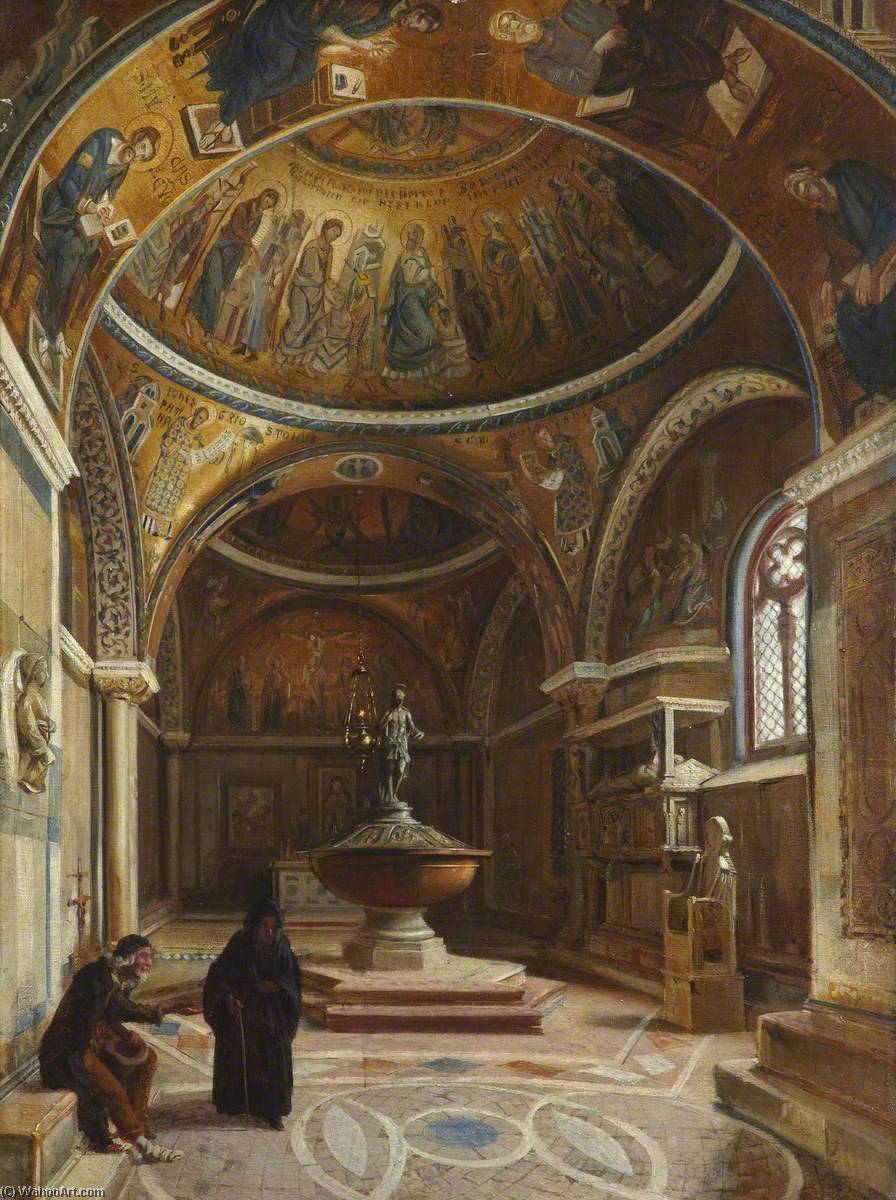
Interior of San Marco, Venice
 Oil
Oil- WallArt
- Romanticism
 1845
1845- 19th Century
 42.0 x 39.0 cm
 The Stirling Smith Art Gallery - Museum
 Read More
Hand Made Oil Reproduction
Hand-painted oil on canvas in your size and frame, made to order by our artists. ( Buy Print Buy Image)




P118B $10

P118H $10

P118W $10

P438Z $10

P508JH $12

P508YH $12

P805H $10

P805Z $10

P919BZ $10

P919G $10

P919XJ $10

P959ZH $10

P968JZ $12

W106C $8

W218G $10

W218JH $8

W218Y $10

W307PJ $10

W316G $10

W316PJ $8

W316Y $10

W398PJ $8

W4111J $10

W500HY $15

W500JH $15

W692G $12

W849H $8

W940BG $15

W953PJ $8




Pick from our preset sizes that match the artwork's original proportions.

You may enter your own dimensions to fit a specific frame or space. If your selected size does not match the original image's proportions, we will either crop the artwork or extend the painting with additional hand-painted elements. A digital mockup will be sent for your approval before production begins.
Please note that the on-screen preview does not reflect the actual cropping or extension. Only the mockup will accurately show the final composition.
While custom sizes are available, we recommend selecting a dimension from the predefined list to preserve the original proportions.
After order, ArtsDot.com team will email client for instructions and provide a mockup preview
Worldwide Delivery () in 3/4 weeks instead of standard 5 weeks. (17 August). No compromise on quality.

Free Worldwide Express Shipping

High-Quality Linen Canvas

Full Shipping Insurance

Customs Tax Refund Guarantee

True Color Matching Guarantee

60-Day Return Policy (Defects Only)

100% Money-Back Guarantee

Bulk Discount Offer
 Glass option is only available in size under 110 CM

Interior of San Marco, Venice
Reproduction Medium
Reproduction Size
-


Total Price
$ 263
Artwork Description
A Vision of Venetian Grandeur
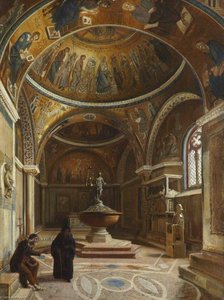
In the mid-19th century, as the world began to grapple with the rapid onset of industrialization, certain artists sought refuge in the timeless, golden echoes of the past. Thomas Stuart Smith, a master of bridging Romantic idealism with meticulous observation, captures this very essence in his 1845 masterpiece, Interior of San Marco, Venice. This painting is not merely a depiction of a cathedral; it is an invitation into a sacred atmosphere where light and architecture perform a silent, eternal dance. The viewer is immediately drawn upward by the sweeping majesty of the great dome, where intricate murals bloom like celestial gardens against the stone, reminding us of the profound human desire to touch the divine through art.
The composition masterfully balances the overwhelming scale of Venetian architecture with intimate, human moments. Amidst the vastness of the basilica, Smith places subtle figures—a solitary soul seated in the lower corner and another drifting near the periphery—which serve to ground the grandeur in reality. These small, quiet presences provide a sense of scale, making the soaring arches feel even more monumental. A central bowl, perhaps an offering or a decorative relic, sits as a focal point of stillness, anchoring the eye amidst the complex textures of the mosaic and marble. This careful arrangement creates a profound emotional resonance, evoking a sense of reverence, peace, and the quiet awe one feels when standing within a space shaped by centuries of devotion.
Technique and the Romantic Spirit
Smith’s technique in this work reflects his unique ability to marry scientific precision with the emotive power of the Romantic movement. Through delicate brushwork, he captures the way light filters through the high apertures of San Marco, illuminating the gilded surfaces and casting soft, atmospheric shadows that give the interior a palpable depth. The play of light on the various textures—from the cold, smooth marble to the rich, pigment-heavy murals—demonstrates a sophisticated understanding of luminosity. For the discerning collector or interior designer, this piece offers more than just visual beauty; it provides a window into a bygone era of craftsmanship and spiritual splendor.
Integrating such a work into a contemporary space allows for a sophisticated dialogue between history and modernity. Whether placed in a grand library, a formal dining room, or a curated gallery wall, this reproduction serves as a powerful conversation piece. It brings the warmth of Venetian gold and the contemplative stillness of 19th-century Europe into the home, offering an enduring sense of elegance and cultural depth. To possess this painting is to hold a fragment of Venice's historic heart, preserving the light of San Marco within one's own private sanctuary.
Related Artworks

Artist Biography
The Quiet Grandeur of Thomas Stuart Smith
Thomas Stuart Smith (1815–1869) remains a singular and evocative figure in the tapestry of Scottish art history, a painter who possessed the rare ability to bridge the sweeping emotional heights of Romanticism with the tender, grounded intimacy of everyday observation. Born into a life shaped by unconventional circumstances—as the illegitimate nephew of Alexander Smith, whose estate at Glassing all near Dunblane provided a backdrop of intellectual and landed prestige—Smith’s early years were marked by a cosmopolitan breadth. His formative travels through France and his subsequent return to England allowed him to absorb the shifting currents of European aesthetics, fostering a perspective that was as much about scientific inquiry as it was about artistic passion.
His life and work were deeply embedded in the transformative atmosphere of the Victorian era. While many of his contemporaries sought to capture the monumental shifts of industrialization through heroic narratives, Smith turned his gaze inward and toward the hearth. He found profound meaning in the subtle nuances of domesticity, capturing Welsh interiors bathed in a soft, diffused light and kitchens brimming with the vibrant textures of fresh produce. His canvases served as windows into the human experience, where the psychological depth of a portrait was just as significant as the atmospheric weight of a landscape.
A Synthesis of Realism and Romanticism
The brilliance of Smith’s technique lies in his masterful synthesis of seemingly opposing movements. He was deeply moved by the Pre-Raphaelite Brotherhood, drawing inspiration from the meticulous botanical accuracy and atmospheric precision championed by masters such as John Everett Millais and William Holman Hunt. This influence is visible in his commitment to truthful observation; he approached the natural world with a keen eye for detail that honored the integrity of every leaf, shadow, and fabric fold.
Yet, beneath this layer of meticulous realism lay a heart steeped in Romanticism. Smith did not merely document reality; he sought to evoke mood. Through innovative experimentation with light and perspective, he infused his scenes with a sense of longing and sublime emotion. His work often oscillates between the following elements:
- The Intimate: A focus on the quiet, unobserved moments of daily life and social commentary.
- The Atmospheric: The use of light to create a sense of temporal depth and emotional resonance.
- The Observational: A rigorous dedication to the textures and botanical truths of the natural world.
Legacy and Philanthropic Spirit
Beyond his contributions to the canvas, Thomas Stuart Smith left an indelible mark on the cultural landscape of Scotland through his commitment to education and the preservation of art. His legacy is perhaps most tangibly felt through his role as the founder of the Stirling Smith Art Gallery and Museum. This act of philanthropy ensured that the beauty he sought to capture would remain accessible to future generations, cementing his name not just as a creator of images, but as a guardian of heritage.
In the history of nineteenth-century art, Smith stands as a bridge between eras. He navigated the transition from the grand, idealized visions of the early century to the more grounded, socially conscious realism that would define much of the later Victorian period. His ability to find the extraordinary within the ordinary continues to resonate, reminding us that the most profound truths are often found in the quietest corners of our existence.
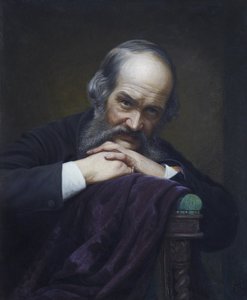
Thomas Stuart Smith
1815 - 1869
Quick Facts
- Artistic Movement Or Style: Romanticism
- Date Of Birth: 1815
- Date Of Death: 1869
- Full Name: Thomas Stuart Smith
- Nationality: Scottish
- Notable Artworks:
- Sun through the Mist
- Work in the Kitchen
- Place Of Birth: Scotland
Related Articles

Elevating Interiors: How Murals are Redefining Kitchens and Bathrooms
Transform your kitchen & bathroom with stunning murals! Explore design trends, durable materials & expert advice. Elevate your interiors with 's bespoke mural solutions.
Anchoring Interior Design with Murals: A Comprehensive Guide for Hotel Designers
Elevate your hotel's design with impactful murals! Our expert guide explores anchoring interior spaces, thematic storytelling & durable solutions for luxury hospitality. Discover bespoke art options & elevate the guest experience.

From Jungle Scenes to Gold Leaf Geometry: A Guide to Today's Most Requested Mural Styles
Explore today's top mural styles for hotels & commercial spaces! Discover trends, expert insights, & custom design solutions. Elevate your space with .

Transforming Spaces: How Custom Murals Forge Brand Identity & Enhance Customer Experience
Elevate your brand & spaces with custom murals. Explore expert insights on design, artists, materials & installation. Transform environments – discover 's bespoke solutions.

Elevating Entryways: Transforming Foyers with Artful Murals - A Designer's Guide
Transform your foyer with stunning murals! Explore design trends, artist insights & expert advice for creating a memorable entryway. Discover custom mural solutions at .