 Preview
 Send
Send Share
Share
 Details

 Download
 Similars
 X-Ray
X-Ray Diaporama
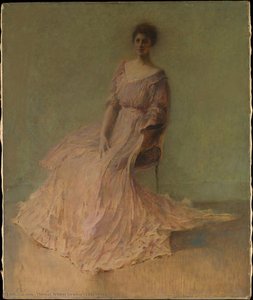
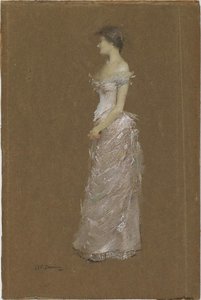
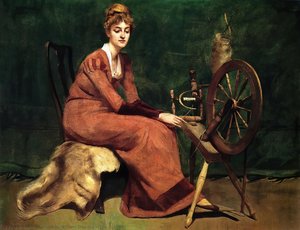
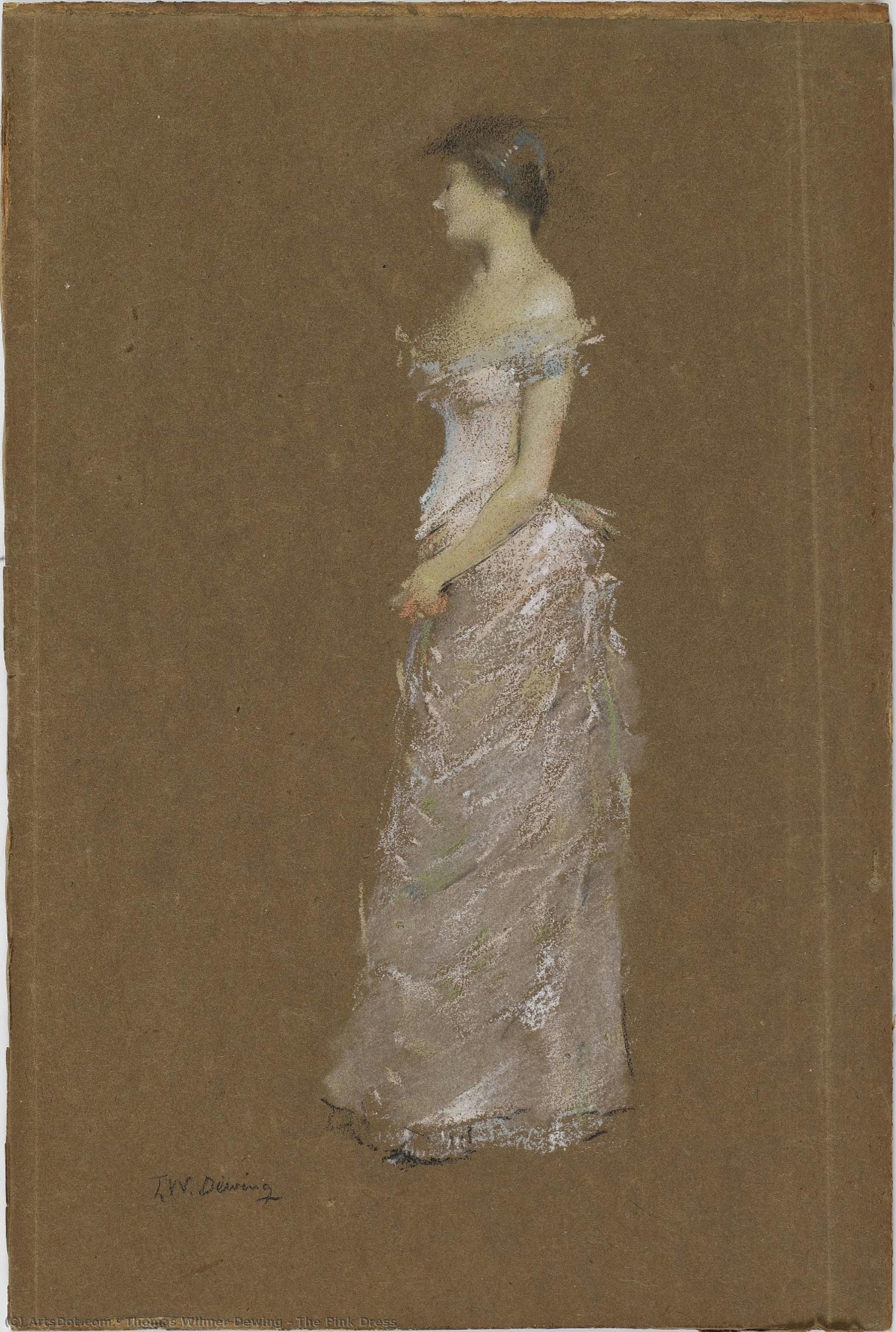
The Pink Dress
 Acrylic On Canvas
- WallArt
- Barbizon School
 1894
1894- 19th Century
 The Smithsonian’s National Museum of Asian Art
 Read More
Hand Made Oil Reproduction
Hand-painted oil on canvas in your size and frame, made to order by our artists. ( Buy Print Buy Image)




P118B $10

P118H $10

P118W $10

P438Z $10

P508JH $12

P508YH $12

P805H $10

P805Z $10

P919BZ $10

P919G $10

P919XJ $10

P959ZH $10

P968JZ $12

W106C $8

W218G $10

W218JH $8

W218Y $10

W307PJ $10

W316G $10

W316PJ $8

W316Y $10

W398PJ $8

W4111J $10

W500HY $15

W500JH $15

W692G $12

W849H $8

W940BG $15

W953PJ $8




Pick from our preset sizes that match the artwork's original proportions.

You may enter your own dimensions to fit a specific frame or space. If your selected size does not match the original image's proportions, we will either crop the artwork or extend the painting with additional hand-painted elements. A digital mockup will be sent for your approval before production begins.
Please note that the on-screen preview does not reflect the actual cropping or extension. Only the mockup will accurately show the final composition.
While custom sizes are available, we recommend selecting a dimension from the predefined list to preserve the original proportions.
After order, ArtsDot.com team will email client for instructions and provide a mockup preview
Worldwide Delivery () in 3/4 weeks instead of standard 5 weeks. (16 August). No compromise on quality.

Free Worldwide Express Shipping

High-Quality Linen Canvas

Full Shipping Insurance

Customs Tax Refund Guarantee

True Color Matching Guarantee

60-Day Return Policy (Defects Only)

100% Money-Back Guarantee

Bulk Discount Offer
 Glass option is only available in size under 110 CM

The Pink Dress
Reproduction Medium
Reproduction Size
-


Total Price
$ 263
Artwork Description
The Enigmatic Pink Dress: A Portrait of Quietude by Thomas Wilmer Dewing
Thomas Wilmer Dewing’s “The Pink Dress,” painted in 1894, isn't merely a depiction of a woman in attire; it’s an immersion into a fleeting moment of serene contemplation. This captivating work, now residing within the Smithsonian Institution’s National Museum of Asian Art, immediately draws the viewer into its softly rendered world—a realm where light and shadow dance across pastel hues and a subtle narrative unfolds without explicit words.
Dewing, a prominent figure in the American tonalist movement, masterfully employed a technique reminiscent of the Impressionists while retaining a distinctly American sensibility. He eschewed sharp outlines and dramatic contrasts, instead favoring delicate gradations of color to create an atmosphere of hazy beauty. The painting’s palette—a symphony of blush pinks, creams, and muted blues—evokes a sense of twilight or early morning, lending the scene an ethereal quality. Dewing's skill lies in his ability to capture not just the visual appearance but also the *feeling* of a moment, imbuing it with a quiet emotional resonance.
A Woman Lost in Thought
The subject herself is presented with remarkable restraint. A woman, her face partially obscured by shadow and turned slightly downward, stands on a simple sidewalk. Her posture suggests a deep inward focus—a lost thought or a private reflection. She wears a long, flowing pink dress, its vertical stripes subtly emphasizing the elegance of her form. The dress isn’t overtly glamorous; rather, it contributes to the overall sense of understated beauty and quiet dignity.
Dewing's choice to depict her looking downward is particularly significant. It invites speculation about her thoughts and feelings, creating a powerful connection between the viewer and the subject. There’s no overt drama or narrative conflict; instead, we are presented with a portrait of solitude—a woman simply *being*, lost in her own world.
Historical Context and Artistic Influences
Painted during the late 19th century, “The Pink Dress” reflects the broader artistic trends of its time. The tonalist movement, which Dewing championed, reacted against the academic realism prevalent in earlier art movements. Tonalists sought to capture the essence of a scene through subtle color variations and atmospheric effects, prioritizing mood and emotion over precise detail. Dewing’s work was also influenced by the Pre-Raphaelites, particularly their interest in romantic themes and idealized beauty—though he tempered this influence with his own distinctive style.
Interestingly, the painting's provenance reveals a fascinating connection to Charles Lang Freer, a renowned art collector who amassed an extraordinary collection of American Impressionist and tonalist paintings. His acquisition of “The Pink Dress” in 1894 underscores its significance within the artistic landscape of the period.
Symbolism and Emotional Resonance
Beyond its technical mastery, "The Pink Dress" is rich in symbolic meaning. The pink dress itself can be interpreted as a symbol of femininity, grace, and perhaps even vulnerability. The sidewalk setting suggests a transitional space—a moment between destinations, a pause in the flow of life. The woman’s averted gaze invites us to contemplate our own inner worlds and the quiet moments of reflection that shape our lives.
Ultimately, “The Pink Dress” is more than just a portrait; it's an invitation to slow down, observe, and appreciate the beauty of stillness. It remains a poignant reminder of the power of art to capture not just what we see but also what we feel—a testament to Thomas Wilmer Dewing’s extraordinary talent and his ability to evoke profound emotions through subtle brushstrokes and delicate color palettes.
Related Artworks
Artist Biography
**early life and training**
thomas wilmer dewing, an american painter, was born on may 4, 1851, in boston, massachusetts. his artistic journey began with a lithographic apprenticeship, which later led him to the prestigious académie julian in paris, where he studied under gustave boulanger and jules lefebvre starting from 1887.**artistic style and notable works**
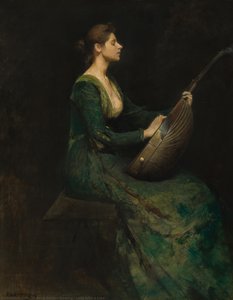
dewing's artistic style is characterized by his tonalist paintings, a genre deeply rooted in english aestheticism. his preferred subjects were aristocratic women, often depicted in moody, dreamlike surroundings, playing instruments or engaging in introspective activities. * **woman in black: portrait of maria oakey dewing** (1887), a poignant oil on panel, showcases his wife, an accomplished painter with extensive formal art training. * **lady in gold** (1912), now at the brooklyn museum, exemplifies his mastery of capturing the essence of his subjects.**teaching and associations**
dewing was a founding member of the ten american painters in 1898 and taught at the art students league of new york. his association with the society of landscape painters, founded in 1899, further solidified his position within the tonalist movement.**legacy and collections**
* the freer gallery of art at the smithsonian institution has a dedicated room for dewing's works. * notable collectors include john gellatly and charles lang freer.- view thomas wilmer dewing's collection on ArtsDot
- more on thomas dewing at wikipedia
- explore the freer gallery of art at the smithsonian institution for more tonalist masterpieces.
**later life and death**
dewing's artistic output declined after 1920. he passed away in new york on november 5, 1938, leaving behind a legacy of captivating, ethereal portraits that continue to intrigue art enthusiasts. **key works and collections available for reproduction at ArtsDot:** * the white dress * woman in black: portrait of maria oakey dewing * lady in gold discover the world's most famous paintings with ArtsDot's extensive collection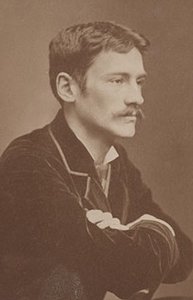
Thomas Wilmer Dewing
1851 - 1938 , United States of America
Quick Facts
- Artistic Movement Or Style: Tonalism, Aestheticism
- Artists Or Movements Influenced By This Artist: ['The Ten American Painters']
- Artists Who Influenced This Artist:
- Gustave Boulanger
- Jules Lefebvre
- James Whistler
- Johannes Vermeer
- Date Of Birth: May 4, 1851
- Date Of Death: November 5, 1938
- Full Name: Thomas Wilmer Dewing
- Nationality: American
- Notable Artworks:
- Woman in Black
- Lady in Gold
- Summer (Moonrise)
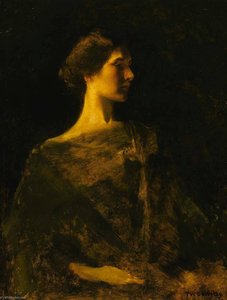
- Alma
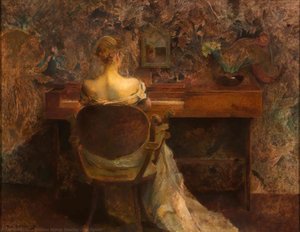
- The Spinet
- Place Of Birth: Boston, USA
Related Articles
Blush & Brilliance: 10 Iconic Paintings Dominated by Light Pink Tones |
Explore 10 iconic paintings bathed in captivating light pink tones! From Monet's Impressionism to Renoir’s romance, discover the stories behind these blush-hued masterpieces. Find museum-quality art reproductions & decor inspiration at .

Thomas Wilmer Dewing: Atmospheric Landscapes & the American Tonalist Vision
Explore the captivating world of Thomas Wilmer Dewing, a leading figure in American Tonalism. Discover his evocative paintings, artistic influences, and legacy with ArtsDot.

Crimson Threads of Narrative: Exploring Symbolism & Representation in Artworks Featuring the Red Dress
Explore the rich symbolism of the red dress in art history! From ancient power displays to iconic portraits like Cézanne’s 'Madame Cezanne', discover the cultural and artistic significance behind this captivating color. Expert analysis & insights.
Azure Visions: Exploring Representations of the Blue Dress in Western Art History
Explore the rich history of the blue dress in Western art! Discover its symbolism, from Renaissance masterpieces to modern interpretations by artists like Martin & Schiele. Uncover cultural meanings and artistic techniques.

Sir Edward Poynter: Aestheticism, Archaeology & Victorian Identity
Explore the captivating world of Sir Edward Poynter, a leading figure of Aestheticism & Victorian art. Discover his archaeological narratives, iconic paintings like 'Day Dream Fine,' and lasting influence on British art history.