 Preview
 Send
Send Share
Share
 Details

 Download
 Similars
 X-Ray
X-Ray Diaporama
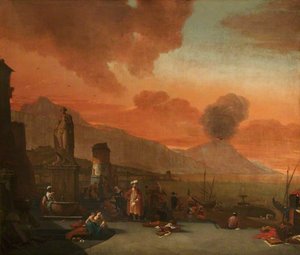
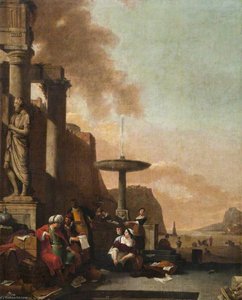
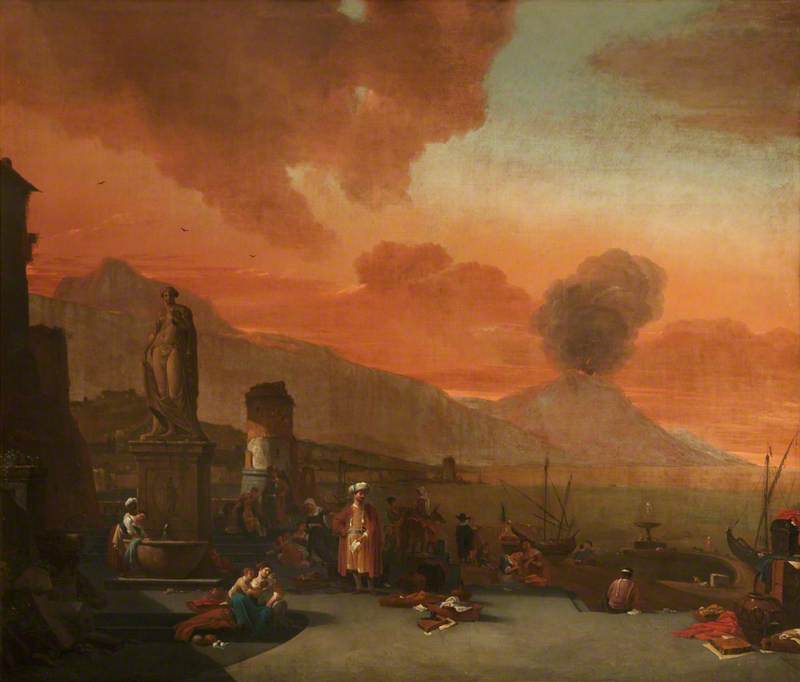
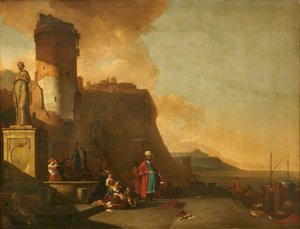
View of the Bay of Naples with Orientals and an Antique Statue
 Oil On Canvas
- WallArt
- Baroque
 1673
1673- Early Modern
 106.0 x 122.0 cm
 National Trust
 Read More
Hand Made Oil Reproduction
Hand-painted oil on canvas in your size and frame, made to order by our artists. ( Buy Print Buy Image)




P118B $10

P118H $10

P118W $10

P438Z $10

P508JH $12

P508YH $12

P805H $10

P805Z $10

P919BZ $10

P919G $10

P919XJ $10

P959ZH $10

P968JZ $12

W106C $8

W218G $10

W218JH $8

W218Y $10

W307PJ $10

W316G $10

W316PJ $8

W316Y $10

W398PJ $8

W4111J $10

W500HY $15

W500JH $15

W692G $12

W849H $8

W940BG $15

W953PJ $8




Pick from our preset sizes that match the artwork's original proportions.

You may enter your own dimensions to fit a specific frame or space. If your selected size does not match the original image's proportions, we will either crop the artwork or extend the painting with additional hand-painted elements. A digital mockup will be sent for your approval before production begins.
Please note that the on-screen preview does not reflect the actual cropping or extension. Only the mockup will accurately show the final composition.
While custom sizes are available, we recommend selecting a dimension from the predefined list to preserve the original proportions.
After order, ArtsDot.com team will email client for instructions and provide a mockup preview
Worldwide Delivery () in 3/4 weeks instead of standard 5 weeks. (31 August). No compromise on quality.

Free Worldwide Express Shipping

High-Quality Linen Canvas

Full Shipping Insurance

Customs Tax Refund Guarantee

True Color Matching Guarantee

60-Day Return Policy (Defects Only)

100% Money-Back Guarantee

Bulk Discount Offer
 Glass option is only available in size under 110 CM

View of the Bay of Naples with Orientals and an Antique Statue
Reproduction Medium
Reproduction Size
-


Total Price
$ 263
A Mediterranean Dream Captured in Canvas
Gaze upon this exquisite vision of the Bay of Naples, a scene that transports the viewer directly to an era of opulent leisure and artistic contemplation. The composition is alive with the gentle murmur of activity—the distant sails catching the sun, the figures gathered along the shore engaging in moments of quiet enjoyment. It is more than just a depiction of a beautiful vista; it is an immersion into a specific moment of Mediterranean grace, where human life intersects seamlessly with breathtaking natural grandeur.
The eye is naturally drawn to the central grouping, anchored by the presence of the antique statue. This classical element serves not merely as decoration but as a profound anchor to history, suggesting dialogues between the enduring beauty of antiquity and the fleeting pleasures of contemporary life. The inclusion of "Orientals" hints at the global reach of artistic fascination during this period, weaving threads of exoticism into the familiar tapestry of Italian coastal life.
Mastery in Light and Atmosphere
Painted around 1673 by Thomas Wyck, this work showcases a remarkable command over light. The technique employed allows the sunlight to bathe the scene with an almost palpable warmth, highlighting the textures of the water, the folds of the drapery, and the weathered stone of the statue. While the artist's biography suggests a connection to the meticulous draftsmanship characteristic of his time, here we see that skill deployed to capture atmosphere itself. The handling of the light is masterful; it sculpts the figures from the background haze, giving every element—from the nearest boat to the furthest horizon—a distinct presence.
For those considering a reproduction for your home or gallery, understanding this technical finesse is key. A high-quality hand-painted rendition will strive to replicate this luminous quality, allowing the piece to become a true focal point that seems to glow with its own captured sunlight.
Historical Echoes and Symbolism
The late 17th century was a period when art frequently blended idealized landscape with classical allusion. This painting perfectly encapsulates that confluence. The Bay of Naples itself, forever romanticized by artists, becomes a stage for human experience—a place where the wealthy could gather to admire both nature's bounty and the remnants of empires past. The statue symbolizes permanence; it whispers tales of gods and heroes long gone, standing sentinel over the ever-changing tide of human activity visible in the foreground.
The overall emotional impact is one of serene nostalgia. It speaks to a longing for timeless beauty—a perfect blend of culture, nature, and sophisticated leisure that continues to resonate with modern sensibilities seeking escape and refinement.
A Touch of Exoticism and Leisure
The figures themselves are studies in relaxed elegance. Their postures suggest conversation, contemplation, and the simple joy of being together in a sublime setting. The inclusion of diverse characters adds a layer of narrative complexity, inviting the viewer to imagine their stories. It is this sense of lived-in romance—the suggestion of whispered secrets over cool water—that makes the piece so captivating.
To bring this masterpiece into your space is to invite not just a painting, but an entire mood: one of sun-drenched afternoons, cultured conversation, and the enduring allure of the Mediterranean dream. It serves beautifully as a statement piece for drawing rooms or studies that appreciate historical depth alongside vibrant naturalism.
Related Artworks






Artist Biography
Carlo Dolci: A Florentine Master of Quiet Devotion
Carlo Dolci, born in Florence on May 25th, 1616, and passing away on January 17th, 1686, remains a fascinating figure within the history of Italian painting. Often overshadowed by the flamboyant Baroque masters of his era, Dolci carved out a unique niche for himself—a deeply personal and intensely devotional style that resonated powerfully with his contemporaries and continues to hold an understated allure today. His life was inextricably linked to Florence, the city he called home throughout his career, and his art reflects its rich cultural heritage, particularly the legacy of Florentine Renaissance painting combined with a profound sense of religious piety. Dolci’s artistic journey began under the tutelage of Jacopo Vignali, a respected painter in Florence. This early apprenticeship instilled in him a meticulous approach to draftsmanship and an understanding of traditional Florentine techniques. However, it was his association with the Medici court, particularly through the patronage of Grand Duchess Vittoria della Rovere, that truly shaped his artistic development. This connection afforded him access to luxurious materials and provided opportunities to refine his skills, but more importantly, it fostered a deep appreciation for beauty and a commitment to portraying religious subjects with sincerity and grace. Unlike many artists seeking fame and fortune in Rome, Dolci remained rooted in Florence, dedicating himself entirely to his craft and the pursuit of spiritual expression through painting. His workshop was known for its slow pace; Baldinucci famously noted that “Sometimes he would take weeks over a single foot,” highlighting the painstaking detail and deliberate slowness with which Dolci approached each work.A Style Defined by Subtlety and Light
Dolci’s distinctive style is immediately recognizable—a delicate balance of realism and idealization, characterized by soft, diffused light, muted colors, and an almost dreamlike atmosphere. He eschewed the dramatic contrasts and bold gestures favored by many of his contemporaries, opting instead for a quiet, contemplative approach. His compositions often feature solitary figures – typically Christ, the Virgin Mary, or saints – set within intimate interiors bathed in hazy light. These scenes are not overtly theatrical; rather, they invite the viewer into a space of serene contemplation and spiritual reflection. His palette is restrained, dominated by browns, ochres, and muted greens, creating a sense of stillness and timelessness. The enamel-like finish he achieved through meticulous layering of glazes contributed significantly to the luminous quality of his paintings. He was particularly adept at capturing the subtle nuances of light and shadow, imbuing his figures with an ethereal glow.Religious Themes and Personal Piety
Dolci’s artistic output is overwhelmingly devoted to religious subjects. His works are not grand narratives or dramatic depictions of miracles; instead, they focus on moments of quiet devotion, intimate encounters between the divine and humanity. He frequently depicted scenes from the life of Christ, the Virgin Mary, and various saints, always emphasizing their humility, piety, and spiritual grace. His paintings were intended to inspire contemplation and foster a sense of connection with the sacred. It’s important to note that Dolci himself was deeply devout, and this personal faith permeated his art. He famously stated that his intention was to paint only works that would “inspire the fruits of Christian piety in those who saw them.” This conviction shaped every aspect of his artistic practice, from the choice of subjects to the meticulous rendering of detail.Recognition and Legacy
During his lifetime, Dolci’s work was highly regarded in Florence, though it later fell out of favor with collectors and connoisseurs during the 19th century due to its perceived “overly sweet” nature. However, in recent decades, there has been a resurgence of interest in his art, driven by a renewed appreciation for his unique style and profound spirituality. His paintings are now recognized as significant examples of Florentine Baroque painting, offering a compelling alternative to the more flamboyant styles of the period. Sir John Finch, a physician who traveled to Florence, was particularly impressed by Dolci’s work, amassing a notable collection that is now housed in the Fitzwilliam Museum in Cambridge. His portraits, notably those of Finch and Thomas Baines, stand out for their sober objectivity—a stark contrast to the idealized representations common in other portraits of the time.Key Works and Influences
Some of Dolci’s most celebrated works include *The Pen*, a small but intensely evocative painting depicting a solitary figure illuminated by candlelight, and his numerous depictions of scenes from the life of Christ, such as *Abduction of Europa* and *Return of the Holy Family from Egypt*. His work was influenced by the traditions of Florentine Renaissance painting, particularly the works of Andrea del Sarto and Leonardo da Vinci. However, Dolci’s distinctive style—characterized by its quiet intimacy, diffused light, and profound spirituality—sets him apart from his predecessors. His legacy endures as a testament to the power of art to inspire contemplation and foster a deeper connection with the divine.
thomas wyck
1616 - 1677 , Netherlands
Quick Facts
- Artistic Movement Or Style: Florentine Baroque
- Artists Or Movements Influenced By This Artist:
- Rubens
- Baroque art
- Artists Who Influenced This Artist: ['Jacopo Vignali']
- Date Of Birth: May 25, 1616
- Date Of Death: Jan 17, 1686
- Full Name: Carlo Dolci
- Nationality: Italian
- Notable Artworks:
- Penitent Magdalene
- The Penitent Magdalen
- St. Lucy
- Place Of Birth: Florence, Italy
Related Articles
Decoding Baroque Grandeur: A Guide to the Drama and Emotion of 17th-Century Art
Explore the breathtaking drama of 17th-century Baroque art. Our expert guide decodes the use of chiaroscuro, emotional intensity, and historical grandeur to help you appreciate and curate timeless masterpieces for your collection.

Baroque Classicism: Reconciling Drama & Order in 17th-Century Art
Explore the captivating world of Baroque Classicism! Discover its history, key artists like Caravaggio & Rubens, and defining characteristics. Expert insights & high-quality reproductions at ArtsDot.

Baroque Masterpieces: 10 Paintings That Defined an Era |
Journey through the drama & grandeur of Baroque art! Explore 10 masterpieces by Caravaggio, Rembrandt, Rubens & more. Discover stunning oil paintings, rich colors & timeless stories. Find museum-quality reproductions at .

Baroque Drama: Bringing Opulence & Emotion into Contemporary Interiors
Explore the opulent world of Baroque interior design! Discover key elements, modern applications & how to bring dramatic elegance into your home with 's authentic reproductions.
Masterpieces of the 17th Century: Art, History & Decor Inspiration | ArtsDot
Journey through 17th century art with masterpieces by Rembrandt, Vermeer & Caravaggio. Explore Baroque paintings, Dutch Golden Age techniques & timeless beauty. Find museum-quality reproductions and elevate your home decor on ArtsDot.com.