

 Preview
 Send
Send Share
Share
 Details

 Download
 Similars
 X-Ray
X-Ray Diaporama
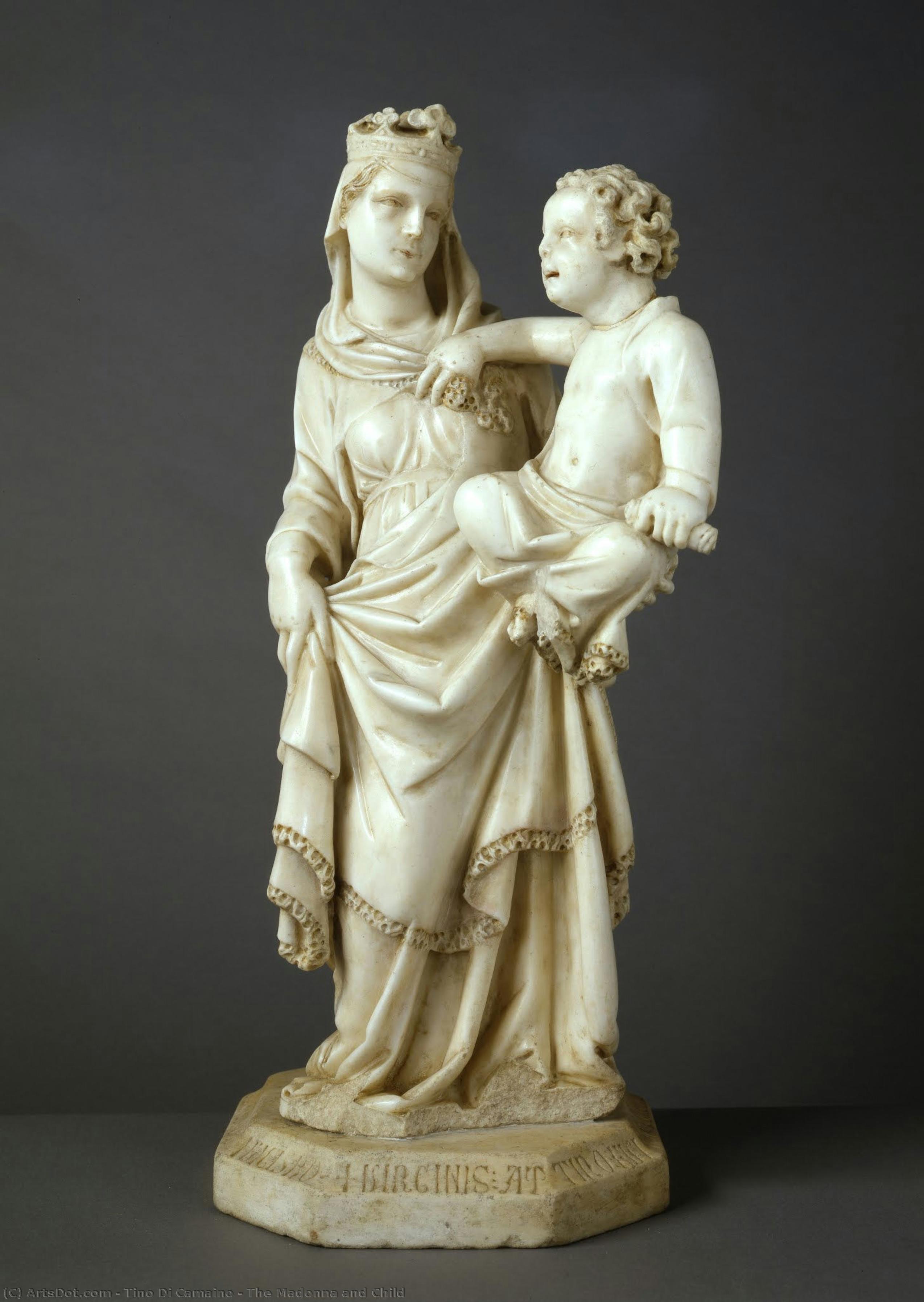
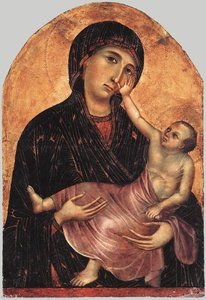
The Madonna and Child


 Read More
Purchase a high-resolution, enhanced digital image, far superior to the online preview.
Each file is meticulously prepared by our in-house specialists using advanced tools and expert manual retouching. We ensure every image has exceptional clarity, precise color accuracy, and fine detail.
The final file is delivered via email within 72 hours, optimized for immediate use in professional, editorial, and print environments. This is the same quality trusted by top-tier design studios, publishers, and galleries.
Digital Image
Download a high-resolution file for personal display, printing, and creative projects. ( Buy Print Buy Hand Made Painting)
Included in Every Digital Image Order
Expert Digital Delivery, Guaranteed
When you choose ArtsDot.com, you're not just getting an image - you're receiving a professionally enhanced digital artwork, crafted with precision and backed by a satisfaction guarantee. Here's everything that comes with your order, automatically:

Fast Email Delivery
Your high-resolution digital image file will be emailed to you within 72 hours of ordering - ready for immediate use.

AI-Enhanced Digital File
Your artwork is professionally optimized using advanced AI tools and manual editing, ensuring maximum detail, clarity, and color accuracy.

Free Lifetime Re-Delivery
Accidentally deleted or lost your file? No worries - we'll resend it to you anytime, free of charge.

No Import Fees - Ever
Enjoy your artwork instantly with zero customs, duties, or delivery fees - digital downloads are always tax-free.

Color Accuracy Guarantee
We ensure your digital image reflects the original colors as closely as possible using professional tools and color management.

60-Day Satisfaction Guarantee
If you're not satisfied with your digital image, we'll revise it or refund 100% within 60 days - no questions asked.

100% Money-Back Guarantee
Not satisfied? Get a full refund within 60 days of receiving your digital file - no questions asked.

Bulk Order Discounts
Buy 3 images, save 10% - Buy 5, save 15% - Buy 10+, save 20%. Great for creative projects, galleries, and agencies.
Collectible Description
Related Artworks
Artist Biography
The Sculptural Legacy of Tino di Camaino
Tino di Camaino stands as a towering figure in Sienese sculpture, embodying the spirit of the Early Renaissance and marking a crucial transition from Romanesque to Gothic artistic traditions. Born around 1285 in Siena, Italy, he was the son of the architect Camaino di Crescentino, a lineage that provided him with an early and profound understanding of architectural grandeur. His formative years were steeped in the structural complexities of his father’s projects, fostering an innate mastery of form and spatial relationships that would later define his sculptural endeavors. This unique upbringing allowed Tino to approach stone not merely as a medium for decoration, but as a fundamental component of architectural narrative.
The trajectory of Tino’s career was irrevocably shaped by his apprenticeship under Giovanni Pisano, one of the most influential sculptors of the era. From Pisano, Tino absorbed a mastery of monumental sculpture and embraced a stylistic approach characterized by realism and expressive emotion. He learned to utilize the dramatic interplay between light and shadow to convey psychological depth, a technique that would become a hallmark of his own oeuvre. This period of intense study allowed him to bridge the gap between the rigid traditions of the past and the burgeoning humanism of the coming centuries, establishing him as a disciple of innovation.
Mastery of Form and Monumental Achievement
Tino di Camaino’s reputation was cemented through his significant contributions to some of the most ambitious architectural projects of his time. His involvement in the construction of the Cathedral of Pisa allowed him to demonstrate an exceptional command of stone carving on a monumental scale. Working alongside masters like Pisano and Andrea Pisano, he contributed to the cathedral's façade, embodying the ideals of Gothic artistry through intricate reliefs and a sense of structural permanence. His ability to harmonize sculptural detail with large-scale architectural elements made him a sought-after artist for the most prestigious ecclesiastical commissions in Italy.
A defining characteristic of Tino’s work is his profound focus on funerary monuments, a genre that allowed him to explore themes of piety, memory, and spiritual transcendence. His sculptures were not merely memorials but complex narratives carved in stone. Notable examples include:
- The Monument of Bishop Antonio degli Orsi (1321): A stunning Romanesque sculpture located in Florence, this tomb showcases Tino's ability to blend Gothic artistry with a burgeoning classical realism. The intricate reliefs within this monument serve as a testament to his skill in capturing both the dignity of the deceased and the delicate textures of drapery and ornament.
- The Monument of Archbishop Guido Fontecchio (1327): This work further exemplifies his commitment to portraying human emotion and religious devotion through monumental stone carving.
- Charity (1323): A masterpiece that showcases classical beauty and intricate detail, utilizing a black and white palette to emphasize the purity and gravity of the subject matter.
Historical Significance and Artistic Evolution
The historical significance of Tino di Camaino lies in his role as a bridge between eras. While his work remains deeply rooted in the spiritual concerns of the medieval period, his pursuit of realism and emotional resonance prefigured the Renaissance. He moved away from the static, symbolic figures of the Romanesque style toward more dynamic, lifelike representations that engaged the viewer on a human level. Through his hands, the cold stone of the Sienese tradition began to breathe with a new, psychological vitality.
His legacy is found in the enduring power of his monuments, which continue to command reverence in the cathedrals and chapels of Italy. By integrating the structural discipline of architecture with the expressive potential of sculpture, Tino di Camaino created a lasting impact on the development of Italian art, ensuring that his name remains synonymous with the dawn of a new era in sculptural expression.
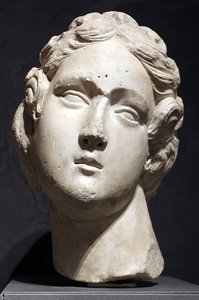
tino di camaino
1280 - 1337 , Italy
Quick Facts
- Artistic Movement Or Style: Romanesque Sculpture
- Artists Or Movements Influenced By This Artist: ['Medieval Art']
- Artists Who Influenced This Artist: ['Giovanni Pisano']
- Date Of Birth: c. 1280
- Date Of Death: c. 1337
- Full Name: Tino di Camaino
- Nationality: Italian
- Notable Artworks:
- Monument of Bishop Orsi
- Madonna and Child
- Place Of Birth: Siena, Italy

