 Preview
 Send
Send Share
Share
 Details

 Download
 Similars
 X-Ray
X-Ray Diaporama
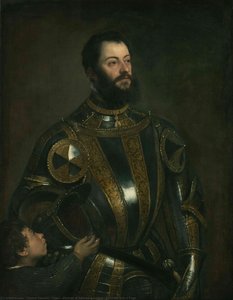
Antoine Perrenot de Granvelle
 Oil On Canvas
- WallArt
- High Renaissance
 1548
1548 113.0 x 87.0 cm
 Nelson-Atkins Museum of Art
 Read More
Hand Made Oil Reproduction
Hand-painted oil on canvas in your size and frame, made to order by our artists. ( Buy Print Buy Image)




P118B $10

P118H $10

P118W $10

P438Z $10

P508JH $12

P508YH $12

P805H $10

P805Z $10

P919BZ $10

P919G $10

P919XJ $10

P959ZH $10

P968JZ $12

W106C $8

W218G $10

W218JH $8

W218Y $10

W307PJ $10

W316G $10

W316PJ $8

W316Y $10

W398PJ $8

W4111J $10

W500HY $15

W500JH $15

W692G $12

W849H $8

W940BG $15

W953PJ $8




Pick from our preset sizes that match the artwork's original proportions.

You may enter your own dimensions to fit a specific frame or space. If your selected size does not match the original image's proportions, we will either crop the artwork or extend the painting with additional hand-painted elements. A digital mockup will be sent for your approval before production begins.
Please note that the on-screen preview does not reflect the actual cropping or extension. Only the mockup will accurately show the final composition.
While custom sizes are available, we recommend selecting a dimension from the predefined list to preserve the original proportions.
After order, ArtsDot.com team will email client for instructions and provide a mockup preview
Worldwide Delivery () in 3/4 weeks instead of standard 5 weeks. (16 August). No compromise on quality.

Free Worldwide Express Shipping

High-Quality Linen Canvas

Full Shipping Insurance

Customs Tax Refund Guarantee

True Color Matching Guarantee

60-Day Return Policy (Defects Only)

100% Money-Back Guarantee

Bulk Discount Offer
 Glass option is only available in size under 110 CM

Antoine Perrenot de Granvelle
Reproduction Medium
Reproduction Size
-


Total Price
$ 263
Artwork Description
The Majesty of a Statesman: Introducing "Antoine Perrenot de Granvelle"
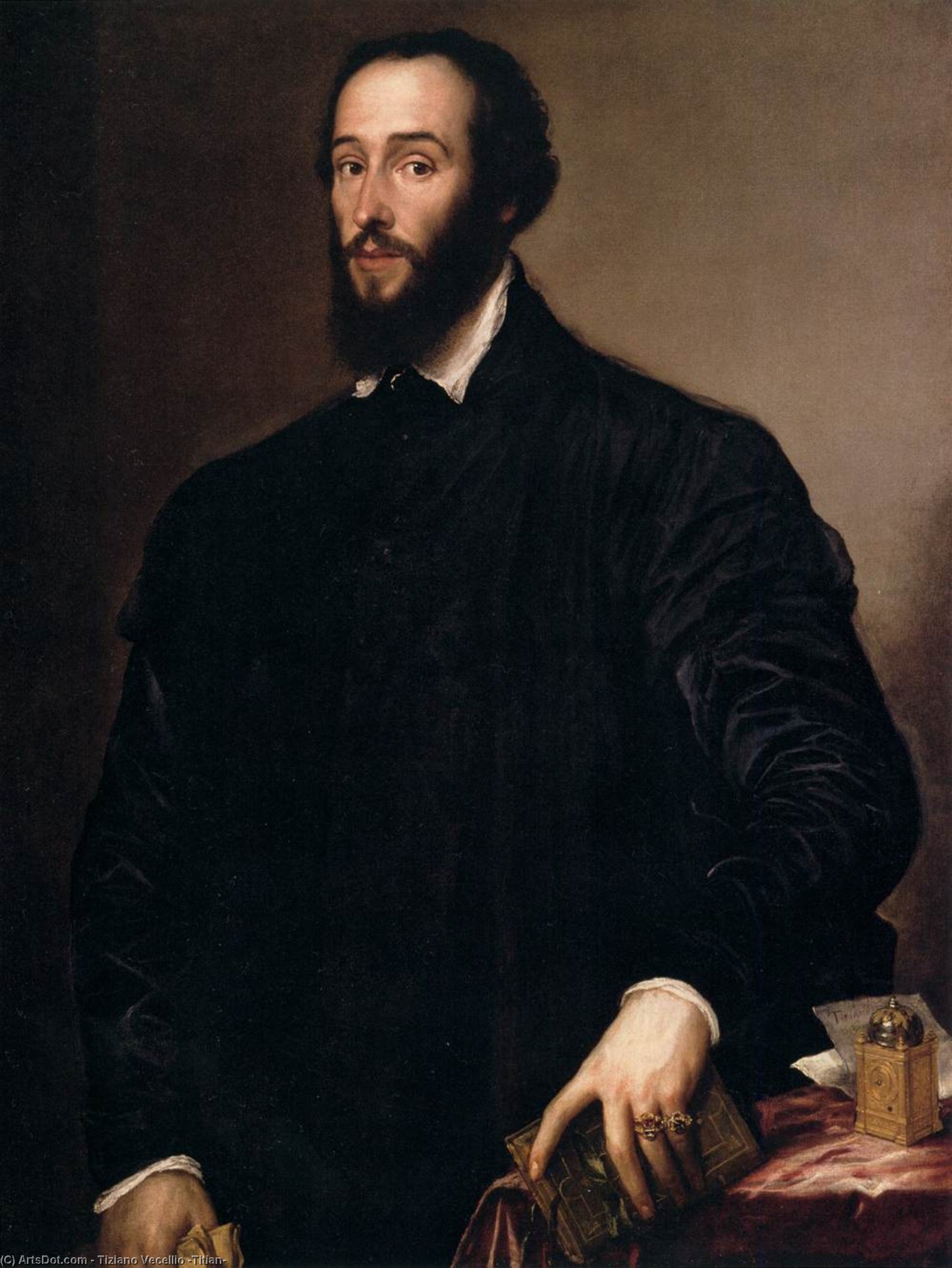
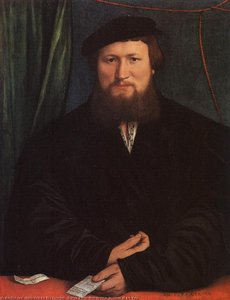
Tiziano Vecellio’s “Antoine Perrenot de Granvelle,” painted in 1548, is more than just a portrait; it's a meticulously crafted window into the heart of 16th-century Venetian society and the political machinations of Europe. This oil on canvas masterpiece, now residing at the Nelson-Atkins Museum of Art in Kansas City, captures not only the likeness of a prominent statesman but also his commanding presence, intellectual depth, and the aura of authority that defined his role as a key advisor to Emperor Charles V. The painting immediately draws the viewer in with its rich palette, masterful use of light and shadow, and the palpable sense of confidence radiating from Granvelle’s gaze.

A Symphony of Color and Texture: Titian’s Technique
Titian, a master colorist renowned for his ability to evoke light and atmosphere, employed his signature technique in “Granvelle” with breathtaking precision. The painting is dominated by deep, luxurious tones – the velvety blacks of his clothing, the burnished browns of his beard and mustache, and the dramatic reds of his drape—creating an immediate sense of gravitas. However, these dark hues are expertly punctuated by subtle highlights that illuminate Granvelle’s face, emphasizing the sharpness of his features and drawing attention to his intelligent eyes. Close examination reveals a layering of thin glazes – a hallmark of Titian's style – which build up color gradually, resulting in an astonishingly luminous quality. The artist’s brushstrokes are not merely decorative; they skillfully suggest texture—the smoothness of the skin, the sheen of the fabrics, and even the rougher surface of the documents he holds.
- Glazing Technique: Titian's use of thin oil glazes creates a remarkable depth and luminosity.
- Color Palette: A masterful blend of dark and rich tones establishes a sense of power and sophistication.
- Brushwork: Subtle brushstrokes convey texture and form, adding to the painting’s realism.
A Portrait of Power and Influence: Historical Context
“Antoine Perrenot de Granvelle” was created during a pivotal period in European history—the mid-16th century—a time when Venice held immense political and economic power, and the Habsburgs were consolidating their control over vast territories. Titian himself was at the height of his career, receiving commissions from some of Europe’s most influential figures, including Charles V and Philip II. The painting reflects this era's fascination with portraiture as a means of asserting status and projecting authority. Granvelle, a key advisor to the Emperor, embodies this ideal—a man of intellect, diplomacy, and unwavering loyalty. Further research reveals that Granvelle was not merely a political figure; he was also a significant art collector, fostering relationships with artists like Titian and Leoni, demonstrating his patronage and appreciation for artistic excellence.
Symbolism and Emotional Resonance
Beyond its technical brilliance, “Antoine Perrenot de Granvelle” is rich in symbolic meaning. The direct gaze of the subject—a hallmark of Renaissance portraiture—conveys confidence, intelligence, and a certain degree of self-assurance. The documents he holds – often interpreted as legal or diplomatic papers – symbolize his role as a statesman and administrator. The draped curtain adds depth to the composition while subtly hinting at the complexities of political intrigue. Ultimately, the painting transcends its literal depiction, offering a glimpse into the values and aspirations of a bygone era—a testament to human ambition, strategic thinking, and the enduring power of visual representation.
Related Artworks
Artist Biography
The Venetian Titan: A Life in Color and Canvas
Tiziano Vecellio, known to the world as Titian, stands as a monumental figure of the Italian Renaissance—perhaps its most celebrated colorist and a master who redefined the possibilities of oil painting. Born around 1490 in Pieve di Cadore, nestled amidst the dramatic landscapes of the Venetian Alps, his journey from humble beginnings to international acclaim is a testament to prodigious talent and an unwavering dedication to artistic innovation. The details surrounding Titian’s early life remain somewhat shrouded in mystery, but we know he was one of several children born to Gregorio Vecellio, a military man, and Lucia. Recognizing their sons' potential, the family arranged for young Tiziano and his brother Francesco to apprentice with an artist in Venice—a decision that would irrevocably alter the course of art history.
Venice at the turn of the 16th century was a vibrant hub of commerce, culture, and artistic ferment. Titian’s initial training took place within the workshop of Sebastiano Zuccato, a mosaicist, followed by brief periods under the tutelage of Gentile Bellini and, crucially, his brother Giovanni. However, it was his association with Giorgione—a fellow Venetian painter whose work possessed an ethereal poetic quality—that proved most formative. The two artists collaborated on several projects, including the exterior frescoes for the Fondaco dei Tedeschi, a bustling trading post for German merchants. Even in these early works, Titian’s exceptional skill was evident, earning him recognition among his contemporaries and foreshadowing the brilliance that would soon blossom.
A Master's Evolving Style
Titian’s artistic development can be characterized by a remarkable versatility and an ongoing exploration of painterly techniques. His early works, heavily influenced by Giorgione, exhibit a delicate lyricism and a masterful use of color to create atmospheric effects. Paintings like *A Man with a Quilted Sleeve* (circa 1509) demonstrate his emerging talent for portraiture, capturing not only the physical likeness of his subjects but also their inner character. As he matured, Titian began to move away from Giorgione’s subtle tonalities and embrace a bolder, more dramatic approach to color. *The Visitation of Mary and Elizabeth* (now in the Accademia, Venice) exemplifies this shift, showcasing his growing confidence in handling complex compositions and vibrant hues.
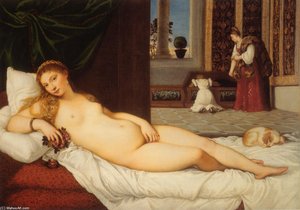
Throughout his long career, Titian consistently pushed the boundaries of artistic expression. He experimented with different brushstrokes—from smooth, blended surfaces to loose, expressive marks—and developed a unique technique for layering colors to create luminous effects. His portraits became renowned for their psychological depth and realistic portrayal of textures and fabrics. Simultaneously, he excelled in mythological and religious subjects, imbuing them with a sensuality and dramatic intensity that captivated audiences. A prime example is *Venus of Urbino*, a masterpiece that redefined the depiction of the female nude and established Titian as a leading figure in Venetian painting.
Patronage, Prestige, and Lasting Influence
Titian’s talent attracted the attention of powerful patrons from across Europe. He served as court painter to Emperor Charles V, King Philip II of Spain, and Pope Paul III, among others. This patronage not only provided him with financial security but also allowed him to create monumental works that showcased his artistic prowess on a grand scale. His ability to adapt his style to the tastes of different courts while maintaining his own distinctive voice is a testament to his exceptional skill and diplomatic finesse.
The impact of Titian’s work extended far beyond his lifetime. His innovative use of color, his loose brushwork, and his emphasis on capturing the emotional essence of his subjects profoundly influenced generations of artists. From Peter Paul Rubens and Rembrandt to Eugène Delacroix and Édouard Manet, countless painters drew inspiration from his masterpieces. He is considered a pivotal figure in the transition from the High Renaissance to the Baroque period, paving the way for new artistic styles and approaches.
A Legacy Enduring Through Centuries
Titian passed away in Venice in 1576, leaving behind an extraordinary body of work that continues to inspire awe and admiration. His paintings can be found in museums around the world, including the Galleria Palatina in Florence, the Prado Museum in Madrid, and the National Gallery in London. To experience a Titian is to encounter a master craftsman at the peak of his powers—a painter who possessed an unparalleled ability to capture the beauty, drama, and complexity of the human condition.
Exploring Further
- Museums & Collections: Discover Titian’s works at the Scuola del Santo in Padua and San Salvador in Venice, both showcasing his breathtaking frescoes.
- Related Artists: Explore the influence of Giorgione on Titian's early style and the later impact of Titian on artists like Rubens and Delacroix.
- Historical Context: Immerse yourself in the world of the Italian Renaissance and Venetian painting to fully appreciate Titian’s artistic achievements.
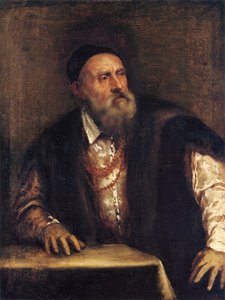
Titian
1490 - 1576 , Italy
Quick Facts
- Artistic Movement Or Style: Renaissance, Venetian painting
- Artists Or Movements Influenced By This Artist:
- Western artists
- Late Italian Renaissance
- Artists Who Influenced This Artist:
- Giovanni Bellini
- Giorgione
- Date Of Birth: c. 1490
- Date Of Death: 1576
- Full Name: Tiziano Vecellio
- Nationality: Italian
- Notable Artworks:
- A Man with a Quilted Sleeve
- The Visitation
- Bearded Young Man
- Place Of Birth: Pieve di Cadore, Italy
Related Articles

Demandes Commerciales
APS ofrece reproducciones de bellas artes y encargos personalizados desde 2004. Confían en nosotros corporaciones, hoteles y coleccionistas selectos para obras de arte de calidad museística, servicio discreto y soluciones artísticas completas. ¡Póngase en contacto con nosotros para obtener un presupuesto personalizado!

Goya's Masterpieces: Explore 25 Iconic Paintings & Art Prints | ArtsDot
Delve into the world of Francisco Goya with ArtsDot. Explore 25 iconic paintings – from 'The Third of May' to his haunting Black Paintings. Discover the stories, techniques & emotions behind these Spanish masterpieces. Find museum-quality art reproductions for your home at ArtsDot.com!

A riguardo di noi
Découvrez notre histoire ! Nous apportons l'art de classe mondiale dans votre vie grâce à une sélection experte, des créations personnalisées et des aperçus gratuits. Approuvé par les particuliers et les entreprises depuis 2000.

The Enduring Legacy of Oil on Canvas: Technique, History & Aesthetic Impact
Explore the rich history & techniques of oil painting – from Renaissance masters to Impressionism. Discover pigments, layering methods, and why this timeless medium endures. Expert insights for artists & art enthusiasts.
Oil on Board Masters: 10 Paintings That Redefined Art | ArtsDot
Explore 10 legendary 'Oil on Board' masterpieces by Van Gogh, Monet & more! Discover art history, iconic styles like Impressionism, and find museum-quality reproductions to elevate your home decor. Explore the full collection online at ArtsDot.com.