 Preview
 Send
Send Share
Share
 Details

 Download
 Similars
 X-Ray
X-Ray Diaporama
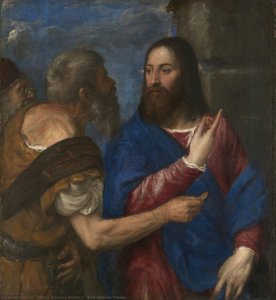
The Tribute Money
 Oil On Canvas
- WallArt
- Renaissance
 1560
1560- Renaissance
 112.0 x 103.0 cm
 National Gallery
 Read More
Hand Made Oil Reproduction
Hand-painted oil on canvas in your size and frame, made to order by our artists. ( Buy Print Buy Image)




P118B $10

P118H $10

P118W $10

P438Z $10

P508JH $12

P508YH $12

P805H $10

P805Z $10

P919BZ $10

P919G $10

P919XJ $10

P959ZH $10

P968JZ $12

W106C $8

W218G $10

W218JH $8

W218Y $10

W307PJ $10

W316G $10

W316PJ $8

W316Y $10

W398PJ $8

W4111J $10

W500HY $15

W500JH $15

W692G $12

W849H $8

W940BG $15

W953PJ $8




Pick from our preset sizes that match the artwork's original proportions.

You may enter your own dimensions to fit a specific frame or space. If your selected size does not match the original image's proportions, we will either crop the artwork or extend the painting with additional hand-painted elements. A digital mockup will be sent for your approval before production begins.
Please note that the on-screen preview does not reflect the actual cropping or extension. Only the mockup will accurately show the final composition.
While custom sizes are available, we recommend selecting a dimension from the predefined list to preserve the original proportions.
After order, ArtsDot.com team will email client for instructions and provide a mockup preview
Worldwide Delivery () in 3/4 weeks instead of standard 5 weeks. (16 August). No compromise on quality.

Free Worldwide Express Shipping

High-Quality Linen Canvas

Full Shipping Insurance

Customs Tax Refund Guarantee

True Color Matching Guarantee

60-Day Return Policy (Defects Only)

100% Money-Back Guarantee

Bulk Discount Offer
 Glass option is only available in size under 110 CM

The Tribute Money
Reproduction Medium
Reproduction Size
-


Total Price
$ 263
Artwork Description
A Moment of Revelation: Titian Ramsay Peale II’s “The Tribute Money”
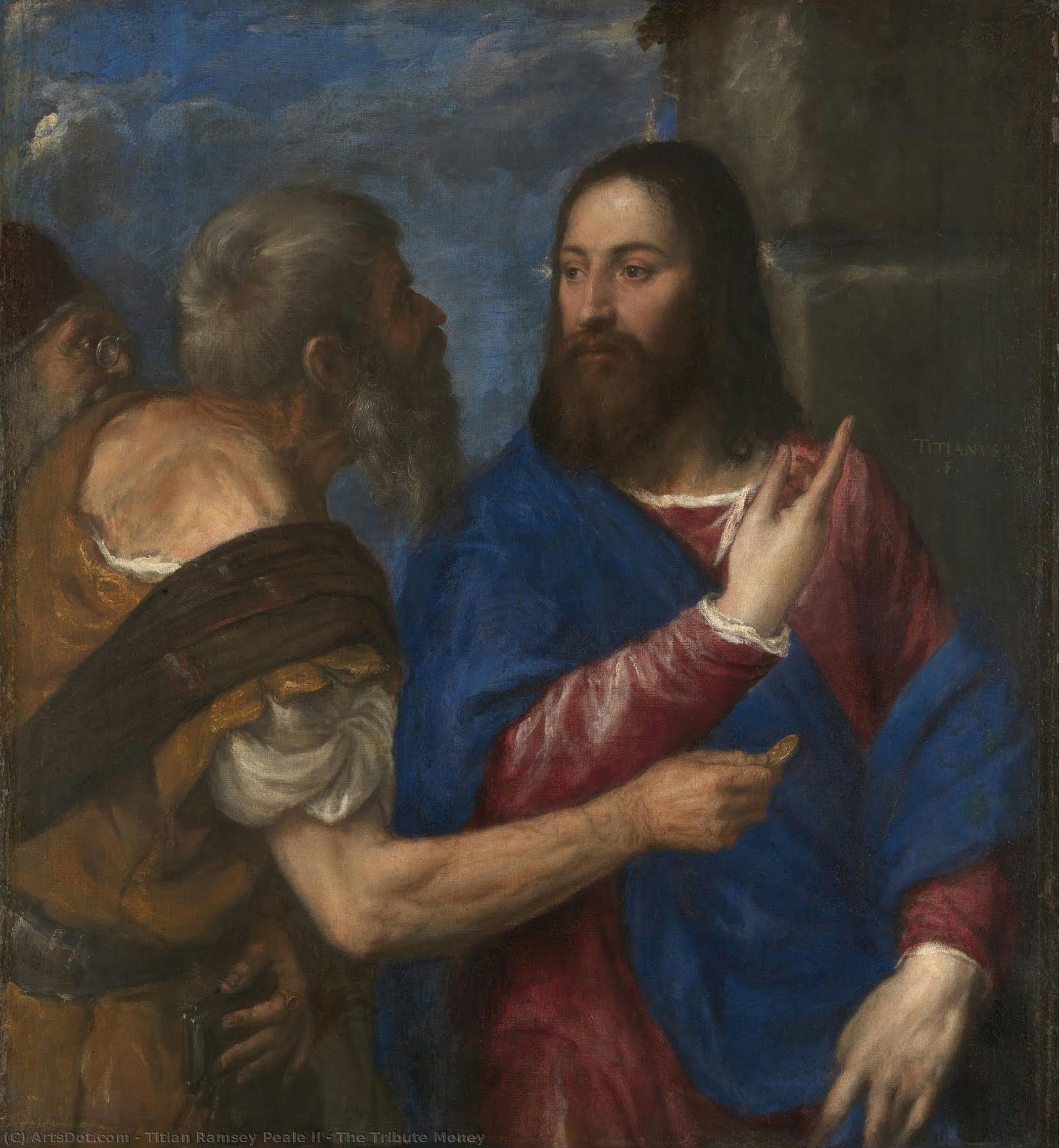
Titian Ramsay Peale II's "The Tribute Money," a captivating oil on canvas housed within the venerable walls of the National Gallery in London, is more than just a religious depiction; it’s a meticulously crafted tableau brimming with Renaissance ideals and imbued with an arresting sense of human interaction. Painted around 1560-1568, this work stands as a testament to Peale's skill in capturing not only the narrative of Matthew 27:11-14 – Jesus instructing Peter to pay tribute with a silver denarius – but also the complex emotions and relationships within the scene. The painting’s enduring appeal lies in its ability to transport the viewer directly into that pivotal moment, inviting contemplation on faith, authority, and the subtle dynamics of discipleship.
Peale's approach is deeply rooted in the High Renaissance tradition, a style he inherited from his father, Charles Willson Peale, a prominent American portraitist. The composition itself is carefully orchestrated – a triangular arrangement anchored by Jesus at its apex, with Peter positioned centrally and radiating authority. The other disciples are arranged around him, engaged in a quiet conversation that suggests both deference and perhaps even questioning. Notice the subtle gestures: Peter’s outstretched hand, Jesus' pointing finger, and the attentive expressions of those listening. This isn’t simply a recounting of an event; it’s a carefully staged drama designed to evoke empathy and understanding.
- Color Palette: Peale employs a rich, warm palette dominated by earthy tones – ochres, siennas, and browns – creating a sense of groundedness and realism. The use of light is particularly masterful, highlighting the faces of Jesus and Peter while casting subtle shadows that add depth and drama to the scene.
- Technique: Peale’s brushwork is remarkably detailed, showcasing his mastery of oil painting techniques. He skillfully renders textures – the folds of clothing, the sheen of metal, and the expressions on the faces – with a level of precision rarely seen in contemporary works.
- Compositional Elements: The inclusion of the clock in the upper left corner is a fascinating detail, potentially indicating the time of day when the painting was created and adding another layer of historical context. The background sky, rendered with atmospheric perspective, further enhances the sense of depth and realism.
Symbolism and Context: Renaissance Values Reflected
Beyond its narrative content, “The Tribute Money” is rich in symbolic meaning. The act of paying tribute itself represents obedience to authority – a concept central to Renaissance thought. Jesus’s instruction to Peter highlights the importance of faith and submission to divine will. Furthermore, the scene can be interpreted as an allegory for the relationship between Christ and his followers, emphasizing the role of leadership and guidance. It's important to note that this painting was created during a period of significant religious and political upheaval in Europe, with the Catholic Church asserting its authority and the Protestant Reformation challenging it. Peale’s work reflects these tensions, presenting a vision of faith rooted in obedience and reverence.
Comparing “The Tribute Money” to other works from the era – particularly Peter Paul Rubens' "The Supper at Emmaus" and "Last Supper" – reveals intriguing parallels and differences. While both artists masterfully capture moments of religious significance, Rubens tends towards a more dynamic and theatrical style, whereas Peale’s approach is characterized by greater restraint and psychological depth. Rubens’ works are known for their dramatic lighting and vibrant colors, while Peale's painting exudes a quiet dignity and contemplative atmosphere.
A Rediscovered Master: The Legacy of Titian Ramsay Peale II
Titian Ramsay Peale II remains a relatively obscure figure in the history of art, despite his undeniable talent and significant contributions to the American Renaissance. His work was largely overlooked for centuries, but recent scholarship has begun to shed light on his artistic achievements and his role as a pioneer in natural history illustration. Peale’s meticulous attention to detail and his ability to capture human emotion are hallmarks of his style, and “The Tribute Money” stands as a prime example of his skill.
At ArtsDot.com, we are proud to offer meticulously crafted, hand-painted reproductions of "The Tribute Money," allowing you to experience the beauty and power of this Renaissance masterpiece in stunning detail. Our artists replicate Peale’s techniques with the utmost care, ensuring that your reproduction captures not only the visual elements but also the emotional essence of the original painting. Explore our exquisite rendition today and bring this timeless work of art into your home or office.
- High-Quality Reproduction: Each reproduction is created using archival-quality materials to ensure lasting beauty.
- Hand-Painted Detail: Our skilled artists meticulously replicate every brushstroke, capturing the nuances of Peale’s technique.
- Framing Options: Choose from a variety of framing options to complement your décor.
Related Artworks
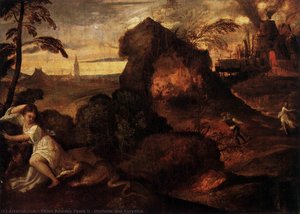
Artist Biography
A Renaissance Echo in the New World
Titian Ramsay Peale II occupies a fascinating, often overlooked niche within the landscape of 19th-century American art. Born in Philadelphia in 1799, he was steeped in artistic lineage as the youngest son of Charles Willson Peale, a pivotal figure in early American portraiture and founder of the nation’s first museum. While his father's legacy loomed large, Titian forged his own path, one deeply rooted in the aesthetic ideals of the High Renaissance, particularly those emanating from Venice. He wasn’t merely replicating styles; he was channeling a profound artistic sensibility, imbuing his canvases with a meticulous detail and vibrant color palette that set him apart from many of his contemporaries. His life unfolded against a backdrop of burgeoning American identity, yet his artistic heart remained tethered to the classical masters, creating a compelling tension between Old World reverence and New World expression.From Naturalist’s Sketchbook to Painter's Canvas
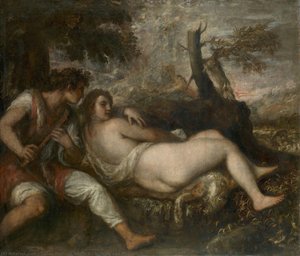
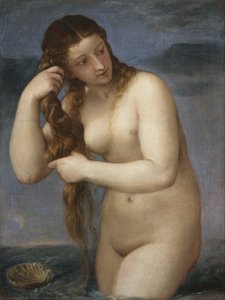
Peale’s early years were marked by a dual fascination with art and natural history – a combination fostered by his father’s multifaceted pursuits. He accompanied expeditions, notably Stephen Harriman Long’s journey to the Rocky Mountains in 1819-20, documenting flora and fauna with an increasingly refined artistic eye. This period wasn't simply about recording observations; it was about *understanding* form, light, and texture – skills that would prove invaluable when he turned his full attention to painting. His work as a naturalist informed his art, lending a scientific precision to his depictions of the natural world, but also imbuing them with an emotional resonance that transcended mere documentation. He wasn’t just showing us what things looked like; he was revealing their inherent beauty and spiritual significance. This dedication to both disciplines is evident in pieces such as “The Tribute Money,” a dramatic rendering showcasing masterful light and shadow reminiscent of Rubens, and "Nymph and Shepherd", blending nature, mythology, and sensual beauty.Venetian Influences and Sacred Visions
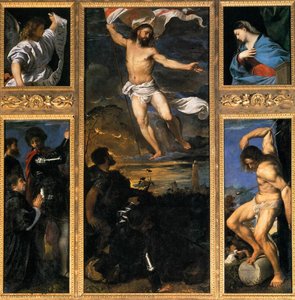
The influence of Venetian colorism – the emphasis on rich, luminous colors and atmospheric effects championed by artists like Titian (from whom he took his first name) – is undeniable in Peale’s oeuvre. He wasn't simply copying these masters; he was internalizing their principles and adapting them to his own artistic vision. This is particularly evident in his religious works, such as “Altar Shrine with Four Saints” and "Adoration of the Shepherds". These paintings aren’t merely depictions of biblical scenes; they are immersive experiences, drawing the viewer into a world of spiritual contemplation through carefully orchestrated compositions and a masterful use of color to evoke emotion. The meticulous attention to detail in these works speaks not only to his technical skill but also to a deep reverence for his subject matter. “The Beauty,” a striking portrait, further demonstrates his ability to capture human form and character with elegance and refinement.Rediscovery and Lasting Significance
For much of the 20th century, Titian Ramsay Peale II remained largely obscured from art historical narratives. His work didn’t fit neatly into prevailing trends, and his dedication to a classical style felt anachronistic in a rapidly changing artistic landscape. However, recent years have witnessed a growing reassessment of his contributions. Scholars and collectors are recognizing the unique blend of American sensibilities and European traditions that characterizes his paintings. The rediscovery of his work is not merely about filling gaps in art history; it’s about gaining a deeper understanding of the complex cultural forces that shaped 19th-century America. Peale represents a bridge between worlds, a testament to the enduring power of classical ideals, and a reminder that artistic innovation often arises from unexpected combinations of influences. His paintings, now found in collections like those at ArtsDot, the Uffizi Gallery, and Palazzo Pitti, offer a compelling glimpse into a forgotten corner of American art history – a corner illuminated by the radiant glow of the Renaissance.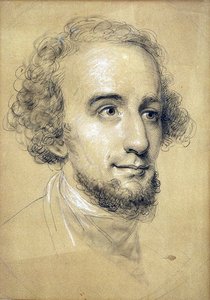
Titian Ramsay Peale II
1799 - 1885
Quick Facts
- Artistic Movement Or Style: High Renaissance
- Artists Who Influenced This Artist:
- Titian
- Venetian masters
- Date Of Birth: 1799
- Date Of Death: 1885
- Full Name: Titian Ramsay Peale II
- Nationality: American
- Notable Artworks:
- Altar Shrine with Four Saints
- Adoration of the Shepherds
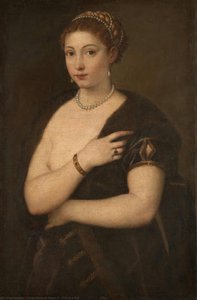
- The Beauty
- Tribute Money
- Holy Family w/ Shepherd
- Nymph and Shepherd
Related Articles

Titian Ramsay Peale II: A Legacy of Botanical Precision & Artistic Innovation
Explore the life & art of Titian Ramsay Peale II, a master of botanical precision and wildlife painting. Discover his legacy bridging art & natural history at ArtsDot.
Charles Willson Peale: Portraiture, Enlightenment Ideals & Shaping American Identity
Explore the life & art of Charles Willson Peale – Revolutionary portraitist, scientist, and founder of America’s first museum. Discover his iconic paintings of Washington & the Enlightenment ideals that shaped a nation.
Titian: Innovation, Technique & the Venetian Renaissance Portrait Tradition
Explore the revolutionary techniques & enduring legacy of Titian, the master of Venetian Renaissance portraiture. Discover insights for collectors & appreciate his impact on art history.
Illuminating Faith: Biblical Narrative & Artistic Expression Through the Ages
Explore the rich history of biblical art from Giotto to the Renaissance masters with ArtsDot. Discover symbolism, techniques & enduring legacies. Museum-quality reproductions & expert insights.
John Francis Sartorius II: Equestrian Elegance & the Rise of British Portraiture
Explore the captivating world of Francis Sartorius II (1734-1804), a leading British painter renowned for his exquisite equestrian portraits and hunting scenes. Discover his life, techniques & enduring legacy.