 Preview
 Send
Send Share
Share
 Details

 Download
 Similars
 X-Ray
X-Ray Diaporama
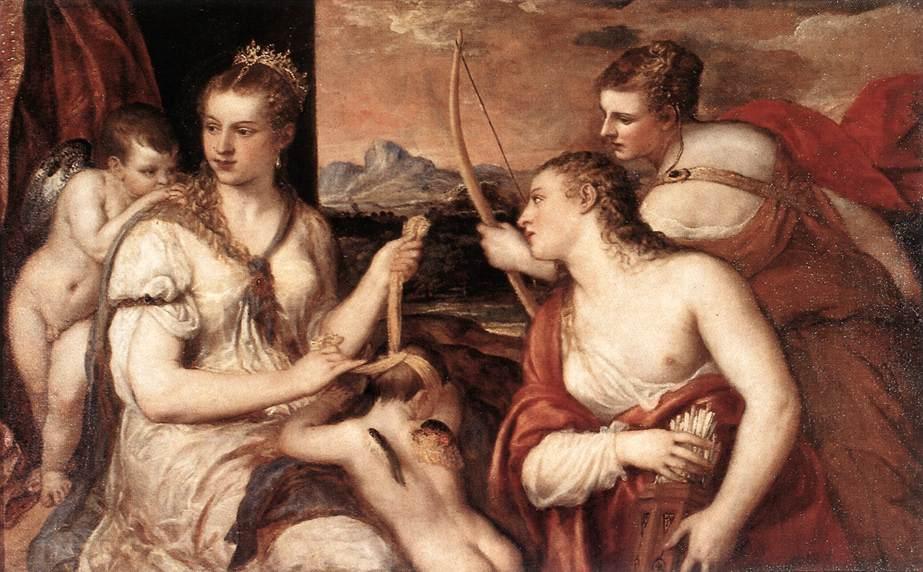
Venus Blindfolding Cupid
 Oil On Canvas
- WallArt
- Baroque
 1565
1565 118.0 x 185.0 cm
 Galleria Borghese
 Read More
Hand Made Oil Reproduction
Hand-painted oil on canvas in your size and frame, made to order by our artists. ( Buy Print Buy Image)




P118B $10

P118H $10

P118W $10

P438Z $10

P508JH $12

P508YH $12

P805H $10

P805Z $10

P919BZ $10

P919G $10

P919XJ $10

P959ZH $10

P968JZ $12

W106C $8

W218G $10

W218JH $8

W218Y $10

W307PJ $10

W316G $10

W316PJ $8

W316Y $10

W398PJ $8

W4111J $10

W500HY $15

W500JH $15

W692G $12

W849H $8

W940BG $15

W953PJ $8




Pick from our preset sizes that match the artwork's original proportions.

You may enter your own dimensions to fit a specific frame or space. If your selected size does not match the original image's proportions, we will either crop the artwork or extend the painting with additional hand-painted elements. A digital mockup will be sent for your approval before production begins.
Please note that the on-screen preview does not reflect the actual cropping or extension. Only the mockup will accurately show the final composition.
While custom sizes are available, we recommend selecting a dimension from the predefined list to preserve the original proportions.
After order, ArtsDot.com team will email client for instructions and provide a mockup preview
Worldwide Delivery () in 3/4 weeks instead of standard 5 weeks. (16 August). No compromise on quality.

Free Worldwide Express Shipping

High-Quality Linen Canvas

Full Shipping Insurance

Customs Tax Refund Guarantee

True Color Matching Guarantee

60-Day Return Policy (Defects Only)

100% Money-Back Guarantee

Bulk Discount Offer
 Glass option is only available in size under 110 CM

Venus Blindfolding Cupid
Reproduction Medium
Reproduction Size
-


Total Price
$ 263
Artwork Description
Venus Blindfolding Cupid by Titian
Tiziano Vecellio, universally revered as Titian, stands as an undisputed titan of the Italian Renaissance—a painter whose mastery of color irrevocably altered the artistic landscape and cemented his legacy as arguably its most celebrated virtuoso. Born around 1490 in Pieve di Cadore, nestled amidst the breathtaking majesty of the Venetian Alps, his journey from modest origins to global renown embodies an unparalleled blend of innate talent and unwavering dedication to artistic innovation. The precise details surrounding Titian’s formative years remain somewhat elusive, yet biographical accounts confirm he was one of several children born to Gregorio Vecellio, a military officer, and Lucia—a familial circumstance that foreshadowed the extraordinary destiny awaiting him. Recognizing their sons' prodigious aptitude for art, the Vecellio family strategically orchestrated an apprenticeship with Giovanni Battista Cambiasi in Venice—a decision that would propel young Titian onto the path toward artistic greatness. Venice during the mid-16th century pulsed with a dynamism unmatched by its European counterparts; it was a crucible of commerce, culture, and artistic fervor where groundbreaking ideas flourished. This vibrant milieu provided fertile ground for Titian’s burgeoning artistry, fostering an environment conducive to experimentation and pushing the boundaries of conventional painting practices. His early training instilled in him a profound understanding of Venetian artistic traditions—particularly those championed by Giorgione—influencing his stylistic sensibilities and shaping his distinctive approach to composition and color orchestration.Subject Matter and Composition
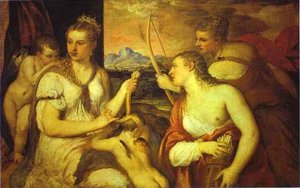
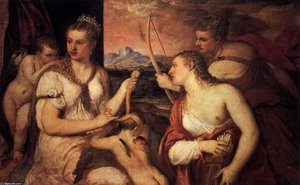
“Venus Blindfolding Cupid,” completed around 1565, delves into the realm of mythology with exquisite precision. The painting depicts Venus, the Roman goddess of love and beauty, engaging in a captivating act of seduction—she deftly blindsfolds Cupid, her son and emblem of desire, utilizing her hand to obscure his eyes. This dramatic tableau unfolds against a panoramic backdrop of towering mountains—a deliberate choice that serves not merely as scenic ornamentation but also as symbolic representation of the grandeur and immensity of divine love. The scene is populated by three figures: Venus herself, Cupid, and an unnamed male attendant positioned on the left side of the canvas—a tripartite arrangement designed to maximize visual impact and convey a sense of narrative tension. Furthermore, two infants are subtly incorporated into the composition—one nestled on Venus’s lap and another situated near the center—adding layers of tenderness and highlighting themes of fertility and maternal care. Scattered across the scene are three arrows—one aimed squarely at Cupid’s chest and the other two positioned closer to Venus—a visual motif laden with symbolic significance, representing both Cupid's impulsive passion and Venus’s calculated influence over desire.Technique and Artistic Style
Titian’s artistic technique exemplifies the zenith of Venetian Renaissance painting—characterized by an unparalleled mastery of color and brushwork. Employing a masterful application of oil paint on canvas, he achieved luminous hues and velvety textures that captivated audiences and established him as a pioneer in chromatic innovation. His distinctive style is marked by a deliberate layering of glazes—thin translucent washes of pigment applied over subsequent layers—creating depth and luminosity while subtly modulating tonal values. This technique allowed Titian to capture the ethereal beauty of Venus’s skin tone and imbue the mountainous landscape with atmospheric haze—a testament to his ability to convey mood and emotion through visual elements. The painting's surface possesses a remarkable smoothness, achieved through meticulous polishing—a painstaking process that ensured optimal reflectivity and maximized the vibrancy of the colors.Historical Context and Significance
“Venus Blindfolding Cupid” emerged during a period of artistic flourishing in Venice—the High Renaissance—when artists sought to emulate the grandeur and idealism of classical antiquity while simultaneously exploring new expressive possibilities. Titian’s work aligns seamlessly with the broader artistic currents of his time, reflecting the humanist preoccupation with beauty, proportion, and human emotion—values championed by thinkers such as Erasmus and Pico della Mirandola. The painting's commission likely stemmed from Cornelis van der Geest, a wealthy Dutch collector who sought to adorn his palazzo with masterpieces that embodied Venetian artistic excellence. Copies of “Venus Blindfolding Cupid” can be found in two paintings housed within Van der Geest’s gallery—a testament to the artwork’s enduring appeal and its recognition as a cornerstone of Venetian Renaissance art history.Emotional Impact and Legacy
Ultimately, “Venus Blindfolding Cupid” transcends mere visual representation; it evokes profound emotions—capturing the allure of romantic love, the capriciousness of desire, and the sublime beauty of nature. Titian’s masterful depiction of Venus embodies feminine grace and sensual sophistication—a celebration of idealized femininity that continues to inspire artists and viewers alike. The painting's dramatic composition and luminous color palette convey a palpable sense of movement and dynamism—drawing the eye inward while simultaneously immersing it in the grandeur of the Venetian landscape. As a seminal work of art, “Venus Blindfolding Cupid” stands as an enduring symbol of Renaissance artistic achievement—a testament to Titian’s genius and his indelible contribution to Western art history.Related Artworks
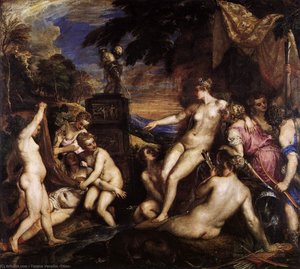
Artist Biography
The Venetian Titan: A Life in Color and Canvas
Tiziano Vecellio, known to the world as Titian, stands as a monumental figure of the Italian Renaissance—perhaps its most celebrated colorist and a master who redefined the possibilities of oil painting. Born around 1490 in Pieve di Cadore, nestled amidst the dramatic landscapes of the Venetian Alps, his journey from humble beginnings to international acclaim is a testament to prodigious talent and an unwavering dedication to artistic innovation. The details surrounding Titian’s early life remain somewhat shrouded in mystery, but we know he was one of several children born to Gregorio Vecellio, a military man, and Lucia. Recognizing their sons' potential, the family arranged for young Tiziano and his brother Francesco to apprentice with an artist in Venice—a decision that would irrevocably alter the course of art history.
Venice at the turn of the 16th century was a vibrant hub of commerce, culture, and artistic ferment. Titian’s initial training took place within the workshop of Sebastiano Zuccato, a mosaicist, followed by brief periods under the tutelage of Gentile Bellini and, crucially, his brother Giovanni. However, it was his association with Giorgione—a fellow Venetian painter whose work possessed an ethereal poetic quality—that proved most formative. The two artists collaborated on several projects, including the exterior frescoes for the Fondaco dei Tedeschi, a bustling trading post for German merchants. Even in these early works, Titian’s exceptional skill was evident, earning him recognition among his contemporaries and foreshadowing the brilliance that would soon blossom.
A Master's Evolving Style
Titian’s artistic development can be characterized by a remarkable versatility and an ongoing exploration of painterly techniques. His early works, heavily influenced by Giorgione, exhibit a delicate lyricism and a masterful use of color to create atmospheric effects. Paintings like *A Man with a Quilted Sleeve* (circa 1509) demonstrate his emerging talent for portraiture, capturing not only the physical likeness of his subjects but also their inner character. As he matured, Titian began to move away from Giorgione’s subtle tonalities and embrace a bolder, more dramatic approach to color. *The Visitation of Mary and Elizabeth* (now in the Accademia, Venice) exemplifies this shift, showcasing his growing confidence in handling complex compositions and vibrant hues.
Throughout his long career, Titian consistently pushed the boundaries of artistic expression. He experimented with different brushstrokes—from smooth, blended surfaces to loose, expressive marks—and developed a unique technique for layering colors to create luminous effects. His portraits became renowned for their psychological depth and realistic portrayal of textures and fabrics. Simultaneously, he excelled in mythological and religious subjects, imbuing them with a sensuality and dramatic intensity that captivated audiences. A prime example is *Venus of Urbino*, a masterpiece that redefined the depiction of the female nude and established Titian as a leading figure in Venetian painting.
Patronage, Prestige, and Lasting Influence
Titian’s talent attracted the attention of powerful patrons from across Europe. He served as court painter to Emperor Charles V, King Philip II of Spain, and Pope Paul III, among others. This patronage not only provided him with financial security but also allowed him to create monumental works that showcased his artistic prowess on a grand scale. His ability to adapt his style to the tastes of different courts while maintaining his own distinctive voice is a testament to his exceptional skill and diplomatic finesse.
The impact of Titian’s work extended far beyond his lifetime. His innovative use of color, his loose brushwork, and his emphasis on capturing the emotional essence of his subjects profoundly influenced generations of artists. From Peter Paul Rubens and Rembrandt to Eugène Delacroix and Édouard Manet, countless painters drew inspiration from his masterpieces. He is considered a pivotal figure in the transition from the High Renaissance to the Baroque period, paving the way for new artistic styles and approaches.
A Legacy Enduring Through Centuries
Titian passed away in Venice in 1576, leaving behind an extraordinary body of work that continues to inspire awe and admiration. His paintings can be found in museums around the world, including the Galleria Palatina in Florence, the Prado Museum in Madrid, and the National Gallery in London. To experience a Titian is to encounter a master craftsman at the peak of his powers—a painter who possessed an unparalleled ability to capture the beauty, drama, and complexity of the human condition.
Exploring Further
- Museums & Collections: Discover Titian’s works at the Scuola del Santo in Padua and San Salvador in Venice, both showcasing his breathtaking frescoes.
- Related Artists: Explore the influence of Giorgione on Titian's early style and the later impact of Titian on artists like Rubens and Delacroix.
- Historical Context: Immerse yourself in the world of the Italian Renaissance and Venetian painting to fully appreciate Titian’s artistic achievements.
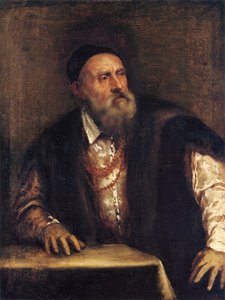
Titian
1490 - 1576 , Italy
Quick Facts
- Artistic Movement Or Style: Renaissance, Venetian painting
- Artists Or Movements Influenced By This Artist:
- Western artists
- Late Italian Renaissance
- Artists Who Influenced This Artist:
- Giovanni Bellini
- Giorgione
- Date Of Birth: c. 1490
- Date Of Death: 1576
- Full Name: Tiziano Vecellio
- Nationality: Italian
- Notable Artworks:
- A Man with a Quilted Sleeve
- The Visitation
- Bearded Young Man
- Place Of Birth: Pieve di Cadore, Italy
Related Articles
Titian: Innovation, Technique & the Venetian Renaissance Portrait Tradition
Explore the revolutionary techniques & enduring legacy of Titian, the master of Venetian Renaissance portraiture. Discover insights for collectors & appreciate his impact on art history.
The Golden Light of Innovation: Exploring the Venetian Renaissance Art Movement (1430–1580)
Explore the Golden Age of Venetian art (1430–1580). Discover Giorgione, Titian & Tintoretto's techniques, the 'colorito' revolution, and lasting influence. Expert insights for collectors & enthusiasts.

The Enduring Legacy of Oil on Canvas: Technique, History & Aesthetic Impact
Explore the rich history & techniques of oil painting – from Renaissance masters to Impressionism. Discover pigments, layering methods, and why this timeless medium endures. Expert insights for artists & art enthusiasts.

Oil on Canvas: A Historical & Technical Exploration of a Timeless Artistic Medium
Explore the rich history & enduring techniques of oil painting on canvas. Discover the science behind its longevity, conservation practices, and contemporary relevance. Expert insights for art enthusiasts.

The Enduring Power of Painting: A Historical & Contemporary Exploration of Form and Emotion
Explore the rich history & enduring techniques of oil painting with ArtsDot. Discover masterpieces, learn about art collecting, and find authentic handmade reproductions crafted by skilled artists.