 Preview
 Send
Send Share
Share
 Details

 Download
 Similars
 X-Ray
X-Ray Diaporama
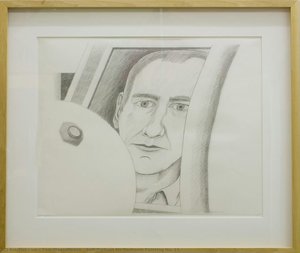
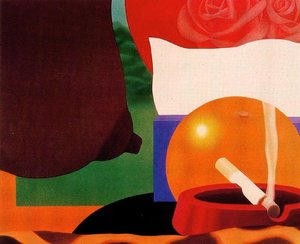
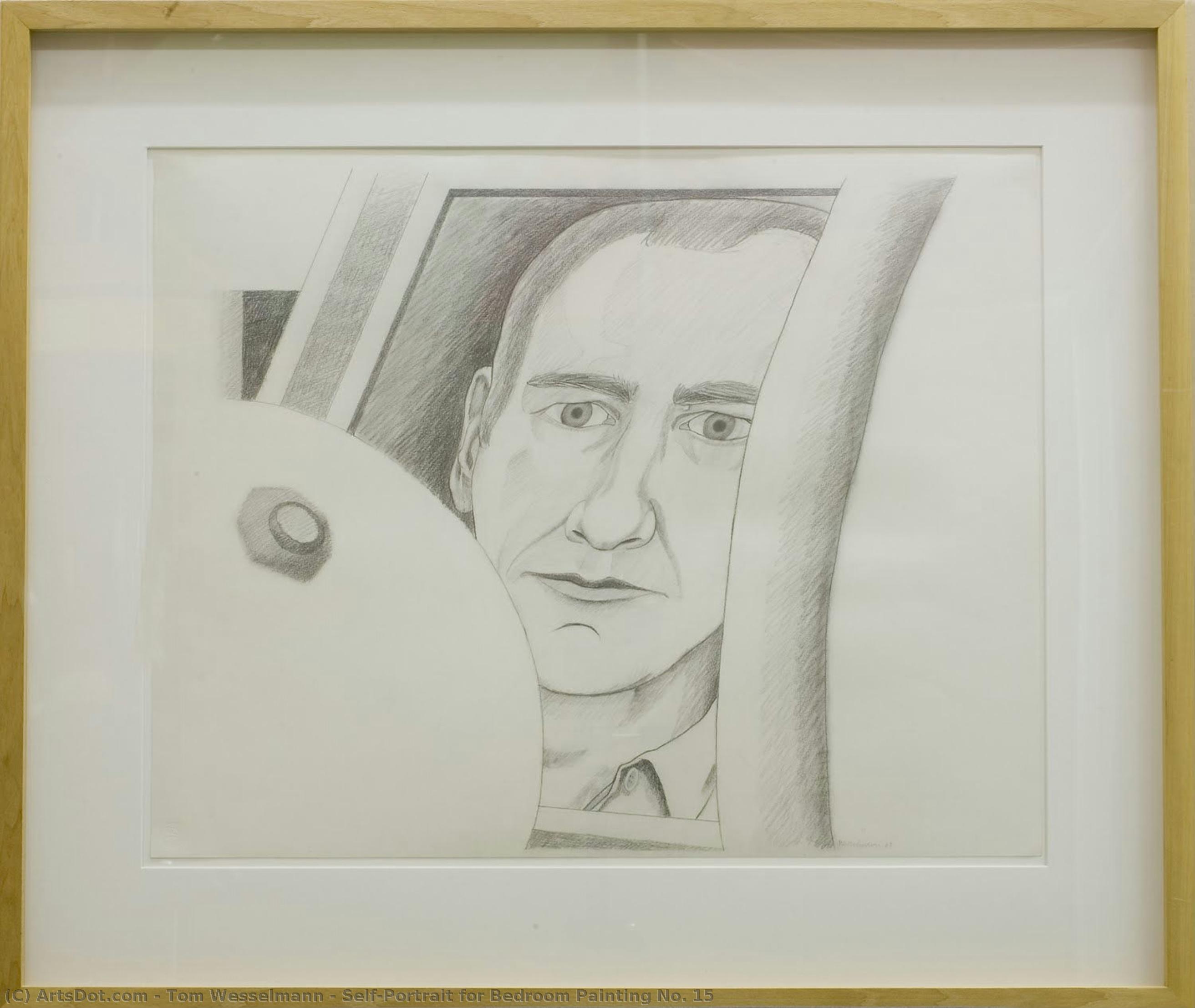
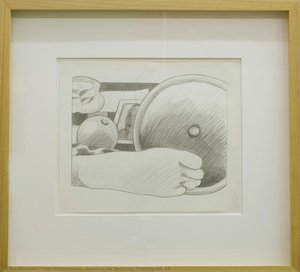
Self-Portrait for Bedroom Painting No. 15
 Acrylic On Canvas
- WallArt
- Pop Art
 58.0 x 73.0 cm
 Chrysler Museum of Art
 Read More
Giclée / Art Print
Museum-quality giclée or canvas print with fast production and flexible finish options. ( Buy Hand Made Painting Buy Image)




P118B $10

P118H $10

P118W $10

P438Z $10

P508JH $12

P508YH $12

P805H $10

P805Z $10

P919BZ $10

P919G $10

P919XJ $10

P959ZH $10

P968JZ $12

W106C $8

W218G $10

W218JH $8

W218Y $10

W307PJ $10

W316G $10

W316PJ $8

W316Y $10

W398PJ $8

W4111J $10

W500HY $15

W500JH $15

W692G $12

W849H $8

W940BG $15

W953PJ $8




Pick from our preset sizes that match the artwork's original proportions.

You may enter your own dimensions to fit a specific frame or space. If your selected size does not match the original image's proportions, we will either crop the artwork or extend the image with a mirrored or solid-fill edge. A digital mockup will be sent for your approval before production begins.
Please note that the on-screen preview does not reflect the actual cropping or extension. Only the mockup will accurately show the final composition.
While custom sizes are available, we recommend selecting a dimension from the predefined list to preserve the original proportions.
Worldwide Delivery () in 2 weeks instead of standard 4/5 weeks. (25 August)

Free Worldwide Express Shipping

High-Quality Linen Canvas

Full Shipping Insurance

Customs Tax Refund Guarantee

True Color Matching Guarantee

60-Day Return Policy (Defects Only)

100% Money-Back Guarantee

Bulk Discount Offer
 Glass option is only available in size under 110 CM

Self-Portrait for Bedroom Painting No. 15
Giclée / Art Print
Reproduction Size
-


Total Price
$ 63
Collectible Description
A Celebration of the Everyday: Decoding Tom Wesselmann’s Bedroom Painting No. 15
Tom Wesselmann's "Drawing for Bedroom Painting No. 15" stands as an emblem of Pop Art’s fascination with commonplace objects and a masterful demonstration of meticulous observation—a cornerstone to understanding his larger vision for the monumental canvas that would follow. Completed in 1968, this graphite study isn’t merely preparatory; it embodies Wesselmann's core aesthetic principles: simplicity, directness, and an unsettling beauty found within the mundane. The drawing itself is deceptively unassuming—a carefully arranged tableau of a pillow, orange, rose, photograph, and female foot—yet each element contributes to a complex interplay of visual cues that speaks volumes about Wesselmann’s artistic intent. The artist's technique is characterized by painstaking detail achieved through graphite pencils on paper. Lines are rendered with deliberate precision, capturing subtle tonal variations that mimic the texture of the material itself. This approach isn’t driven by illusionistic representation; rather, it seeks to distill the essence of form and surface into a concentrated visual statement. The resulting image possesses an almost sculptural quality—a testament to Wesselmann's commitment to conveying feeling through precise delineation. Notice how the shading subtly sculpts the pillow and orange, creating depth and suggesting volume despite the monochrome palette. Beyond its formal qualities, “Drawing for Bedroom Painting No. 15” operates on a symbolic level that aligns perfectly with the broader concerns of Pop Art. The inclusion of the female foot—positioned prominently in the composition—introduces an element of eroticism without resorting to explicit imagery. It’s a deliberate provocation, mirroring the sensual allure of the orange and subtly referencing the nude figure depicted in “Bedroom Painting No. 15.” This allusion isn't accidental; it underscores Wesselmann’s desire to disrupt traditional artistic conventions and explore themes of desire and pleasure within the context of everyday life. The photograph serves as a grounding element, anchoring the scene in reality while simultaneously highlighting the artist’s preoccupation with visual perception. “Bedroom Painting No. 15,” which followed shortly after this preparatory drawing, cemented Wesselmann's reputation as one of Pop Art’s foremost innovators. Measuring 58 x 73 cm, it is a bold exploration of color and form—a deliberate rejection of Abstract Expressionism’s emotive gestures in favor of a more intellectually stimulating engagement with visual experience. The canvas depicts a bedroom interior bathed in warm hues, featuring a single orange positioned centrally alongside a nude female figure. This pairing isn't simply decorative; it represents a profound meditation on the relationship between sexuality and domesticity—a theme that resonates powerfully within the cultural anxieties of the late 1960s. The painting’s chromatic palette is deliberately restrained, prioritizing tonal harmony over dramatic contrasts. However, the strategic use of color—particularly the vibrant red of the orange's fingernails—creates a striking visual impact and amplifies the sensual atmosphere. Wesselmann’s masterful handling of pigment contributes to an emotional resonance that transcends mere representation. He invites viewers to contemplate not just what is seen but how it feels—a hallmark of Pop Art’s ambition to capture the spirit of its time while simultaneously questioning established artistic paradigms. Ultimately, “Bedroom Painting No. 15” remains a captivating testament to Wesselmann's singular vision and enduring legacy as an artist who transformed the ordinary into extraordinary beauty.Related Artworks


Artist Biography
A Celebration of the Everyday: The World of Tom Wesselmann
Tom Wesselmann, born in Cincinnati, Ohio, in 1931 and passing away in 2004, stands as a pivotal figure within the vibrant landscape of Pop Art. His journey began not with an immediate artistic calling, but with studies in psychology at the University of Cincinnati following a brief period at Hiram College. This early exploration of the human mind would subtly inform his later work, imbuing it with a keen awareness of perception and desire. A stint in military service from 1952 to 1954 provided an unexpected creative outlet through cartooning – a skill that honed his observational abilities and sense of visual narrative. Upon his discharge, Wesselmann dedicated himself to refining his drawing skills at the Art Academy of Cincinnati, laying the foundation for the bold aesthetic he would soon become known for. He wasn’t initially drawn to the prevailing Abstract Expressionist fervor; instead, he sought a more direct engagement with the world around him, a desire that ultimately led him to embrace the burgeoning Pop Art movement.From Collage to Iconography: Defining a Style
Wesselmann quickly distinguished himself within Pop Art not through replication of mass-produced imagery like some of his contemporaries, but through a unique synthesis of collage techniques and representational painting. He wasn’t simply *showing* us consumer objects; he was constructing worlds around them, layering textures and perspectives to create visually arresting compositions. A crucial turning point came with the inception of the Great American Nude series in 1961. These weren't traditional nudes steeped in classical ideals; they were bold, unapologetic depictions of sensuality interwoven with patriotic motifs and the iconography of American consumer culture. The influence of Robert Motherwell’s powerful “Elegy to the Spanish Republic” is evident here – not in style, but in Wesselmann’s approach to combining disparate elements within a single canvas, creating tension and resonance. He deliberately rejected the gestural abstraction of Action Painting, opting instead for meticulous construction and a deliberate control over his visual language. His signature aesthetic blossomed into carefully arranged still lifes, intimate bedroom scenes, and striking nudes, all rendered in a palette of vibrant, often clashing colors that mirrored the energy of postwar America.Themes of Desire and Domesticity
Wesselmann’s artistic explorations consistently revolved around core themes of consumerism, sexuality, domesticity, and the American landscape. The Great American Nude series, arguably his most celebrated work, is a potent exploration of these ideas – a playful yet provocative commentary on the intersection of desire, advertising, and national identity. His “Bedroom Paintings” offer an equally compelling glimpse into the private sphere, depicting intimate interiors filled with everyday objects like cigarettes, flowers, and hearts. These aren’t merely depictions of rooms; they are carefully curated arrangements that reveal something about the lives lived within them – a sense of longing, comfort, or perhaps even alienation. Even his still lifes, seemingly simple arrangements of fruit, bottles, and other household items, possess a dynamic energy thanks to their bold colors, simplified forms, and deliberate compositions. Repetition and pattern became hallmarks of his style, creating visually engaging surfaces that draw the viewer in and invite contemplation.A Lasting Legacy: Influences and Impact
While Wesselmann forged his own distinct path, he acknowledged the influence of artists like Robert Motherwell on his compositional approach. He admired Willem de Kooning’s expressive brushwork but consciously sought to develop a style that was uniquely his own – one rooted in clarity, precision, and a playful engagement with popular culture. As a key member of the Pop Art movement alongside luminaries such as Andy Warhol and Roy Lichtenstein, he contributed significantly to its challenge of traditional artistic boundaries. His work expanded the possibilities of painting by embracing collage techniques and elevating everyday objects to the realm of fine art. Wesselmann’s legacy extends beyond his individual artworks; he inspired subsequent generations of artists to explore the intersection of art and life, to question conventional notions of beauty, and to find meaning in the mundane. He reflected the cultural shifts of the 1960s – increased consumerism, changing attitudes towards sexuality, and a growing fascination with mass media – offering a vibrant and often provocative commentary on the American experience. His work continues to resonate today, reminding us of the power of art to both reflect and shape our understanding of the world around us.
Tom Wesselmann
1931 - 2004 , United States of America
Quick Facts
- Artistic Movement Or Style: Pop Art
- Artists Or Movements Influenced By This Artist: ['Pop Art Movement']
- Artists Who Influenced This Artist:
- Robert Motherwell
- Willem de Kooning
- Date Of Birth: 1931
- Date Of Death: 2004
- Full Name: Tom Wesselmann
- Nationality: American
- Notable Artworks:
- Great American Nude Series
- Bedroom Paintings
- Still Lifes
- Place Of Birth (City And Country): Cincinnati, USA
Related Articles

The Eloquent Form: A Historical & Aesthetic Exploration of the Nude in Art
Explore the captivating history of the nude in art! From ancient Greece to modern masters, discover its evolving symbolism, techniques & enduring beauty. Expert insights for collectors and enthusiasts.
Pop Art Icons: 10 Masterpieces That Revolutionized Modern Decor |
Explore 10 defining Pop Art masterpieces – from Warhol’s iconic Marilyn to Lichtenstein's bold dots. Discover the stories behind these revolutionary artworks & find museum-quality reproductions for your home at .

The Nuances of Graphite: Exploring Emotional Depth & Technical Mastery in Pencil Drawing
Explore the captivating world of graphite drawing! Discover its rich history, master essential techniques like chiaroscuro, and learn how artists evoke emotion through this timeless medium. Expert insights for art enthusiasts.
The Enduring Allure of the Nude: A Historical & Artistic Exploration of the Human Form
Explore the captivating history of nude art! Discover iconic paintings & artists from classical to modern eras. Uncover symbolism, techniques & find museum-quality reproductions at ArtsDot.
Challenging Conventions: Pop Art's Origins, Evolution & Enduring Legacy
Explore the fascinating history of Pop Art, from its rebellious origins to its enduring influence on contemporary artists. Discover key figures like Warhol & Lichtenstein and learn about collecting this iconic movement.