

 Preview
 Send
Send Share
Share
 Details

 Download
 Similars
 X-Ray
X-Ray Diaporama
 Stats
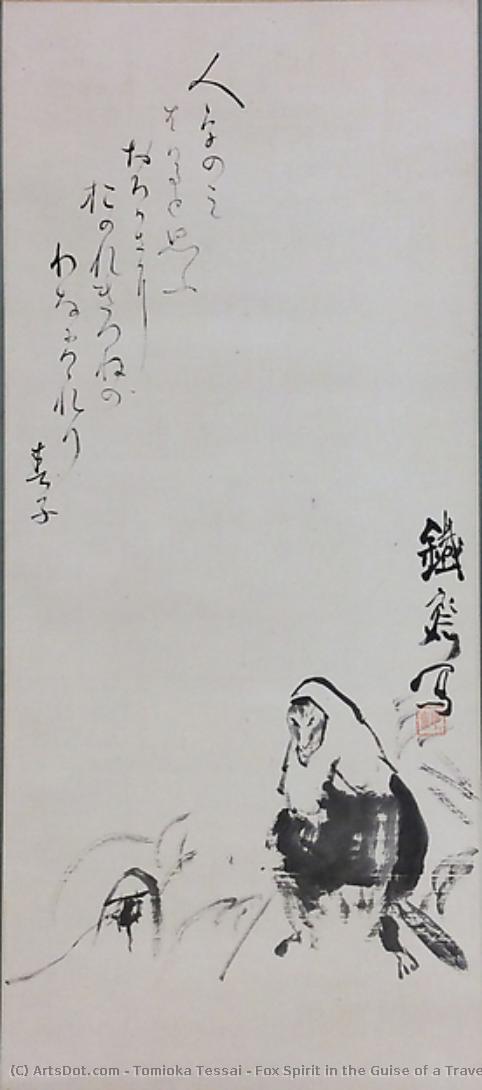
StatsFox Spirit in the Guise of a Traveling Monk (Hakuzosu)
 1901
1901 51.0 x 34.0 cm
 Read More
Purchase a high-resolution, enhanced digital image, far superior to the online preview.
Each file is meticulously prepared by our in-house specialists using advanced tools and expert manual retouching. We ensure every image has exceptional clarity, precise color accuracy, and fine detail.
The final file is delivered via email within 72 hours, optimized for immediate use in professional, editorial, and print environments. This is the same quality trusted by top-tier design studios, publishers, and galleries.
Digital Image
Download a high-resolution file for personal display, printing, and creative projects. ( Switch to Print Buy Hand Made Painting)
Included in Every Digital Image Order
Expert Digital Delivery, Guaranteed
When you choose ArtsDot.com, you're not just getting an image - you're receiving a professionally enhanced digital artwork, crafted with precision and backed by a satisfaction guarantee. Here's everything that comes with your order, automatically:

Fast Email Delivery
Your high-resolution digital image file will be emailed to you within 72 hours of ordering - ready for immediate use.

AI-Enhanced Digital File
Your artwork is professionally optimized using advanced AI tools and manual editing, ensuring maximum detail, clarity, and color accuracy.

Free Lifetime Re-Delivery
Accidentally deleted or lost your file? No worries - we'll resend it to you anytime, free of charge.

No Import Fees - Ever
Enjoy your artwork instantly with zero customs, duties, or delivery fees - digital downloads are always tax-free.

Color Accuracy Guarantee
We ensure your digital image reflects the original colors as closely as possible using professional tools and color management.

100-Day Satisfaction Guarantee
If you're not satisfied with your digital image, we'll revise it or refund 100% within 100 days - no questions asked.

100% Money-Back Guarantee
Not satisfied? Get a full refund within 100 days of receiving your digital file - no questions asked.

Bulk Order Discounts
Buy 3 images, save 10% - Buy 5, save 15% - Buy 10+, save 20%. Great for creative projects, galleries, and agencies.
Related Artworks






Artist Biography
The Evocative Brush of Tomioka Tessai
Tomioka Tessai, a pivotal figure in late 19th and early 20th-century Japanese painting, stands as a bridge between the traditions of literati art and the burgeoning modernism of his time. Born in Kyoto in 1837, Tessai’s life unfolded against a backdrop of immense social and political upheaval – the waning years of the Edo period, the Meiji Restoration, and Japan's rapid embrace of Western culture. Unlike many artists who immediately sought to replicate European styles, Tessai dedicated himself to revitalizing *Nanga* (literati painting), imbuing it with a deeply personal vision that resonated with both traditional sensibilities and contemporary anxieties. His journey wasn’t one of revolutionary break but rather of profound reinterpretation, a delicate balancing act between honoring the past and forging a new path.Early Life and Training in Kyoto
Tessai's artistic foundations were laid within the established cultural heartland of Japan. He initially studied Confucianism and calligraphy, disciplines considered essential for aspiring literati scholars. This early immersion profoundly shaped his aesthetic – emphasizing intellectual depth, moral cultivation, and a refined appreciation for nature. He later apprenticed under several prominent *Nanga* painters, including Maruyama Ōkyo’s grandson, absorbing the techniques of meticulous brushwork and landscape composition. However, Tessai quickly demonstrated an inclination to move beyond mere imitation. He wasn't content with simply reproducing established styles; he sought to capture the *spirit* of his subjects, infusing them with a dynamic energy that distinguished his work from his teachers’. This early period was marked by a rigorous self-discipline and a relentless pursuit of artistic mastery, laying the groundwork for his later innovations. He also developed a deep interest in Zen Buddhism, which would become a central theme throughout his career.Revitalizing Literati Tradition
The Meiji Restoration brought significant challenges to traditional art forms. Western painting techniques and subject matter gained popularity, threatening the relevance of *Nanga*. Tessai responded not with resistance but with a passionate reaffirmation of its core principles. He believed that *Nanga* offered a unique pathway to express the inner life of the artist and connect with the natural world – values he felt were increasingly lost in the rush towards modernization. He masterfully employed both monochrome ink washes and subtle color, often depicting landscapes, bamboo groves, plum blossoms, and other motifs laden with symbolic meaning. His paintings weren’t simply representations of nature; they were expressions of his philosophical understanding and emotional state. His signature style involved bold, expressive brushstrokes combined with a delicate sense of atmosphere, creating works that are both powerful and deeply contemplative. He frequently incorporated poetic inscriptions into his compositions, further emphasizing the literati ideal of uniting painting, calligraphy, and poetry.Themes and Symbolism in Tessai’s Art
Tessai's art is rich with symbolism drawn from Chinese literature, Zen Buddhism, and Japanese folklore. Bamboo, for instance, frequently appears in his paintings representing resilience, integrity, and humility. Plum blossoms symbolize perseverance and the arrival of spring – a metaphor for renewal and hope. Landscapes often served as vehicles for expressing spiritual insights, reflecting the Zen Buddhist concept of finding enlightenment through immersion in nature. His depictions of tigers, powerful and majestic creatures, are particularly striking, embodying both strength and vulnerability. These weren’t merely animal studies; they were allegorical representations of the artist's own inner struggles and aspirations. He also explored themes of social injustice and political corruption, subtly critiquing the rapid changes occurring in Japanese society through his art. His later works often feature historical figures and legendary heroes, used as vehicles for conveying moral lessons and philosophical ideas.Legacy and Historical Significance
Tomioka Tessai’s influence on 20th-century Japanese painting is undeniable. He successfully revitalized *Nanga*, demonstrating its continued relevance in a rapidly changing world. His work inspired generations of artists to embrace traditional techniques while simultaneously exploring new forms of expression. He was instrumental in founding the Kokuga Sosha, an organization dedicated to promoting Japanese art and culture, further solidifying his commitment to preserving artistic heritage.- His paintings are now held in major museums worldwide, including the Boston Museum of Fine Arts, the Metropolitan Museum of Art, and the Tokyo National Museum.
- Tessai’s emphasis on personal expression and spiritual depth paved the way for subsequent movements in Japanese art, influencing artists across various disciplines.
- He remains a celebrated figure in Japanese art history

Quick Facts
- Artistic Movement Or Style: Literati painting, Zen art
- Artists Or Movements Influenced By This Artist: ['Modern Japanese painting']
- Artists Who Influenced This Artist:
- Zhao Mengfu
- Ni Zan
- Date Of Death: Living
- Full Name: Tomioka Tessai
- Nationality: Japanese
- Notable Artworks:
- Landscape after Zhao Mengfu
- Bamboo in a Storm
- Plum Blossom
- Calligraphy